


Table of contents
If you have PCOS and follow a vegetarian or vegan diet - or are thinking about making the switch - you've probably wondered whether a plant-based approach is compatible with managing your symptoms. It's one of the most common questions in the PCOS community, and the answer isn't black and white.
The good news is that a vegetarian or vegan diet can work well with PCOS, as long as it's balanced and well thought through. In this guide, we cover the benefits, the risks, and the practical steps to make it work for your body.

What is PCOS, in case you’re new here?
Irregular cycles, acne, unexpected weight gain? You’re not imagining it. PCOS (polycystic ovary syndrome) is a hormonal imbalance that affects about 1 in 7 women. It can show up as acne, hair loss, excess hair growth, irregular or absent periods, and sometimes weight gain linked to insulin resistance.
If you’d like to dive deeper, check our article on PCOS symptoms and how to recognise them.
Vegetarian, Vegan, Flexitarian… what’s the difference?
Quick recap of the main dietary patterns:
-
Ovo-lacto vegetarian: no meat or fish, but eggs + dairy allowed.
-
Lacto-vegetarian: no meat, fish, or eggs, but dairy allowed.
-
Ovo-vegetarian: no meat, fish, or dairy, but eggs allowed.
-
Pesco-vegetarian: no meat, but fish allowed.
-
Vegan: excludes all animal products (food, honey, even clothing).
-
Flexitarian: occasional meat or fish, but mostly plant-based.
Science Check: PCOS & Vegetarian Diets
A well-planned vegetarian diet can help with:
-
Cardiovascular health → lower cholesterol & blood pressure.
-
Reducing inflammation → which is key, since PCOS is often linked to low-grade inflammation.
-
Weight management → more fibre, fewer calories.
-
Better blood sugar control → thanks to high-fibre carbs like lentils, quinoa, and chickpeas.
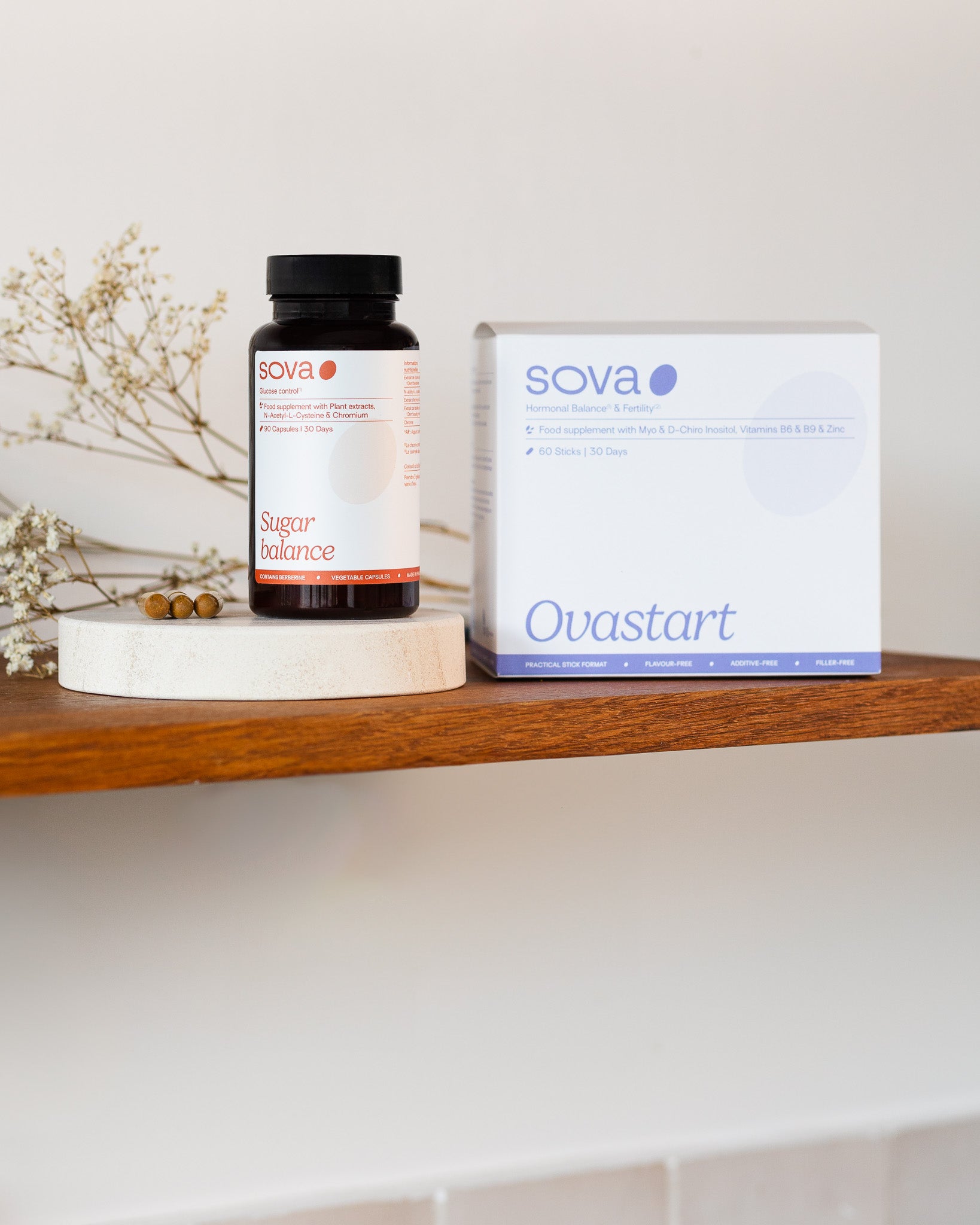
👉 Tip: Many women in our community notice fewer cravings and more stable energy when they combine a vegetarian diet with our Balance Bundle (Ovastart + Sugar Balance). It helps regulate hormones and stabilise blood sugar.
⚠️ Risks: If not managed well, vegetarian or vegan diets can increase the risk of protein and micronutrient deficiencies (iron, B12, zinc, iodine, vitamin D, omega-3s).
Proteins: The Non-Negotiable for PCOS
Proteins are your allies. They regulate blood sugar, support hormonal balance, maintain muscle, and strengthen hair/skin/nails.
Plant-based protein sources to mix & match:
-
Legumes: lentils, chickpeas, kidney beans.
-
Grains: quinoa, brown rice, oats.
-
Soy products: tofu, tempeh, edamame.
-
Nuts & seeds: almonds, chia, hemp seeds.
💡 Combine legumes + grains in the same day for a complete amino acid profile.
👉 Not sure if your protein intake is enough? Our Ovastart complex supports hormonal balance and can complement your diet naturally.

Carbs, Omega-3s, and Micronutrients
-
Carbs: prioritise whole grains & legumes. Avoid spikes in blood sugar by pairing carbs with proteins and veggies.
-
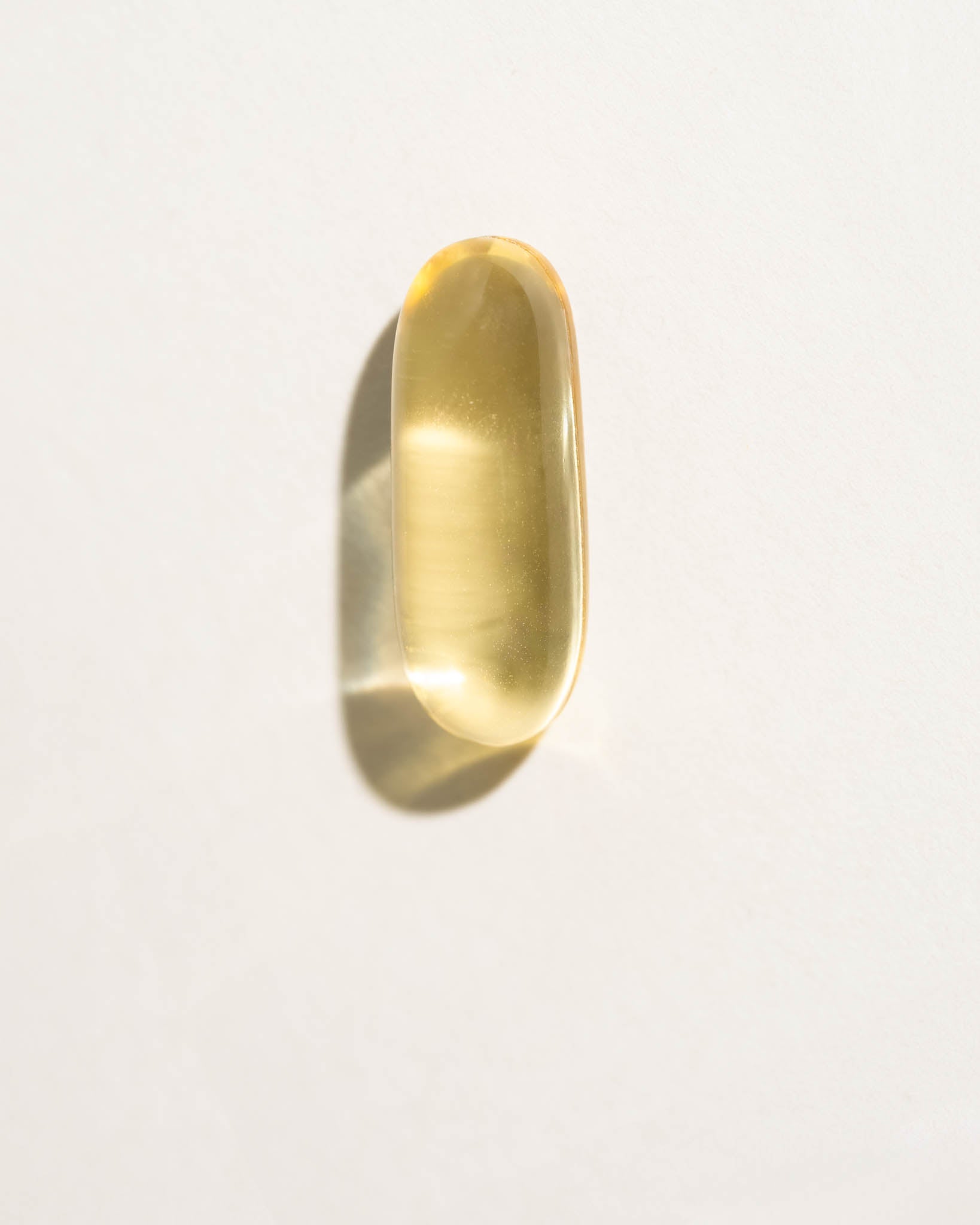
Omega-3s: essential for hormonal balance and inflammation. Vegetarian diets can make it tricky to get enough, since the richest sources are oily fish (mackerel, sardines, salmon, etc.). If you’re pescatarian, our Omega-3 EPAX® formula (made from high-quality fish oil, with a very low ToTox index) can be a great option. But note: it’s not suitable if you’re strictly vegetarian or vegan.
-
Plant-based omega-3s: if you don’t eat fish, focus on flax, chia, walnuts, hemp, and rapeseed oil. They provide ALA (a precursor to EPA/DHA, though conversion is limited).

Practical Tips if You’re Vegetarian + PCOS
-
Build balanced plates: carbs + proteins + veggies + healthy fats.
-
Spice it up: turmeric, ginger, and cinnamon all help reduce inflammation.
-
Support digestion: soak and cook legumes well, or blend them into hummus.
-
Supplement smartly (especially vitamin B12 & omega-3s).
-
Check in with your doctor or dietitian for regular blood work.
Key Takeaway
Yes—you can be vegetarian (or vegan) and still manage your PCOS. But it requires extra attention to protein and micronutrients. Don’t feel like you have to choose between your values and your health—you can have both.
✨ If you’re ready to take the next step, try our PCOS quiz to get personalised advice (and a special offer on your recommended routine).
- Vegetarian diet : A diet that excludes meat and fish but may include eggs and/or dairy, depending on the type (ovo-lacto, ovo, lacto, pescatarian).
- Vegan diet : A diet that excludes all animal-derived products, including meat, fish, dairy, eggs, and honey.
- Insulin resistance : A condition in which cells respond poorly to insulin, leading to higher blood sugar and insulin levels. It is very common in women with PCOS.
- Plant-based proteins : Protein sources derived from plants, such as legumes, soy products, whole grains, nuts, and seeds, which are essential for blood sugar and hormonal balance in PCOS.
- Omega-3 fatty acids : Essential fats involved in reducing inflammation and supporting hormonal health. They are mainly found in oily fish, but plant sources provide ALA, which is less efficiently converted.
- Micronutrient deficiencies : Low levels of vitamins or minerals such as iron, vitamin B12, zinc, iodine, or vitamin D, which can occur more frequently in vegetarian or vegan diets if not well planned.
Scientific references
SOVA was created by two sisters with PCOS who wanted products that truly worked. Our formulas are developed in-house with women’s health and micronutrition experts, using ingredients backed by clinical studies and compliant with European regulations.
- Built by women with PCOS, we know the reality of the symptoms.
- Clinically studied, high-quality ingredients, including patented forms like Quatrefolic® and an optimal Myo-/D-Chiro Inositol ratio.
- Holistic support for hormonal balance, metabolic health, inflammation, mood and cycle regulation.
- Transparent, science-led formulas with no unnecessary additives.