If your hair is thinning, shedding more than usual, or simply not growing the way it used to, the answer is rarely found in a new shampoo. Hair health is a reflection of internal balance - hormonal, nutritional, and metabolic. The most effective approach combines topical scalp support with targeted nutrition from the inside: addressing the deficiencies, hormonal shifts, and inflammatory drivers that quietly disrupt the follicle cycle long before the hair loss becomes visible.
Why Hair Loss in Women Is Almost Always an Inside Story
Every hair follows a cycle: a growth phase (anagen) that lasts two to six years, a transition phase (catagen), a resting phase (telogen), and finally an active shedding phase (exogen). What determines the length and quality of each phase is largely biochemical - and several common imbalances can shorten the growth phase, extend shedding, and reduce the density of what grows back.
Nutrient deficiencies are among the most frequent culprits. Vitamin D plays a direct role in follicle cycling, and deficiency is consistently associated with telogen effluvium and female pattern hair thinning (1). Iron deficiency - particularly common in women with heavy periods - starves the follicle of the oxygen it needs to sustain the growth phase. Biotin, zinc, selenium, and the B complex all contribute to keratin synthesis, follicle energy metabolism, and the normal cellular turnover that healthy hair depends on (2).
Hormonal imbalances add another layer of complexity. In PCOS, excess androgens can trigger androgenetic hair loss by progressively miniaturising the follicle. Post-pill, the withdrawal of synthetic hormones can push a significant number of follicles into the shedding phase simultaneously - the classic post-pill hair loss that typically appears two to three months after stopping contraception. At perimenopause, declining oestrogen shortens the anagen phase, leaving hair visibly finer and slower to grow back. Thyroid dysfunction - frequently associated with PCOS and widely underdiagnosed - slows follicle metabolism across the board, leading to diffuse shedding and dry, fragile texture (3).
Chronic stress completes this picture. Sustained cortisol elevation disrupts the cortisol-progesterone balance, accelerates the shift of follicles into the shedding phase, and suppresses the hormonal signals that drive growth. This is the mechanism behind telogen effluvium: the diffuse, distressing hair loss that often appears two to three months after a period of sustained physical or emotional stress - long enough after the trigger that the connection is frequently missed.
The Nutrients Your Follicles Actually Need
Biotin and the B Complex - The Keratin Foundation
Biotin (vitamin B8) is the best-known hair nutrient for good reason: it participates directly in keratin synthesis. Supplementation has been associated with improved hair quality in women with deficiency or significant shedding (4). But biotin works best as part of a broader B complex: pantothenic acid (B5), niacin (B3), and B6 all contribute to follicle energy metabolism, while B12 and B3 support the formation of red blood cells that carry oxygen to the follicle. A formula that combines these vitamins rather than isolating one at a high dose will generally produce better results.
Zinc and Selenium - Structural and Protective
Zinc is essential for the normal hair cycle - it supports cellular division in the follicle and is consistently found at lower levels in women with significant hair shedding (2). It also plays a role in sebum regulation, which affects scalp health and follicle function. Selenium works alongside zinc as an antioxidant, protecting the follicle from the oxidative stress generated by pollution, UV exposure, and chronic inflammation. Both are most effective in bioavailable forms and as part of a complete formula rather than in isolation.
Vitamin D - The Most Overlooked Hair Nutrient
Vitamin D behaves more like a hormone than a vitamin, and its role in follicle cycling is direct and well-established. Deficiency is one of the most common nutritional findings in women with female pattern hair loss and telogen effluvium (1). In the UK, where sunlight is limited for much of the year, deficiency is remarkably common - yet it's rarely the first thing tested when women present with hair thinning. If you haven't had your vitamin D levels checked recently, it's worth doing before ruling it out.
Amino Acids - The Building Blocks of Keratin
Keratin is a protein, and like all proteins it's assembled from amino acids. L-cystine and L-methionine are sulphur-containing amino acids that form the disulphide bonds giving keratin its strength and elasticity. Without adequate levels, hair becomes soft, brittle, and prone to breakage. Dietary sources include eggs, fish, poultry, and legumes - but supplementation has been studied specifically in the context of telogen effluvium and hair quality improvement (5). Adequate protein at every meal is the foundation; targeted supplementation fills the gap when diet alone isn't sufficient.
Omega-3s and the Scalp Environment
The scalp is skin, and like all skin it benefits from a healthy inflammatory environment. Omega-3 fatty acids (EPA and DHA) reduce systemic inflammation, support scalp circulation, and help maintain the lipid barrier that keeps the follicle environment healthy. For women with an inflammatory or hormonal root cause to their hair loss - PCOS, endometriosis, perimenopausal transition - pairing a hair supplement with omega-3s adds an anti-inflammatory layer that addresses both the scalp and the underlying hormonal picture. Discover SOVA's Omega-3.
The Hormonal Connection Most Women Miss
For women with PCOS, post-pill hair loss, or perimenopausal thinning, nutritional support alone won't fully address the problem without also working on the hormonal root cause. Elevated androgens miniaturise the follicle over time; insulin resistance amplifies androgen production; oestrogen decline shortens the growth phase. Addressing these mechanisms - through targeted supplementation, blood sugar stability, and stress management - is what makes the difference between managing symptoms and genuinely improving hair health over time.
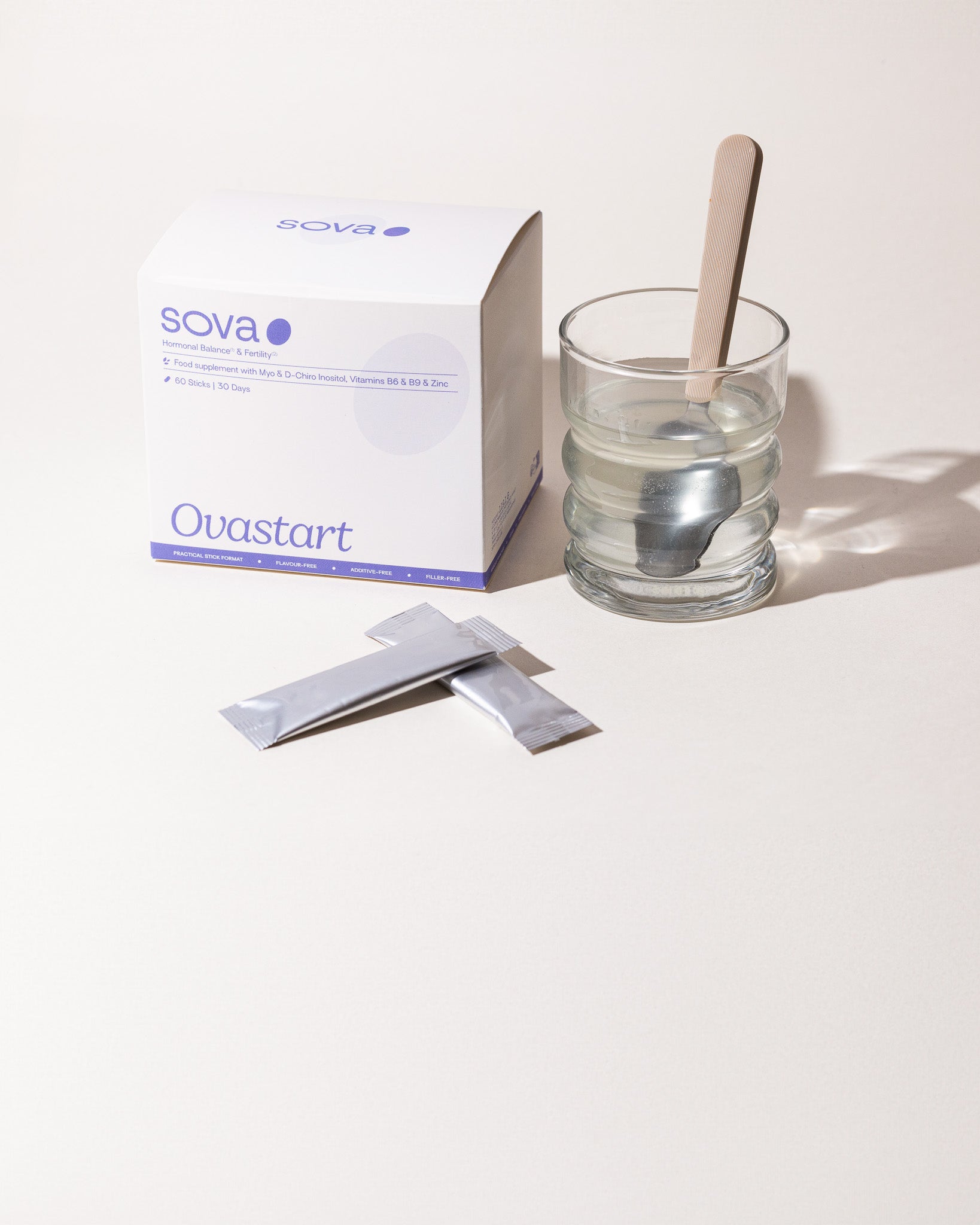
Ovastart supports insulin sensitivity and androgen balance for women with PCOS or cycle irregularity. Sugar Balance complements this approach for women with a metabolic component to their hormonal picture. Magnesium Bisglycinate supports cortisol regulation and the adrenal function that underpins the broader hormonal balance.
Making a Hair Supplement Routine Work
Consistency and realistic expectations are everything. Hair grows roughly one centimetre per month, and the follicle cycle means that even significant nutritional improvements take two to three months to translate into visible hair changes. Most women notice earlier signals - reduced shedding, improved scalp condition, better hair texture - within six to eight weeks. Density and length improvements follow at three to six months with consistent supplementation.
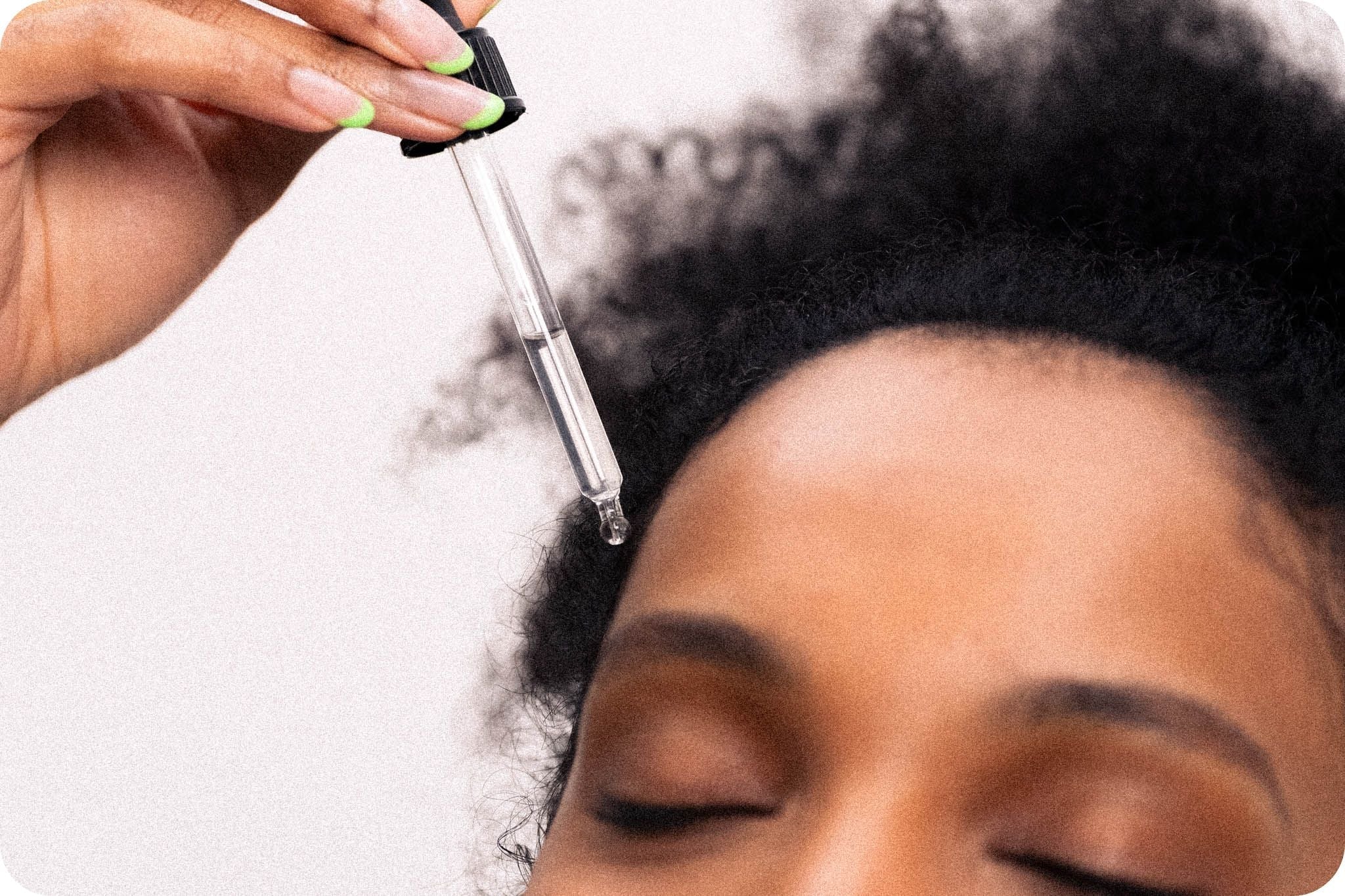
A few practical rules: take fat-soluble vitamins (D, E) with a meal containing some fat. Scalp massage for two to three minutes daily supports blood flow to the follicle. Prioritise sleep - cellular regeneration and growth hormone secretion happen overnight. If you suspect a vitamin D or iron deficiency, a blood test before supplementing lets you correct the dose accurately rather than guessing. And if hair loss has persisted for more than six months, or is accompanied by a visibly widening parting or frontal recession, a dermatologist specialising in trichology can identify the specific type of hair loss and recommend appropriate medical treatment alongside nutritional support.
Not sure which supplements are right for your hair and hormonal picture? SOVA's free diagnostic quiz can help you find the right starting point.
Sources
- Gerkowicz A et al. (2017). The role of vitamin D in non-scarring alopecia. International Journal of Molecular Sciences, 18(12), 2653. DOI: 10.3390/ijms18122653
- Almohanna HM et al. (2019). The role of vitamins and minerals in hair loss: a review. Dermatology and Therapy, 9(1), 51-70. DOI: 10.1007/s13555-018-0278-6
- Vincent M, Yogiraj K (2013). A descriptive study of alopecia patterns and their relation to thyroid dysfunction. International Journal of Trichology, 5(1), 57-60. DOI: 10.4103/0974-7753.114701
- Patel DP, Swink SM, Castelo-Soccio L (2017). A review of the use of biotin for hair loss. Skin Appendage Disorders, 3(3), 166-169. DOI: 10.1159/000462981
- Lengg N et al. (2007). Dietary supplement increases anagen hair rate in women with telogen effluvium: results of a double-blind, placebo-controlled trial. Therapy, 4(1), 59-65.