




Sugar Balance
Berberine Supplement UK - Blood Sugar, Insulin & Metabolic Support for Women with PCOS
From £26

The Balance Bundle
The Hormone Balance Supplements Built for PCOS - Two Products, One Complete System
From £53
Table of contents
- 01. When Should You See a PCOS Specialist? (The Turning Point)
- 02. Beyond the Basics: Understanding the Root Causes of PCOS
- 03. The Longer Picture: PCOS and Long-Term Health
- 04. A Multi-Disciplinary Approach to PCOS Treatment
- 05. Managing the 'Invisible' Symptoms of PCOS
- 06. The PCOS Weight Journey: Why It's Not About Willpower
- 07. Finding the Right PCOS Specialist for You
- 08. Frequently Asked Questions
- 09. Key Terms
PCOS Specialist: Expert Clinical Care & Hormonal Restoration
You have Googled your symptoms a hundred times. You have been told your blood tests are fine. You have been offered the pill and sent home. And yet, you still feel that something is off — in your body, your energy, your cycle, your skin, your mood. If that sounds familiar, you are not alone, and you are not imagining it.
Polycystic Ovary Syndrome — PCOS — is one of the most common hormonal conditions affecting women of reproductive age, estimated to affect between 8% and 13% of women worldwide [1]. Yet despite its prevalence, it remains one of the most misunderstood and under-addressed conditions in general medicine.
PCOS is not just a period issue. It is a complex endocrine disorder — meaning it involves your hormonal system at its core — with effects that ripple across your metabolism, your skin, your fertility, your mood and your long-term health. It deserves to be taken seriously, and it deserves specialist care.
This article is for women who are tired of being dismissed, who want to understand what is happening in their bodies, and who are ready to find a level of care that goes beyond the surface.
When Should You See a PCOS Specialist? (The Turning Point)
Many women with PCOS spend years cycling through appointments before ever reaching a specialist. This is entirely understandable — a GP is often the first and most accessible port of call, and for many women they provide genuinely useful initial support. But there are situations where deeper, specialised investigation can open doors that a busy general practice appointment cannot always reach.
It may be worth exploring specialist care if any of the following resonate with you:
• Your symptoms are multiple or overlapping: irregular or absent periods, persistent acne, excess facial or body hair, hair thinning on the scalp, unexplained weight changes, chronic fatigue, or mood disturbances that have not been adequately explained or relieved.
• Your blood tests came back "normal" but you still feel unwell: standard panels often miss the nuanced hormonal and metabolic markers that specialists look for — this is explored in detail below.
• You want to conceive and are finding it difficult: PCOS is the most common cause of anovulatory infertility, and targeted specialist support can make a meaningful difference for those who wish to conceive [2].
• You have been advised to try the pill or focus on weight without a deeper conversation about why: that advice may not have been wrong, but your situation may benefit from something more personalised and investigative.
• You have a family history of type 2 diabetes, cardiovascular disease, or PCOS itself: your metabolic risk profile may warrant closer and more proactive monitoring.
To help you understand the difference in the level of care, here is a practical overview:
|
Feature |
General Practitioner |
PCOS Specialist |
|
Diagnostic depth |
Standard blood tests; ultrasound if specifically requested |
Full hormonal panel, metabolic markers, AMH, HOMA-IR assessment |
|
Appointment length |
10–15 minutes on average |
30–60 minutes, with time for your full history |
|
Treatment philosophy |
Symptom suppression (pill, pain relief) |
Root-cause investigation and long-term hormonal restoration |
|
Specialised testing |
Rarely offered as routine |
Tailored testing: androgens, insulin, thyroid, adrenal function |
|
Fertility support |
Basic referral to fertility clinic |
Integrated ovulation induction and cycle management |
|
Lifestyle guidance |
General advice |
Personalised nutrition, supplementation and metabolic plans |
Beyond the Basics: Understanding the Root Causes of PCOS
One of the reasons women with PCOS so often feel let down by general medicine is that the condition operates at a level of depth that a short appointment and a standard blood panel cannot fully capture. To understand what a specialist can do for you, it helps to understand what is actually happening in your body.
The Insulin Resistance & Androgen Connection
At the heart of most PCOS presentations lies a self-reinforcing cycle. Insulin resistance — a state in which the body's cells become less responsive to insulin — is present in an estimated 50–70% of women with PCOS [3]. When cells resist insulin's effects, the pancreas compensates by producing more of it. These elevated insulin levels then act on the ovaries, stimulating them to produce more androgens (hormones like testosterone), which in turn worsen insulin resistance further.

Research published in Frontiers in Endocrinology confirms that insulin resistance and androgen excess form a bidirectional cycle that drives both the hormonal and metabolic features of PCOS [4]. This helps explain why symptoms such as acne, excess hair growth, irregular periods and difficulty managing weight so often appear together — they share a common root.
Crucially, this cycle can be present in women of all body types. Studies using precise measurement tools (euglycaemic-hyperinsulinaemic clamp studies) consistently show that lean women with PCOS can have the same degree of insulin resistance as women with higher BMI [3]. This is why body weight alone is not a reliable proxy for metabolic health in PCOS — and why telling someone to 'just lose weight' without investigating the underlying hormonal picture risks missing the point entirely.
To explore the insulin resistance and PCOS connection in more depth, our dedicated guide walks you through everything you need to know.
Why 'Normal' Blood Tests Don't Always Mean You're Fine
This is one of the most common frustrations shared by women with PCOS. A standard blood panel may check fasting glucose and a basic hormonal screen — but these tests were not designed to detect the subtler metabolic and hormonal imbalances at play in this condition.
A PCOS specialist works with a more precise toolkit: the HOMA-IR index to assess insulin resistance, the Free Androgen Index, AMH (anti-Müllerian hormone), and detailed hormonal profiling across the cycle. They also know what to rule out first.
An important note on differential diagnosis: before a PCOS diagnosis is confirmed, a specialist will rule out conditions that can mimic its symptoms — including thyroid dysfunction (hypothyroidism, Hashimoto's thyroiditis) and non-classical congenital adrenal hyperplasia (NC-CAH). This step is clinically essential and is rarely completed in a GP setting [1]. Knowing what you don't have is part of understanding what you do.
If you have been told your results look normal but you continue to experience symptoms, trust that. Your lived experience is data too. It may simply be that the right questions have not yet been asked.
The Longer Picture: PCOS and Long-Term Health
PCOS is often discussed as a condition of the reproductive years — but its metabolic implications extend across the lifespan. Understanding these longer-term risks is not about alarm; it is about having the information you need to make empowered choices about your care.
Women with PCOS face a meaningfully higher risk of developing type 2 diabetes — with some studies suggesting a 2–4 times greater lifetime risk compared to women without the condition [5]. The risk of cardiovascular disease, including elevated cholesterol, hypertension and metabolic syndrome, is also increased, driven largely by the insulin resistance that underpins the condition.
There is also an elevated risk of endometrial (uterine) cancer in women with PCOS who experience prolonged anovulation, because the endometrium is not regularly shed and can over-proliferate under unopposed oestrogen. This is one of the reasons that managing cycle regularity — not only for fertility, but for long-term health — is an important part of specialist care [5].
None of these risks are inevitable, and many can be significantly reduced with appropriate management. But they are strong reasons why PCOS deserves specialist attention, not just symptom suppression — and why regular metabolic monitoring is a meaningful part of long-term PCOS care.
A Multi-Disciplinary Approach to PCOS Treatment
What sets a PCOS specialist apart is not only a more detailed diagnosis — it is a fundamentally different treatment philosophy. Rather than suppressing individual symptoms, the goal is to understand the hormonal and metabolic patterns driving them, and to address those patterns in a targeted, sustainable way.
Advanced Diagnostic Testing (Metabolic & Hormonal)
A specialist consultation typically begins with a thorough clinical history, followed by comprehensive testing. Depending on your symptoms and presentation, this may include:
• Full hormonal panel: LH, FSH, oestradiol, testosterone, DHEA-S, SHBG, prolactin, thyroid function
• Metabolic screening: fasting insulin, glucose tolerance testing, HOMA-IR, HbA1c
• AMH (anti-Müllerian hormone), which helps characterise ovarian function and PCOS phenotype
• Pelvic ultrasound to assess ovarian morphology
• Adrenal function tests and thyroid antibodies where clinically indicated
This precision approach means treatment decisions are built around your individual biology — not a one-size-fits-all protocol.
Precision Medicine: Metformin, Inositol, and Beyond
Evidence-based PCOS management often involves insulin-sensitising strategies. Metformin, originally developed for type 2 diabetes, is widely used in PCOS to improve insulin sensitivity and reduce androgen levels. It is particularly relevant for women with significant insulin resistance and metabolic features.
Inositol — particularly myo-inositol and D-chiro-inositol — has been studied as a nutritional approach to insulin sensitisation. A 2024 systematic review and meta-analysis in The Journal of Clinical Endocrinology & Metabolism, which informed the 2023 international evidence-based PCOS guidelines, found early evidence of benefits for certain metabolic measures, with myo-inositol generally better tolerated than metformin in terms of digestive side effects [6]. It is worth noting that the authors describe the overall evidence as still developing — clinicians and patients are encouraged to discuss its use in the context of individual needs and preferences.

Other specialist interventions may include anti-androgen medications, hormonal therapies tailored to your reproductive goals, and emerging approaches such as GLP-1 receptor agonists for women with significant metabolic involvement — a rapidly evolving area of research.
Fertility Restoration & Ovulation Induction
PCOS is responsible for approximately 80% of anovulatory infertility cases [2] — situations where conception is difficult because ovulation is irregular or absent. A specialist with expertise in reproductive endocrinology can help identify the hormonal barriers to regular ovulation and support a path towards regular cycles, whether your goal is natural conception or assisted reproduction.
A path to explore early is weight management support if relevant: even a 5% reduction in body weight in women with PCOS and overweight has been shown to improve spontaneous ovulation rates in research reviewed by the 2023 International PCOS Guideline [1]. Medications that support ovulation, such as letrozole (now recommended as first-line over clomiphene in the 2023 guideline), may be offered where appropriate. For more complex presentations, IVF with specialist PCOS protocols may be considered.
If you want to understand what pregnancy with PCOS can look like — from conception through to the risks worth knowing about — our article on pregnancy and PCOS is a helpful next step.
Managing the 'Invisible' Symptoms of PCOS
PCOS does not just affect your hormones on paper. It shows up in your skin, your hair, your sleep, your energy and your emotional wellbeing — in ways that can quietly erode quality of life, often without those around you (or even your doctor) fully understanding why.
Hirsutism and PCOS-Related Hair Changes
Excess facial or body hair (hirsutism) and scalp hair thinning (androgenic alopecia) are among the most distressing symptoms for many women with PCOS — and both are driven by the same mechanism: elevated androgen activity at the level of the hair follicle.
Effective management begins with addressing the underlying hormonal imbalance rather than the hair itself. Anti-androgen treatment can slow further hair growth and, for some women, may support partial improvement in scalp hair over time — though response is individual and results take months to emerge. A specialist can assess which approach is appropriate based on your specific androgen profile, rather than a generic cosmetic recommendation.
Sleep and PCOS: The Overlooked Connection
Sleep disruption is significantly more common in women with PCOS than in the general population. Obstructive sleep apnoea (OSA) — a condition where breathing repeatedly pauses during sleep — is estimated to be 2–3 times more prevalent in women with PCOS than in BMI-matched controls, and is itself a driver of insulin resistance [7]. Many women with PCOS and OSA are undiagnosed, because OSA is historically under-recognised in women.
If you experience unexplained fatigue, morning headaches, unrefreshing sleep or are a loud snorer, it may be worth raising this with your specialist. Treating OSA where present can have a meaningful impact on insulin sensitivity and overall energy.
The Link Between Hormones and PCOS Mood
The psychological burden of PCOS is significant and deeply underappreciated. A 2023 meta-analysis found that women with PCOS had a risk of depression more than 2.5 times higher than in women without the condition [8]. A separate overview of systematic reviews published in Archives of Women's Mental Health in 2024 found anxiety symptoms to be highly prevalent — with rates varying between 32% and 69% depending on the scale used [9].
These are not simply emotional reactions to having a difficult condition — though that response would be entirely understandable. Hormonal imbalances themselves, along with the chronic low-grade inflammation that is increasingly recognised as part of PCOS pathophysiology, may contribute to disruptions in neurotransmitter regulation and mood. The relationship is biological, not just psychological.
A specialist who understands PCOS will screen for these symptoms, take them seriously, and can recommend appropriate support — whether through hormonal management, nutritional strategies, or referral to a mental health professional.
|
Checklist: Preparing for Your First PCOS Specialist Appointment 💜 • 3-month cycle history: Note the length of your cycles, heaviness of bleeding, any spotting, pain levels and any patterns you have observed. • Current supplements and medications: Include everything — prescription, over-the-counter and natural products. • Symptom log: Track energy levels, sleep quality, skin and hair changes, mood patterns and anything else that feels relevant, over 4–6 weeks. • Your health goals: Whether that is regulating your cycle, improving fertility, managing weight, or addressing skin symptoms — the clearer you can be, the better your specialist can tailor their approach. • Previous test results: Bring any blood test results, ultrasound reports or GP letters you have — even if you were told they were normal. They provide important context. |
The PCOS Weight Journey: Why It's Not About Willpower
If you have PCOS and have tried to manage your weight — changing your diet, exercising, following every piece of advice — and still found it extraordinarily difficult, please hear this clearly: this is not a failure of willpower.
PCOS creates a genuine physiological challenge to weight management. Insulin resistance means your body processes carbohydrates and manages energy storage differently. Elevated androgens promote fat accumulation around the abdomen. Research also suggests disruptions to hunger-regulating hormones — including leptin and ghrelin — that can alter satiety signals in ways that make conventional dieting approaches genuinely less effective for many women with PCOS [10].
Research published in the journal Current Obesity Reports confirms that standard weight management strategies show limited effectiveness for reducing metabolic morbidity in women with PCOS compared to the general population, and that addressing the hormonal environment is often a meaningful part of achieving sustainable change [11].
Effective weight support in PCOS is not about trying harder. A path to explore is working with the hormonal and metabolic factors that have been working against you — through targeted nutrition approaches (such as low glycaemic index eating patterns), insulin-sensitising support where appropriate, and physical activity that prioritises metabolic health. When the hormonal environment is better supported, many women find that weight management becomes more achievable in a way that feels meaningfully different from previous experiences.

Finding the Right PCOS Specialist for You
Not all specialists are the same, and finding someone who is the right fit for your needs matters. Here is an overview of the key specialist types and what each tends to offer:
• Reproductive endocrinologist: Widely considered the gold standard for complex PCOS, particularly if fertility is a concern. These specialists have advanced training in both hormonal health and reproductive medicine.
• Gynaecologist with a hormonal sub-specialty: An excellent choice for cycle management, skin and hair symptoms, and hormonal balance.
• Endocrinologist: Particularly well-suited when the presentation is primarily metabolic — significant insulin resistance, weight management challenges, or elevated cardiovascular risk markers.
• Integrative or functional medicine practitioner with PCOS expertise: Can be a valuable complement to conventional care, with a strong focus on lifestyle, nutrition and supplementation.
In a good specialist consultation, you should expect a thorough clinical history, comprehensive testing, clear explanation of findings, and a personalised treatment plan. You should feel heard, not hurried. If that is not your experience, seeking a second opinion is entirely reasonable.
Frequently Asked Questions
What kind of doctor is best for PCOS?
The best doctor for PCOS is typically a reproductive endocrinologist or a gynaecologist with a sub-specialty in hormonal health. Because PCOS is a complex endocrine disorder, a specialist who understands the interplay between insulin, androgens, ovulation and long-term metabolic health is essential. If your presentation is primarily metabolic — such as significant insulin resistance or cardiovascular risk markers — an endocrinologist may also be an excellent choice.
What specialist treats PCOS?
PCOS is primarily managed by a gynaecologist or an endocrinologist. While a GP provides important first-line care, a specialist is typically needed for tailored hormonal therapy, metabolic management and advanced fertility support. Depending on your presentation, you may benefit from a multidisciplinary approach that includes a dietitian, a mental health professional and, where relevant, a dermatologist.
What is a PCOS flare-up like?
PCOS symptoms can intensify at certain times — after stopping the contraceptive pill, during extended periods of stress, after significant dietary or lifestyle changes, or at certain life stages. A flare does not necessarily mean your condition is permanently worsening, but it is a signal worth paying attention to.
|
The 'Am I Experiencing a PCOS Flare?' Checklist • Sudden skin changes: Rapid onset of cystic acne, particularly on the chin, jawline or lower cheeks. • Abdominal bloating: Acute lower abdominal heaviness or bloating that feels different from your usual pattern. • Mental fog: Pronounced difficulty concentrating, brain fog, or a mid-afternoon energy drop that is more intense than usual. • Mood shift: Increased irritability, anxiety or low mood that feels disproportionate to external circumstances. • Cycle changes: Sudden irregularity, longer cycles, or a missed period where this is unusual for you. • Hair and skin changes: Increased hair shedding, scalp oiliness or facial hair changes that arrive more suddenly than usual. |
|
Key Takeaways: What a PCOS Specialist Can Offer You 💜 • PCOS is a complex endocrine disorder — not just a period problem. Its effects reach across your metabolism, skin, mood, fertility and long-term health. • A PCOS specialist offers comprehensive testing and root-cause investigation that standard appointments cannot always replicate, including ruling out conditions that look like PCOS. • Insulin resistance and androgen excess are at the heart of most PCOS presentations — and are frequently missed by standard blood panels. • PCOS carries meaningful long-term health considerations, including metabolic and cardiovascular risk, which are best managed with specialist oversight. • Symptoms like depression, anxiety, sleep disruption and weight challenges in PCOS have physiological roots — they are not personal failings. • Evidence-based options including inositol, metformin, lifestyle support and targeted hormonal therapy can make a genuine difference when applied to your individual picture. • You deserve to be heard, investigated properly, and offered a plan that is built around you. |
At Sova, we are here to support you through your hormonal journey and help you live better with PCOS, through natural and tailored solutions. If you are looking to support your hormonal balance from within, explore our range designed with your needs in mind.
→ Find the right supplement for you
Key Terms
PCOS (Polycystic Ovary Syndrome): A complex hormonal and metabolic disorder characterised by some combination of irregular cycles, elevated androgens, and/or polycystic ovarian morphology on ultrasound. Symptoms and severity vary widely between individuals.
Insulin resistance: A state in which the body's cells respond less effectively to insulin, leading to elevated circulating insulin levels that can stimulate androgen production in the ovaries and drive many of PCOS's symptoms.
Androgens: Hormones including testosterone and DHEA-S. Present in all women, but elevated levels in PCOS contribute to symptoms such as acne, excess hair growth and scalp hair thinning.
HOMA-IR: A formula used to estimate the degree of insulin resistance from fasting glucose and insulin levels. Frequently used by PCOS specialists but not included in standard GP panels.
Reproductive endocrinologist: A specialist with advanced training in hormonal health and reproductive medicine, widely considered the gold standard for complex PCOS management.
Myo-inositol: A naturally occurring compound involved in insulin signalling and FSH-mediated ovarian pathways. Used as a nutritional support strategy in PCOS management, with growing research interest.
AMH (Anti-Müllerian Hormone): A hormone produced by ovarian follicles. Elevated levels are commonly associated with PCOS and help specialists characterise ovarian function and phenotype.
Anovulation: The absence of ovulation in a given cycle. A key driver of irregular periods and the most common cause of PCOS-related fertility challenges.
Differential diagnosis: The clinical process of systematically ruling out other conditions that may produce similar symptoms. In PCOS, this includes thyroid disorders and non-classical congenital adrenal hyperplasia (NC-CAH).
Scientific References
Over 50,000 women have already adopted our routines, rating us an excellent 4.7/5 average (from 3,300+ reviews). Our supplements are formulated in French laboratories using clean, carefully sourced ingredients, with a maximum of patented active ingredients proven for their effectiveness.
- Founded by women with PCOS, we understand the reality of hormonal disorders.
- Clinically studied: High-quality ingredients, including patented forms like Quatrefolic® and an optimal Myo-/D-Chiro Inositol ratio.
- Holistic support: Formulated for hormonal balance, metabolic health, inflammation, mood, and cycle regulation.
- Science-led formulas: Transparent ingredients with absolutely no unnecessary additives.


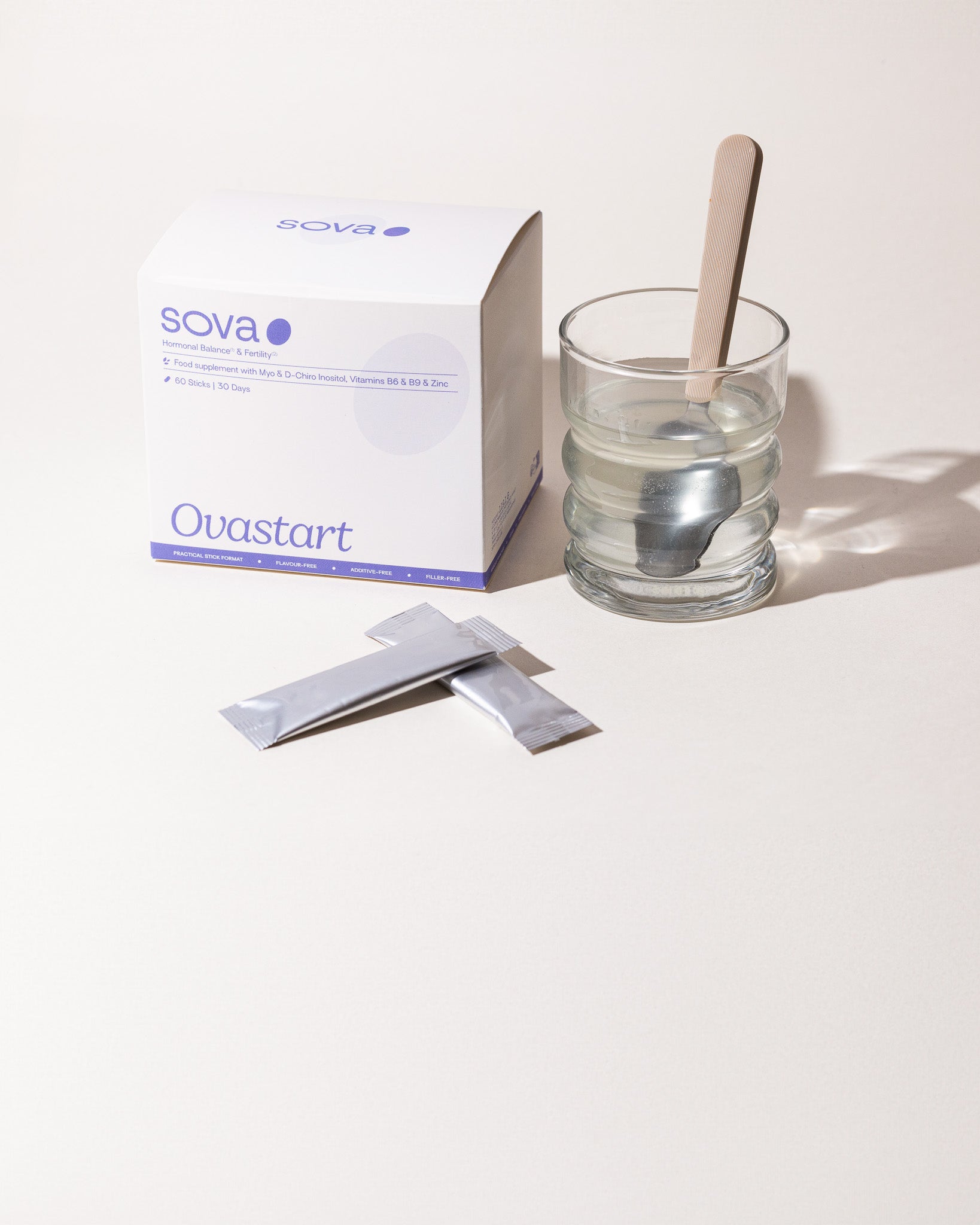
Berberine Supplement UK - Blood Sugar, Insulin & Metabolic Support for Women with PCOS
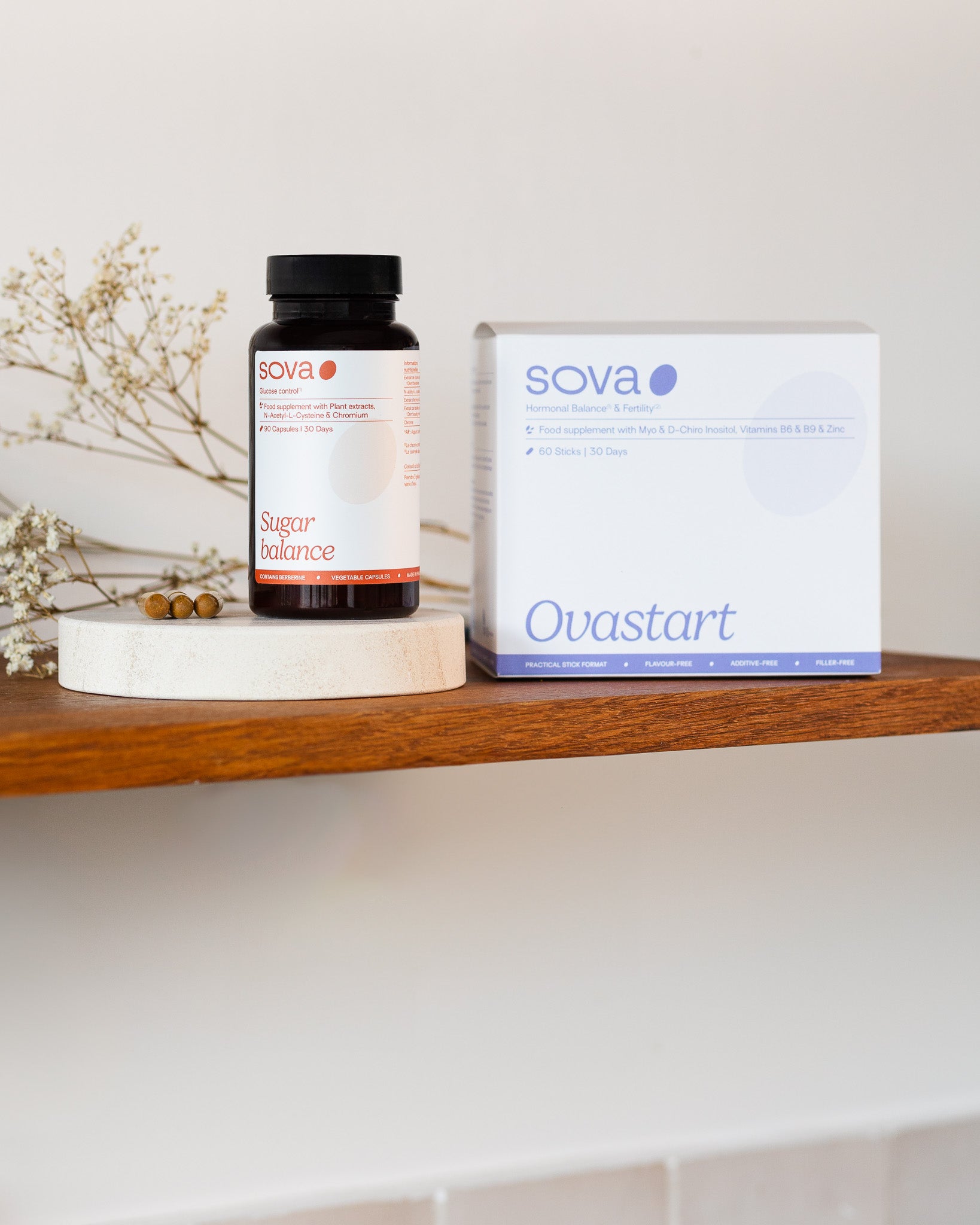
The Hormone Balance Supplements Built for PCOS - Two Products, One Complete System