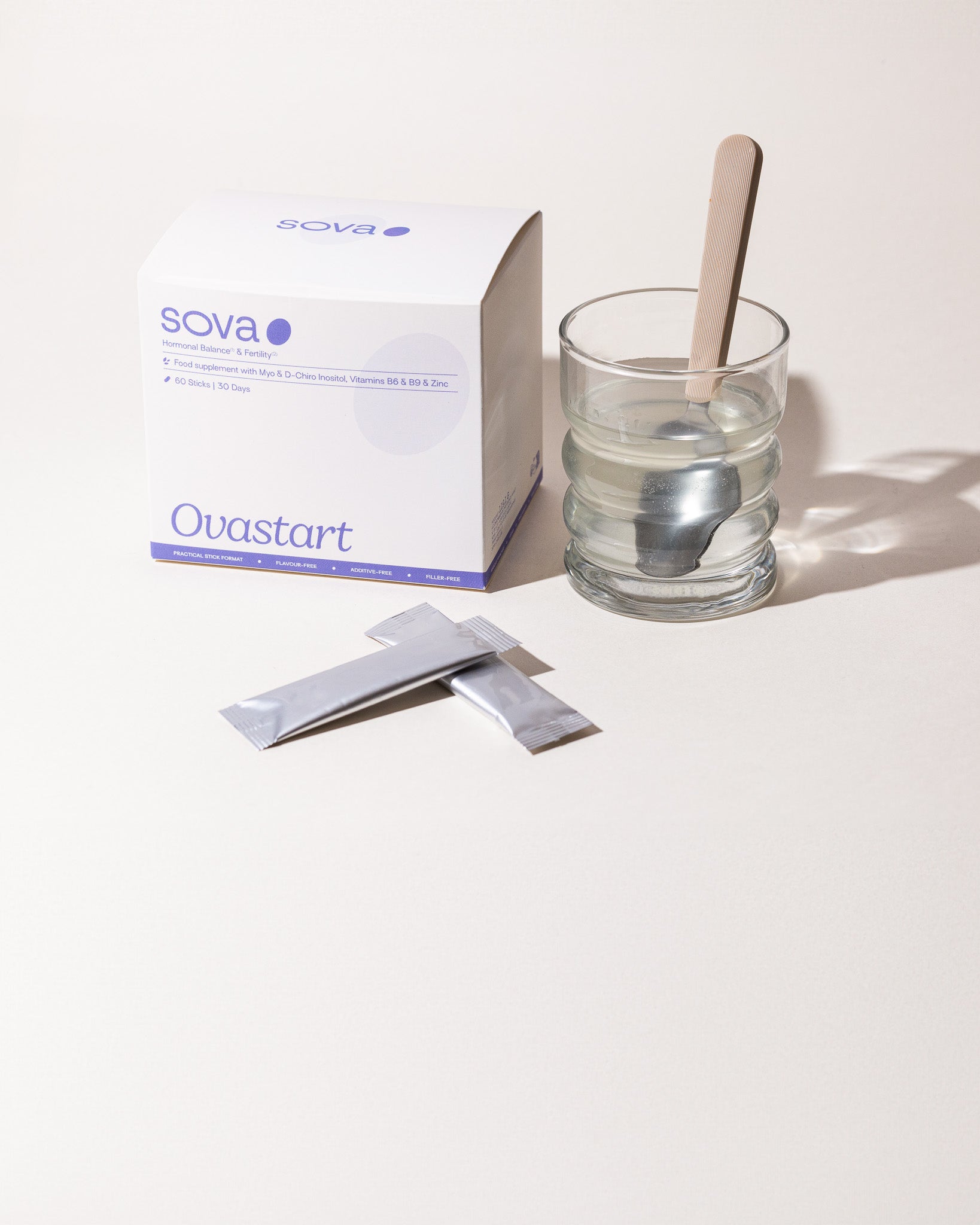



The Balance Bundle
The Hormone Balance Supplements Designed for PCOS - Two Products, One Complete System
From £53

Sugar Balance
Berberine Supplement UK - Blood Sugar, Insulin & Metabolic Support for Women with PCOS
From £26
Table of contents
Struggling with both PCOS and low thyroid? Here's how these two conditions interact, the overlapping symptoms to watch for, and exactly what to ask your doctor next.
If you've spent months chasing an explanation for relentless fatigue, weight that won't budge no matter what you cut, brain fog thick enough to derail your workday, and a cycle that's stopped following any predictable pattern, you're not imagining that something bigger is going on. When PCOS (polycystic ovary syndrome) and low thyroid function show up together, they don't just coexist - they actively feed off each other, making each condition harder to manage and easier for a routine screening to miss.
PCOS is a hormonal condition marked by excess androgens, insulin resistance, and irregular ovulation. Hypothyroidism, or low thyroid, happens when your thyroid gland can't produce enough T3 and T4 to keep your metabolism, temperature regulation, and reproductive hormones balanced. This guide is your roadmap: the real science connecting these two conditions, how to tell their overlapping symptoms apart, the exact lab tests worth requesting, and a treatment approach built to address both at once.
Are PCOS and Hypothyroidism Connected? The Science Explained
How Thyroid Hormones Directly Impact Ovarian Function
Your thyroid hormones do more than control your metabolism — they directly influence how much active androgen circulates in your bloodstream. The liver produces sex hormone-binding globulin (SHBG), a protein that binds to testosterone and keeps most of it inactive. Healthy thyroid hormone levels support normal SHBG production.[4]
When thyroid hormone drops, so does SHBG. With less SHBG available to bind testosterone, more free androgen circulates unbound and biologically active. For someone who already has PCOS, this is a direct amplifier: it can intensify hirsutism (excess facial or body hair), worsen cystic acne, and make androgen-driven scalp thinning more pronounced. Untreated low thyroid doesn't just add separate symptoms — it can turn up the volume on the PCOS symptoms you already have.
The Role of Insulin Resistance in Both Conditions
Insulin resistance sits at the center of both conditions, and that overlap compounds everything. In PCOS, insulin resistance pushes the ovaries to produce more testosterone, worsening the androgen-driven symptoms above. In hypothyroidism, low thyroid hormone slows cellular glucose uptake, reducing how efficiently your cells respond to insulin in the first place.[5]
When both are in play, the effect isn't additive — it's compounding. Blood sugar swings become harder to stabilize, weight gain around the abdomen becomes more resistant to diet and exercise, systemic inflammation rises, and the fatigue that already comes with each condition individually becomes more severe and harder to shake.
Chronic stress adds another layer to this metabolic picture. Sustained cortisol elevation is thought to shift T4 metabolism toward reverse T3 rather than active T3 - in effect diverting thyroid hormone into an inactive form during periods your body reads as "under threat" rather than safe. The clinical significance of this pathway is still debated among researchers, but it offers one plausible explanation for why chronic stress can make both PCOS and hypothyroidism symptoms feel worse, independent of diet or medication changes.
Autoimmunity: Hashimoto's and PCOS Common Connections
Most low thyroid cases in women with PCOS trace back to Hashimoto's thyroiditis, an autoimmune condition where the immune system gradually attacks the thyroid gland. Research shows women with PCOS have a 3 to 4 times higher prevalence of Hashimoto's compared to the general population.[2][3]
The likely link is shared immune dysregulation: chronic low-grade inflammation, already elevated in PCOS, appears to increase the likelihood that the immune system begins targeting thyroid tissue. This is why an autoimmune thyroid panel — not just a standard TSH — matters so much for anyone with PCOS who is developing new or worsening fatigue, weight gain, or hair loss.
Can PCOS cause low thyroid function?
No, PCOS does not directly cause hypothyroidism, but the two conditions frequently occur together. Women with PCOS are three to four times more likely to develop low thyroid function—most commonly due to Hashimoto's thyroiditis, an autoimmune condition. While one does not directly cause the other, shared root causes like chronic inflammation and insulin resistance can worsen both conditions simultaneously.
This is why a PCOS diagnosis alone should never be the end of your workup. If you have PCOS and are noticing new fatigue, cold intolerance, or hair thinning, you may want to discuss a full thyroid antibody panel with your healthcare provider to get a complete picture beyond a standard TSH.
PCOS vs. Low Thyroid: Overlapping Symptoms Breakdown
Because PCOS and hypothyroidism share so many surface-level symptoms — fatigue, weight changes, mood shifts, cycle irregularities — it's easy for either condition to hide behind the other on a symptom checklist alone, and just as easy for a rushed appointment to pin everything on a single diagnosis. The table below breaks down where the two conditions overlap and where each shows its own distinct fingerprint, so you know exactly what to flag for your doctor.
| Symptom / Feature | PCOS | Hypothyroidism |
|---|---|---|
| Primary Cause | High Androgens / Insulin Resistance | Low Thyroid Hormone (T3/T4) / Autoimmunity |
| Weight Impact | Weight loss resistance / Abdominal fat | General weight gain / Fluid retention & slow metabolism |
| Hair Changes | Scalp thinning + Excess facial/body hair | Overall hair thinning + Outer eyebrow thinning |
| Skin Signs | Severe cystic acne, oily skin, acanthosis | Dry, pale, rough, or cool skin |
| Temperature | Normal temperature or hot flashes | Extreme cold intolerance (cold hands/feet) |
| Digestion | Bloating / IBS-like symptoms | Severe, chronic constipation |
| Menstrual Cycle | Irregular, prolonged, or absent (anovulation) | Heavy, frequent periods or absent periods |
Shared Symptoms (Fatigue, Weight Gain, Irregular Periods)
Fatigue and weight loss resistance are the two complaints that bring most women into this overlap, and for good reason. When thyroid deficiency slows your metabolism at the same time PCOS-driven insulin resistance and elevated androgens raise fat storage and blunt energy production, the two effects stack rather than simply add up — which is why the exhaustion can feel disproportionate to how much sleep you're actually getting.
Menstrual irregularity follows the same pattern. Low thyroid hormone can disrupt the signaling between your brain and ovaries on its own, while PCOS already interferes with regular ovulation. Left unmanaged together, cycles can become unpredictable, prolonged, or stop altogether, making it harder to pinpoint which condition is driving which symptom without lab confirmation.
Unique Indicators of Hypothyroidism vs. PCOS
Some symptoms point clearly in one direction. Cold intolerance — persistently cold hands and feet even in warm rooms — along with chronic constipation, dry or rough skin, and thinning of the outer third of your eyebrows are classic hypothyroid signs rarely explained by PCOS alone.
On the PCOS side, hirsutism (coarse hair growth on the chin, jawline, or chest), cystic acne along the jawline, and acanthosis nigricans (dark, velvety patches of skin, often at the neck or underarms) point to excess androgens and insulin resistance rather than thyroid dysfunction. Tracking which of these distinct signs you have, alongside the shared symptoms, gives your doctor a far clearer diagnostic picture than fatigue or weight gain alone.
How do I know if I have PCOS or hypothyroidism?
You can distinguish between PCOS and hypothyroidism by evaluating key symptom differences and confirming them with targeted blood work:
- PCOS Indicators: Hirsutism, cystic acne, male-pattern hair loss, polycystic ovaries on ultrasound.
- Hypothyroidism Indicators: Cold intolerance, outer eyebrow thinning, chronic constipation, dry skin.
- Shared Indicators: Weight gain, brain fog, fatigue, cycle irregularities.
Confirm diagnosis via TSH and Free T3/T4 for thyroid, and Free Testosterone, Fasting Insulin, and LH/FSH ratios for PCOS.[1]
Symptom tracking is a useful starting point, but it isn't a diagnosis — lab work is the only way to confirm what's actually driving what you're feeling.
Essential Diagnostic Tests to Ask Your Doctor For
Getting an accurate diagnosis starts with requesting the right labs, not just the standard panel most doctors default to during a routine visit. Many women with both conditions cycle through months of "normal" results before someone finally orders the full picture. Here's exactly what to ask for, and why each marker matters.
Full Thyroid Panel (Beyond Just TSH)
Most standard checkups stop at TSH (thyroid-stimulating hormone), but TSH alone misses a significant number of thyroid problems. Subclinical hypothyroidism, where TSH is borderline but symptoms are already present, and early-stage Hashimoto's disease can both slip through a TSH-only screen undetected, sometimes for years.[10]
A full thyroid panel that adds Free T4, Free T3, Reverse T3, and thyroid antibodies (TPOAb and TgAb) gives a complete picture: how much thyroid hormone your body makes, how well it converts to the active form, and whether autoimmunity is the underlying driver. If you have PCOS and your TSH came back "normal" but your symptoms haven't improved, this expanded panel is the next step to request.
Key Hormones and Metabolic Markers for PCOS
When it comes to PCOS, fasting insulin tells a far more complete story than fasting blood glucose alone. Blood glucose can stay in a normal range for years while insulin resistance quietly builds in the background, meaning a "normal" glucose reading doesn't rule out the metabolic dysfunction driving your PCOS symptoms.[1]
Alongside fasting insulin, free and total testosterone, DHEA-S, and the LH/FSH ratio round out the picture of what's driving excess androgen production and disrupted ovulation. Together with HbA1c, these markers catch insulin resistance and hormonal imbalance far earlier than a standard metabolic panel would on its own.
Which hormone is too high in PCOS?
The primary hormones elevated in PCOS are androgens (male sex hormones), specifically testosterone and DHEA-S. Key hormonal elevations include:
- Androgens (Testosterone & DHEA-S): Drives acne, facial hair growth, and prevents ovulation.
- Fasting Insulin: High insulin signals ovaries to produce excess testosterone.
- Luteinizing Hormone (LH): Elevated relative to FSH, disrupting ovulation.
- Estrogen (Relative): Lack of ovulation leads to low progesterone, resulting in relative estrogen dominance.
These markers rarely move in isolation, which is why a complete panel, not a single test, is what actually confirms a PCOS diagnosis.
📋 Diagnostic Lab Request Checklist (Bring to Your Doctor)
Part A: Full Thyroid Panel
- TSH (Thyroid-Stimulating Hormone) – Standard baseline test.
- Free T4 & Free T3 – Measures circulating inactive and active thyroid hormones.
- Reverse T3 – Reflects how much T4 is being shunted into an inactive pathway instead of converted to active T3.
- TPOAb & TgAb (Thyroid Antibodies) – Essential to rule out autoimmune Hashimoto's.
Part B: PCOS & Metabolic Panel
- Fasting Insulin & HbA1c – Detects underlying insulin resistance accurately.
- Free & Total Testosterone – Key androgen markers driving PCOS symptoms.
- DHEA-S – Evaluates adrenal androgen production.
- LH & FSH Ratio – Evaluates pituitary signaling driving ovarian health.
- Vitamin D3 & Lipid Panel – Essential co-factors for hormone synthesis.
Integrated Management: Treating Low Thyroid and PCOS Together
Targeted Diet and Lifestyle Modifications
Blood sugar stability is the foundation for managing both conditions at once. Prioritizing protein and fiber at every meal, pairing carbohydrates with fat or protein, and minimizing refined sugar all reduce the insulin spikes that worsen PCOS androgen production and blunt thyroid function.
An anti-inflammatory eating pattern, rich in vegetables, omega-3s, and whole foods and light on processed ingredients, helps address the chronic inflammation linking both conditions. Cortisol management matters too: chronically elevated stress hormones suppress thyroid conversion and worsen insulin resistance, so consistent sleep and stress-reduction practices aren't optional extras — they're part of the treatment plan.
Medication and Supplement Considerations
For diagnosed hypothyroidism, levothyroxine (synthetic T4) is the standard first-line treatment, replacing what your thyroid can't produce on its own. For PCOS-related insulin resistance, metformin is commonly prescribed to improve how your cells respond to insulin, which can also help regulate ovulation.
Alongside medication, several supplements have evidence behind them for supporting both conditions: inositol (particularly myo-inositol) for insulin sensitivity and ovulatory function,[7] selenium and zinc to support T4-to-T3 conversion,[8] and vitamin D, which is frequently low in both PCOS and hypothyroidism and plays a role in hormone regulation. None of these replace prescribed treatment — they work alongside it, and any new supplement should be reviewed with your doctor first.
How is an underactive thyroid treated?
An underactive thyroid (hypothyroidism) is primarily treated with daily prescription hormone replacement therapy and ongoing monitoring:
- Daily Levothyroxine: Levothyroxine (synthetic T4) is generally prescribed once daily by mouth.
- Proper Timing: It's typically taken in the morning on an empty stomach with water, 30 to 60 minutes before eating or drinking.
- Avoid Nutrient Blockers: It's recommended to space out calcium, iron, or antacid supplements by at least 4 hours from thyroid medication.
- Regular Testing: TSH levels are typically checked every 6–8 weeks until stable, then annually.
Consistency with timing matters as much as the dose itself — taking levothyroxine at different times or too close to food can affect how much your body actually absorbs.
How to balance thyroid naturally?
While natural habits cannot replace prescribed hormone therapy for diagnosed hypothyroidism, you can support overall thyroid health through key lifestyle habits:
- Eat Key Nutrients: Consume adequate selenium (Brazil nuts), zinc (pumpkin seeds), and iron to support T4 to T3 conversion.
- Manage Stress & Cortisol: High cortisol suppresses thyroid function; practice daily stress reduction.
- Optimize Sleep: Aim for 7 to 9 hours of quality sleep nightly to regulate endocrine rhythms.
- Support Gut Health: A healthy gut microbiome reduces systemic inflammation and improves nutrient absorption.
Think of these habits as support for your treatment plan, not a substitute for it, especially if labs confirm you need medication.
- PCOS (Polycystic Ovary Syndrome): A hormonal condition involving excess androgens, irregular ovulation, and often insulin resistance. = PCOS (Polycystic Ovary Syndrome): A hormonal condition involving excess androgens, irregular ovulation, and often insulin resistance.
- Hypothyroidism (Low Thyroid): A condition in which the thyroid gland doesn't produce enough T3 and T4 hormone to support normal metabolism. = Hypothyroidism (Low Thyroid): A condition in which the thyroid gland doesn't produce enough T3 and T4 hormone to support normal metabolism.
- Hashimoto's Thyroiditis: An autoimmune condition in which the immune system attacks the thyroid gland; the most common cause of hypothyroidism. = Hashimoto's Thyroiditis: An autoimmune condition in which the immune system attacks the thyroid gland; the most common cause of hypothyroidism.
- TSH (Thyroid-Stimulating Hormone): A pituitary hormone that signals the thyroid to produce T3 and T4; the standard first-line thyroid screening test. = TSH (Thyroid-Stimulating Hormone): A pituitary hormone that signals the thyroid to produce T3 and T4; the standard first-line thyroid screening test.
- Free T3 / Free T4: The unbound, biologically active forms of thyroid hormone circulating in the blood. = Free T3 / Free T4: The unbound, biologically active forms of thyroid hormone circulating in the blood.
- Reverse T3 (rT3): An inactive metabolite produced when T4 is deiodinated along a different pathway than the one that makes active T3. Rising rT3 reflects how the body is metabolizing thyroid hormone during illness, stress, or under-eating; whether it also acts as a direct "blocker" at T3 receptors is a more debated point in the research. = Reverse T3 (rT3): An inactive metabolite produced when T4 is deiodinated along a different pathway than the one that makes active T3. Rising rT3 reflects how the body is metabolizing thyroid hormone during illness, stress, or under-eating; whether it also acts as a direct "blocker" at T3 receptors is a more debated point in the research.
- TPOAb & TgAb (Thyroid Antibodies): Antibodies against thyroid peroxidase and thyroglobulin; elevated levels indicate autoimmune thyroid disease such as Hashimoto's. = TPOAb & TgAb (Thyroid Antibodies): Antibodies against thyroid peroxidase and thyroglobulin; elevated levels indicate autoimmune thyroid disease such as Hashimoto's.
- SHBG (Sex Hormone-Binding Globulin): A protein made by the liver that binds testosterone, controlling how much circulates in a biologically active, "free" form. = SHBG (Sex Hormone-Binding Globulin): A protein made by the liver that binds testosterone, controlling how much circulates in a biologically active, "free" form.
- Free Androgen: The portion of testosterone not bound to SHBG and therefore active in tissues, driving symptoms like acne and hirsutism. = Free Androgen: The portion of testosterone not bound to SHBG and therefore active in tissues, driving symptoms like acne and hirsutism.
Scientific References
Over 50,000 women have already adopted our routines, rating us an excellent 4.7/5 average (from 3,300+ reviews). Our supplements are formulated in French laboratories using clean, carefully sourced ingredients, with a maximum of patented active ingredients proven for their effectiveness.
- Founded by women with PCOS, we understand the reality of hormonal disorders.
- Clinically studied: High-quality ingredients, including patented forms like Quatrefolic® and an optimal Myo-/D-Chiro Inositol ratio.
- Holistic support: Formulated for hormonal balance, metabolic health, inflammation, mood, and cycle regulation.
- Science-led formulas: Transparent ingredients with absolutely no unnecessary additives.
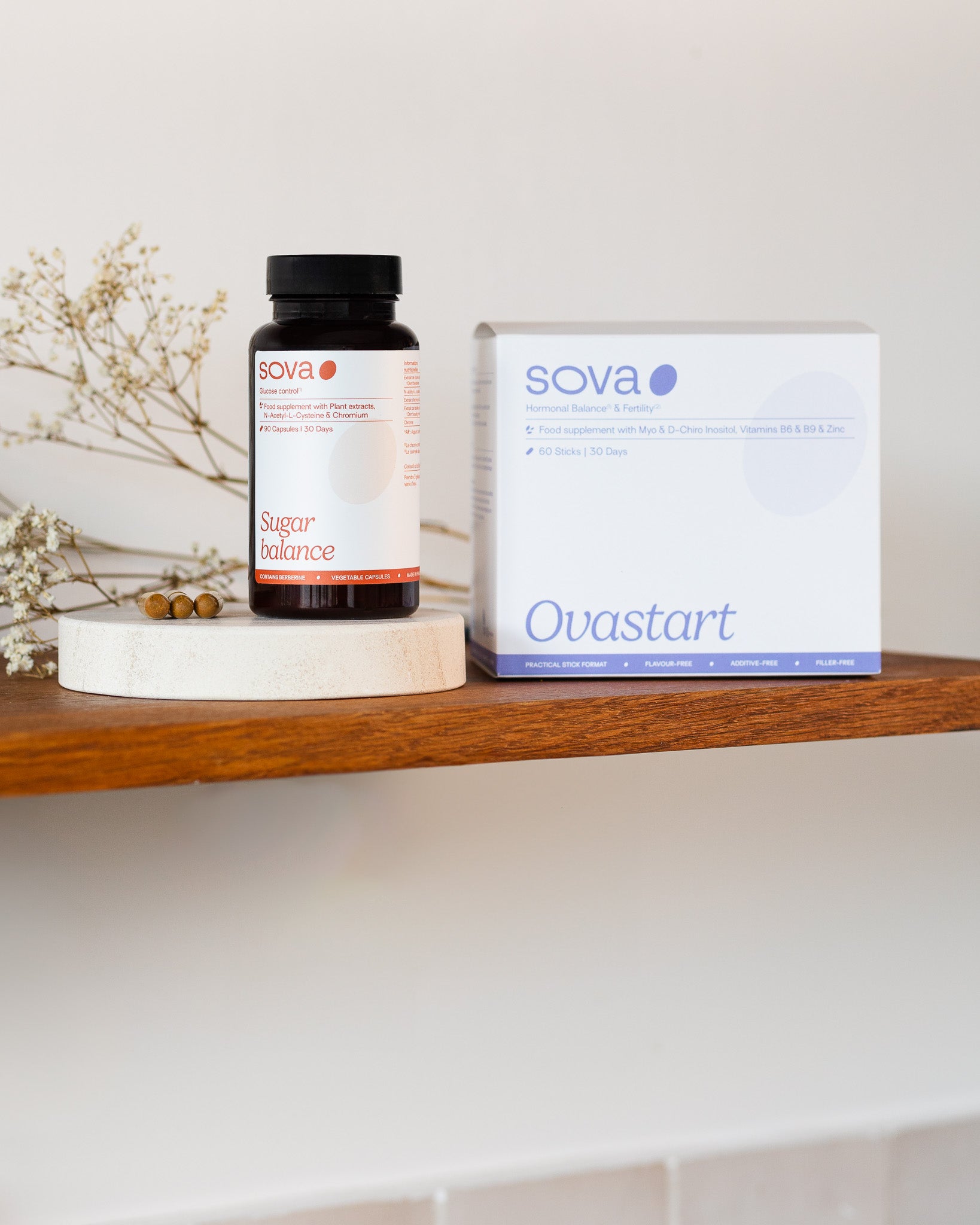
The Hormone Balance Supplements Designed for PCOS - Two Products, One Complete System
Berberine Supplement UK - Blood Sugar, Insulin & Metabolic Support for Women with PCOS