


Sugar Balance
Berberine Supplement UK - Blood Sugar, Insulin & Metabolic Support for Women with PCOS
From £26

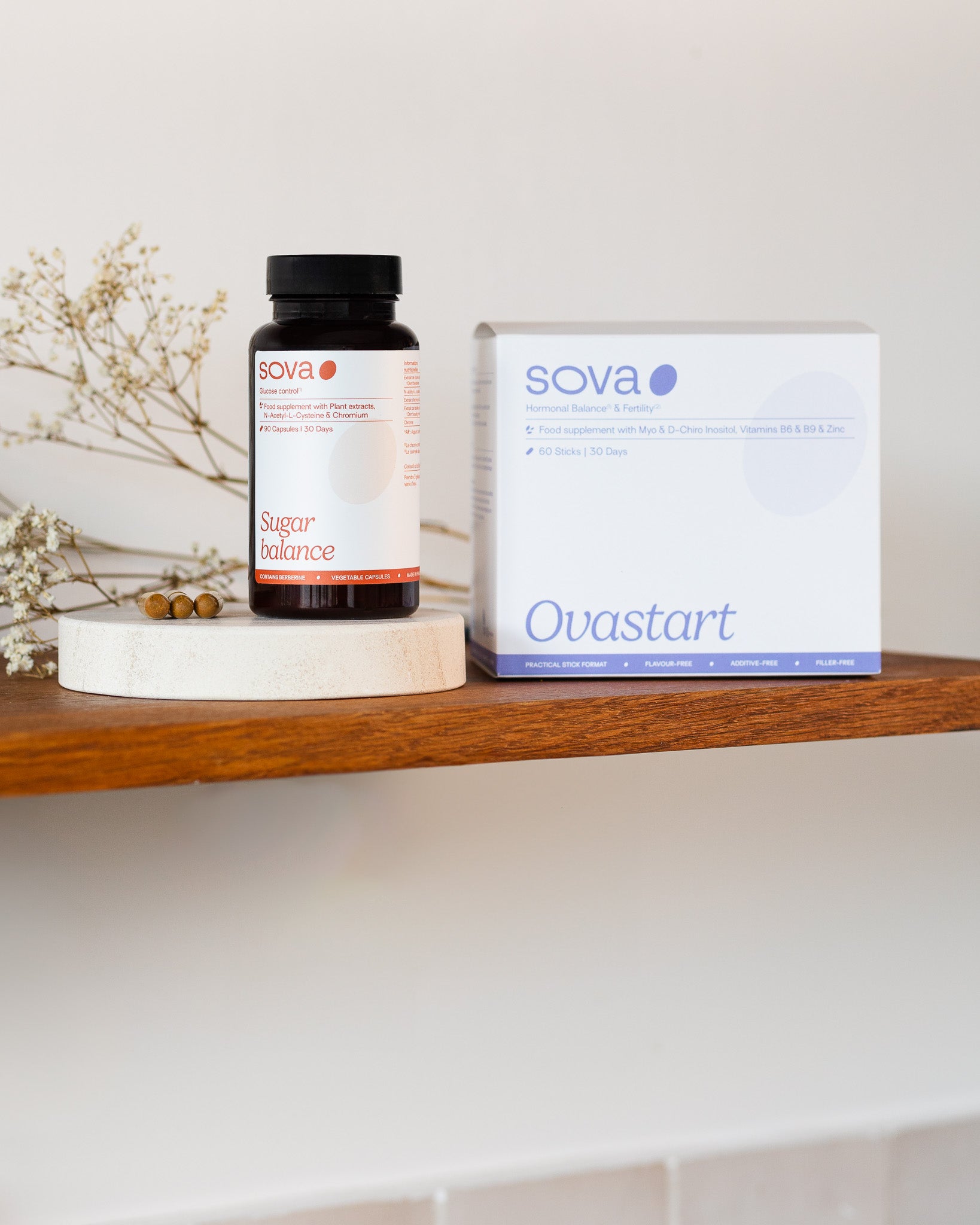
The Balance Bundle
The Hormone Balance Supplements Designed for PCOS - Two Products, One Complete System
From £53
Table of contents
- 01. What Are the 4 Main Types of PCOS?
- 02. The 4 Root-Cause Subtypes of PCOS Explained
- 03. Clinical Phenotypes vs. Root-Cause Types: Clearing the Confusion
- 04. What About "Lean PCOS"?
- 05. Can You Have More Than One Type of PCOS?
- 06. How to Identify Your PCOS Type: A Step-by-Step Guide
- 07. Does PCOS Treatment Change Based on Your Subtype?
- 08. When to See a Doctor
📌 Key takeaways: Not all PCOS looks - or behaves - the same way. Alongside the official Rotterdam diagnostic criteria, many practitioners use four practical "root-cause" types - insulin-resistant, inflammatory, adrenal and post-pill - to explain why your specific symptoms are showing up. You can have more than one type at once, and pinpointing yours (with the right blood tests) can help you move beyond guesswork and start exploring the factors that may be contributing to your individual symptoms.
If you've been told you have PCOS but your symptoms don't match what you read online - or you've tried the "eat less, exercise more" advice and nothing changed - you're not imagining things. PCOS isn't one condition with one cause. It's an umbrella term for a cluster of hormonal and metabolic symptoms that can be driven by several different underlying mechanisms.
That confusion is exhausting, and it's not a personal failing. Many women spend years bouncing between the pill, generic diet advice and reassurances that everything is "probably fine", without ever being told which mechanism is actually driving their own symptoms. If that sounds familiar, this guide is built for you.
That's where the idea of PCOS "types" comes in. Understanding which type (or types) apply to you can help explain why standard treatment plans - like the pill or generic weight-loss advice - haven't worked, and what to ask your doctor for instead.
In this guide, we'll walk through the 4 main root-cause types of PCOS, how they differ from the official medical phenotypes, what "lean PCOS" actually means, and a step-by-step approach to identifying - and treating - your own type.
What Are the 4 Main Types of PCOS?
Before we go further, it's worth separating two ideas that often get mixed up. Your Rotterdam phenotype (A, B, C or D) is the official medical classification, based on which of three diagnostic criteria you meet (1). It describes what your PCOS looks like clinically. The 4 root-cause types below aren't a formal diagnosis - they're a practical framework, widely used by nutritionists and functional-minded doctors, to describe why your hormones are out of balance. The two systems aren't in competition; they're just answering different questions, and knowing both gives you a much stronger position when you're advocating for yourself in a ten-minute appointment.
| PCOS Type | Primary Driver | Core Symptoms | Key Labs to Ask For |
|---|---|---|---|
| Insulin-Resistant | Elevated insulin impairing ovulation | Sugar cravings, central weight gain, post-meal fatigue, dark skin patches | Fasting insulin, HOMA-IR, HbA1c |
| Inflammatory | Chronic low-grade inflammation | Cystic acne, joint pain, eczema or psoriasis, bloating | hs-CRP, vitamin D |
| Adrenal | Stress response via the HPA axis | High anxiety, poor sleep, hair thinning, normal ovarian scan | DHEA-S, morning cortisol |
| Post-Pill | Temporary pituitary-ovarian delay | Sudden missed periods or acne 1-6 months after stopping the pill | LH/FSH ratio |
The 4 Root-Cause Subtypes of PCOS Explained
1. Insulin-Resistant PCOS
This is by far the most common type, affecting an estimated 70% of women with PCOS to some degree, regardless of their weight (2). Here's the mechanism in plain terms: when your cells stop responding well to insulin, your pancreas produces more of it to compensate. That excess insulin does two things at once - it pushes your ovaries to produce more testosterone, and it suppresses your liver's output of SHBG (sex hormone-binding globulin), the protein that normally mops up excess testosterone in your blood. Less SHBG means more free, active testosterone, which is what drives symptoms like acne, excess hair growth and irregular ovulation (2).
This is also why "just eat less and move more" so often falls flat as advice: it doesn't address the insulin signalling problem underneath, and left unmanaged over years, this type carries a higher long-term risk of type 2 diabetes and cardiovascular disease, which is exactly why catching it early is worth the effort.
Signs that may point to this type: intense sugar cravings, feeling sleepy or foggy 1-2 hours after eating carbohydrates, weight gain that concentrates around your middle, and dark, velvety patches of skin (acanthosis nigricans) at the neck or underarms.
👉 Read more in our guide to insulin resistance and PCOS.

2. Inflammatory PCOS
In this type, it's chronic, low-grade inflammation - rather than insulin - that disrupts the hormonal cascade. Research shows that women with PCOS have measurably higher levels of inflammatory markers like CRP (C-reactive protein) circulating in their blood than women without the condition, independent of body weight (3). This background inflammation is thought to interfere with progesterone signalling and to push the ovaries towards producing more androgens, and it often traces back to gut dysbiosis, food intolerances or simply a diet low in anti-inflammatory fats.
It's also one of the more frequently missed types, because the symptoms look like several separate, unrelated problems (a skin issue, a digestive issue, achy joints) rather than one connected picture, until you learn to read them together.
Signs that may point to this type: cystic acne along the jawline, joint stiffness, recurring digestive issues (bloating, irregular transit), eczema or psoriasis flare-ups, and persistent fatigue that doesn't match your sleep.
👉 Go deeper in our article on the inflammatory side of PCOS.

3. Adrenal PCOS
This type involves your adrenal glands rather than your ovaries as the main source of excess androgens. Your adrenals (small glands that sit above your kidneys) produce DHEA-S alongside cortisol, your main stress hormone. Research distinguishes this pattern clearly: some women with PCOS show elevated DHEA-S with normal testosterone levels, a signature that points to adrenal, rather than ovarian, androgen excess, and it tends to correlate with a different metabolic profile than the insulin-driven type (4). Chronic stress - whether from overtraining, burnout or a major life event - can be enough to trigger this pattern.
Cortisol and insulin also talk to each other constantly, so a stress-driven pattern that goes unmanaged for long enough can eventually tip into an insulin-driven one too, which is one more reason this type is easy to underestimate.
If this sounds like your pattern, small shifts to your daily rhythm tend to matter more than any single supplement. Keeping caffeine to the morning hours can help, since it has a longer half-life than most people expect and can keep cortisol elevated well into the evening. Getting natural light soon after waking helps anchor your circadian rhythm, and protecting a consistent sleep and wake time supports the same system. These are reasonable, evidence-informed starting points to explore alongside the nervous-system regulation techniques covered later in this guide - alongside, not instead of, input from a healthcare professional if your stress or sleep is significantly disrupted.
Signs that may point to this type: high anxiety, waking up tired even after a full night's sleep, a mid-afternoon energy crash, poor stress tolerance, and hair thinning at the temples or part line, often alongside a completely normal-looking ovarian ultrasound.
👉 Read more about the stress connection in adrenal PCOS: symptoms, causes and what you need to know.

4. Post-Pill PCOS
As the name suggests, this type shows up after stopping combined hormonal contraception. The pill suppresses ovulation for as long as you take it, and for most women, ovulation and periods resume within a few months of stopping (5). But in some, the communication between the pituitary gland and the ovaries (the "HPO axis") takes longer to switch back on, which can unmask or mimic PCOS-like symptoms that weren't there - or weren't noticed - before.
This is a particularly frustrating type to live with, because it's often dismissed as "your body just adjusting" rather than investigated properly. If your cycles were regular before you started the pill, that detail matters and is worth stating clearly to your doctor.
Signs that may point to this type: sudden loss of your period, or a flare of acne or hair shedding, appearing 1 to 6 months after stopping the pill, with no history of irregular cycles before you started it. It's worth being clear that "post-pill PCOS" isn't a formally recognised medical diagnosis - it's a pattern many practitioners observe, and for many women things ease as the body's natural rhythm re-establishes itself, though how long that takes varies widely from person to person. If your cycle hasn't returned to what's normal for you after a few months, that's worth discussing with a doctor rather than waiting it out indefinitely.
👉 See also: post-pill PCOS: why your symptoms are flaring, and your recovery roadmap and birth control and PCOS: what you need to know.

⚠️ Important: these types aren't mutually exclusive. It's entirely possible - and common - to recognise yourself in two categories at once (insulin-resistant and inflammatory is a frequent combination, since each one tends to worsen the other). The goal isn't to fit yourself neatly into one box, but to understand which levers to prioritise first.
It's also worth knowing that PCOS runs in families, and not only through your mother's side. The genetic and epigenetic factors linked to insulin resistance, androgen sensitivity and metabolic health can be carried and passed down by fathers too, and early research in animal models suggests these risk factors can be transmitted through the male line across generations, a mechanism that's still being explored in humans (6). A family history of type 2 diabetes, early-onset baldness or hormonal conditions on either side of your family is a meaningful data point, not something to overlook because it's "on your dad's side".
Clinical Phenotypes vs. Root-Cause Types: Clearing the Confusion
If you've done any reading on PCOS, you may have also come across "Phenotype A", "B", "C" or "D". This is where a lot of confusion creeps in, so let's untangle it. The Rotterdam criteria, most recently reaffirmed in the 2023 international evidence-based guideline, require you to meet at least 2 of the following 3 criteria for a diagnosis (1):
- Irregular or absent ovulation
- Clinical or biochemical signs of excess androgens (acne, hirsutism, or raised blood testosterone)
- Polycystic-appearing ovaries on ultrasound, or a raised AMH level
Combining these three criteria gives four official phenotypes: A (all three present - often called "classic" PCOS), B (irregular ovulation plus androgen excess, without the ovarian appearance), C (androgen excess plus the ovarian appearance, but regular ovulation) and D (irregular ovulation plus the ovarian appearance, without clinical or biochemical androgen excess).
It's also worth knowing that what shows up on an ultrasound isn't actually a cluster of cysts. They're small, immature follicles that haven't developed and released an egg as expected (1). The word "polycystic" is a historical name for something that isn't strictly accurate, which is part of why terminology in this space continues to be debated and refined.
There's also a neuroendocrine piece to this picture that doesn't map neatly onto any of the four root-cause types above, and is worth understanding on its own terms. In many women with PCOS, particularly the "classic" phenotype A, the hypothalamus releases GnRH (gonadotropin-releasing hormone) in an altered pattern, which drives the pituitary gland to secrete more LH (luteinising hormone) relative to FSH. This LH excess stimulates the ovaries to produce more androgens directly, independently of insulin resistance or inflammation (1). It's one reason your LH-to-FSH ratio is one of the labs mentioned throughout this guide, and it helps explain why some women with a strongly ovarian, LH-driven presentation don't fit neatly into the insulin-resistant, inflammatory, adrenal or post-pill categories.
In short: phenotypes describe what your PCOS looks like on paper; root-cause types describe why it's happening in your body. A doctor uses the phenotype to confirm your diagnosis. You and your practitioner can then use the root-cause type to decide where to focus your treatment.
👉 For the full diagnostic picture, read how is PCOS diagnosed?
What About "Lean PCOS"?
"Lean PCOS" is one of the most-searched PCOS terms, and understandably so - it doesn't fit the image most people have of the condition. To be clear: lean PCOS isn't a fifth type. It's a description of body composition (meeting PCOS diagnostic criteria at a normal BMI), and research shows that lean women with PCOS can still carry meaningful metabolic risk, including altered fat distribution and lean mass, even without visible weight gain (7).
This matters because lean PCOS is disproportionately under-diagnosed: when weight isn't a visible clue, some doctors are slower to investigate, leaving women to explain away acne, irregular cycles or hair changes for years before anyone connects the dots. In practice, lean PCOS usually falls under the adrenal, inflammatory or post-pill types rather than the insulin-resistant one, since visible weight gain is one of insulin resistance's more common calling cards - though not a universal one.
👉 Read the full picture in lean PCOS: symptoms, causes and what makes it different.
Can You Have More Than One Type of PCOS?
Yes. Because the four types describe functional root causes rather than separate diseases, overlapping drivers are the norm rather than the exception. Chronic inflammation can worsen insulin sensitivity, and high insulin can, in turn, fuel more inflammation - so many women recognise themselves in two categories, most commonly insulin-resistant and inflammatory together.
How to Identify Your PCOS Type: A Step-by-Step Guide
Identifying your individual PCOS profile is best approached collaboratively with a healthcare professional, who can consider your symptoms, medical history and test results as a whole. Symptoms alone won't give you the full picture, but they're a great starting point, and arriving at your appointment with some of that groundwork already done can make the conversation more productive. Here's how.
Step 1 - Map your symptoms. For a week or two, note when your symptoms flare and any pattern around your cycle, meals, stress levels or sleep. Patterns you notice yourself are often the clue that points a practitioner towards the right blood tests in the first place.
| Type | Ask yourself |
|---|---|
| Insulin | Do you get intense sugar crashes, or feel sleepy 1-2 hours after eating carbohydrates? |
| Inflammation | Do you struggle with skin conditions (eczema, severe acne) or joint stiffness alongside irregular cycles? |
| Adrenal | Did your symptoms spike after a period of major physical or emotional stress or burnout? |
| Post-Pill | Did you have regular, healthy cycles before starting birth control, but lose your period after stopping it? |
Step 2 - Request targeted blood work. To help your healthcare provider build a clearer picture, you may wish to discuss whether these specific tests or markers are appropriate for you:
- Metabolic: fasting insulin, fasting glucose, HbA1c (and ask for your HOMA-IR to be calculated from the first two)
- Androgens: free and total testosterone, DHEA-S, androstenedione
- Inflammatory: high-sensitivity C-reactive protein (hs-CRP)
- Hormonal baseline: LH, FSH, SHBG, and a full lipid panel
Step 3 - Review your treatment history. Note what you've already tried (the pill, metformin, weight-loss advice) and how your body responded, or didn't. This pattern is often as informative to a knowledgeable practitioner as the labs themselves.
Step 4 - Bring your timeline and family history. When did symptoms start, and what was happening in your life at the time (starting or stopping contraception, a stressful period, a change in diet or weight)? Combined with a family history of diabetes, thyroid issues or hormonal conditions, this context often narrows things down before a single test result comes back.

Does PCOS Treatment Change Based on Your Subtype?
Yes, and this is exactly why identifying your type matters. While the fundamentals (whole foods, movement, sleep, stress management) benefit everyone, where you place the emphasis shifts, because each type responds best to the lever that targets its actual driver rather than a generic one-size-fits-all plan:
- Insulin-Resistant: a low-glycemic way of eating, resistance training, and myo-inositol, which meta-analyses of randomised controlled trials suggest may help improve insulin sensitivity and ovulatory function in many women, though individual results vary (8).
- Inflammatory: an anti-inflammatory eating pattern, gut-barrier support (fibre, fermented foods), and omega-3s to help lower circulating inflammatory markers.
- Adrenal: nervous-system regulation, consistent sleep, and dialling back high-intensity over-training, which can paradoxically raise cortisol further and work against you.
- Post-Pill: patience, HPO-axis support, and replenishing nutrients the pill is known to deplete, particularly zinc and B vitamins (including B6 and folate).
👉 For a full breakdown by type, see nutrition and PCOS: the key rules of a diet adapted to your type and our full PCOS supplements guide.
When to See a Doctor
Before settling on a PCOS type - or a PCOS diagnosis at all - it's worth ruling out a handful of conditions that can closely mimic it, since they need different treatment entirely. The international guideline specifically recommends excluding these before confirming PCOS (1):
- Hypothyroidism: an underactive thyroid can cause irregular cycles, weight gain and fatigue that overlap heavily with PCOS symptoms. A simple TSH test can rule this in or out.
- Non-classic congenital adrenal hyperplasia (NCCAH): a genetic condition affecting adrenal hormone production that can closely resemble adrenal PCOS, typically checked with a 17-hydroxyprogesterone test.
- Hyperprolactinemia: raised prolactin levels can also disrupt ovulation and cause irregular periods, and are checked with a simple blood test.
👉 If your thyroid is a concern, read PCOS and hypothyroidism: what's the connection?
If your symptoms are severe, sudden in onset, or don't respond as expected to the approach matched to your type, that's a signal to bring in a doctor or endocrinologist rather than continuing to self-manage. None of this is about replacing medical care - it's about walking into that appointment with the language and the questions that get you taken seriously.
Whichever type (or combination of types) you recognise yourself in, remember this: your symptoms aren't random, and they aren't your fault. They have an identifiable cause - and a cause you can work with 💜
- PCOS: Polycystic Ovary Syndrome, a hormonal and metabolic condition affecting ovulation, insulin and androgen levels. = PCOS: Polycystic Ovary Syndrome, a hormonal and metabolic condition affecting ovulation, insulin and androgen levels.
- GnRH: gonadotropin-releasing hormone, released by the hypothalamus in a pulsing pattern that governs the pituitary's release of LH and FSH. = GnRH: gonadotropin-releasing hormone, released by the hypothalamus in a pulsing pattern that governs the pituitary's release of LH and FSH.
- LH (luteinising hormone): a pituitary hormone that stimulates the ovaries; often elevated relative to FSH in classic PCOS, driving excess androgen production. = LH (luteinising hormone): a pituitary hormone that stimulates the ovaries; often elevated relative to FSH in classic PCOS, driving excess androgen production.
- Rotterdam criteria: the internationally recognised set of 3 diagnostic criteria for PCOS, of which 2 out of 3 must be met for a diagnosis. = Rotterdam criteria: the internationally recognised set of 3 diagnostic criteria for PCOS, of which 2 out of 3 must be met for a diagnosis.
- Phenotype: the clinical "presentation" of a condition. In PCOS, phenotypes A to D describe which combination of Rotterdam criteria a person meets. = Phenotype: the clinical "presentation" of a condition. In PCOS, phenotypes A to D describe which combination of Rotterdam criteria a person meets.
- Insulin resistance: a state in which cells respond poorly to insulin, causing the pancreas to produce more of it, which in turn drives excess androgen production. = Insulin resistance: a state in which cells respond poorly to insulin, causing the pancreas to produce more of it, which in turn drives excess androgen production.
- Hyperandrogenism: excess androgens (such as testosterone or DHEA-S) in the blood, which can cause acne, excess hair growth (hirsutism) or hair thinning. = Hyperandrogenism: excess androgens (such as testosterone or DHEA-S) in the blood, which can cause acne, excess hair growth (hirsutism) or hair thinning.
- DHEA-S: dehydroepiandrosterone sulfate, an androgen produced mainly by the adrenal glands; often elevated in adrenal PCOS while testosterone stays normal. = DHEA-S: dehydroepiandrosterone sulfate, an androgen produced mainly by the adrenal glands; often elevated in adrenal PCOS while testosterone stays normal.
- HPA axis: the hypothalamic-pituitary-adrenal axis, the communication system between the brain and the adrenal glands that governs your stress response and cortisol production. = HPA axis: the hypothalamic-pituitary-adrenal axis, the communication system between the brain and the adrenal glands that governs your stress response and cortisol production.
- HPO axis: the hypothalamic-pituitary-ovarian axis, the communication system between the brain and the ovaries that governs ovulation and the menstrual cycle. = HPO axis: the hypothalamic-pituitary-ovarian axis, the communication system between the brain and the ovaries that governs ovulation and the menstrual cycle.
- hs-CRP: high-sensitivity C-reactive protein, a blood marker used to detect low-grade, chronic inflammation. = hs-CRP: high-sensitivity C-reactive protein, a blood marker used to detect low-grade, chronic inflammation.
- HOMA-IR: a calculation (from fasting insulin and fasting glucose) used to estimate insulin resistance. = HOMA-IR: a calculation (from fasting insulin and fasting glucose) used to estimate insulin resistance.
- SHBG: sex hormone-binding globulin, a protein that binds testosterone in the blood; lower levels mean more free, active testosterone. = SHBG: sex hormone-binding globulin, a protein that binds testosterone in the blood; lower levels mean more free, active testosterone.
- Anovulation: the absence of ovulation, which shows up as irregular or missing periods. = Anovulation: the absence of ovulation, which shows up as irregular or missing periods.
- Acanthosis nigricans: dark, velvety patches of skin, usually at the neck, underarms or groin, that are a common sign of insulin resistance. = Acanthosis nigricans: dark, velvety patches of skin, usually at the neck, underarms or groin, that are a common sign of insulin resistance.
- Non-classic congenital adrenal hyperplasia (NCCAH): a genetic condition affecting the adrenal glands that can closely mimic the symptoms of PCOS and must be ruled out with specific testing. = Non-classic congenital adrenal hyperplasia (NCCAH): a genetic condition affecting the adrenal glands that can closely mimic the symptoms of PCOS and must be ruled out with specific testing.
- Hyperprolactinemia: abnormally high levels of the hormone prolactin, which can disrupt ovulation and mimic PCOS symptoms. = Hyperprolactinemia: abnormally high levels of the hormone prolactin, which can disrupt ovulation and mimic PCOS symptoms.
- Lean PCOS: PCOS diagnosed in someone with a normal BMI, a description of body composition rather than a separate type. = Lean PCOS: PCOS diagnosed in someone with a normal BMI, a description of body composition rather than a separate type.
Scientific References
Over 50,000 women have already adopted our routines, rating us an excellent 4.7/5 average (from 3,300+ reviews). Our supplements are formulated in French laboratories using clean, carefully sourced ingredients, with a maximum of patented active ingredients proven for their effectiveness.
- Founded by women with PCOS, we understand the reality of hormonal disorders.
- Clinically studied: High-quality ingredients, including patented forms like Quatrefolic® and an optimal Myo-/D-Chiro Inositol ratio.
- Holistic support: Formulated for hormonal balance, metabolic health, inflammation, mood, and cycle regulation.
- Science-led formulas: Transparent ingredients with absolutely no unnecessary additives.

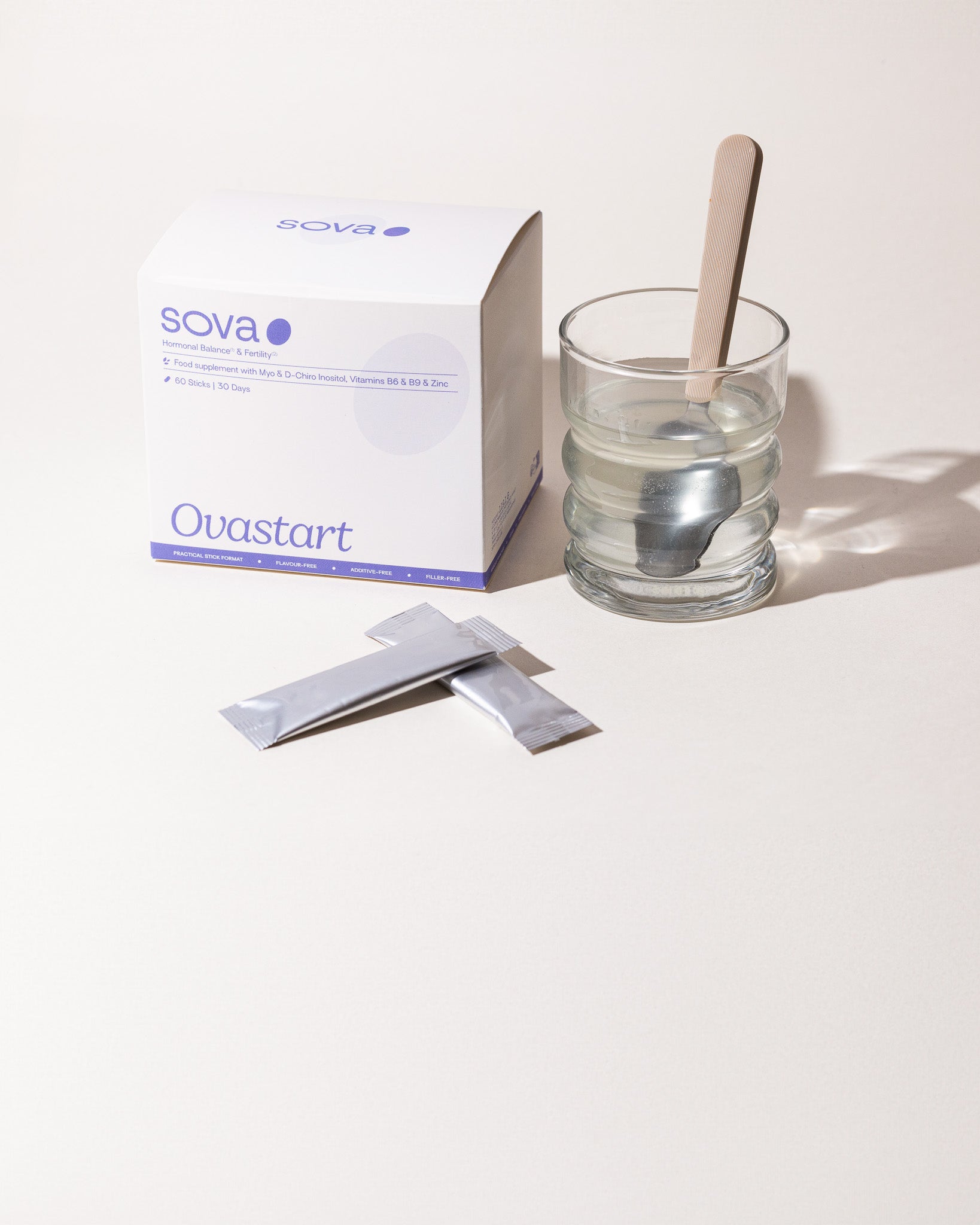
Berberine Supplement UK - Blood Sugar, Insulin & Metabolic Support for Women with PCOS
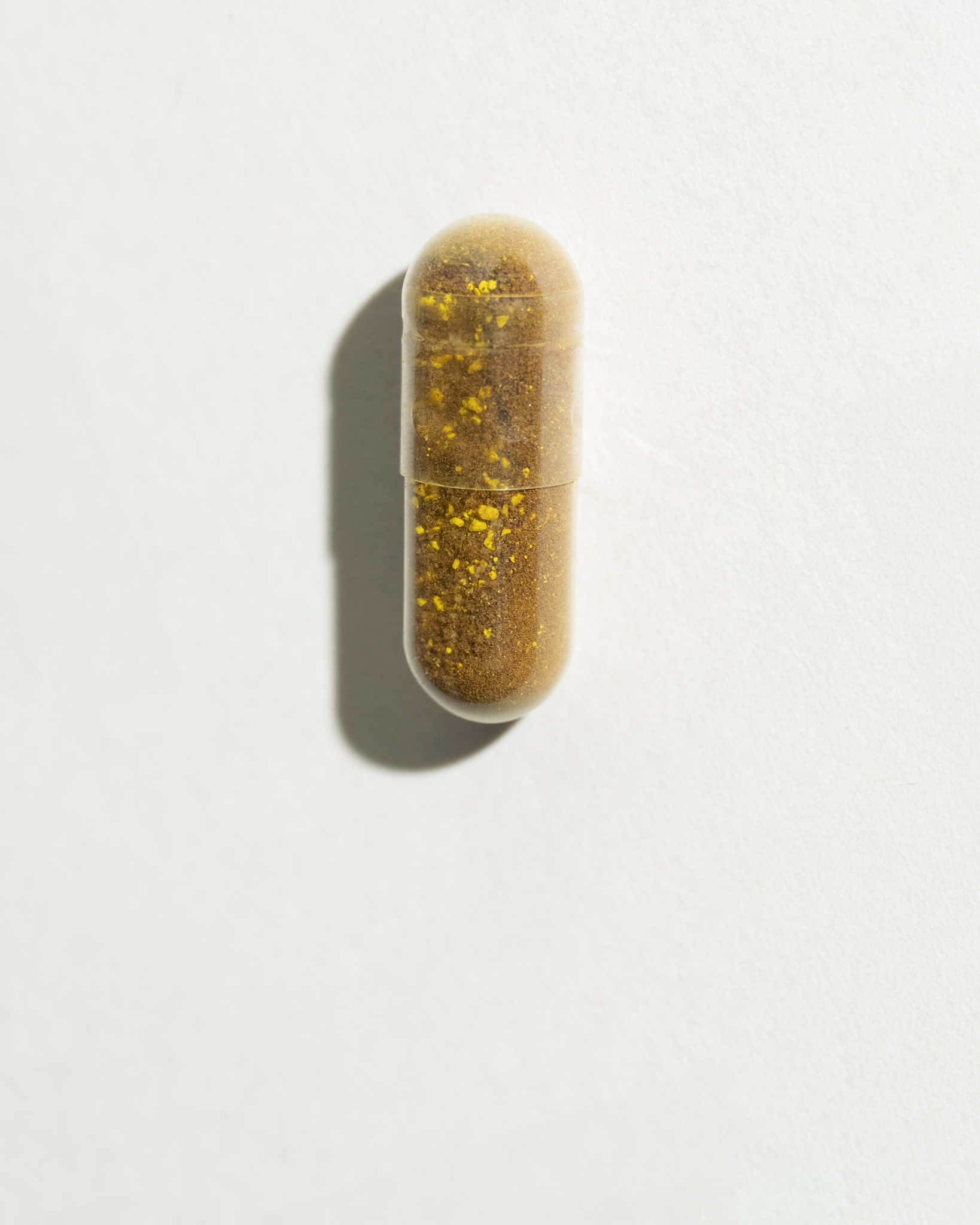
The Hormone Balance Supplements Designed for PCOS - Two Products, One Complete System