




Sugar Balance
Berberine Supplement UK - Blood Sugar, Insulin & Metabolic Support for Women with PCOS
From £26

The Balance Bundle
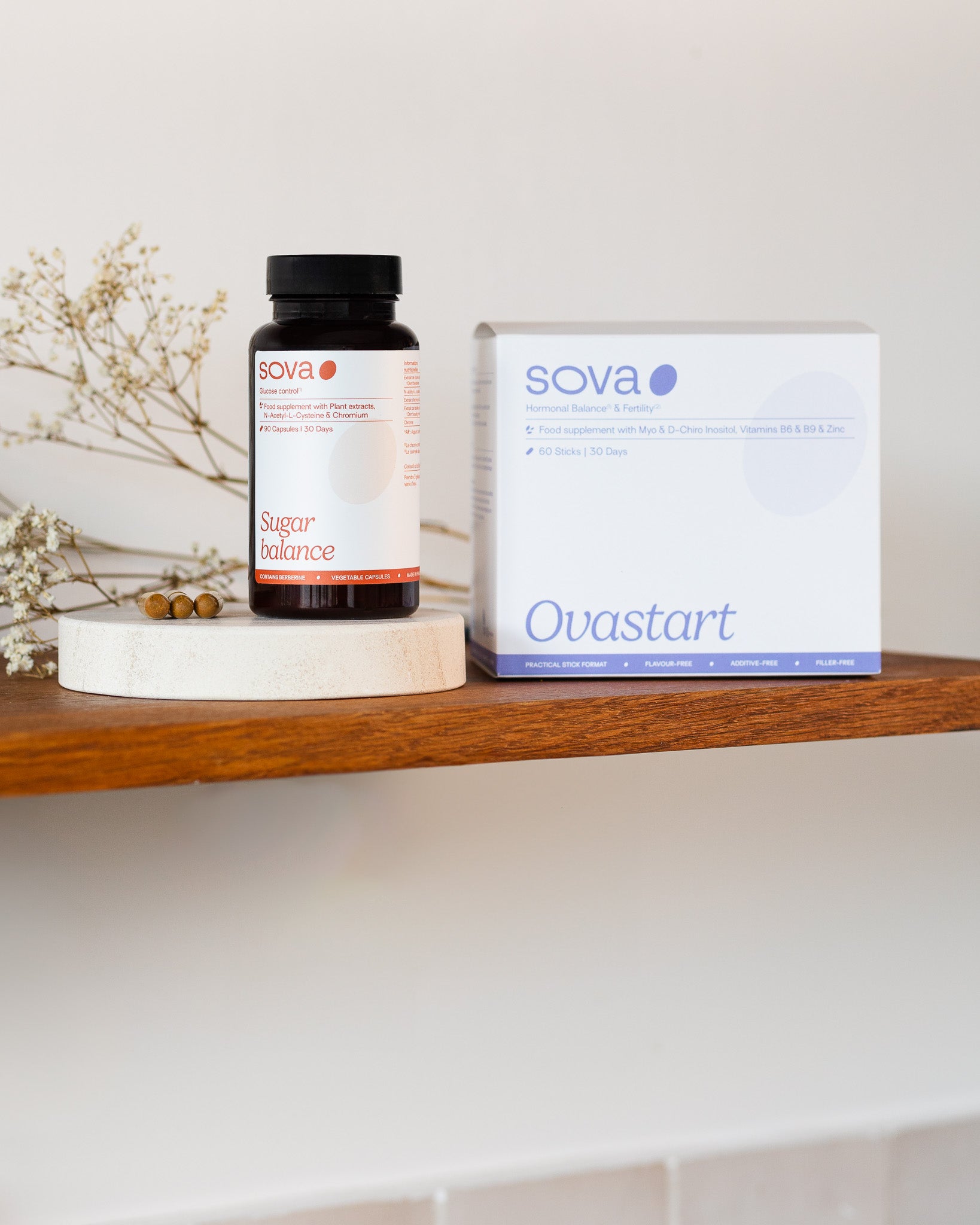
The Hormone Balance Supplements Built for PCOS - Two Products, One Complete System
From £53
Table of contents
- 01. 1️⃣ Lifestyle habits and reduced daily movement
- 02. 2️⃣ Chronic stress and persistently elevated cortisol
- 03. 3️⃣ Dysregulation of hunger hormones (ghrelin and leptin)
- 04. 4️⃣ Poor sleep quality or sleep disorders
- 05. 5️⃣ Medications that affect metabolism
- 06. 6️⃣ Hypothyroidism: when metabolism slows down
- 07. 7️⃣ High blood pressure and fluid retention
- 08. 8️⃣ Cushing’s syndrome and excess cortisol
- 09. 9️⃣ Insulin resistance and type 2 diabetes
- 10. 🔟 Polycystic Ovary Syndrome (PCOS)
- 11. What to do if your weight gain feels unexplained
Have you gained weight without understanding why?
Before blaming yourself or questioning your habits, it’s important to remember one thing: your body never changes at random. Every physical change is a response to specific biological signals.
Behind unexplained weight gain, there are always underlying mechanisms to explore: lifestyle changes, chronic stress, hormonal imbalances, sleep disruption, medications, or metabolic conditions. The explanation is not always, and fortunately not always, found on your plate.
🔎 In this article, we help you understand the mechanisms involved and identify 10 possible causes of unexplained weight gain, so you can take informed, compassionate action.
1️⃣ Lifestyle habits and reduced daily movement
Daily habits have a significant impact on weight — often without us noticing. Sedentary behaviour, rushed meals, irregular schedules, and chronic fatigue all affect how the body manages energy.
A more sedentary lifestyle or an imbalance between energy intake and expenditure encourages fat storage. Long hours spent sitting, busy days, and limited physical activity can prompt the body to adapt by slowing down its metabolism.
Why does the body store fat more easily?
- Reduced movement → Lower energy expenditure
- Irregular or rushed meals → Disrupted metabolic signals and appetite regulation
- Stress and fatigue → Alter hunger and satiety signals and promote abdominal fat storage
Stress also activates the brain’s reward system via dopamine¹, increasing the tendency to seek comfort through food.
How to restore balance gently
- Move more without pressure (walking, yoga, Pilates, stretching)
- Eat more mindfully and slowly
- Learn to distinguish physical hunger from emotional or stress-related hunger
2️⃣ Chronic stress and persistently elevated cortisol
When faced with stress, the body produces cortisol, a hormone designed to help us cope. Short-term stress is not an issue. Chronic stress, however, leads to continuous cortisol secretion, which can cause:
- Metabolic disruption → Elevated cortisol promotes visceral fat accumulation around organs²
- Increased appetite → Particularly for sugary and fatty foods
- Digestive and gut imbalance → Stress alters the gut microbiota³ and influences eating behaviour and satiety⁴
Helpful stress-regulation strategies:
- Identify major stress triggers
- Take real breaks, even short ones
- Use breathing techniques (4-7-8, cardiac coherence)
- Choose gentle, regular movement over intense workouts

3️⃣ Dysregulation of hunger hormones (ghrelin and leptin)
Weight gain can also be driven by increased appetite — and this is biological, not a lack of willpower.
Hunger is regulated by:
-
Ghrelin, which signals hunger
-
Leptin, which signals satiety
When this balance is disrupted, hunger and fullness cues become blurred, leading to involuntary weight gain.
Why does this happen?
-
Lack of sleep increases ghrelin and decreases leptin⁵
-
Chronic stress stimulates ghrelin production
-
Highly processed, sugar-rich diets worsen appetite dysregulation
How to support appetite regulation
Chrononutrition may help stabilise metabolism⁶:
- Protein-rich breakfast
- Balanced lunch with lean protein and fibre
- Light but satisfying dinner
Stress management and quality sleep are equally essential.
4️⃣ Poor sleep quality or sleep disorders
Sleep is a cornerstone of metabolic health. A large Brazilian longitudinal study (ELSA-Brasil) followed over 13,000 adults and showed that sleep disorders significantly increased the risk of weight gain and waist circumference expansion⁷.
Insufficient or poor-quality sleep:
- Alters hunger hormones
- Worsens insulin resistance
- Encourages fat storage
Adequate sleep is therefore a key lever in weight regulation 💤
5️⃣ Medications that affect metabolism
Some treatments can influence weight by altering appetite, metabolism, or fluid balance:
- Corticosteroids → Promote water retention and abdominal fat storage
- Antidepressants → May affect appetite and metabolic rate⁸
- Certain hormonal contraceptives → Especially those high in progestins, which may increase appetite and alter fat distribution⁹
💡 If weight gain coincides with starting a medication, discuss alternatives with your GP or gynaecologist.
6️⃣ Hypothyroidism: when metabolism slows down
The thyroid gland regulates metabolic rate. When thyroid function is reduced, the body burns fewer calories at rest.
Symptoms may include:
- Persistent fatigue
- Swelling or bloating
- Moderate but persistent weight gain
Hypothyroidism also causes water retention, creating a feeling of heaviness. With appropriate medical treatment and supportive lifestyle measures, balance can usually be restored¹⁰.
7️⃣ High blood pressure and fluid retention
High blood pressure (hypertension) is often silent but can contribute to unexplained weight gain.
When blood pressure is elevated:
- The kidneys eliminate excess water and salt less efficiently
- Fluid retention and swelling occur
Hypertension is also associated with chronic inflammation and insulin resistance, slowing metabolism and promoting weight gain. Women are particularly affected during menopause or in hormonal conditions such as PCOS.
8️⃣ Cushing’s syndrome and excess cortisol
Cushing’s syndrome is rare but serious. It involves prolonged exposure to high cortisol levels, either due to tumours or long-term corticosteroid use¹¹.
Excess cortisol leads to:
- Localised weight gain (face, abdomen, neck, upper back)
- Muscle loss
- Fragile skin and purple stretch marks
- Metabolic and hormonal disturbances
Medical evaluation is essential if symptoms suggest this condition.
9️⃣ Insulin resistance and type 2 diabetes
Insulin allows glucose to enter cells for energy. When cells become resistant:
1️⃣ Glucose uptake decreases
2️⃣ The pancreas produces more insulin
3️⃣ Excess insulin stimulates appetite and fat storage
4️⃣ Abdominal fat worsens insulin resistance
Over time, pancreatic exhaustion may lead to type 2 diabetes¹².
This is a hormonal feedback loop, not a failure of discipline.
🔟 Polycystic Ovary Syndrome (PCOS)
PCOS affects around 1 in 10 women and is often underdiagnosed.
Common symptoms include:
- Irregular or absent periods
- Excess hair growth
- Acne and oily skin
- Fatigue
- Mood changes
- Hair thinning¹³
Why does PCOS cause unexplained weight gain?
Around 70% of women with PCOS have insulin resistance¹⁴, leading to:
- Increased appetite
- Easier fat storage, particularly abdominal
- Difficulty losing weight despite balanced eating
Chronic stress associated with PCOS further amplifies these effects.
What to do if your weight gain feels unexplained
If you recognise yourself in several of these causes, don’t stay alone with your questions. Medical follow-up is essential to identify the underlying mechanisms and tailor appropriate care.
Understanding the cause is the first step towards regaining control — with clarity, compassion, and trust 💜
- Ghrelin : a hormone produced by the stomach that stimulates hunger and signals to the brain that it is time to eat.
- Leptin : a hormone produced by fat cells that reduces appetite and signals to the brain that energy stores are sufficient.
- Chrononutrition : an approach to eating that takes the timing of meals into account in order to optimise digestion, metabolism, and energy levels throughout the day.
- Dopamine : a chemical messenger in the brain that plays a key role in pleasure, motivation, and movement.
- Basal metabolic rate (BMR) : the amount of energy the body uses at rest to maintain vital functions such as breathing, circulation, and temperature regulation.
- Glucocorticoids : hormones produced by the adrenal glands that help the body manage stress and regulate inflammation.
- Cushing’s syndrome : a condition caused by prolonged excess cortisol levels, leading in particular to weight gain and hormonal disturbances.
- Glucose : a simple sugar that serves as the body’s primary source of energy.
Scientific References
Over 50,000 women have already adopted our routines, rating us an excellent 4.7/5 average (from 3,300+ reviews). Our supplements are formulated in French laboratories using clean, carefully sourced ingredients, with a maximum of patented active ingredients proven for their effectiveness.
- Founded by women with PCOS, we understand the reality of hormonal disorders.
- Clinically studied: High-quality ingredients, including patented forms like Quatrefolic® and an optimal Myo-/D-Chiro Inositol ratio.
- Holistic support: Formulated for hormonal balance, metabolic health, inflammation, mood, and cycle regulation.
- Science-led formulas: Transparent ingredients with absolutely no unnecessary additives.
Berberine Supplement UK - Blood Sugar, Insulin & Metabolic Support for Women with PCOS
The Hormone Balance Supplements Built for PCOS - Two Products, One Complete System