



Table of contents

If you have PCOS and are searching for the best supplements for weight loss, you're likely already frustrated. You've counted calories, cut carbs, exercised more - and still seen minimal results. The truth is, PCOS weight gain isn't about willpower. It's driven by insulin resistance and hormonal imbalance that make your metabolism work against you.
This guide covers the best science-backed supplements for PCOS weight loss - what they are, how they target the root cause, how they work together, and what realistic results actually look like.
Why weight loss is different with PCOS: breaking the “Metabolic Wall”
If you've ever felt frustrated by your body's refusal to lose weight despite your best efforts, you're not imagining things. PCOS fundamentally changes how your body processes energy.
At the heart of this struggle is hyperinsulinemia — chronically elevated insulin levels that create a vicious cycle. When your cells become resistant to insulin, your pancreas responds by producing even more insulin to get glucose into your cells. But here's the catch: high insulin levels actively prevent your body from burning stored fat. It's like having your fat cells locked in a vault. (1)
Making matters more complex, elevated insulin also signals your ovaries to produce more androgens (male hormones like testosterone), which further worsens insulin resistance and promotes fat storage, particularly around your midsection. (2) This ovary-insulin loop is what makes PCOS weight management so uniquely challenging.
Research shows that approximately 70% of women with PCOS experience some degree of insulin resistance, regardless of their body weight. (3) This means even women at a healthy weight can struggle with metabolic dysfunction.
Want to understand more about this cycle? Read our detailed guide on insulin resistance and PCOS.
The sleep-stress connection
Weight management with PCOS isn’t just about what you eat or which supplements you take, it’s also deeply connected to how well you sleep and manage stress. Poor sleep quality disrupts two key hunger hormones: ghrelin (which increases appetite) and leptin (which signals fullness). (30) When you’re sleep-deprived, ghrelin rises while leptin falls, making you hungrier and less satisfied after meals.
Additionally, chronic stress and disrupted circadian rhythms elevate cortisol levels, which worsens insulin resistance and promotes fat storage, particularly around the abdomen. (31) This is why prioritizing 7-8 hours of quality sleep and managing stress through practices like meditation, gentle movement, or time in nature can significantly enhance your metabolic health alongside supplementation. The good news? By targeting insulin resistance and hormonal signaling with the right supplements, combined with attention to sleep and stress, you can begin to unlock this metabolic block and restore your body’s natural ability to regulate weight.

The “Big Three” for metabolic restoration
When it comes to addressing PCOS-related weight challenges, three supplements stand out for their scientifically validated effects on insulin sensitivity and metabolic function. Let's explore each one and understand exactly how they work.
Optimized Myo & D-Chiro Inositol (the Ovastart advantage)
The science:
Inositol isn’t just another supplement, it’s a molecule that acts as a “second messenger” for insulin, helping your cells actually respond to the insulin signal. Think of insulin as knocking on your cell’s door, and inositol as the one who opens it from the inside.
There are two forms that matter for PCOS: myo-inositol and D-chiro-inositol. Research has shown that women with PCOS often have disrupted ratios of these two forms in their tissues, contributing to insulin resistance and hormonal imbalance. (4)
Clinical studies have demonstrated that inositol supplementation can improve insulin sensitivity, reduce testosterone levels, restore regular menstrual cycles, and decrease sugar cravings — all factors that contribute to sustainable weight management. (5) A systematic review of multiple studies found that women taking inositol experienced significant reductions in fasting insulin levels and improvements in glucose metabolism. (6) For a comprehensive look at how inositol supports PCOS, explore our guide on Inositol and PCOS benefits.
The product:
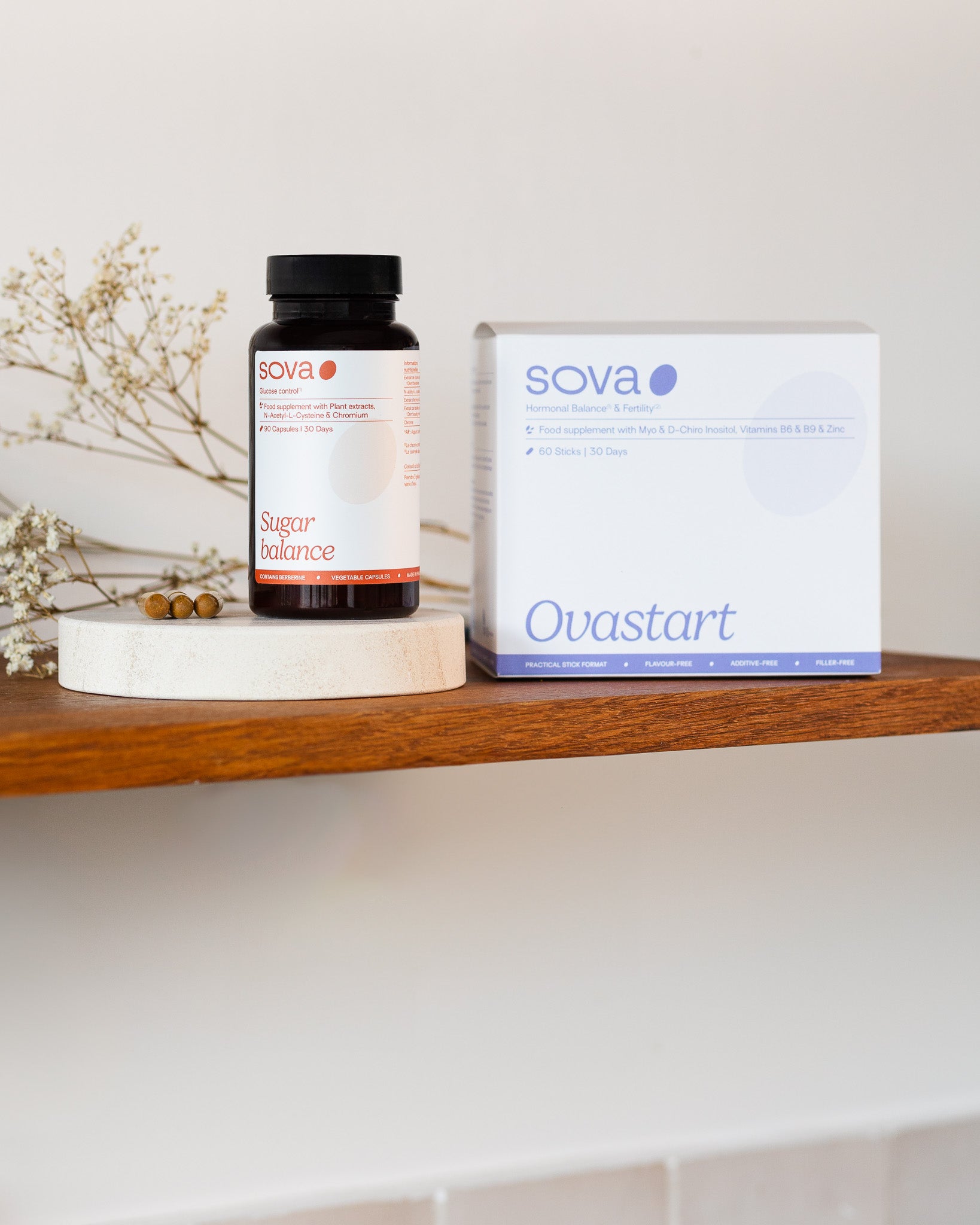
While many supplements chase a specific 40:1 patent ratio of myo-inositol to D-chiro-inositol, Ovastart takes a different approach based on physiological principles. Ovastart uses an optimized blend of both forms enhanced with folate (vitamin B9) to support superior hormonal harmony.
The combination works synergistically: myo-inositol primarily improves ovarian function and egg quality, while D-chiro-inositol specifically targets glucose metabolism and insulin action. Together with folate, which supports healthy methylation processes crucial for hormone balance, Ovastart provides comprehensive metabolic support. The typical recommended dosage ranges from 2,000-4,000mg of myo-inositol daily. (7)
Berberine (the “natural metformin”)
The science:
Berberine has earned its reputation as “natural metformin” for good reason. This plant compound activates AMPK (adenosine monophosphate-activated protein kinase), your body’s master metabolic switch that regulates energy balance.
When AMPK is activated, several beneficial processes occur: your cells become more sensitive to insulin, glucose uptake improves, fat burning increases, and inflammation decreases. (8) Multiple clinical trials have shown that berberine can reduce fasting blood glucose, improve insulin sensitivity, and support weight loss in women with PCOS. (9)
One particularly compelling study found that berberine was as effective as metformin at improving insulin resistance, with the added benefit of reducing waist circumference and triglyceride levels. (10) Another study showed that berberine supplementation led to significant reductions in body weight and body mass index in women with PCOS over a 12-week period. (11) To dive deeper into berberine’s mechanisms and benefits, see our article on the benefits of berberine for PCOS.
The product:
Sugar Balance takes berberine supplementation to the next level with a comprehensive formulation designed for metabolic support. It combines berberine with NAC (N-acetylcysteine), cinnamon extract, gymnema sylvestre, and chromium—creating a multi-pathway approach to blood sugar management.
Chromium enhances insulin signaling and improves glucose tolerance. (12) NAC provides powerful antioxidant support while supporting insulin sensitivity. Cinnamon and gymnema have both been studied for their glucose-regulating properties, working synergistically with berberine to support healthy blood sugar levels.
The typical effective dosage of berberine is 500mg taken three times daily with meals (1,500mg total daily), as berberine has a relatively short half-life in the body. (14)
Important Usage Note: While berberine is generally well-tolerated, some people may experience mild digestive side effects when first starting, such as gas, bloating, or changes in bowel movements. These typically resolve within 1-2 weeks. To support gut microbiota balance, it’s recommended to take berberine in 3-month cycles followed by a break, rather than continuously long-term. This approach helps preserve your beneficial gut bacteria while still allowing you to benefit from berberine’s metabolic effects.
L-Carnitine (the mitochondrial shuttle)
The science:
L-carnitine plays a crucial role in energy metabolism by transporting long-chain fatty acids into your mitochondria, the powerhouses of your cells, where they can be burned for fuel. Think of L-carnitine as a shuttle service for fat, helping move it to where it can actually be used.
Research has shown that L-carnitine supplementation can improve insulin sensitivity, reduce body weight and BMI, and decrease markers of metabolic dysfunction in women with PCOS. (15) One study found that L-carnitine supplementation led to significant improvements in glucose metabolism and lipid profiles. (16)
The typical effective dosage is 1,000-2,000mg per day. L-carnitine works particularly well when combined with other metabolic supplements and a balanced diet that includes adequate healthy fats. (17)
PCOS Supplement Comparison
|
Supplement |
Primary Action |
Best For |
Recommended Product |
|
Inositol Blend |
Sensitizes Insulin Receptors |
Cravings & Cycle Regulation |
|
|
Berberine + ALA + Chromium |
Activates AMPK |
Visceral (Belly) Fat & Blood Sugar |
|
|
Omega-3 Fatty Acids |
Reduces Inflammation |
Waist Circumference & Cardiovascular Health |
|
|
L-Carnitine |
Transports Fatty Acids |
Fat Burning & Energy |
L-Carnitine Supplement |
The Professional “Stack”: Sova Balance Bundle
You might be wondering: why take multiple supplements when you could just take one? The answer lies in how PCOS affects your body through multiple interconnected pathways.
Think of it this way: Ovastart (with its optimized inositol blend) primarily works on hormone signaling, helping your cells respond to insulin and supporting your ovaries to produce more balanced hormone levels. Sugar Balance (with berberine, chromium, and NAC) focuses on glucose disposal, actively lowering blood sugar levels and improving how your body processes carbohydrates.
When used together, they create a synergistic effect. Research suggests that combination therapy targeting multiple metabolic pathways produces superior results compared to single interventions. (18) By addressing both the hormonal imbalance and the insulin resistance simultaneously, you're attacking the problem from both angles.
The Balance Bundle brings together these two foundational supplements in one convenient package, giving you:
-
Improved insulin sensitivity from multiple mechanisms
-
Better blood sugar control throughout the day
-
Reduced sugar cravings and improved appetite regulation
-
Support for regular menstrual cycles and ovulation
-
Comprehensive metabolic support for sustainable weight management
Most women begin noticing improvements in energy levels and cravings within 4-6 weeks, with more significant changes in weight and menstrual regularity becoming apparent after 3 months of consistent use. Remember: you're not just treating symptoms, you're restoring cellular function. This takes time, but the results are lasting.
The support crew: addressing inflammation and nutritional gaps
While the “Big Three” target the core metabolic issues, several supporting supplements can enhance your results by addressing inflammation and filling nutritional gaps that are common with PCOS.
Omega-3 fatty acids: reducing chronic inflammation
PCOS is associated with chronic low-grade inflammation, which worsens insulin resistance and contributes to weight gain, particularly around the waist. (19)
Omega-3 fatty acids, particularly EPA and DHA found in fish oil, have potent anti-inflammatory effects. Multiple studies have shown that omega-3 supplementation can reduce inflammatory markers, improve lipid profiles, and decrease waist circumference in women with PCOS. (20) Learn more about omega-3’s wide-ranging health benefits in our article on why you should take omega-3.
Look for a high-quality fish oil supplement providing at least 1,000-2,000mg of combined EPA and DHA daily. Choose products that are third-party tested for purity and free from contaminants like mercury.
Magnesium & Vitamin D3: the “foundational fuo” for glucose metabolism
Magnesium is involved in over 300 enzymatic reactions in the body, including those related to glucose metabolism and insulin signaling. Research shows that magnesium deficiency is common in people with insulin resistance, and supplementation can improve insulin sensitivity. (21)
Magnesium bisglycinate is often the best-absorbed and most gentle form on the digestive system. The typical dosage is 200-400mg daily.
Vitamin D deficiency is prevalent among women with PCOS and is associated with worsened insulin resistance and metabolic dysfunction. (22) Studies have demonstrated that vitamin D supplementation can improve insulin sensitivity, support regular menstrual cycles, and may help with weight management. (23)
Have your vitamin D levels tested to determine your optimal dosage. Most people benefit from 1,000-4,000 IU daily, though some may need higher therapeutic doses initially. Always choose vitamin D3 (cholecalciferol) over D2, as it's more effective at raising blood levels.
N-Acetylcysteine (NAC): the antioxidant powerhouse
N-acetylcysteine is a powerful antioxidant that serves as a precursor to glutathione, your body's master antioxidant. NAC has shown promising results in PCOS research for improving insulin sensitivity, supporting ovulation, and reducing oxidative stress. (24)
One study found that NAC supplementation improved insulin sensitivity and lipid profiles in women with PCOS. (25) Another study showed that NAC was as effective as metformin in improving menstrual regularity and ovulation rates. (26)
The typical dosage is 600mg taken 2-3 times daily (1,200-1,800mg total). NAC is generally well-tolerated, though some people may experience mild digestive upset when first starting.
The PCOS supplement checklist
Before you invest in any PCOS supplement, ask yourself these questions to ensure you're choosing quality products that will actually work:
-
Does it contain both Myo and D-Chiro Inositol? If you're looking at an inositol supplement, it should include both forms for comprehensive support.
-
Is the Berberine supported by Chromium or ALA for absorption? Berberine works better with supportive nutrients that enhance its effects.
-
Am I committing to a 90-day protocol for cellular turnover? Real metabolic change takes time. Commit to at least 3 months to see significant results.
-
Does the brand provide transparent information about sourcing and dosing? Reputable companies are upfront about their ingredients and provide clear usage instructions.
Finding your balance
Weight management with PCOS isn't about willpower. It's about restoring the metabolic flexibility your body needs to respond to diet and exercise. By targeting insulin resistance and hormonal imbalance with science-backed supplements, you're not just treating symptoms. You're addressing root causes.
The combination of optimized inositol (Ovastart) and berberine with chromium and NAC (Sugar Balance) provides comprehensive metabolic support by addressing both hormone signaling and glucose disposal. When paired with supportive nutrients like omega-3s, magnesium, vitamin D, and NAC, you're giving your body everything it needs to break through the metabolic wall.
Little by little, with consistency and patience, you'll see improvements in your energy, your cycles, your relationship with food, and yes — your weight. The most important thing is to remember that sustainable change happens at the cellular level, and that takes time.
You're not alone in this journey. Every small step forward is progress, and your body is capable of remarkable healing when given the right support. ❤️
- Metabolic Wall : A state where hormonal imbalances, specifically insulin resistance, prevent the body from burning fat, often making traditional diet and exercise feel ineffective.
- Insulin Resistance : A condition where the body’s cells do not respond effectively to insulin. This forces the pancreas to produce more insulin to manage blood sugar, creating a cycle that promotes fat storage.
- Hyperinsulinemia : The state of having chronically elevated levels of insulin in the blood. High insulin levels act like a "lock" on fat cells, preventing them from being used for energy.
- Androgens : Often referred to as "male hormones" (such as testosterone), these are elevated in many women with PCOS. High insulin signals the ovaries to produce more androgens, which can lead to increased abdominal fat and irregular cycles.
- Lean PCOS : A term for the roughly 30% of women with PCOS who have a normal BMI or are underweight but still struggle with insulin resistance, inflammation, and hormonal imbalances.
- AMPK (Adenosine Monophosphate-activated Protein Kinase) : Known as the body's "master metabolic switch," this enzyme regulates energy balance, increases fat burning, and improves insulin sensitivity when activated.
- Mitochondria : The "powerhouses" of your cells where energy production and fat burning actually occur.
- Cortisol : A stress hormone that, when chronically elevated, worsens insulin resistance and promotes fat storage, particularly around the midsection.
- Circadian Rhythm : Your body’s internal 24-hour clock that regulates sleep-wake cycles; disruptions to this rhythm can elevate cortisol and negatively impact metabolic health.
Scientific references
SOVA was created by two sisters with PCOS who wanted products that truly worked. Our formulas are developed in-house with women’s health and micronutrition experts, using ingredients backed by clinical studies and compliant with European regulations.
- Built by women with PCOS, we know the reality of the symptoms.
- Clinically studied, high-quality ingredients, including patented forms like Quatrefolic® and an optimal Myo-/D-Chiro Inositol ratio.
- Holistic support for hormonal balance, metabolic health, inflammation, mood and cycle regulation.
- Transparent, science-led formulas with no unnecessary additives.