



Table of contents
If you have PCOS and have been trying to figure out which supplements are actually worth taking, you're not alone. One person swears by inositol, another says berberine changed everything, and somewhere in between your doctor mentioned omega-3s. It's a lot - and most of it feels contradictory.
Here's what we know: supplements aren't magic pills, but the right ones, chosen based on your specific symptoms, can be powerful allies. Think of them as targeted support that works alongside your diet and lifestyle - not a replacement for either. In this guide, we cut through the noise and walk you through the PCOS supplements with real evidence behind them, how they work, and how to figure out which ones make sense for you.
Why Supplements are a "Gap-Filler," Not a Cure-All
Before we dive in, let's set realistic expectations. Supplements work best when they address specific biological imbalances common in PCOS—like insulin resistance, chronic inflammation, or hormonal disruption. They're most effective when combined with a balanced diet, regular movement, and adequate sleep.
Key Takeaways:
- The Big Three for most women with PCOS: Inositol (dual inositol ratio), Berberine, and Omega-3 fatty acids target the root causes of insulin resistance and hormonal imbalance.
- The 90-Day Rule: Hormonal changes take time. An egg takes approximately three months to mature, so give supplements at least 90 days before evaluating their effectiveness.
- Medical Disclaimer: Always consult your healthcare provider before starting supplements, especially if you're taking medication or trying to conceive. Some supplements can interact with medications or aren't safe during pregnancy.
Foundational Support: Addressing Insulin Resistance & Cycle Regulation
Since around 70% of women with PCOS experience insulin resistance (1), addressing this metabolic dysfunction is often the most impactful starting point. These supplements have strong evidence for improving insulin sensitivity and restoring hormonal balance.
Myo-Inositol & D-Chiro Inositol (The dual inositol Ratio)
Inositol is often considered a foundational PCOS supplement, and for good reason. It acts as a second messenger for insulin, helping your cells respond more effectively to this hormone. Think of it as unlocking doors that insulin resistance has jammed shut.
There are two forms that matter: myo-inositol (MI) and D-chiro-inositol (DCI). Your body naturally produces both, but the key is getting them in the right ratio, meaning close to 40:1 (MI to DCI). This mirrors the physiological ratio found in your tissues (2).
Research shows that inositol supplementation can restore ovulation in up to 70% of women with PCOS who aren't ovulating regularly (3). It also significantly improves insulin sensitivity, reduces testosterone levels, and can help with weight management when combined with dietary changes.
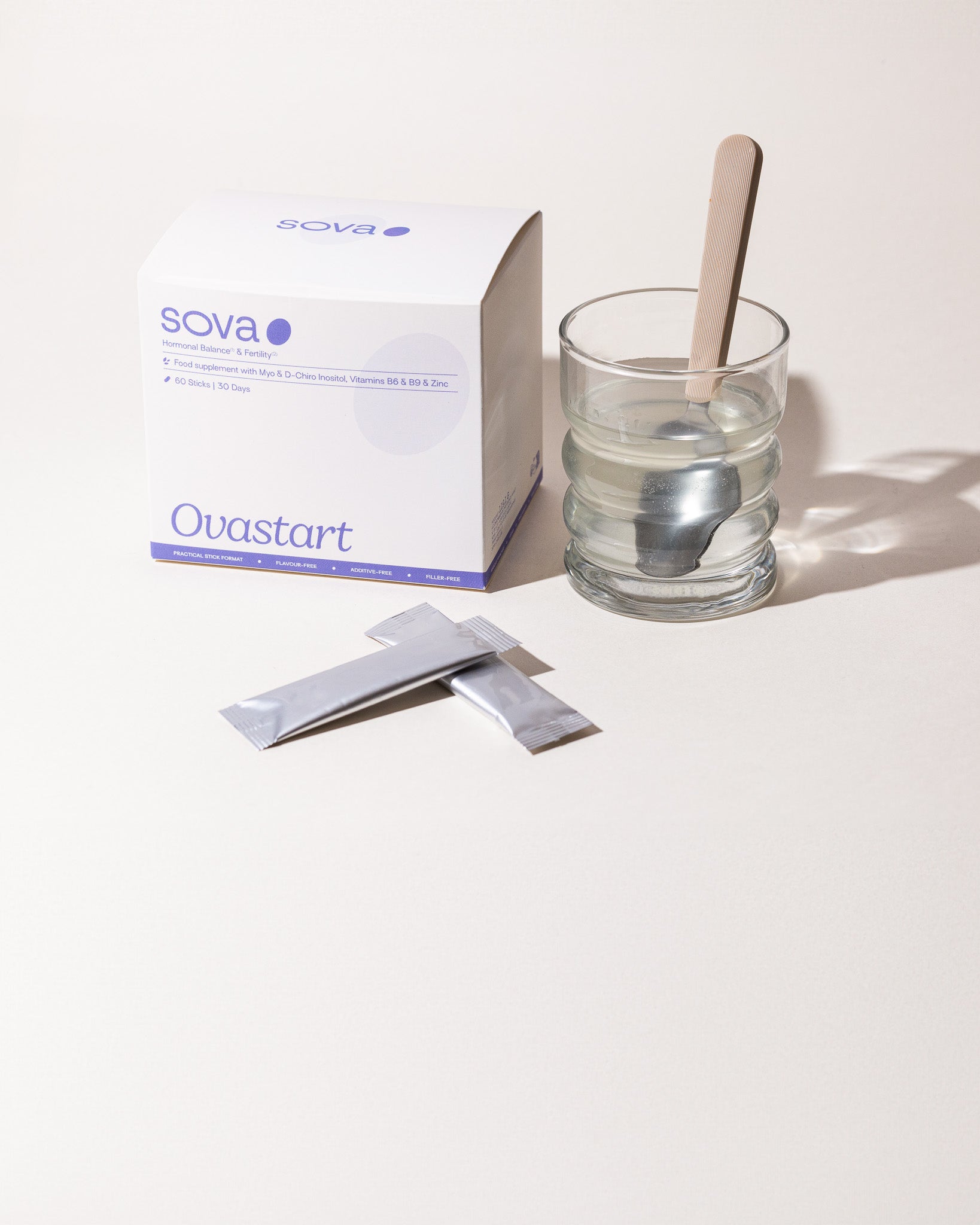
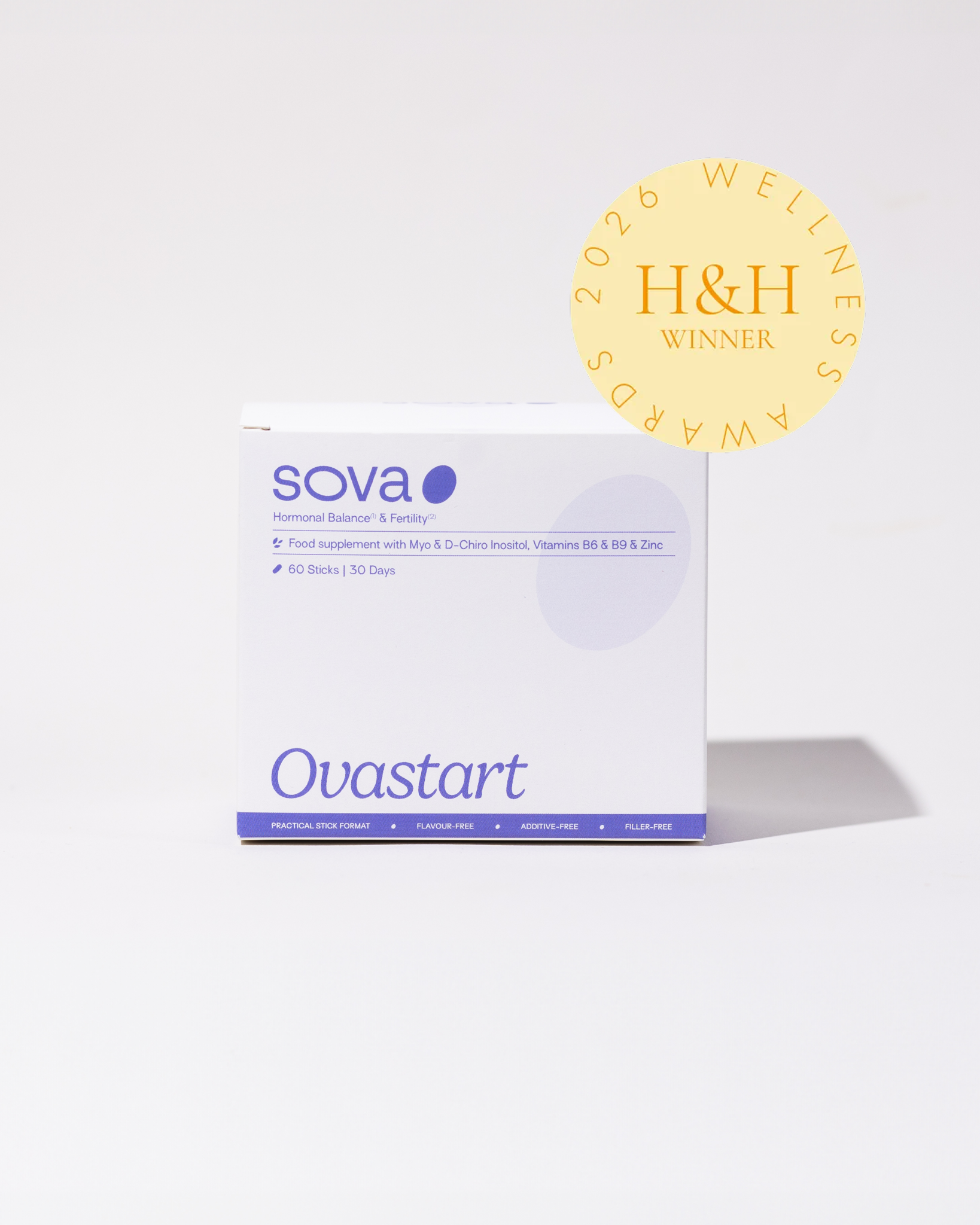
For those looking for a well-formulated option that respects this important 40:1 ratio, Ovastart provides both forms of inositol in the scientifically-supported proportion, alongside other nutrients that support hormonal balance.
Typical dosage: 2,000-4,000 mg of myo-inositol combined with 50-100 mg of D-chiro-inositol daily.
What to expect: Many women notice more regular cycles within 2-3 months. Improvements in acne and hirsutism may take 4-6 months as excess androgens gradually decline.
Berberine: "Nature's Metformin"
Berberine is a plant compound extracted from several herbs, and it's gained attention for producing results comparable to metformin, the most commonly prescribed PCOS medication. It works by activating an enzyme called AMPK (adenosine monophosphate-activated protein kinase), which essentially acts as your body's metabolic master switch (4).
A meta-analysis comparing berberine to metformin found similar improvements in insulin resistance, fasting blood sugar, and waist circumference—with some studies showing berberine was actually more effective at reducing waist measurements (5). Unlike metformin, berberine also has lipid-lowering effects, helping to improve cholesterol levels.
Understanding how insulin resistance develops in PCOS can help you appreciate why addressing it through supplements like berberine, combined with dietary strategies, makes such a meaningful difference to symptoms.
For comprehensive insulin support, Sugar Balance combines berberine with complementary ingredients that work synergistically to support healthy glucose metabolism—an approach that may be helpful for women managing insulin resistance as part of their PCOS.
Typical dosage: 500 mg, three times daily with meals (1,500 mg total).
Important note: Berberine can cause digestive upset in some people. Starting with a lower dose and building up gradually can help your body adjust.
Omega-3 Fatty Acids (EPA/DHA)
Chronic low-grade inflammation is a hallmark of PCOS, and it contributes to both insulin resistance and elevated androgen levels. Omega-3 fatty acids—specifically EPA (eicosapentaenoic acid) and DHA (docosahexaenoic acid)—are potent anti-inflammatory compounds that help address this underlying issue.
Research demonstrates that omega-3 supplementation can reduce testosterone levels, improve insulin sensitivity, and lower triglycerides in women with PCOS (6). One study found that taking 3,000 mg of omega-3s daily for eight weeks significantly reduced free testosterone and improved menstrual regularity (7).
Beyond PCOS, omega-3s support cardiovascular health—important because women with PCOS have an elevated risk of heart disease later in life.
Typical dosage: 2,000-3,000 mg combined EPA/DHA daily. Look for supplements with higher EPA content, as this form has stronger anti-inflammatory effects.
What to look for: Choose high-quality fish oil that's been tested for mercury and other contaminants. SOVA's Omega-3 provides a concentrated source of EPA and DHA from sustainably sourced fish oil. Algae-based omega-3s are an excellent option if you're vegetarian or vegan.
Vitamin D: The Overlooked Essential
Here's something that often surprises women: around 70% of those with PCOS are deficient in vitamin D (8). This isn't just about bone health—vitamin D plays a crucial role in hormone regulation, insulin sensitivity, and immune function.
Vitamin D receptors are present in tissues throughout your reproductive system, including the ovaries, uterus, and placenta. When vitamin D levels are adequate, it supports:
Ovulation: Research shows that women with PCOS who have sufficient vitamin D levels are more likely to ovulate regularly and have better menstrual cycle regulation (9).
Insulin sensitivity: Vitamin D helps improve how your cells respond to insulin, which is particularly important given that most women with PCOS struggle with insulin resistance (10).
Immune modulation: Vitamin D helps regulate inflammation, potentially reducing the chronic low-grade inflammation that worsens PCOS symptoms.
A study of women with PCOS found that vitamin D supplementation (combined with calcium) significantly improved menstrual regularity, reduced hirsutism, and improved metabolic parameters compared to placebo (11).
Typical dosage: 1,000-4,000 IU daily, depending on your current levels. Since vitamin D deficiency is so common in PCOS, it's worth asking your GP for a blood test to check your levels. The optimal range for vitamin D is generally considered to be above 75 nmol/L (30 ng/mL).
What to expect: Like other hormonal interventions, improvements in cycle regularity and symptoms typically become apparent after 2-3 months of consistent supplementation.
Insulin Resistance Support: Quick Comparison
|
Supplement |
How It Works |
Key Benefit |
Typical Dosage |
|
Inositol (40:1 ratio) |
Improves insulin signaling as a second messenger |
Restores ovulation, reduces testosterone |
2,000-4,000 mg MI + 50-100 mg DCI daily |
|
Berberine |
Activates AMPK enzyme, enhances glucose uptake |
Comparable to metformin for metabolic effects |
500 mg, 3x daily with meals |
|
Omega-3 (EPA/DHA) |
Reduces inflammation, improves cell membrane function |
Lowers testosterone, supports heart health |
2,000-3,000 mg combined EPA/DHA daily |
|
Vitamin D |
Supports insulin receptors and hormone production |
Improves ovulation and insulin sensitivity |
1,000-4,000 IU daily |
Targeted Support for Specific PCOS Symptoms
While foundational supplements address core metabolic issues, these supplements target specific symptoms. You don't need to take everything—choose based on what's bothering you most.
For Acne & Hirsutism: Zinc & Spearmint
If excess androgens are causing unwanted hair growth or persistent acne, these two supplements can help.
Zinc plays a crucial role in hormone regulation and has been shown to reduce both testosterone and DHT (dihydrotestosterone), the more potent form of testosterone responsible for acne and hirsutism. It works by inhibiting an enzyme called 5-alpha reductase, which converts testosterone into DHT (12).
A clinical trial found that 50 mg of zinc daily for eight weeks significantly reduced hirsutism scores in women with PCOS (13).
Spearmint tea has gained popularity for its anti-androgenic effects. Studies show that drinking spearmint tea twice daily can reduce free testosterone levels and improve hirsutism within 30 days (14). The active compounds in spearmint appear to have a direct anti-androgenic effect.
Zinc dosage: 30-50 mg daily (take with food to avoid nausea).
Spearmint: Two cups of spearmint tea daily, or 400-600 mg spearmint extract capsules.
For Fertility & Egg Quality: CoQ10 & NAC
If you're trying to conceive or want to improve egg quality, these antioxidants can make a meaningful difference. Understanding the full picture of getting pregnant with PCOS involves addressing multiple factors, and targeted supplementation is one important piece of that puzzle.
Coenzyme Q10 (CoQ10) is essential for mitochondrial energy production. Your eggs are among the most energy-demanding cells in your body, and adequate CoQ10 helps ensure they have the energy needed for healthy maturation and fertilisation. Research shows that CoQ10 supplementation improves ovarian response and pregnancy rates in women with PCOS undergoing fertility treatment (15).
N-acetylcysteine (NAC) acts as a precursor to glutathione, your body's master antioxidant. NAC has been shown to improve insulin sensitivity, reduce testosterone levels, and increase ovulation rates in women with PCOS—sometimes even more effectively than metformin (16). It also supports egg quality by reducing oxidative stress.
CoQ10 dosage: 200-600 mg daily (ubiquinol form is better absorbed).
NAC dosage: 600 mg, 2-3 times daily.
For Stress & Anxiety: Magnesium Glycinate
PCOS doesn't just affect your body—it can take a toll on your mental health too. Anxiety, mood swings, and sleep issues are common, partly because of hormonal fluctuations and partly because dealing with chronic symptoms is genuinely stressful.
Magnesium is involved in over 300 enzymatic reactions in your body, including those that regulate your stress response. The glycinate form is particularly well-absorbed and has calming effects without causing digestive upset (unlike magnesium oxide).
Studies show that magnesium supplementation can reduce anxiety, improve sleep quality, and help regulate cortisol levels (17). Since chronic stress can worsen insulin resistance and disrupt ovulation, managing stress is an important part of PCOS management. If you're struggling with sleep quality and PCOS, magnesium taken in the evening can be particularly helpful for supporting both relaxation and sleep architecture.
SOVA's Magnesium Bisglycinate provides this highly bioavailable form of magnesium, designed to support both physical and emotional wellbeing.
Magnesium glycinate dosage: 200-400 mg before bed.
Probiotics & Gut Health: The Overlooked Connection
You might be wondering what gut health has to do with PCOS. The answer: quite a lot, actually.
Your gut microbiome—the trillions of bacteria living in your digestive system—plays a crucial role in regulating inflammation, metabolic health, and even hormone levels. Research shows that women with PCOS often have dysbiosis, an imbalance in their gut bacteria, characterised by reduced microbial diversity and increased inflammatory bacterial species (18).
This gut imbalance can worsen PCOS symptoms in several ways:
Increased inflammation:
An unhealthy gut microbiome produces more inflammatory compounds that enter your bloodstream, contributing to the chronic low-grade inflammation seen in PCOS.
Impaired insulin sensitivity:
Dysbiosis can disrupt how your body processes glucose and responds to insulin, potentially worsening insulin resistance (19).
Hormone metabolism:
Your gut bacteria help metabolise and eliminate excess hormones, including oestrogen and androgens. When gut health is compromised, this process becomes less efficient.
Intestinal permeability:
An imbalanced gut can lead to increased intestinal permeability ("leaky gut"), allowing inflammatory compounds to cross into the bloodstream more easily.
Studies suggest that probiotic supplementation may help improve insulin sensitivity, reduce testosterone levels, and lower inflammatory markers in women with PCOS (20). While research in this area is still developing, supporting your gut health through both diet (fermented foods, diverse plant fibres) and targeted probiotic supplementation may offer indirect benefits for PCOS symptom management.
What to look for in a probiotic:
Choose a multi-strain formula with at least 10-20 billion CFU (colony-forming units) that includes Lactobacillus and Bifidobacterium species. Refrigerated probiotics tend to have better viability.
Find Your Need: Symptom-to-Supplement Guide
✓ Irregular or absent periods? → Inositol (40:1 ratio) + Vitamin D + Omega-3s
✓ Insulin resistance or pre-diabetes? → Berberine + Inositol
✓ Struggling with acne or unwanted hair growth? → Zinc + Spearmint
✓ Trying to conceive or improve egg quality? → CoQ10 + NAC
✓ Dealing with anxiety, poor sleep, or high stress? → Magnesium glycinate
✓ High cholesterol or triglycerides? → Omega-3s + Berberine
✓ Digestive issues or suspected gut imbalance? → Probiotics + gut-supporting diet
How to Build Your "PCOS Stack" Safely
Now that you know what's available, let's talk about how to use supplements strategically and safely.
The 90-Day Hormone Cycle
Here's something important to understand: hormonal changes don't happen overnight. An egg takes approximately 90 days to mature from the moment it's recruited from your ovarian reserve. This means that improvements in egg quality, hormone levels, and cycle regularity often take at least three months to become apparent.
Similarly, changes in insulin sensitivity and inflammation take time to translate into visible symptom relief. You might notice some improvements sooner—like better energy or reduced sugar cravings within a few weeks—but give supplements a full three months before deciding whether they're working for you.
If you're looking for a comprehensive approach that combines several evidence-based ingredients, the Balance Bundle brings together inositol and insulin support in one convenient package, designed specifically for women managing PCOS metabolically.
Can You Take Berberine and Metformin Together?
This is one of the most common questions we hear, and it's important to approach this carefully.
Berberine and metformin work through similar mechanisms, both improving insulin sensitivity and glucose metabolism. While some practitioners do combine them in carefully monitored situations, taking both together increases the risk of hypoglycaemia (dangerously low blood sugar) and digestive side effects.
If you're currently taking metformin, never add berberine without consulting your doctor first. They may want to adjust your metformin dose or monitor your blood sugar more closely. Some doctors prefer to try berberine as an alternative for people who don't tolerate metformin well, rather than combining them.
Safety First: Red Flags and Important Considerations
Drug Interactions:
-
Berberine can interact with medications metabolised by the liver, including some antibiotics and blood pressure medications
-
NAC may interact with nitroglycerin and some chemotherapy drugs
-
Omega-3s can have mild blood-thinning effects—inform your doctor if you're on anticoagulants
-
Vitamin D can interact with certain medications, including some cholesterol-lowering drugs
Quality Matters: Not all supplements are created equal. Look for products that have been third-party tested by organisations like NSF International, USP (United States Pharmacopeia), or ConsumerLab. This verification ensures that what's on the label is actually in the bottle and that it's free from harmful contaminants.
When to Seek Medical Advice:
-
If you're pregnant, breastfeeding, or trying to conceive
-
If you're taking prescription medications
-
If you experience any unusual symptoms after starting a supplement
-
Before combining multiple supplements
Start Slowly: Don't start everything at once. Begin with one or two supplements, give your body 2-4 weeks to adjust, then add others if needed. This approach helps you identify what's actually helping and makes it easier to pinpoint any side effects.
Finding the Right Balance
The world of PCOS supplements can feel overwhelming, but remember: you don't need to take everything. Start with foundational support that addresses your most pressing concerns, give supplements adequate time to work, and adjust based on how you feel and what your symptoms are doing.
The most effective approach combines targeted supplementation with the foundations we know work: a balanced, nutrient-dense diet with plenty of whole foods and vegetables, regular movement that you actually enjoy, adequate sleep, and stress management. Supplements enhance these efforts—they don't replace them.
Little by little, as you address insulin resistance, reduce inflammation, and support hormonal balance, you'll likely see improvements in your cycles, energy, mood, and overall wellbeing. Be patient with yourself and your body. Healing takes time, but every positive step you take is supporting your long-term health. ❤️
What supplements have you found helpful in managing your PCOS? Share your experience in the comments below!
- Androgens (Hyperandrogenism) : Often referred to as "male hormones" (like testosterone), though every body has them. In PCOS, an excess of these can lead to symptoms like acne, hair thinning on the head, or unwanted body hair.
- Insulin Resistance : Imagine your cells have "locks" and insulin is the "key" to let energy in. In insulin resistance, the locks get rusty. Your body pumps out more insulin to compensate, which signals your ovaries to produce more androgens.
- Inositol (Myo- & D-Chiro) : A type of sugar molecule (vitamin-like) that acts as a "second messenger." It helps the cell's "locks" work better. The 40:1 ratio is the specific balance found naturally in the body and clinical studies for optimal ovulation support.
- Berberine : A natural compound extracted from plants like Goldenseal. In the scientific world, it's often compared to metformin because it’s incredibly effective at helping cells absorb glucose and reducing inflammation.
- 5-Alpha Reductase : An enzyme in your body that converts testosterone into DHT (a much stronger androgen). Supplements like Zinc help "block" this enzyme to reduce hormonal acne and hair loss.
- N-Acetyl-Cysteine (NAC) : A powerful antioxidant that helps the liver detoxify and reduces oxidative stress in the ovaries. It’s a "precursor" to glutathione, the body's master protector.
- Bioavailability: This refers to how much of a supplement actually reaches your bloodstream. For example, some forms of Magnesium are absorbed better (like Bisglycinate) than others (like Oxide). = Bioavailability: This refers to how much of a supplement actually reaches your bloodstream. For example, some forms of Magnesium are absorbed better (like Bisglycinate) than others (like Oxide).
Scientific references
SOVA was created by two sisters with PCOS who wanted products that truly worked. Our formulas are developed in-house with women’s health and micronutrition experts, using ingredients backed by clinical studies and compliant with European regulations.
- Built by women with PCOS, we know the reality of the symptoms.
- Clinically studied, high-quality ingredients, including patented forms like Quatrefolic® and an optimal Myo-/D-Chiro Inositol ratio.
- Holistic support for hormonal balance, metabolic health, inflammation, mood and cycle regulation.
- Transparent, science-led formulas with no unnecessary additives.