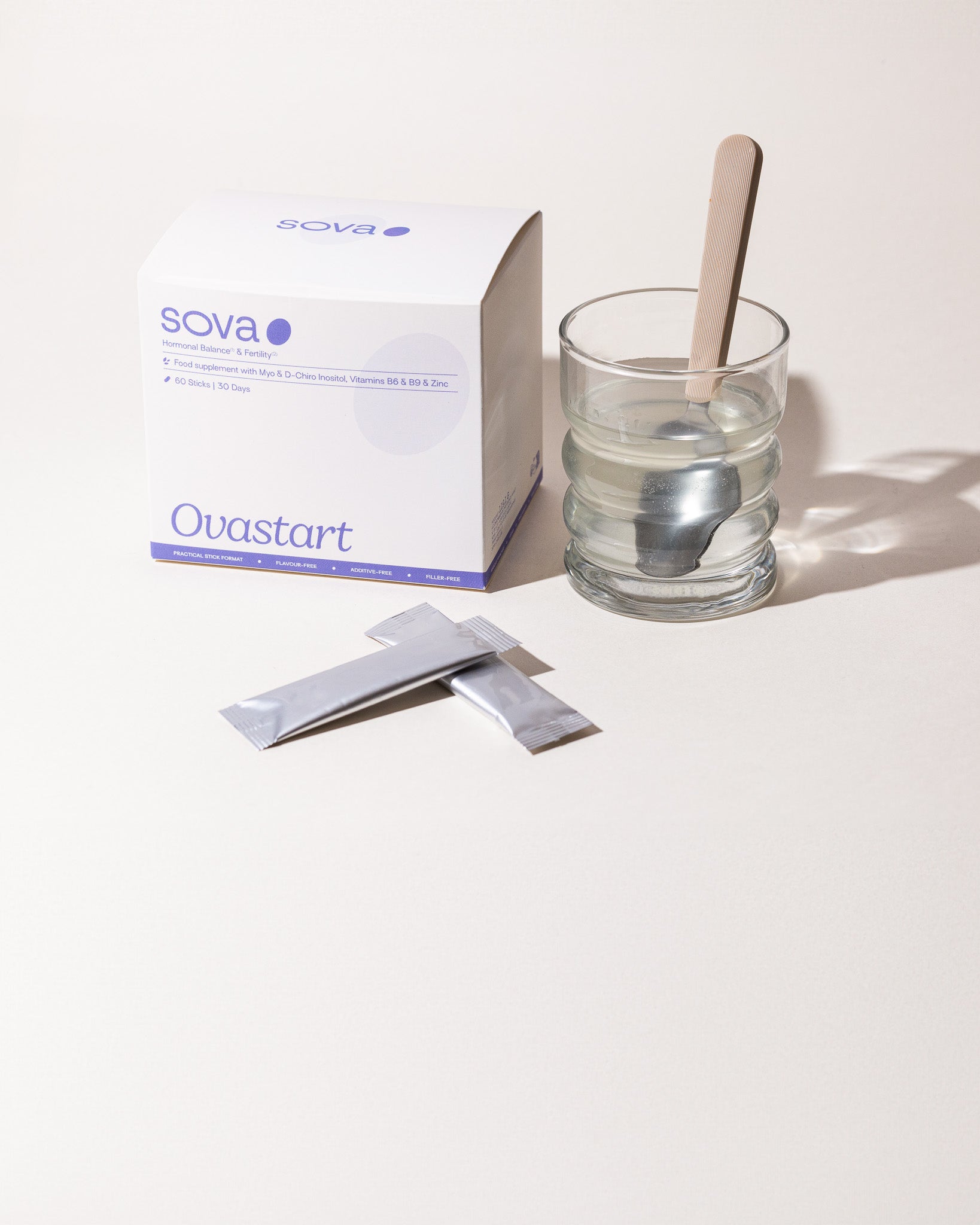




The Balance Bundle
The Hormone Balance Supplements Built for PCOS - Two Products, One Complete System
From £53

Sugar Balance
Berberine Supplement UK - Blood Sugar, Insulin & Metabolic Support for Women with PCOS
From £26
Table of contents
- 01. Do Supplements Actually Work for PCOS? (The Diet-Hormone Connection)
- 02. Priority 1: Supporting Insulin Resistance & Metabolic Health
- 03. Priority 2: Soothing Chronic Inflammation & Regulating Stress
- 04. Priority 3: Support for Fertility, Hair, and Skin
- 05. The All-in-One Debate: Is a Single Formula Enough?
- 06. Safety First: Interactions and Medical Guidelines
- 07. Beyond the Bottle - Syncing Supplements with Your Life
You've overhauled your diet. You're eating better than ever, you've cut out refined sugar, and you're doing everything you've been told to do - and yet your cycle is still unpredictable, your energy won't come back, and you sometimes feel like you're navigating in the dark inside your own body.
If that resonates, know that you're not failing. PCOS is fundamentally a metabolic and hormonal condition. Insulin resistance, chronic inflammation, and androgen excess don't always respond to dietary changes alone - and that's completely normal. This is where the right supplements can play a valuable role: not as a replacement for your lifestyle habits, but as targeted support to make those habits even more effective.
In this guide, we'll walk through what the research actually shows, which supplements have the strongest evidence base, how to match them to your specific symptoms, and how to use them safely.
|
Key Takeaways • Most clinicians recommend allowing at least 3 months before assessing results - this aligns with one complete ovarian follicle maturation cycle. • The synergy of Myo-Inositol + D-Chiro-Inositol at a combined total dose of 4 g per day is one of the most researched interventions specifically for PCOS (DOI: 10.1530/EC-17-0243). • Adding Vitamin B9 (Folate) to inositol is the clinical reference combination for supporting oocyte quality and pregnancy rates. • Berberine has shown promising metabolic effects but must never be combined with Metformin without medical supervision - risk of hypoglycaemia. It is also not recommended during pregnancy. • Vitamin D insufficiency is extremely common in PCOS and explicitly cited by the 2023 International PCOS Guideline (Teede et al., 2023) - getting your levels tested is a valuable first step. • The gut microbiome plays an underestimated role in PCOS-related inflammation and insulin resistance. • If you take Metformin, a useful step is to monitor your Vitamin B12 levels regularly, as this medication may reduce its absorption over time. • No supplement replaces a low-glycaemic diet, regular movement, and quality sleep. They work best together. |
Do Supplements Actually Work for PCOS? (The Diet-Hormone Connection)
In PCOS, insulin resistance often acts as a silent brake. When cells respond less well to insulin, the body compensates by producing more of it. This excess insulin can stimulate androgen production in the ovaries - including testosterone - which can disrupt ovulation and encourage abdominal weight gain.
Certain nutrients may act as biochemical support to help soothe this imbalance. Research suggests they help your diet work more effectively - by supporting the regulation of insulin sensitivity, helping reduce inflammatory markers, and accompanying the pathways that allow your body to clear excess hormones.
The evidence base is strengthening. The 2023 International Evidence-Based Guideline for the Assessment and Management of PCOS - developed across 71 organisations in 37 countries - now recommends inositol alongside lifestyle change as an option for metabolic and reproductive management. This is a complementary approach, not a replacement for medical care.
|
✨ Also worth reading on the PCOS Bible: → Insulin Resistance and PCOS – What's the Link? Understanding the central mechanism behind your symptoms: a foundational article covering hyperinsulinism and how to support it naturally. |
Priority 1: Supporting Insulin Resistance & Metabolic Health
Myo-Inositol, D-Chiro-Inositol & Vitamin B9: The Clinical Reference Combination
If there's one supplement that almost every woman with PCOS is likely to benefit from, it's inositol - and specifically, the synergy of its two most clinically studied forms.
Myo-Inositol (MI) acts as a second messenger in insulin signalling, facilitating glucose uptake into cells. D-Chiro-Inositol (DCI) plays a complementary role in glycogen synthesis and androgen metabolism. It is the synergy between these two forms - not either one taken in isolation - that is the key to the metabolic effectiveness observed in studies.
Research suggests that women with PCOS may have a defect in converting Myo-Inositol to D-Chiro-Inositol in certain tissues, particularly the ovaries. Supplying both forms simultaneously helps restore this balance where it is most needed. A meta-analysis published in Endocrine Connections (DOI: 10.1530/EC-17-0243), reviewing multiple randomised controlled trials, found that this supplementation significantly improved hormonal profiles, reduced androgen levels, and supported more regular menstrual cycles.
The total dose of 4 g per day - delivering both inositol forms combined, split between morning and evening - is the dose used in the principal clinical studies to restore ovulation and support insulin signalling balance. This is the clinical standard, regardless of the precise distribution between the two forms.
|
�� The B9 Synergy: Why It Matters The combination of Myo-Inositol + Vitamin B9 (Folate) is the clinical reference combination for improving oocyte quality and pregnancy rates in women with PCOS. Folates support DNA methylation in developing oocytes, while myo-inositol supports insulin signalling in the ovary - the two processes work synergistically to create a more favourable follicular environment. Clinical studies have shown this combination improves pregnancy rates compared to inositol alone in women with PCOS who are trying to conceive. |
Our Ovastart supplement: Ovastart has been formulated to meet this clinical standard precisely - it delivers 4,000 mg (4 g) of inositols (Myo-Inositol + D-Chiro-Inositol) with the essential co-factors Vitamin B9 (folate), Vitamin B6, and Zinc, to support oocyte quality, hormonal balance, and homocysteine metabolism. This complete formulation is what makes it a coherent answer to what clinical research recommends.

Practical note: Split the dose between morning and evening, with a glass of water before a meal. A useful step is to keep a cycle journal from the first month - the first signs of improvement (cycle regularity, PMS symptoms) often appear before the 3-month mark.
Berberine: A Promising Plant-Based Support for Insulin Sensitivity
Berberine is a bioactive compound derived from plants including Berberis vulgaris (barberry). Its primary mechanism is the activation of AMPK - adenosine monophosphate-activated protein kinase - a central enzyme governing how cells produce and use energy, and one that is often underactive in insulin-resistant states.
Studies suggest berberine may offer metabolic benefits comparable to metformin in some women with PCOS. A randomised controlled trial published in the European Journal of Endocrinology observed similar reductions in testosterone, LH/FSH ratio, and fasting insulin - with berberine also showing a more favourable effect on lipid profiles. It should be noted this was a single trial with a limited sample; larger long-term studies are still needed.
|
⚠️ Safety - Two Essential Points: 1. Do not combine with Metformin without medical supervision: both activate AMPK and lower blood glucose - together they may cause hypoglycaemia (dangerously low blood sugar). If you are prescribed Metformin, speak to your doctor before starting berberine. 2. Not recommended during pregnancy: as a precautionary measure, berberine is not advised during pregnancy. If you are trying to conceive or are already pregnant, a good option for you is to focus on Inositol + B9 instead, and discuss all supplementation with your medical team. |
Practical dosing: 500 mg, 2–3 times daily with meals. Mild GI discomfort in the first few weeks is common and usually settles. Some practitioners suggest cyclical use (8–12 weeks on, 4-week break), though the optimal duration has not been formally established in clinical trials.
|
✨ Also worth reading on the PCOS Bible: → The Benefits of Berberine for PCOS A full breakdown of the AMPK mechanism, the available evidence, and how to integrate berberine safely into your PCOS routine. |
|
What supplements are best for PCOS weight loss? The supplements with the strongest clinical evidence for supporting metabolic health and body composition in PCOS are the Myo-Inositol + D-Chiro-Inositol synergy (at a combined total of 4 g/day) and Berberine. Studies suggest these help support the regulation of insulin sensitivity - the central metabolic driver of weight gain in PCOS. Research shows improvements in fasting insulin and waist circumference over 12–24 weeks. They are most effective when combined with a low-glycaemic diet and regular physical activity, not used in isolation. |
Quick Reference: Match Your Symptoms to Your Supplements
|
If your main symptom is... |
The lead supplement to consider... |
What the research suggests |
|
Irregular cycles |
Myo-Inositol + D-Chiro-Inositol (4 g/day) |
Studies suggest it helps support the regulation of ovarian insulin signalling to encourage more regular ovulation. |
|
Abdominal weight gain |
Berberine |
Studies suggest it may help reduce fasting insulin by activating AMPK, the enzyme that governs how cells use energy. |
|
Cystic acne / hair loss |
Zinc (PubMed 32784601) |
Studies suggest it helps reduce 5-alpha reductase activity, supporting the regulation of excess DHT production. |
|
Anxiety / poor sleep |
Magnesium Glycinate |
Supports the regulation of the HPA (stress) axis and GABA activity for calmer, deeper sleep. |
|
Fertility / oocyte quality |
Myo-Inositol + Vitamin B9 (Folate) |
The clinical reference combination: studies suggest it helps balance the follicular environment and reduce oxidative stress on developing eggs. |
|
Imbalanced gut microbiome |
Probiotics (Lactobacillus strains) |
Studies suggest they help rebalance gut flora, supporting the regulation of inflammation and insulin resistance. |
|
Fatigue / Vitamin D insufficiency |
Vitamin D3 |
Studies suggest it supports the regulation of insulin sensitivity and ovarian function when confirmed deficiency is present. |
Priority 2: Soothing Chronic Inflammation & Regulating Stress
Chronic low-grade inflammation is both a driver and a consequence of PCOS. It sustains insulin resistance, stimulates androgen production, and disrupts ovarian function. Soothing this inflammation alongside insulin resistance is an important axis of a holistic and gentle management approach.
Omega-3s (EPA/DHA): Supporting and Soothing the Inflammatory Response
EPA and DHA - the omega-3 fatty acids found predominantly in marine sources - are among the most studied anti-inflammatory nutrients in human biochemistry. They work by modulating the production of pro-inflammatory signalling molecules and supporting the resolution of inflammation at a cellular level.
For women with PCOS specifically, research suggests omega-3 supplementation may help reduce triglycerides, lower circulating androgens, and support markers of insulin sensitivity. A systematic review published in Reproductive Biology and Endocrinology reported significant reductions in testosterone and LH levels compared to placebo, though studies varied in dose and duration.
One thing worth noting: if you take anticoagulants such as warfarin, high-dose omega-3s (above 3 g/day) can have mild antiplatelet effects that may amplify bleeding risk. A useful step is to speak with your GP before supplementing at higher doses.
Practical dosing: 2,000–3,000 mg combined EPA/DHA daily, taken with meals. Look for products with third-party certification for oxidation and heavy metal content.
Magnesium Glycinate: Balancing Sleep and Cortisol
Magnesium is a cofactor in over 300 enzymatic reactions in the body, including those involved in glucose metabolism and stress hormone regulation. Research consistently shows that women with PCOS tend to have lower magnesium levels - partly because insulin resistance itself drives urinary magnesium loss, and partly because chronic stress depletes reserves.
This can create a cycle that is possible to rebalance: lower magnesium may impair insulin sensitivity, which elevates cortisol, which in turn further depletes magnesium. Research published in Nutrients highlights magnesium's role in supporting the regulation of the HPA (stress) axis and improving sleep quality. Taken in the evening, it may support deeper sleep - which matters, because poor sleep independently worsens insulin resistance.
Practical dosing: 300–400 mg magnesium glycinate or bisglycinate daily, taken in the evening. This form is considerably better tolerated than magnesium oxide.
Gut Microbiome & Inflammation: The Gut-Hormone Axis Often Overlooked
The gut microbiome is playing an increasingly recognised role in PCOS. Studies show that women with PCOS have lower intestinal microbial diversity compared to women without the condition - a state called dysbiosis. This dysbiosis aggravates systemic inflammation and insulin resistance, creating a vicious cycle that amplifies hormonal symptoms.
The mechanism is direct: an imbalanced microbiome increases intestinal permeability ("leaky gut"), allowing pro-inflammatory compounds to enter the bloodstream and activate inflammatory pathways that disrupt insulin signalling. Rebalancing the microbiome is therefore a meaningful option for supporting the entire metabolic cascade in PCOS.
Probiotics based on Lactobacillus strains have shown promising effects in this context. A systematic review published in the European Journal of Nutrition reported that probiotic supplementation improved metabolic markers - including fasting insulin, CRP (C-reactive protein, an inflammatory marker), and lipid profiles - in women with PCOS.
Vitamin D: The Silent Deficiency That Amplifies PCOS Symptoms
Vitamin D acts more like a hormone than a vitamin: its receptors are found in ovarian tissue, pancreatic beta cells, and immune cells. And yet, Vitamin D deficiency or insufficiency is one of the most common findings in PCOS - so much so that it is explicitly cited by the 2023 International PCOS Guideline (Teede et al., 2023) as a factor to assess systematically.
Studies show that women with PCOS have significantly lower Vitamin D levels than women without PCOS, with reported associations with more marked insulin resistance, higher androgen levels, and more irregular cycles. A systematic review and meta-analysis published in Fertility and Sterility (Irani & Merhi, 2014) found that Vitamin D supplementation improved insulin sensitivity and was associated with reduced testosterone levels in women with confirmed deficiency.
|
�� Worth noting: Vitamin D also plays a role in regulating the immune system and reducing inflammation - two axes directly relevant to PCOS. Supplementing without prior testing is not advised, as prolonged excess can have adverse effects. A useful step is to ask your doctor to test your 25-OH Vitamin D at your next blood panel. |
Practical dosing: Get your 25-OH Vitamin D level tested before supplementing. For confirmed insufficiency, 1,000–2,000 IU/day is the typical maintenance dose. Vitamin D3 (cholecalciferol) is the best-absorbed form, ideally taken with a fat-containing meal.
|
What supplements are good for hormonal balance in PCOS? Research highlights several key axes of support for hormonal balance in PCOS: the Inositol synergy (Myo + D-Chiro at 4 g/day) with Vitamin B9 for insulin signalling and oocyte quality, Vitamin D for ovarian and immune function (test before supplementing), Omega-3s to soothe inflammation and support androgen metabolism, Probiotics (Lactobacillus) to rebalance the gut microbiome and reduce systemic inflammation, and NAC or Magnesium for antioxidant support and cortisol regulation. These supplements address different aspects of PCOS-related hormonal disruption and tend to work best as part of a combined, individualised approach. |
Priority 3: Support for Fertility, Hair, and Skin
Insulin resistance and inflammation are the upstream drivers of PCOS - but the downstream symptoms are often what affect daily life most acutely. Irregular ovulation, hair thinning, and persistent acne can have a real impact on how you feel in your body, and these supplements may offer more targeted support for those specific concerns.
N-Acetyl Cysteine (NAC): Supporting Oocyte Quality, Ovulation & Detoxification
N-Acetyl Cysteine is a precursor to glutathione - the body's primary intracellular antioxidant. In PCOS, oxidative stress is chronically elevated, and research suggests this may impair oocyte quality, interfere with follicle development, and disrupt the hormonal environment needed for ovulation.
A randomised controlled trial (Nasr, 2010 - Reproductive BioMedicine Online) studied NAC as an adjunct to clomiphene citrate in women with PCOS who were resistant to clomiphene alone. NAC showed comparable outcomes to Metformin for supporting ovulation and pregnancy rates in this context. The evidence is encouraging, though larger-scale trials would strengthen these findings. NAC has also been associated with improvements in fasting insulin in separate clinical studies.
NAC also supports liver function by feeding glutathione detoxification pathways in the liver - a key organ in the metabolism of steroid hormones. Supporting your liver means supporting your hormonal balance.
Practical dosing: 600 mg, 1–3 times daily. You may notice a distinct sulphurous smell - this is entirely normal and does not reflect product quality.
|
✨ Also worth reading on the PCOS Bible: → PCOS and fertility: understanding and improving your chancesConcrete, research-backed strategies to support your ovulation and balance your fertility naturally with PCOS. |
Zinc: Supporting Androgen Metabolism for Acne and Hair Loss
Androgenic symptoms - acne along the jawline and chin, oily skin, and female-pattern hair thinning - are among the most distressing aspects of PCOS for many women. They are linked to hyperandrogenism: excess DHT (dihydrotestosterone), produced when testosterone is converted by the enzyme 5-alpha reductase.
Studies suggest zinc helps support the regulation of this enzyme's activity. A review published in Nutrients (PubMed 32784601 - Nasiadek et al., 2020) reported improvements in acne severity with zinc supplementation, alongside benefits for immune function. Available studies remain relatively small in size, and zinc is considered a supportive rather than primary anti-androgen treatment.
Saw palmetto is traditionally used to support scalp and hair health and may also inhibit 5-alpha reductase activity. However, clinical trials specifically in women with PCOS remain very limited - it is not currently a first-line recommendation.
Practical dosing (zinc): 25–40 mg zinc bisglycinate or picolinate daily, taken with food. Do not exceed 40 mg/day long-term without medical oversight - high doses can deplete copper reserves. Note: Ovastart already includes zinc as a co-factor, so factor this in to avoid doubling up.
The All-in-One Debate: Is a Single Formula Enough?
Is there an all-in-one PCOS supplement?
The appeal of a single comprehensive formula is entirely understandable. Managing multiple supplements, timings, and costs is a real burden - and all-in-one PCOS formulations can be a useful starting point, especially if you're earlier in your journey and haven't yet identified your dominant symptom picture.
What matters most when evaluating a combined formula is whether the doses are therapeutic. Inositol, for example, needs to be present as both the Myo and D-Chiro forms at a combined total of 4 g per day to reflect the clinical standard. Many products include inositol in amounts that look meaningful on a label but fall well below that threshold - with the consequence of reduced effectiveness.
For women with multiple significant PCOS symptoms, a targeted approach - building from inositol as the foundation and adding specific nutrients based on your dominant concerns - tends to be more precise and adaptable. But a well-formulated product at clinical doses, like Ovastart, can be a coherent and practical option.
Safety First: Interactions and Medical Guidelines
Supplements are not risk-free, particularly when combined with prescription medications. The table below outlines the most clinically relevant interactions for women with PCOS. This is not an exhaustive list - always disclose everything you are taking to your GP, gynaecologist, or endocrinologist.
|
Supplement / situation |
Medication / interaction |
Risk & guidance |
|
Berberine |
Metformin |
⚠️ Never combine without medical supervision. Both lower blood glucose via AMPK - together they may cause hypoglycaemia. Also not recommended during pregnancy as a precaution. |
|
Omega-3 (dose >3 g/day) |
Anticoagulants (warfarin, apixaban…) |
Mild antiplatelet effects may amplify bleeding risk. Monitor INR closely with your GP. |
|
Magnesium |
Certain antibiotics / bisphosphonates |
May reduce drug absorption. Space doses at least 2 hours apart. |
|
NAC |
Nitroglycerin |
May potentiate vasodilation. Use under medical supervision only. |
|
Inositol |
Lithium |
Limited data suggests a possible interaction. Discuss with your psychiatrist if prescribed lithium. |
|
Vitamin D (>4,000 IU/day, prolonged) |
Thiazide diuretics |
Risk of hypercalcaemia at high prolonged doses. Annual blood monitoring is recommended. |
|
Metformin (kind note) |
— |
�� If you take Metformin, a useful step for you is to monitor your Vitamin B12 levels regularly, as this medication may reduce its absorption over time. |
The 2023 International PCOS Guideline recommends that all supplement and lifestyle interventions be individually tailored - based on your specific symptoms, hormonal profile, and reproductive goals. If you are pregnant or trying to conceive, a good step is to discuss all supplementation with your obstetric team before starting or continuing.
Beyond the Bottle - Syncing Supplements with Your Life
Supplements can be a meaningful part of a journey toward wellbeing with PCOS - but they work best when they build on the foundations that make the biggest difference: a low-glycaemic diet that helps balance blood sugar, regular movement (particularly resistance training and walking, which directly support insulin sensitivity), consistent sleep, and active stress management.
If you're starting from scratch, the Myo-Inositol + D-Chiro-Inositol synergy at a combined total of 4 g per day - ideally with Vitamin B9 if fertility is a goal, and Vitamin D if a deficiency has been identified - is a solid and evidence-aligned first step. Build from there based on what is most affecting your quality of life.
Give it time. Most clinicians suggest at least 3 months before assessing whether something is working - you are working with real biological timelines. Track your symptoms, work with your healthcare team, and approach this as a long game.
You deserve to feel well in your body. ❤️
Scientific References
Over 50,000 women have already adopted our routines, rating us an excellent 4.7/5 average (from 3,300+ reviews). Our supplements are formulated in French laboratories using clean, carefully sourced ingredients, with a maximum of patented active ingredients proven for their effectiveness.
- Founded by women with PCOS, we understand the reality of hormonal disorders.
- Clinically studied: High-quality ingredients, including patented forms like Quatrefolic® and an optimal Myo-/D-Chiro Inositol ratio.
- Holistic support: Formulated for hormonal balance, metabolic health, inflammation, mood, and cycle regulation.
- Science-led formulas: Transparent ingredients with absolutely no unnecessary additives.

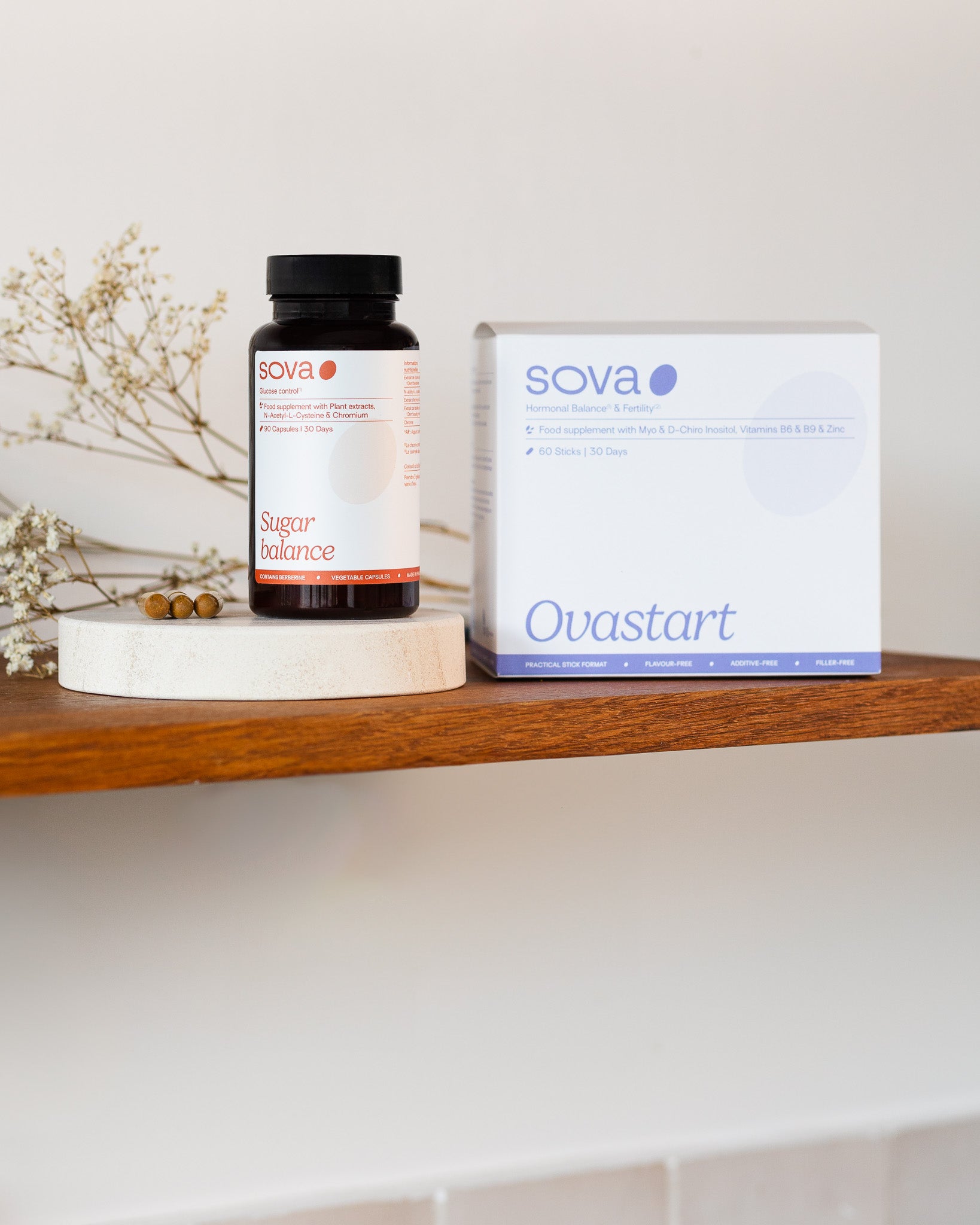
The Hormone Balance Supplements Built for PCOS - Two Products, One Complete System
Berberine Supplement UK - Blood Sugar, Insulin & Metabolic Support for Women with PCOS