


Sugar Balance
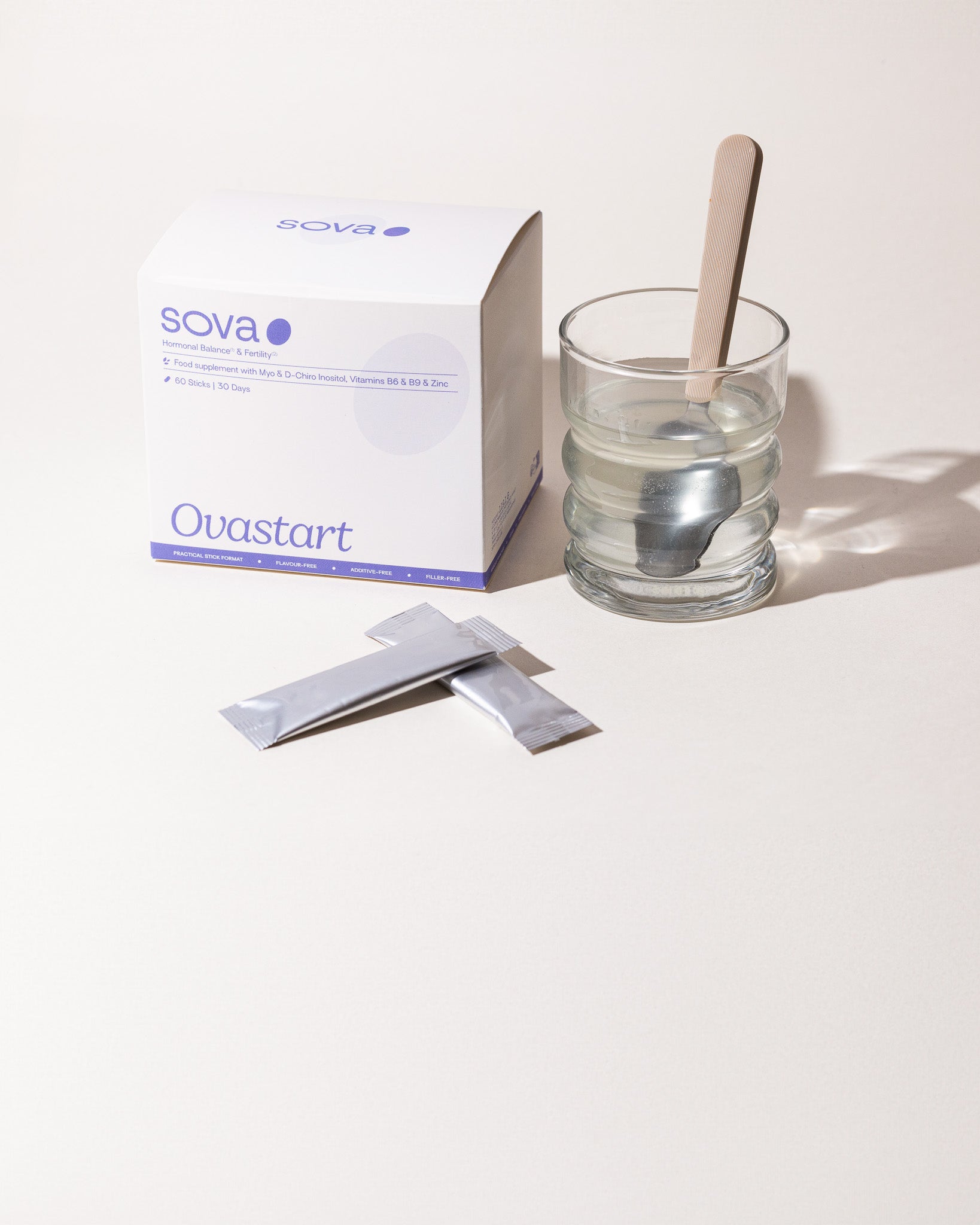
Berberine Supplement UK - Blood Sugar, Insulin & Metabolic Support for Women with PCOS
From £26

The Balance Bundle
The Hormone Balance Supplements Built for PCOS - Two Products, One Complete System
From £53
Table of contents
- 01. The "PCOS Plate" Formula: Why These Meals Work
- 02. 15-Minute "Emergency" PCOS Meals for Busy Days
- 03. High-Protein Vegetarian & Vegan Mains
- 04. Metabolic-Boosting Seafood & Lean Meats
- 05. The "Crave-Crushing" Corner: PCOS-Friendly Comfort Foods
- 06. Beyond the Recipe: 3 Habits for Meal Success
- 07. Frequently Asked Questions
- 08. Your PCOS Pantry Staples — The Screenshot-Worthy Shopping List
- 09. Key Terms
If you have PCOS, you have probably heard the advice "just eat healthy" more times than you can count. And for many women, standing in the kitchen at 7pm - tired and craving sugar, staring at the fridge - that advice can feel frustratingly incomplete.
The truth is, eating well with PCOS is not just about choosing salad over chips. It is about understanding why your body responds the way it does to certain foods, and then using that knowledge to make choices that genuinely work for you. Not perfectly. Just better.
This guide is here to help with exactly that - with real meal ideas, practical habits, and the science behind them, explained simply.
The "PCOS Plate" Formula: Why These Meals Work
Before the recipes, a little context. PCOS is deeply connected to two processes in the body: insulin regulation and inflammation. These two things shape your hunger, your energy, your cravings, and your hormones. Once you understand this, the way you eat will start to make a lot more sense.
If you've recently been diagnosed and are still making sense of what PCOS actually is, our full guide to understanding PCOS is a good place to start before diving in here.
Taming the Insulin Spike
Insulin resistance affects a significant proportion of women with PCOS — research estimates this figure ranges from 70% to as high as 95% in some phenotypes [1]. In simple terms, it means your body has to produce more insulin than usual to process the sugar in your blood. Too much circulating insulin then stimulates the ovaries to produce more androgens — hormones like testosterone — which worsens many PCOS symptoms: irregular periods, acne, unwanted hair growth, and weight changes.
The good news is that food can directly influence this cycle.
One of the most researched dietary strategies for PCOS is the low-glycaemic index (low-GI) diet. The glycaemic index (GI) measures how quickly a food raises your blood sugar. High-GI foods — white bread, sugary cereals, soft drinks — cause a sharp spike followed by a sharp crash, the "glucose rollercoaster" that leaves you hungry again within an hour. Low-GI foods — oats, lentils, quinoa, most vegetables — release energy slowly and keep blood sugar more stable.
In a landmark clinical trial published in the American Journal of Clinical Nutrition, 96 women with PCOS were followed for 12 months. Those who followed a low-GI diet showed greater improvements in insulin sensitivity and menstrual regularity compared to women on a standard healthy diet — even when weight loss was similar between the two groups [2]. The type of food matters, not just the amount.
To understand why food choices matter so much with PCOS, it helps to know what's happening under the surface — our guide to insulin resistance and PCOS explains the full picture.
A 2025 review in Current Nutrition Reports further confirmed that low-GI dietary interventions are an "efficient first-line dietary solution" for managing insulin resistance and improving quality of life in women with PCOS [3].
|
Why Fibre is a Hormonal Hero — The SHBG Connection Here is something that often goes unmentioned — and it is one of the most important mechanisms to understand. When insulin is chronically elevated, the liver reduces its production of a protein called Sex Hormone-Binding Globulin (SHBG). Think of SHBG as a sponge for excess androgens: it binds free testosterone in the bloodstream and renders it inactive. When SHBG drops, free testosterone rises — and symptoms like acne, excess hair growth, and cycle disruption worsen. Dietary fibre breaks this cycle. By slowing glucose absorption and reducing insulin spikes, a high-fibre diet helps restore SHBG production in the liver. A 2025 meta-analysis of randomised clinical trials found that high-fibre and low-GI diets significantly increased SHBG levels and reduced the Free Androgen Index (FAI — a direct measure of active testosterone) in women with PCOS [4]. In practice, eating more fibre-rich foods — leafy greens, lentils, oats, chia seeds, flaxseed — actively helps your body clear excess androgens and ease hormonal symptoms. It is not just good for your digestion. |
|
Why Fibre is a Hormonal Hero — The SHBG Connection Here is something that often goes unmentioned — and it is one of the most important mechanisms to understand. When insulin is chronically elevated, the liver reduces its production of a protein called Sex Hormone-Binding Globulin (SHBG). Think of SHBG as a sponge for excess androgens: it binds free testosterone in the bloodstream and renders it inactive. When SHBG drops, free testosterone rises — and symptoms like acne, excess hair growth, and cycle disruption worsen. Dietary fibre breaks this cycle. By slowing glucose absorption and reducing insulin spikes, a high-fibre diet helps restore SHBG production in the liver. A 2025 meta-analysis of randomised clinical trials found that high-fibre and low-GI diets significantly increased SHBG levels and reduced the Free Androgen Index (FAI — a direct measure of active testosterone) in women with PCOS [4]. In practice, eating more fibre-rich foods — leafy greens, lentils, oats, chia seeds, flaxseed — actively helps your body clear excess androgens and ease hormonal symptoms. It is not just good for your digestion. |

The Anti-Inflammatory Edge
PCOS is also linked to low-grade chronic inflammation — a slow-burning irritation in the body that makes insulin resistance worse and can fuel symptoms like fatigue, bloating, and pain [1].
Omega-3 fatty acids, found in oily fish (salmon, sardines, mackerel), walnuts, and flaxseeds, are among the most powerful anti-inflammatory nutrients available through food. A meta-analysis of 10 randomised controlled trials involving 610 women with PCOS found that omega-3 supplementation significantly reduced markers of inflammation (including C-reactive protein) and lowered testosterone levels while increasing SHBG [5].
A separate meta-analysis of nine trials found that omega-3 fatty acids also improved insulin resistance and reduced triglyceride and cholesterol levels in women with PCOS [6].
In practice: aim to eat oily fish two to three times a week. If that does not fit your routine, a quality omega-3 supplement may be worth exploring. If you'd like to understand exactly how omega-3s work — and why EPA and DHA matter more than ALA for PCOS — our full guide to the benefits of omega-3 goes into all of it.
|
Power-Swap Table — Standard vs. PCOS-Optimised Foods |
||
|
Instead of this... |
Try this instead... |
|
|
White rice |
Quinoa or brown rice |
|
|
Sugary breakfast cereal |
Rolled oats with chia seeds |
|
|
White bread |
Sourdough or rye bread |
|
|
Oat milk ⚠️ (GI ~69 — high for PCOS) |
Unsweetened almond milk (GI ~25) or soy milk (GI ~34) ✅ |
|
|
Fruit juice |
Whole fruit (fibre slows the sugar response) |
|
|
Regular pasta |
Chickpea or lentil pasta |
|
|
⚠️ A note on oat milk: Despite its popularity, commercial oat milk has a GI of approximately 69 — nearly twice that of dairy milk (~31) or almond milk (~25). This is caused by the enzymatic processing that converts oat starch into rapidly absorbed maltose. If you love oat milk, enjoy it occasionally and always pair it with a source of protein or fat to soften the blood sugar impact. |

15-Minute "Emergency" PCOS Meals for Busy Days
Fatigue and decision overload are common companions of PCOS — and they deserve acknowledgement, not blame. These ideas are built around speed: minimal thinking, minimal prep, maximum nourishment.
|
The "Is It PCOS-Friendly?" Checklist Before you eat, a helpful check: • 20g+ protein (eggs, fish, Greek yoghurt, legumes) • Fibre included (vegetables, legumes, wholegrains) • Slow carbs (low-GI — lentils, oats, quinoa, sourdough) • Healthy fat (olive oil, avocado, nuts, oily fish) Three out of four is already a great meal. |
Minimal Prep Dinners (Assembly Only)
Smoked salmon & avocado bowl — Flaked smoked salmon over brown rice, half an avocado, cucumber, a squeeze of lemon, and a drizzle of olive oil. Rich in omega-3s, healthy fats, and slow-releasing carbs. Done in 5 minutes.
Lentil, feta & spinach salad — Tinned green lentils, baby spinach, crumbled feta, cherry tomatoes, olive oil and balsamic. Add a soft-boiled egg for extra protein. 10 minutes maximum.
Greek yoghurt protein bowl — Full-fat Greek yoghurt, mixed berries, a tablespoon of ground flaxseed, and a handful of walnuts. Works as a quick dinner when energy is low — and it is legitimately nourishing.
One-Pan Hormone Balance
Ginger & sesame salmon with tenderstem broccoli — Salmon fillet with sesame oil, grated ginger and soy sauce. Add tenderstem broccoli. Roast at 200°C for 15 minutes. Serve with brown rice.
Garlic prawn & courgette stir-fry — Stir-fry raw prawns with courgette, red pepper and garlic in olive oil. Season with tamari. Serve over quinoa or cauliflower rice.
One-pan chicken & butter beans — Brown chicken thighs in a skillet, add tinned butter beans, cherry tomatoes, spinach and smoked paprika. Cover and cook for 12 minutes. A complete meal in one pan.
High-Protein Vegetarian & Vegan Mains
One of the most common pitfalls in plant-based eating with PCOS is leaning heavily on carbohydrates — pasta, bread, rice — without enough protein to slow the glucose response and support hormone balance. A helpful strategy: build the meal around plant-based protein first, then add the carbs.
Tempeh stir-fry with edamame and brown rice — Tempeh is fermented soy and one of the most complete plant-based proteins available. Pan-fry until crispy, then toss with edamame, pak choi, garlic, ginger, and tamari. The fermentation also supports gut microbiome diversity, increasingly linked to better hormonal balance.
 Lupini bean salad with roasted red pepper — Lupini beans are very high in protein, very low on the GI, and rich in fibre. Toss with roasted peppers, cucumber, parsley, lemon and olive oil.
Hemp & chickpea grain bowl — Cooked quinoa or farro, roasted chickpeas, shredded kale, hemp seeds, tahini dressing and lemon. Hemp seeds provide all essential amino acids plus omega-3s — a rare combination in plant foods.
Edamame & black bean tacos — Corn tortillas (lower GI than flour), filled with edamame, black beans, shredded red cabbage, avocado, lime and chilli. Serve with a dollop of full-fat Greek yoghurt instead of sour cream.
Metabolic-Boosting Seafood & Lean Meats
|
Hormone-Hero Nutrients — Inositol, Magnesium & Zinc Myo-Inositol Found naturally in wholegrains, legumes, and citrus fruits. Beyond its well-known role in improving insulin sensitivity, myo-inositol plays an independent role in oocyte (egg) maturation and quality. Clinical trials show it improves egg quality, fertilisation rates, and embryo development in PCOS women — by altering gene expression in granulosa cells and reducing oxidative stress in follicular fluid [7, 8]. This makes it relevant not only for metabolic health, but for fertility too. [→ Read the full Sova article on myo-inositol] Magnesium Found in dark leafy greens, almonds, pumpkin seeds, and dark chocolate. Many women with PCOS show lower magnesium levels. Magnesium plays a key role in insulin signalling and may help reduce cortisol (the stress hormone), which in turn supports more regular ovulation. [→ Explore magnesium on the Sova blog] Zinc Found in oysters, beef, pumpkin seeds, and lentils. Zinc helps regulate androgen levels and supports thyroid function, which can be affected in some women with PCOS. |
Sardine & white bean toast — Tinned sardines in olive oil, mashed onto rye toast with white beans, lemon, parsley and chilli flakes. One of the most omega-3-dense and affordable options available.
Grilled mackerel with roasted beetroot & lentils — Mackerel fillets served over Puy lentils, roasted beetroot, rocket, and a yoghurt-dill dressing. Mackerel delivers EPA and DHA; lentils provide iron and fibre.
Slow-cooked chicken & chickpea stew — Chicken thighs, tinned chickpeas, chopped tomatoes, turmeric, cumin and cinnamon. Turmeric contains curcumin, with well-documented anti-inflammatory properties. [→ Discover the Sova Golden Latte for another way to enjoy turmeric]
Turkey meatballs with courgette noodles & marinara — Lean turkey mince meatballs served over spiralised courgette with a simple tomato sauce. A PCOS-friendly comfort classic — the courgette noodles replace the glucose spike of regular pasta while keeping the dish satisfying.
The "Crave-Crushing" Corner: PCOS-Friendly Comfort Foods
Cravings with PCOS are a physiological signal — your body communicating what it needs. They are worth listening to, not fighting. The goal here is not restriction, but smart swaps that let you eat the foods you love without the aftermath.
Chickpea pasta with creamy mushroom sauce — Chickpea pasta has roughly twice the protein of regular pasta and a significantly lower GI. Blend sautéed mushrooms with crème fraîche, garlic, thyme and parmesan. Comfort food, entirely intact.
Dark chocolate & almond bark — 70%+ dark chocolate, melted, spread on baking paper, topped with sliced almonds, pumpkin seeds, and a pinch of sea salt. Dark chocolate contains antioxidant flavonoids and is considerably lower in sugar than milk chocolate.
Banana & oat "nice cream" — Blend frozen banana with almond butter and a pinch of cinnamon. Freeze for 20 minutes for a thick, creamy texture. No added sugar.
Cauliflower mac & cheese — Roasted cauliflower in a sauce made from blended butternut squash, nutritional yeast, garlic and oat milk. Rich, satisfying, and hormone-friendly.
Sweet potato & black bean quesadillas — Mashed roasted sweet potato (boiled or steamed retains a lower GI than baked [9]) and seasoned black beans, folded into a corn tortilla and pan-fried until crispy.
|
Support your hormones with the right products Sova is here to support you through your feminine moments and help you live better with PCOS — with natural, personalised solutions. |
Beyond the Recipe: 3 Habits for Meal Success
1. The Power of Food Sequencing
This is one of the most underrated tools in managing blood sugar — it costs nothing and requires no extra ingredients.
Research from Weill Cornell Medicine, published in Diabetes Care, found that simply changing the order in which you eat foods during a meal had a striking effect on blood sugar levels. When participants ate vegetables and protein before carbohydrates, their post-meal blood sugar was up to 37% lower at 60 minutes compared to eating carbohydrates first [10]. A follow-up study confirmed the same effect in people with prediabetes: eating protein and vegetables first reduced the post-meal glucose peak by more than 40% [11].
The mechanism is elegant: fibre and protein slow how quickly your stomach empties, meaning sugar enters the bloodstream more gradually. Protein also triggers the release of GLP-1, a gut hormone that regulates blood sugar and signals fullness to your brain.
|
Food Sequencing — Try It at Your Next Meal 1. Vegetables first (salad, broccoli, courgette, leafy greens) 2. Protein second (fish, chicken, eggs, legumes, tofu) 3. Carbohydrates last (rice, bread, pasta, sweet potato) Result: steadier blood sugar, fewer cravings, more stable energy for the rest of the day. |
2. Smart Meal Prepping for Hormonal Fluctuations
PCOS symptoms do not stay constant throughout the month. Many women notice that cravings intensify, energy drops, and motivation to cook disappears in the days before their period — or during stressful periods. This is the moment that undoes even the best intentions.
A structural approach, not a personal one: having nourishing food already prepared removes the pressure entirely.
• Once a week: cook a large batch of a grain — quinoa, brown rice, or lentils — that can span multiple meals.
• When energy is high: double the recipe and freeze half. A stew, soup, or meatballs ready for a harder week.
• Keep your emergency shelf stocked: tinned sardines, tinned chickpeas, tinned lentils, frozen edamame, and oat cakes are all PCOS-friendly, fast, and require zero preparation.
3. Timing and Hydration
The British Dietetic Association (BDA) recommends that people managing blood sugar conditions eat regular meals throughout the day rather than going long stretches without food, as prolonged gaps can sharpen blood sugar spikes when you do eat.
A gentle rhythm that many women find helpful: eating something within one to two hours of waking, and keeping meals spaced roughly four to five hours apart. This helps keep cortisol and insulin more stable through the day.
Hydration matters more than you might think too — even mild dehydration increases cortisol levels, which in turn affects insulin sensitivity. Six to eight glasses of water daily is a good starting reference.
Frequently Asked Questions
What is the best dinner for PCOS?
The best PCOS dinner combines a source of protein (salmon, chicken, eggs, or legumes), non-starchy vegetables (broccoli, courgette, leafy greens), a healthy fat (olive oil, avocado), and — if desired — a slow-release carbohydrate such as brown rice, lentils, or chickpea pasta. A good target to explore is around 20–25g of protein per meal. Quick options include a smoked salmon bowl, a one-pan chicken and butter bean skillet, or a lentil and feta salad.
What food is best to eat with PCOS?
Four key food categories support PCOS: low-GI carbohydrates (oats, quinoa, legumes, sourdough); lean proteins (salmon, chicken, eggs, tempeh, Greek yoghurt); anti-inflammatory fats (oily fish, olive oil, walnuts, avocado); and fibre-rich vegetables. These foods work together to support insulin sensitivity, increase SHBG, reduce inflammation, and help regulate hormones over time.
What are the best lifestyle habits for a PCOS diet?
Eating at regular intervals — roughly every four to five hours — helps avoid blood sugar crashes. Starting meals with vegetables and protein before carbohydrates is a small habit with well-documented metabolic benefits. Staying hydrated supports cortisol regulation. Prioritising sleep matters too — poor sleep directly increases insulin resistance. And gentle movement after meals (even a short walk) has been shown to blunt blood sugar spikes without requiring intense exercise.
Your PCOS Pantry Staples — The Screenshot-Worthy Shopping List
|
Proteins Salmon · Tinned sardines in olive oil · Tinned mackerel · Chicken thighs · Eggs · Full-fat Greek yoghurt · Tempeh · Firm tofu · Frozen edamame · Tinned chickpeas · Tinned lentils · Tinned butter beans Smart Carbohydrates Rolled oats · Quinoa · Brown rice · Puy or green lentils · Sourdough or rye bread · Chickpea pasta · Sweet potatoes (boiled or steamed) · Corn tortillas Vegetables Baby spinach · Tenderstem broccoli · Courgette · Cherry tomatoes · Red peppers · Kale · Rocket · Cucumber · Frozen peas Healthy Fats & Flavour Extra virgin olive oil · Avocado · Walnuts · Almonds · Ground flaxseed · Hemp seeds · Pumpkin seeds · Tahini · Unsweetened almond milk · Unsweetened soy milk Spices & Cupboard Essentials Turmeric · Cumin · Smoked paprika · Cinnamon · Tamari or soy sauce · Apple cider vinegar · Nutritional yeast · Tinned chopped tomatoes |
Key Terms
Insulin resistance: A condition where the body's cells do not respond normally to insulin, causing the pancreas to produce more. Very common in PCOS and a driver of many hormonal symptoms.
Glycaemic index (GI): A scale measuring how quickly a food raises blood sugar. Low-GI foods (under 55) release energy slowly and are better suited to PCOS management.
SHBG (Sex Hormone-Binding Globulin): A protein produced by the liver that binds free testosterone, rendering it inactive. Low SHBG means higher circulating androgens. Fibre-rich, low-GI diets help increase it.
Androgens: Male hormones (such as testosterone) that women also produce. Elevated androgens in PCOS can cause irregular cycles, acne, and excess hair growth.
Inflammation: A chronic low-grade immune response seen in PCOS that worsens insulin resistance and hormonal symptoms.
Omega-3 fatty acids (EPA and DHA): Anti-inflammatory fats found in oily fish and some plant foods. Shown to reduce inflammation, lower testosterone, and support insulin sensitivity in PCOS.
Food sequencing: The practice of eating vegetables and protein before carbohydrates. Shown to reduce post-meal blood sugar spikes by up to 40% in clinical trials.
A final word
Eating with PCOS can feel overwhelming — especially when advice is contradictory, symptoms shift with your cycle, and your body does not always respond the way you expect.
But nourishment does not have to be complicated. It starts with understanding that your cravings are signals, not failures. And that small, consistent changes — a swap here, a different food order there, a batch of lentils cooked on a Sunday — matter far more than any single perfect meal.
You do not need to overhaul everything at once. Choose one idea from this guide and explore it this week. That is more than enough.
Scientific References
Over 50,000 women have already adopted our routines, rating us an excellent 4.7/5 average (from 3,300+ reviews). Our supplements are formulated in French laboratories using clean, carefully sourced ingredients, with a maximum of patented active ingredients proven for their effectiveness.
- Founded by women with PCOS, we understand the reality of hormonal disorders.
- Clinically studied: High-quality ingredients, including patented forms like Quatrefolic® and an optimal Myo-/D-Chiro Inositol ratio.
- Holistic support: Formulated for hormonal balance, metabolic health, inflammation, mood, and cycle regulation.
- Science-led formulas: Transparent ingredients with absolutely no unnecessary additives.

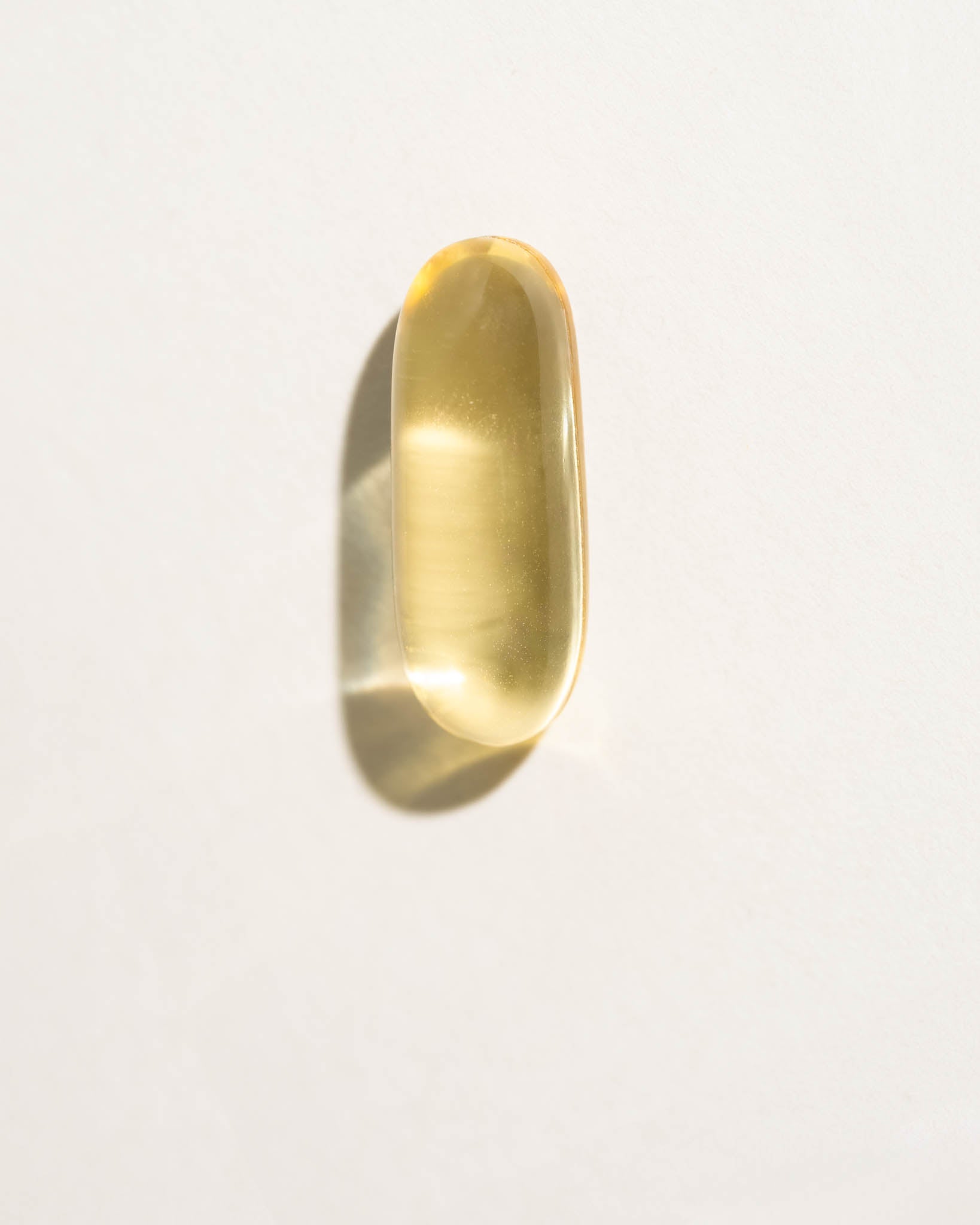
Berberine Supplement UK - Blood Sugar, Insulin & Metabolic Support for Women with PCOS
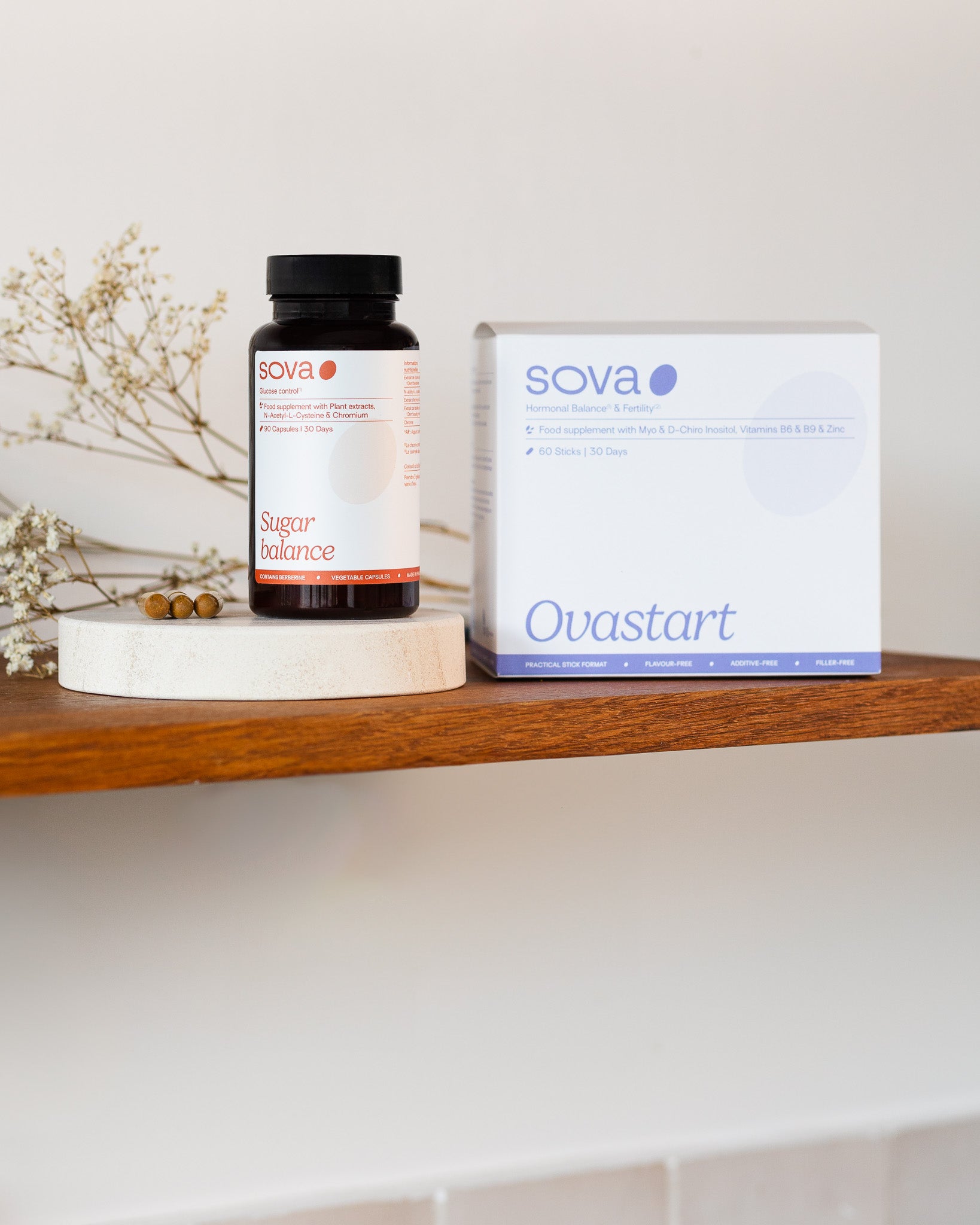
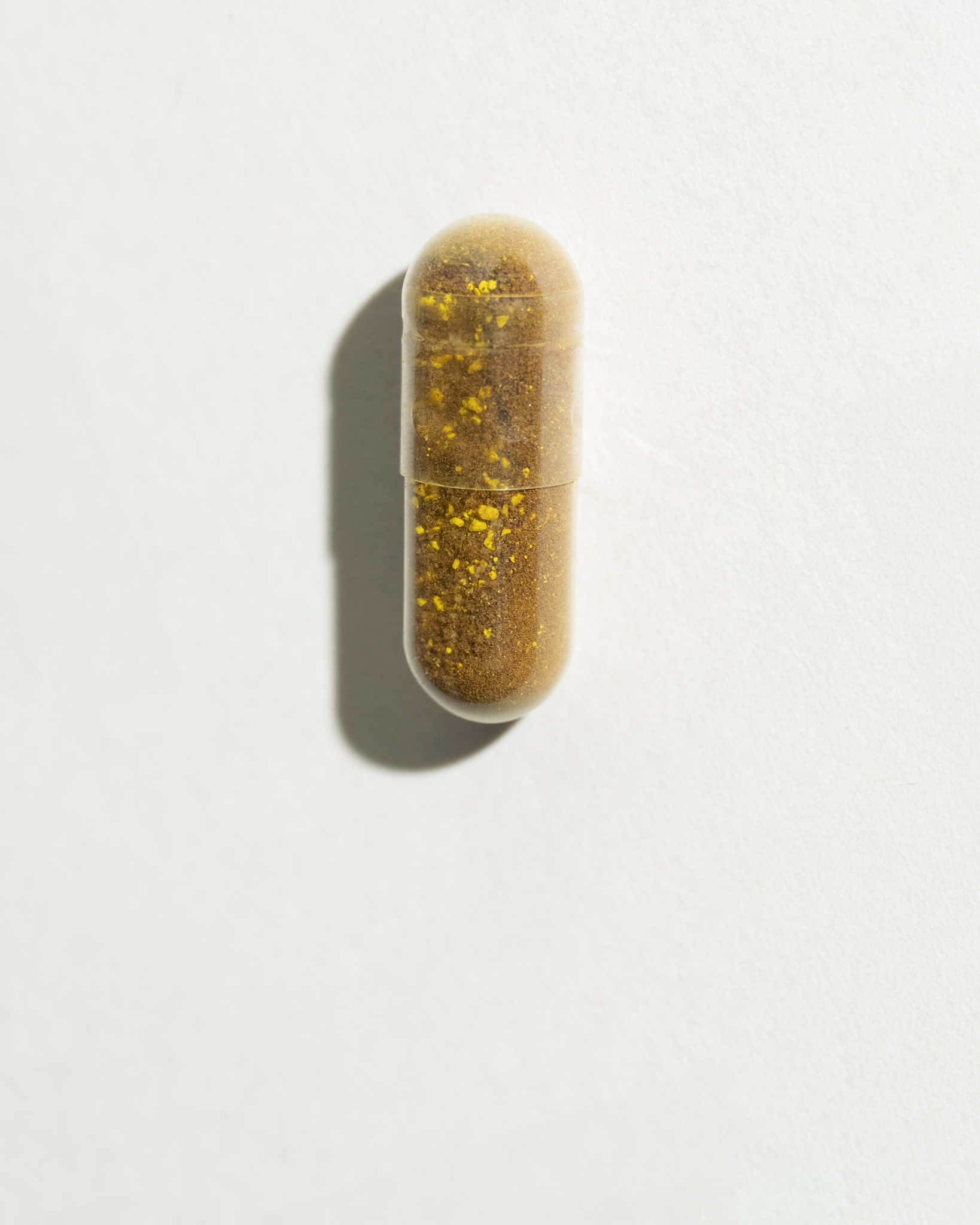
The Hormone Balance Supplements Built for PCOS - Two Products, One Complete System