


The Balance Bundle
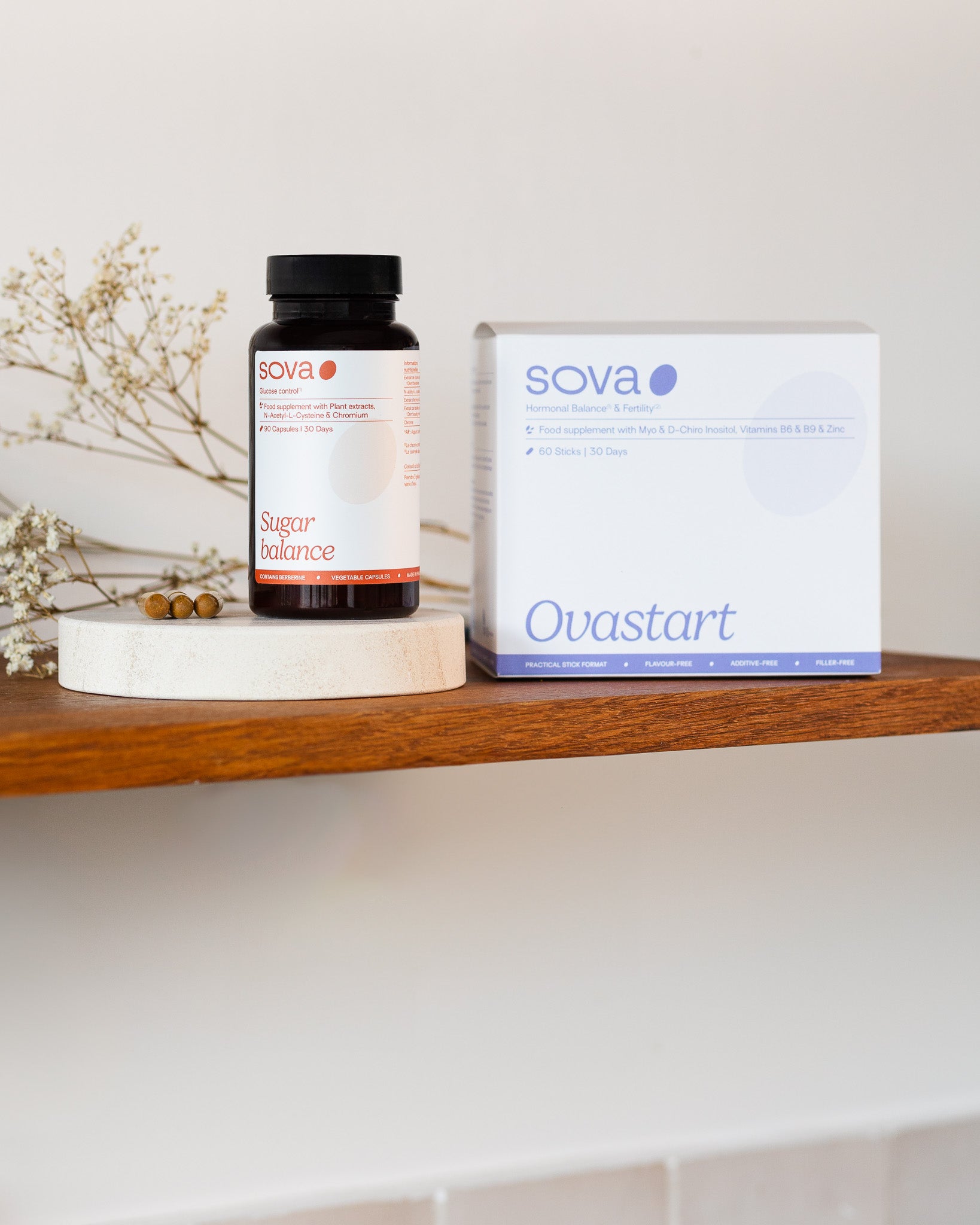
The Hormone Balance Supplements Built for PCOS - Two Products, One Complete System
From £53

Sugar Balance
Berberine Supplement UK - Blood Sugar, Insulin & Metabolic Support for Women with PCOS
From £26
Table of contents
- 01. The “Double Diagnosis”: How PCOS and Endometriosis Coexist
- 02. Where PCOS and Endometriosis Meet
- 03. The Challenges of Diagnosing Both Simultaneously
- 04. Integrated Treatment: Managing the “Clash”
- 05. Fertility and the Dual Diagnosis: What Are Your Options?
- 06. Expert Answers to Your Deepest Concerns
- 07. A Final Word 💜
- 08. Key Terms
Yes - you can absolutely have both PCOS (polycystic ovary syndrome) and endometriosis at the same time. If you have been living with one of these conditions and suspect something else might also be going on, you are not imagining things, and you are not alone. A dual diagnosis is a reality for many women, and it is one of the most under-recognised situations in women’s health today.
What makes this so challenging is that both conditions share some symptoms, yet each has its own distinct hormonal logic — and they can actually mask each other, keeping the second diagnosis hidden for years. This article is here to help you make sense of what your body might be telling you, understand the science in plain language, and know what questions to bring to your doctor.
|
💜 Quick Answer: Key Takeaways |
|
• Yes, PCOS and endometriosis can coexist in the same person. |
|
• Each affects roughly 1 in 10 women of reproductive age. |
|
• They are not caused by each other — but they share a hormonal bridge: oestrogen dominance. |
|
• Having both can significantly increase the complexity of your fertility journey. |
|
• PCOS tends to cause missing or irregular periods; endometriosis causes agonising ones. |
|
• A definitive diagnosis often requires two different tests — an ultrasound for PCOS and a laparoscopy for endometriosis. |
|
• Getting both conditions identified is the essential first step to effective, personalised treatment. |
The “Double Diagnosis”: How PCOS and Endometriosis Coexist
Why the Overlap is More Common Than You Think
PCOS and endometriosis each affect approximately 10% of women of reproductive age worldwide — making them two of the most common gynaecological conditions on the planet.(1) Given how frequently each condition occurs on its own, it should come as no surprise that some women have both.
A US-based research study found that among women who underwent gynaecological surgery (laparoscopy), nearly 1 in 20 had both an endometriosis diagnosis and symptoms consistent with PCOS.(2) That same study found that women with both conditions were ten times more likely to report a history of subfertility than women with neither condition. This figure highlights the importance of a holistic approach to better understanding your fertility journey.
What makes this overlap particularly difficult to spot is that the two conditions pull in opposite hormonal directions, which can lead clinicians to investigate one while the other goes undetected.
Oestrogen Dominance: The Hormonal Bridge
At first glance, PCOS and endometriosis seem like opposites. PCOS is driven by excess androgens (male hormones such as testosterone), while endometriosis is an oestrogen-dependent disease — meaning it grows and worsens in the presence of oestrogen. So how can both exist in the same body at the same time?
The answer lies in a process called anovulation — when the ovaries fail to release an egg. In PCOS, anovulation is extremely common; research suggests that around 97% of women with PCOS do not ovulate regularly.(3) When ovulation does not occur, the ovaries never produce the surge of progesterone that normally follows. Without progesterone to balance it, oestrogen is left unopposed — a state known as oestrogen dominance.
Oestrogen is the primary fuel for endometriotic tissue. A 2019 review published in Endocrine Reviews confirmed that endometriosis is fundamentally an oestrogen-dependent, chronic inflammatory disease, driven by local oestrogen excess and resistance to the balancing effects of progesterone.(4) This means that when PCOS creates chronic anovulation and the resulting progesterone deficit, it can create an internal environment that sustains or worsens endometriosis.
A 2024 study in Frontiers in Endocrinology added another layer to this picture: researchers identified shared genetic architecture between PCOS and endometriosis, including genes involved in steroid hormone pathways, endometrial receptivity, and inflammation — suggesting that for some women, the two conditions may be rooted in overlapping biological mechanisms.(5)
Anovulation → Low Progesterone → Oestrogen Dominance → Endometriotic Tissue Growth
Retrograde Menstruation: The Physical Mechanism
To understand how endometriosis develops, it helps to know the most widely accepted physical explanation: Sampson’s theory of retrograde menstruation. During a period, instead of leaving the body entirely, a small amount of menstrual blood — carrying endometrial cells — flows backwards through the fallopian tubes and into the pelvic cavity. These cells can then implant on surrounding structures such as the ovaries, fallopian tubes, or bowel, and begin to grow outside the uterus. While retrograde flow is thought to occur in most menstruating women, only around 10% develop endometriosis, suggesting that immune and hormonal factors — including oestrogen dominance — play a key role in allowing those cells to take hold and proliferate.(4)
Can One Condition Cause the Other?
It is tempting to think that one condition triggers the other, but the science tells a more nuanced story. PCOS and endometriosis are best understood as comorbidities — two distinct conditions that can occur together without one being the direct cause of the other.
Their hormonal profiles are actually quite different — even opposite in some respects. For example, women with PCOS tend to have elevated levels of LH and AMH, while women with endometriosis tend to have lower levels of both. PCOS is associated with high androgens and insulin resistance; endometriosis is associated with high oestrogen and immune dysregulation.(6) The fact that they can coexist is not because one causes the other, but because the hormonal environment created by PCOS can sometimes sustain or worsen endometriosis — particularly through oestrogen dominance.

Where PCOS and Endometriosis Meet
Despite their different mechanisms, PCOS and endometriosis share a recognisable cluster of symptoms that often leads to confusion. It may be helpful to keep in mind that experiencing several of these does not automatically mean you have both conditions - but it is worth exploring further with a specialist. Both conditions can cause:
• Difficulties getting pregnant or recurrent subfertility
• Heavy or abnormal uterine bleeding
• Fatigue and low energy
• Bloating and digestive discomfort
• Mood changes and anxiety linked to hormonal fluctuations
• Skin changes (acne, particularly hormonal in nature)
To explore more about how PCOS specifically affects pain and physical symptoms, our dedicated article on pain associated with PCOS goes into more depth on what is normal — and what might warrant further investigation.
This overlap means that without thorough investigation, it is easy for one condition to be diagnosed while the other is missed entirely.
The “Pain vs. Period” Rule: Key Differentiators
The clearest distinguishing feature between the two conditions is how they affect your cycle:
• PCOS tends to cause missing, irregular, or very infrequent periods — because without ovulation, there is no regular shedding of the uterine lining. Pain, when it occurs, is often sporadic rather than cyclical.
• Endometriosis tends to cause agonising periods — sometimes debilitating — along with chronic pelvic pain, pain during sex (dyspareunia), and pain with bowel movements. The pain is typically cyclical and worsens just before or during menstruation.
A useful guide: PCOS often means fewer or no periods; endometriosis often means periods that are impossible to ignore.
Is Endometriosis Pain Worse Than PCOS Pain?
In general terms, endometriosis is associated with chronic, severe, and often progressive pain that can significantly impact daily life, work, and mental health. PCOS-related pain tends to be more intermittent and linked to specific events such as a rare ovulation or heavy bleeding following an absence of periods.
That said, pain is deeply personal and highly variable. Some women with PCOS experience significant discomfort, while some women with endometriosis have few symptoms initially. The WHO notes that endometriosis is one of the leading causes of chronic pelvic pain in women worldwide — but also that symptoms do not always reflect disease severity.(7)
Symptom Comparison at a Glance
|
|
PCOS |
Endometriosis |
Both |
|
Pain type |
Sporadic, linked to irregular cycles |
Chronic, severe, cyclical |
Both types present |
|
Periods |
Irregular or absent |
Heavy, agonising |
Irregular and/or very painful |
|
Hormonal profile |
High androgens, insulin resistance |
High oestrogen, progesterone resistance |
Combined imbalance possible |
|
Fertility impact |
Anovulation, poor egg quality |
Poor implantation environment |
10x higher subfertility risk |
|
Diagnosis |
Ultrasound + blood tests |
Laparoscopy (gold standard) |
Both tests needed |
The Challenges of Diagnosing Both Simultaneously
Why PCOS Often Masks Endometriosis (and Vice Versa)
One of the most frustrating realities of a dual diagnosis is what clinicians call diagnostic overshadowing — where the symptoms of one condition are so prominent that they draw all attention away from the second.
In the case of PCOS, the absence of regular periods can actually conceal endometriosis. Because endometriosis pain is typically linked to the menstrual cycle, a woman who rarely has periods due to PCOS may not experience the classic pain pattern that would normally raise suspicion of endometriosis. Research has found that dysmenorrhoea (period pain) — one of the main red flags for endometriosis — can be significantly muted in women with PCOS precisely because of anovulation.(2)
Going in the other direction, endometriosis can be overshadowed by PCOS when pelvic pain is attributed to ovarian cysts (common in PCOS) rather than endometriotic implants — which require a different kind of imaging or surgery to detect.
What About Adenomyosis? The Condition Often Forgotten in This Conversation
When exploring conditions that can coexist with PCOS, it is worth knowing about adenomyosis — sometimes described as a “cousin” of endometriosis. While endometriosis involves tissue growing outside the uterus, adenomyosis occurs when tissue similar to the uterine lining grows into the muscular wall of the uterus itself. The result can be a uterus that is enlarged, tender, and a source of heavy, painful periods.
For women with PCOS — particularly those who experience irregular but heavy bleeds, or chronic pelvic heaviness — adenomyosis is worth raising with a specialist. It can be identified via MRI or specialist ultrasound and, like endometriosis, is an oestrogen-dependent condition that can be worsened by the hormonal environment associated with anovulatory PCOS. If you are experiencing chronic pelvic pain that does not seem fully explained by either PCOS or endometriosis alone, a helpful next step could be asking your gynaecologist whether adenomyosis might also be playing a role.
The Peak Age for an Endometriosis Diagnosis
Endometriosis is most commonly diagnosed between the ages of 25 and 40, though symptoms often begin years earlier. A large scoping review found that the average age at onset of symptoms is around 20 years old in adults, while the average age at diagnosis is closer to 29.(8)
Critically, the average diagnostic delay for endometriosis is between 6 and 10 years from the first onset of symptoms — a gap that the WHO has identified as a serious global health concern.(7) Women frequently report being told their pain is normal, or being managed for other conditions like irritable bowel syndrome, before endometriosis is considered.
|
🔍 Diagnosis Checklist: Is it More Than Just PCOS? |
|
☐ Do you experience severe, cyclical pelvic pain that worsens during your period? |
|
☐ Do you experience pain during or after sex? |
|
☐ Do you have pain with bowel movements or urination during your period? |
|
☐ Do you experience bloating that is disproportionate to your cycle (sometimes called “endo belly”)? |
|
☐ Have you struggled to conceive despite addressing anovulation (e.g., with ovulation induction)? |
|
☐ Does your pain remain severe even during cycles when you do ovulate? |
|
☐ Have you been treated for IBS or other digestive issues without resolution? |
If several of these resonate with you, it may be beneficial to raise the possibility of endometriosis with your doctor — even if you already have a PCOS diagnosis. You deserve a complete picture of what is happening in your body.
The Gold Standard: How to Get a Definitive Diagnosis for Both
PCOS and endometriosis each require different diagnostic pathways, which is part of why they can both remain undetected:
• PCOS is diagnosed through a combination of pelvic ultrasound (to identify polycystic ovarian morphology) and blood tests (to measure androgen levels, LH, FSH, and sometimes insulin). Under the Rotterdam Criteria, two out of three features are needed: irregular cycles, hyperandrogenism, and/or polycystic ovaries on scan.
• Endometriosis is confirmed through laparoscopy — a keyhole surgical procedure in which a surgeon directly visualises the pelvis for endometriotic implants. While ultrasound and MRI can sometimes suggest endometriosis (particularly in the case of ovarian endometriomas or deep infiltrating disease), they cannot rule it out. The WHO notes that clinical diagnosis based on symptoms and imaging is now widely practised, but surgery remains the definitive method.(7)
A helpful step could be asking your gynaecologist about the possibility of laparoscopy if you have PCOS and continue to experience significant pain or unexplained subfertility — this is a reasonable and evidence-supported conversation to have.
Integrated Treatment: Managing the “Clash”
When Hormonal Treatments Help One but Complicate the Other
One of the core challenges of a dual diagnosis is that treatments effective for one condition can be contraindicated for the other — or at least require careful thought.
The combined oral contraceptive pill is often used to manage both PCOS symptoms and endometriosis pain. It can reduce androgen levels in PCOS and suppress the hormonal fluctuations that drive endometriotic tissue growth. However, it also suppresses ovulation entirely — which is not a long-term solution for women hoping to conceive. It also does not treat the underlying cause of either condition; it manages symptoms.
Hormonal treatments that strongly suppress oestrogen (such as GnRH analogues used for endometriosis) may worsen metabolic aspects of PCOS. Conversely, ovulation induction medications used in PCOS — which aim to stimulate the ovaries — need to be used thoughtfully if endometriosis is also present, as they can temporarily increase oestrogen levels.
This is precisely why identifying both conditions matters so much: it allows your medical team to build a treatment plan that addresses both simultaneously, rather than inadvertently worsening one while treating the other.
Anti-Inflammatory vs. Insulin-Sensitising Approaches
From a lifestyle perspective, the two conditions respond to overlapping but distinct nutritional strategies:
• For PCOS, the priority is often improving insulin sensitivity. This means limiting refined carbohydrates and sugars, prioritising fibre and protein, managing weight where appropriate, and supporting regular physical activity. To understand more about the connection between metabolism and PCOS, our article on insulin resistance and PCOS explores this link in depth.
• For endometriosis, the priority is reducing systemic inflammation. An anti-inflammatory diet rich in omega-3 fatty acids (found in oily fish, flaxseed, and walnuts), colourful vegetables, and low in processed foods and red meat is widely recommended by specialists.

When both conditions are present, combining these approaches — supporting insulin sensitivity and reducing inflammation — makes the most sense. This is where targeted supplementation can offer meaningful support.
Supplements such as myo-inositol have been well studied for improving insulin sensitivity and restoring hormonal balance in PCOS, while omega-3 fatty acids help address the inflammatory dimension of endometriosis. Together, they represent a complementary, evidence-informed approach for women navigating a dual diagnosis.

|
🗒️ Treatment Cheat Sheet: Goals and Approaches |
|
1. Regulate cycles: Lifestyle changes (diet, exercise), myo-inositol supplementation, medical ovulation induction |
|
2. Reduce pain and inflammation: Anti-inflammatory diet, omega-3 supplementation, hormonal management, laparoscopic surgery for endometriosis |
|
3. Improve fertility: Address anovulation (PCOS), reduce inflammatory burden (endometriosis), seek specialist fertility evaluation |
|
4. Support hormonal balance: Limit refined sugars, support liver detoxification, manage stress, consider targeted supplementation |
Fertility and the Dual Diagnosis: What Are Your Options?
Egg Quality vs. Implantation Environment
When it comes to fertility, PCOS and endometriosis create challenges at two different stages of the conception process — which is one of the reasons why a dual diagnosis adds complexity:
• PCOS primarily affects egg quality and availability. Without regular ovulation, there are fewer opportunities to conceive naturally. When ovulation is restored through medication, eggs may still be of variable quality due to hormonal imbalances and insulin resistance.
• Endometriosis primarily affects the implantation environment. Endometriotic tissue causes inflammation and scarring in the pelvis, which can affect the fallopian tubes, ovaries, and uterine lining — making it harder for a fertilised egg to travel and implant successfully.
Together, they create a situation where both egg quality and the environment that receives the embryo may benefit from support. A study in Fertility and Sterility found that among infertile women with PCOS who underwent laparoscopy in a fertility clinic setting, more than 70% were also found to have endometriosis — and those who had it identified and treated surgically had significantly better pregnancy outcomes than those who did not.(9) It is important to note that this figure reflects a specific population actively seeking help for infertility, and is not representative of all women with PCOS.
Proactive Steps for Conception with PCOS and Endometriosis
There is genuine reason for hope. Many women with both conditions go on to conceive — and the path benefits from proactive, personalised planning. We invite you to explore the following steps with your care team:
• Consider fertility investigations sooner rather than later. Because both conditions can be progressive, earlier assessment of ovarian reserve (via AMH levels and ultrasound) gives you the clearest picture of your options.
• Explore the possibility of a laparoscopy. If you have PCOS with unexplained subfertility or significant pain, a laparoscopy can both confirm or rule out endometriosis and, if present, treat it in the same procedure.
• Discuss ovulation induction with a specialist. Medications such as letrozole or clomiphene can help restore ovulation in PCOS, and their use can be tailored to account for endometriosis.
• Know that IVF is an effective option. For many women with a dual diagnosis, IVF bypasses ovulation difficulties and the hostile pelvic environment by handling fertilisation in a controlled setting and selecting the healthiest embryos for transfer. With careful hormonal management tailored to PCOS, outcomes can be very positive.
• Seek care from a specialist familiar with both conditions. A reproductive endocrinologist with experience in both PCOS and endometriosis is best placed to coordinate a treatment plan that addresses both.
Expert Answers to Your Deepest Concerns
What Happens If You Have PCOS and Endometriosis at the Same Time?
Living with both conditions means navigating a more complex hormonal picture. The most immediate practical consequence is that symptoms may be atypical — your endometriosis pain may be less obvious than it would be in someone without PCOS, because you have fewer periods. During the periods you do have, you may experience heavier or more painful bleeding — a sign that the uterine lining has built up significantly and endometriotic tissue is also responding.
Fatigue, mood changes, bloating, and skin concerns may be more pronounced. And as the research confirms, fertility can be more significantly affected — with one study showing a tenfold higher rate of subfertility in women with both conditions compared to those with neither.(2) Understanding this is not meant to be alarming, but rather to empower you to seek a thorough evaluation early.
Does Having PCOS Make Endometriosis Worse?
Not necessarily — but it can create conditions that sustain or worsen endometriotic tissue growth. As discussed, chronic anovulation in PCOS leads to oestrogen dominance, which is the hormonal environment that endometriosis thrives in. In that sense, poorly managed PCOS may contribute to the continuation of endometriotic processes.
A 2024 genetic study from Frontiers in Endocrinology found evidence of shared genetic pathways in both conditions — particularly those involved in steroid hormone biosynthesis and endometrial cell behaviour — suggesting that the two conditions may be biologically intertwined for some women in ways that go beyond hormonal influence alone.(5)
|
💬 Questions to Ask Your Doctor |
|
1. Could my ongoing pain be related to endometriosis or adenomyosis, even though I have PCOS? |
|
2. Would a laparoscopy help clarify my situation and potentially improve my fertility outcomes? |
|
3. Can you assess my ovarian reserve so I understand my fertility picture? |
|
4. How can we treat both conditions together without one treatment working against the other? |
A Final Word 💜
Being told you have PCOS and endometriosis can feel overwhelming — like your body is working against you on two fronts. But knowledge is the most powerful tool you have. Understanding what is happening hormonally, knowing which symptoms belong to which condition, and knowing what to ask for diagnostically puts you in a much stronger position to advocate for yourself and receive the care you deserve.
Both conditions are manageable. With the right support — medical, nutritional, and supplementary — many women with a dual diagnosis go on to feel significantly better and, if desired, to conceive. The goal is not to cure everything overnight, but to understand your body, address the root causes where possible, and build a personalised strategy that supports your hormones and your life.
You are not alone in this. 💜
Key Terms
• Adenomyosis: A condition in which tissue similar to the uterine lining grows into the muscular wall of the uterus, causing heavy, painful periods and chronic pelvic heaviness. Often described as a “cousin” of endometriosis.
• Anovulation: The absence of ovulation. Very common in PCOS, anovulation prevents the production of progesterone and can lead to oestrogen dominance.
• Endometriosis: A condition in which tissue similar to the uterine lining grows outside the uterus, causing inflammation, pain, and sometimes infertility. It is oestrogen-dependent.
• Oestrogen Dominance: A state in which oestrogen is relatively high compared to progesterone, often occurring as a result of anovulation. It can fuel endometriotic tissue growth.
• PCOS (Polycystic Ovary Syndrome): A hormonal syndrome characterised by high androgens, irregular or absent cycles, and/or polycystic ovaries on ultrasound. It affects approximately 10% of women of reproductive age.
• Retrograde Menstruation: The most widely accepted physical mechanism behind endometriosis (Sampson’s theory), in which menstrual blood flows backwards into the pelvic cavity, carrying endometrial cells that can implant and grow outside the uterus.
• Laparoscopy: A minimally invasive surgical procedure used to visualise the pelvis. It is the gold standard for diagnosing endometriosis.
• Progesterone resistance: A feature of endometriosis in which the body’s tissues fail to respond normally to progesterone, reducing its ability to counteract oestrogen’s effects.
• Insulin resistance: A metabolic condition common in PCOS in which cells do not respond properly to insulin. It worsens androgen excess and hormonal imbalance.
• Diagnostic overshadowing: When the symptoms of one condition dominate clinical attention, causing a second co-existing condition to be missed.
Scientific References
Over 50,000 women have already adopted our routines, rating us an excellent 4.7/5 average (from 3,300+ reviews). Our supplements are formulated in French laboratories using clean, carefully sourced ingredients, with a maximum of patented active ingredients proven for their effectiveness.
- Founded by women with PCOS, we understand the reality of hormonal disorders.
- Clinically studied: High-quality ingredients, including patented forms like Quatrefolic® and an optimal Myo-/D-Chiro Inositol ratio.
- Holistic support: Formulated for hormonal balance, metabolic health, inflammation, mood, and cycle regulation.
- Science-led formulas: Transparent ingredients with absolutely no unnecessary additives.



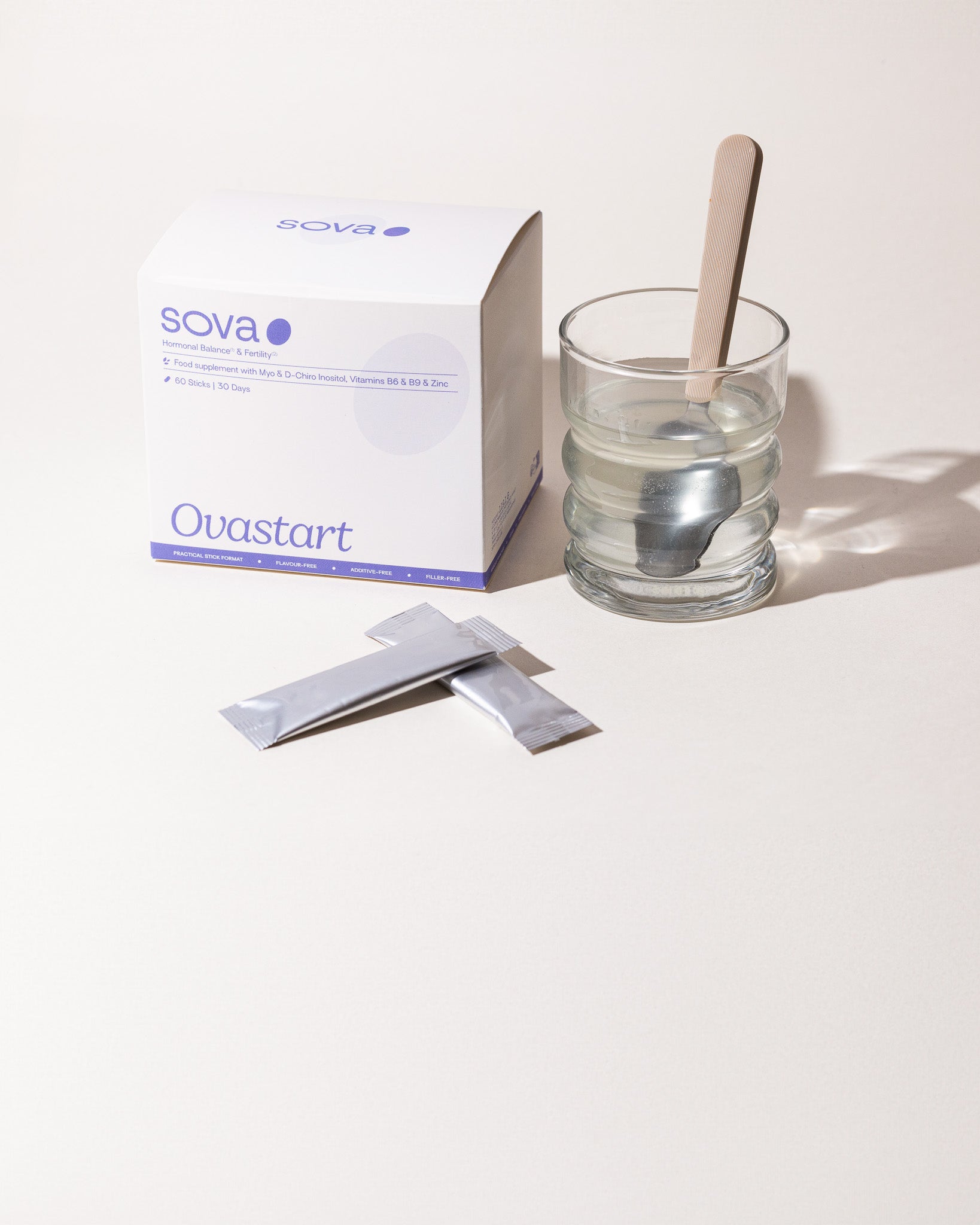
The Hormone Balance Supplements Built for PCOS - Two Products, One Complete System
Berberine Supplement UK - Blood Sugar, Insulin & Metabolic Support for Women with PCOS