


Table of contents
- 01. The 'Double Whammy': how PCOS and endometriosis coexist
- 02. Overlapping vs. distinct symptoms: a comparative guide
- 03. What's more painful: endometriosis or PCOS?
- 04. The diagnostic challenge: why one often hides the other
- 05. Fertility and the dual diagnosis: what are your odds?
- 06. 5 Questions to Ask Your Doctor to Get a Clear Answer
- 07. Frequently Asked Questions
- 08. Moving forward with confidence
You might be dealing with irregular periods and experiencing debilitating pain that affects your daily life. You've been diagnosed with PCOS, but something still doesn't feel right. Or maybe you've been told you have endometriosis, yet you're also struggling with symptoms that don't quite match up. You're not alone in wondering:
Can you have both PCOS and endometriosis at the same time?
The answer is yes. While PCOS (Polycystic Ovary Syndrome) is an endocrine disorder affecting your hormones, and endometriosis is an inflammatory condition involving tissue growth, research shows these conditions frequently coexist—and this overlap is more common than previously thought (1). Understanding how they interact is essential for getting the right diagnosis and treatment.
The 'Double Whammy': how PCOS and endometriosis coexist
Having both PCOS and endometriosis often results in a compounding of symptoms, where hormonal imbalances from PCOS meet the chronic inflammation of endometriosis. Research indicates a higher incidence of coexistence, which can lead to complex metabolic issues and diagnostic delays (2).
To understand why these conditions can occur together, it helps to know what each one involves:
PCOS is a hormonal disorder affecting about 1 in 10 women of reproductive age (3). It's characterized by irregular periods, elevated androgens (male hormones), and often—but not always—multiple small cysts on the ovaries. PCOS affects your metabolism, insulin sensitivity, and hormone balance.
Endometriosis is an inflammatory condition where tissue similar to the uterine lining grows outside the uterus, affecting approximately 10% of women of reproductive age (4). This tissue responds to your menstrual cycle, causing inflammation, scarring, and often severe pain.
While these are distinct conditions with different root causes, they share some common pathways. Both involve chronic inflammation, and both can disrupt your reproductive system. Studies suggest that women with endometriosis may have altered hormone profiles that increase their risk for PCOS, and vice versa (5). The inflammatory environment created by endometriosis may also contribute to insulin resistance, a hallmark of PCOS.
There may also be genetic predispositions that make some women more susceptible to both conditions. Research is exploring how certain gene variants might influence inflammation, hormone regulation, and immune function in ways that affect both PCOS and endometriosis. Additionally, epigenetic factors—such as how your environment, diet, stress levels, and inflammatory exposure influence how your genes express themselves—may play a role in whether and how these conditions develop (6). This emerging understanding helps explain why these conditions can cluster together in some individuals.
Overlapping vs. distinct symptoms: a comparative guide
One reason the dual diagnosis is so often missed is that PCOS and endometriosis share several symptoms. However, they also have distinct characteristics that can help you and your doctor differentiate between them.
Symptoms shared by both (the confusion zone)
These overlapping symptoms can make diagnosis challenging:
- Irregular or absent periods: Both conditions can disrupt your menstrual cycle, though for different reasons.
- Pelvic pain: While the nature and timing differ, both can cause significant discomfort.
- Fertility challenges: Both conditions can affect your ability to conceive, though through different mechanisms.
- Fatigue: The chronic nature of both conditions can leave you feeling exhausted.
Signs that point specifically to endometriosis (pain-forward)
If you experience these symptoms, endometriosis is more likely:
- Severe, debilitating pelvic pain that can occur throughout your cycle, not just during your period (7).
- Deep dyspareunia (pain during or after sexual intercourse), particularly with deep penetration.
- Painful bowel movements or urination during menstruation, especially if endometriosis affects the bowel or bladder.
- 'Endo-belly':severe bloating and digestive issues that can make you look several months pregnant (8).
- Heavy menstrual bleeding with clots, though this can overlap with PCOS.
Signs That Point Specifically to PCOS (Metabolic-Forward)
These symptoms suggest PCOS is involved:
- Hirsutism (excess facial and body hair) due to elevated androgens (9).
- Persistent acne particularly along the jawline, chest, and back.
- Weight gain or difficulty losing weight, especially around the midsection, often accompanied by insulin resistance.
- Thinning hair or male-pattern baldness.
- Skin tags and dark patches (acanthosis nigricans), often in body folds.
- Multiple small cysts on the ovaries visible on ultrasound, though not everyone with PCOS has these.
If you’re experiencing several of these PCOS-specific symptoms, it’s important to seek proper testing. For a detailed guide on what to expect during the diagnostic process, including the specific blood tests and ultrasound criteria used, see our article on diagnosing PCOS.
Clinical Comparison Table
|
Symptom |
PCOS Profile |
Endometriosis Profile |
|
Period Regularity |
Often irregular or absent (oligomenorrhea/amenorrhea) |
Can be regular but often heavy and painful |
|
Pain Severity |
Mild to moderate; typically during ovulation or menstruation |
Severe, debilitating; can occur throughout the cycle |
|
Weight/Metabolic Issues |
Common; insulin resistance in 70% of cases |
Less common; weight typically not a defining factor |
|
Acne/Excess Hair |
Very common due to elevated androgens |
Not typically present |
|
Digestive Issues |
Possible, but not defining |
Common ('endo-belly'); painful bowel movements during period |
What's more painful: endometriosis or PCOS?
Endometriosis is typically associated with more severe, debilitating pelvic pain than PCOS. While PCOS pain is often related to ovulation or heavy periods, endometriosis pain is inflammatory and can occur throughout the month (10). If pain interferes with daily life, it is more likely an indicator of endometriosis.
That said, pain is highly personal. Women with PCOS may experience significant discomfort, particularly if they have large ovarian cysts that rupture or cause ovarian torsion. However, the chronic, cyclical nature of endometriosis pain, often described as knife-like or burning, tends to be more consistently severe.
If you're experiencing pain that affects your ability to work, exercise, or maintain relationships, don't let anyone minimize what you're going through. Both conditions deserve proper investigation and treatment.
The diagnostic challenge: why one often hides the other
Here's a frustrating reality: once you're diagnosed with PCOS, many doctors stop investigating further. PCOS can be identified through blood tests (checking hormone levels) and ultrasound (looking for multiple small ovarian cysts). These are relatively straightforward, non-invasive tests.
Endometriosis, however, is much harder to diagnose. While imaging like specialized ultrasound or MRI can sometimes detect deep endometriosis or endometriomas (ovarian cysts caused by endometriosis), the gold standard for diagnosis remains laparoscopy—a surgical procedure (11). This means many doctors are reluctant to pursue endometriosis as a diagnosis, especially if PCOS is already confirmed and seems to explain some of your symptoms.
This is where medical gaslighting can occur. You might be told that your pain is 'just part of PCOS' or that irregular periods explain everything. But if you're experiencing severe pelvic pain, pain during sex, or digestive issues during your period, these are red flags for endometriosis that shouldn't be ignored.
Remember: PCOS and endometriosis are not mutually exclusive. Having one does not rule out the other. In fact, recent studies suggest that women with PCOS may have an increased risk of developing endometriosis (13).
The UK diagnostic pathway: what to expect
If you’re in the UK, your diagnostic journey typically begins with your GP. They can arrange initial blood tests for PCOS and may refer you to a gynaecologist for further investigation. For endometriosis, NICE (the National Institute for Health and Care Excellence) provides clinical guidelines that recommend considering the diagnosis in anyone with one or more of the following: chronic pelvic pain, period pain affecting daily activities, deep pain during or after sex, period-related bowel or bladder symptoms, or infertility combined with these symptoms (12).
Under NICE guidelines, if you have symptoms suggesting endometriosis, your GP should refer you to a gynaecology service, ideally one with expertise in endometriosis. The guidelines also acknowledge that a negative ultrasound doesn’t rule out endometriosis, and that clinical suspicion based on symptoms should guide further investigation. Knowing these guidelines can help you advocate for yourself if you feel your concerns aren’t being taken seriously.
Fertility and the dual diagnosis: what are your odds?
If you're concerned about fertility, it's understandable to feel anxious about having both conditions. But here's what you need to know: while both PCOS and endometriosis can affect fertility, having both does not mean you cannot conceive.
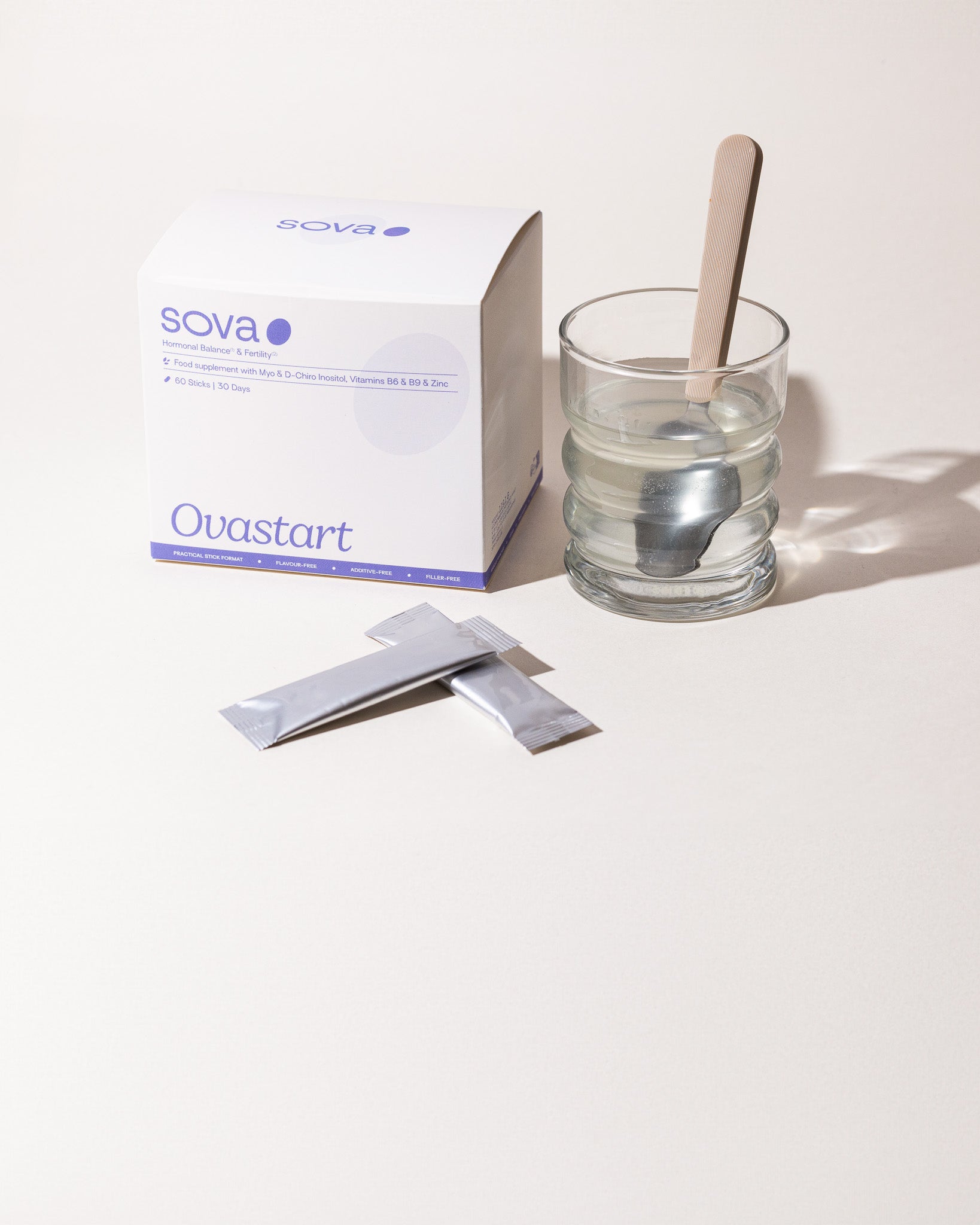
How PCOS affects fertility: PCOS primarily affects ovulation. With irregular or absent periods, you may not ovulate regularly, making conception more difficult. However, many women with PCOS can achieve pregnancy with lifestyle modifications, ovulation-inducing medications like clomiphene or letrozole, or assisted reproductive technologies (14). Natural supplements such as myo-inositol and D-chiro-inositol have also been shown to support hormonal balance and ovulation in PCOS.
How endometriosis affects fertility: Endometriosis can create inflammation and scarring that affects the reproductive environment—impacting egg quality, fallopian tube function, and implantation. Severe endometriosis may also cause structural issues like adhesions (15). Supporting your body’s natural anti-inflammatory pathways through diet and supplementation can be beneficial; for instance, omega-3 fatty acids are well-documented for their role in reducing systemic inflammation.
The combined effect: Having both conditions means you're dealing with both ovulatory dysfunction and a compromised reproductive environment. However, treatment is available. Managing insulin resistance through diet and exercise can improve ovulation in PCOS, while treating endometriosis—whether through medication or surgery—can improve the reproductive environment.
|
Fertility Outlook Many women with both PCOS and endometriosis successfully conceive, either naturally or with medical assistance. The key is:
|
5 Questions to Ask Your Doctor to Get a Clear Answer
Advocating for yourself is crucial when dealing with complex conditions. Here are five questions that can help guide the conversation with your healthcare provider:
- 'Given my symptoms, should we investigate endometriosis in addition to PCOS?' This direct question opens the door to discussing a dual diagnosis.
- 'What imaging options are available to look for endometriosis?' Ask about specialized transvaginal ultrasound or MRI, which can detect deep infiltrating endometriosis or endometriomas.
- 'Can you refer me to an endometriosis specialist or gynecologist who has experience with both conditions?' Not all gynecologists have the same level of expertise in endometriosis.
- 'What are the treatment options if I do have both?' Understanding your options for managing both conditions—from hormonal treatments to lifestyle changes to surgical intervention—is empowering.
- 'How will having both conditions affect my fertility plans?' If conceiving is in your future, this conversation should happen sooner rather than later.
|
The diagnostic roadmap checklist Prepare for your appointment with:
|
Frequently Asked Questions
Can endometriosis cause ear pain?
Yes, though indirectly. Some women with endometriosis experience referred pain that can travel via the phrenic nerve, especially in cases of diaphragmatic endometriosis (endometriosis affecting the diaphragm) (16). This referred pain can manifest as shoulder or even ear pain. Additionally, the systemic inflammation associated with endometriosis may contribute to conditions like temporomandibular joint (TMJ) dysfunction, which can cause ear pain.
Does PCOS cause endometriosis?
No, PCOS does not directly cause endometriosis. They are separate conditions with different underlying mechanisms. However, they may share inflammatory pathways that could make a person more susceptible to both. Some research suggests that the chronic low-grade inflammation present in PCOS might create an environment that favors the development of endometriosis, though more studies are needed to confirm this connection (17).
Can you have 'Lean PCOS' and endometriosis?
Yes, absolutely. Weight is not a determining factor for either condition. Lean PCOS (PCOS in women with a normal or low BMI) affects approximately 20-30% of women with PCOS (18). Interestingly, some studies suggest that women with lean PCOS may actually have a higher prevalence of endometriosis, though the exact reasons for this correlation are still being investigated. Both conditions can affect women of any body type. For more information on the specific challenges faced by women with lean PCOS, see our article on PCOS in lean women.
Moving forward with confidence
Living with PCOS, endometriosis, or both is challenging. The symptoms can be overwhelming, and navigating the healthcare system to get proper diagnosis and treatment requires persistence. But understanding that these conditions can coexist, and knowing what signs to look for, empowers you to advocate for yourself.
If your current diagnosis doesn't fully explain your symptoms, don't hesitate to seek a second opinion or request further investigation. You know your body better than anyone. Trust your instincts, track your symptoms carefully, and find healthcare providers who listen and take your concerns seriously.
Remember, a dual diagnosis is not a life sentence. With proper management, many women with both PCOS and endometriosis lead full, active lives and successfully conceive when they choose to. Knowledge is power, and you're already taking an important step by educating yourself. Keep going, you've got this.
- Androgens : Often called "male hormones" (like testosterone), these are present in all individuals.
- Central Sensitization : A condition where the nervous system becomes high-strung, amplifying pain signals so that even non-painful stimuli feel distressing.
- D-chiro-inositol / Myo-inositol : Natural compounds that act as "insulin sensitizers," helping the body use insulin more effectively to restore regular ovulation in PCOS patients.
- Dyspareunia : The clinical term for persistent or recurrent genital pain that occurs just before, during, or after sexual intercourse.
- Endometrioma : A type of cyst formed when endometrial tissue grows on the ovaries. These are often called "chocolate cysts" due to their dark, fluid-filled appearance.
- Epigenetics : The study of how your behaviors and environment (like diet or stress) cause changes that affect the way your genes work without changing the DNA sequence itself.
- Laparoscopy : A minimally invasive surgical procedure where a camera is inserted through a small incision in the abdomen. It remains the "gold standard" for definitively diagnosing endometriosis.
- Oligomenorrhea : The medical term for infrequent menstrual periods (cycles lasting longer than 35 days).
Scientific References
Over 50,000 women have already adopted our routines, rating us an excellent 4.7/5 average (from 3,300+ reviews). Our supplements are formulated in French laboratories using clean, carefully sourced ingredients, with a maximum of patented active ingredients proven for their effectiveness.
- Founded by women with PCOS, we understand the reality of hormonal disorders.
- Clinically studied: High-quality ingredients, including patented forms like Quatrefolic® and an optimal Myo-/D-Chiro Inositol ratio.
- Holistic support: Formulated for hormonal balance, metabolic health, inflammation, mood, and cycle regulation.
- Science-led formulas: Transparent ingredients with absolutely no unnecessary additives.