




The Balance Bundle
The Hormone Balance Supplements Built for PCOS - Two Products, One Complete System
From £53
Table of contents
- 01. What defines a PCOS Friendly recipe? (the science of the plate)
- 02. Breakfasts to stabilise blood sugar (start your day without the crash)
- 03. Quick & easy weeknight dinners (30 minutes or less)
- 04. PCOS friendly snacks to crush cravings
- 05. The anti-inflammatory grocery list (printable checklist)
- 06. Frequently Asked Questions
- 07. Your next steps: building sustainable habits
Manage insulin resistance without giving up flavour. These recipes are designed to stabilise blood sugar, reduce inflammation, and support your hormones naturally.
|
PCOS Success Pillars: The four non-negotiables 🥚 Protein at every meal – Stabilises blood sugar and keeps you satisfied longer 🥦 Fibre for balance – Slows digestion and supports gut health 🥑 Healthy fats – Reduces inflammation and helps hormone production 💜 The 80/20 rule – Nourish your body 80% of the time, enjoy life 20% of the time |
We know how frustrating it can be when you're told to just eat better; without any practical guidance. Food should be medicine, but it shouldn't feel like punishment. If you're living with PCOS, you've probably experienced the afternoon energy crash, the intense sugar cravings that seem impossible to resist, or the weight that won't budge no matter how hard you try.
The good news? You can manage your symptoms by building what we call the PCOS Plate; a simple framework that prioritises protein, fibre, and healthy fats at every meal. This isn't about restriction. It's about adding the right foods to help your body thrive.
💜 Want our free PCOS & Nutrition guide? [Get it here →]
What defines a PCOS Friendly recipe? (the science of the plate)
Not all recipes are created equal when you're managing PCOS. The key is choosing meals that keep your blood sugar stable and reduce inflammation. Research shows that women with PCOS who follow a low glycaemic index diet experience significant improvements in insulin sensitivity, menstrual regularity, and weight management (1).
What makes a recipe PCOS friendly?
-
Low Glycaemic Index (GI): Foods that release sugar slowly into your bloodstream, preventing the spikes and crashes that trigger cravings and fatigue
-
Anti-inflammatory ingredients: Foods rich in omega-3 fatty acids, antioxidants, and polyphenols that help reduce the chronic low-grade inflammation associated with PCOS (2)
-
Balanced Macronutrients: Each meal should include protein (to stabilise blood sugar), fibre (to slow digestion), and healthy fats (to support hormone production)
-
Natural Inositols: Certain foods like citrus fruits, beans, and legumes naturally contain inositols – compounds that can support insulin sensitivity and ovarian function. While supplementation may be beneficial for some women with PCOS, incorporating these foods into your diet provides a gentle, food-first approach
Studies have shown that a Mediterranean-style diet – rich in vegetables, whole grains, legumes, fish, and olive oil – can significantly improve insulin resistance and reduce testosterone levels in women with PCOS (3). This is the foundation upon which all our recipes are built.
Smart swaps: simple changes for better blood sugar control
These swaps follow the key principles of PCOS nutrition, choosing lower GI alternatives that won't spike your blood sugar:
|
Instead of this (High GI) |
Choose this (PCOS Friendly) |
|
White rice |
Cauliflower rice or quinoa |
|
White pasta |
Courgette noodles or whole grain pasta |
|
White bread |
Sourdough or seeded bread |
|
Mashed potatoes |
Mashed cauliflower with olive oil |
|
Sugary cereal |
Greek yogurt with berries and nuts |
|
Fruit juice |
Whole fruit with protein (apple + almond butter) |
|
Crisps |
Roasted chickpeas or vegetable sticks with hummus |
|
Regular soda |
Sparkling water with lemon and mint |
Breakfasts to stabilise blood sugar (start your day without the crash)
Breakfast sets the tone for your entire day. When you start with a high-carbohydrate, low-protein breakfast (like cereal or toast with jam), your blood sugar spikes quickly and then crashes by mid-morning, leaving you exhausted, irritable, and craving sugar.
Research shows that protein-rich breakfasts help women with PCOS maintain stable blood sugar levels throughout the morning and reduce overall calorie intake during the day (4). We're talking about meals that keep you satisfied for 3-4 hours, no mid-morning snack required.
1. Savoury mediterranean veggie scramble

Serves: 1 | Prep Time: 5 minutes | Cook Time: 10 minutes
Ingredients:
- 2 large eggs
- 1 tablespoon olive oil
- Handful of baby spinach
- 5 cherry tomatoes, halved
- 30g feta cheese, crumbled
- Fresh basil leaves
- Pinch of black pepper
Instructions:
Heat olive oil in a non-stick pan over medium heat. Add spinach and tomatoes, cooking for 2 minutes until spinach wilts. Whisk eggs in a bowl, then pour into the pan. Gently stir as the eggs cook. When almost set, add crumbled feta and fresh basil. Season with black pepper and serve immediately.
Why it works: Eggs provide high-quality protein to stabilise blood sugar, while olive oil and feta offer healthy fats that support hormone production. The vegetables add fibre and antioxidants to reduce inflammation.
2. Cinnamon Chia Seed Pudding with Berries

Serves: 1 | Prep Time: 5 minutes (plus overnight refrigeration)
Ingredients:
- 3 tablespoons chia seeds
- 200ml unsweetened almond milk
- 1 teaspoon cinnamon
- 1 teaspoon vanilla extract
- Handful of fresh blueberries and raspberries
- 1 tablespoon chopped walnuts
- Optional: 1 teaspoon honey or a few drops of stevia
Instructions:
Mix chia seeds, almond milk, cinnamon, and vanilla in a jar or bowl. Stir well to prevent clumping. Cover and refrigerate overnight (or at least 4 hours). In the morning, stir the pudding and top with fresh berries and chopped walnuts. Add a touch of honey if desired.
Why it works: Chia seeds are packed with omega-3 fatty acids and fibre, which slow digestion and keep you full. Cinnamon shows promise for improving insulin sensitivity – while most research has focused on type 2 diabetes, preliminary studies in women with PCOS (5) suggest it may help regulate blood sugar. Berries are low GI and rich in antioxidants.
3. Protein-Packed Green Smoothie

Serves: 1 | Prep Time: 5 minutes
Ingredients:
- 1 scoop vanilla or unflavoured protein powder (whey or plant-based)
- Large handful of baby spinach
- Half a ripe avocado
- 80g frozen berries (blueberries, strawberries, or mixed)
- 1 tablespoon ground flaxseed
- 200ml unsweetened almond milk
- Squeeze of lemon juice
- Ice cubes
Instructions:
Add all ingredients to a high-speed blender. Blend until completely smooth, about 60 seconds. Add more almond milk if you prefer a thinner consistency. Pour into a glass and drink immediately.
Why it works: The protein powder provides 20-25g of protein to keep blood sugar stable. Avocado adds healthy fats and makes the smoothie creamy without dairy. Flaxseed contains omega-3s and lignans that may help balance hormones.
More PCOS breakfast ideas:
- Smoked salmon & avocado on sourdough: top toasted sourdough with mashed avocado, smoked salmon, capers, and a poached egg
- Greek yogurt protein bowl: full-fat Greek yogurt with chopped almonds, ground flaxseed, cinnamon, and a handful of raspberries
- Almond flour pancakes: made with almond flour, eggs, and topped with Greek yogurt and berries instead of syrup
- Savoury oats with egg: cook oats with bone broth instead of water, top with a fried egg, sauted mushrooms, and spring onions
- Turkey & cheese breakfast wrap: whole grain wrap with sliced turkey, cheese, spinach, tomato, and mustard
Quick & easy weeknight dinners (30 minutes or less)
We know you don't have hours to spend in the kitchen after a long day. These recipes are designed to be simple, satisfying, and ready in 30 minutes or less. Each one follows the PCOS Plate principle: quality protein, lots of vegetables, and healthy fats.
Recipe quick-finder
|
Recipe |
Prep Time |
Best For |
|
Mediterranean Chicken Traybake |
25 min |
Meal prep, anti-inflammatory |
|
Salmon with Roasted Vegetables |
20 min |
Omega-3s, insulin resistance |
|
Turkey & Courgette Meatballs |
30 min |
High protein, low carb |
|
Lentil & Chickpea Curry |
25 min |
Plant-based, high fibre |
|
Prawn Stir-Fry with Cauliflower Rice |
15 min |
Quick weeknight, low GI |
|
Grass-Fed Beef with Broccoli |
20 min |
Iron, hormone support |
Lean poultry & grass-fed meats
Poultry and grass-fed meats provide essential nutrients like iron and zinc, which many women with PCOS are deficient in. Iron supports energy production and helps combat the fatigue that often accompanies PCOS, while zinc plays a crucial role in hormone regulation and can help reduce acne (6).
4. One-pan mediterranean chicken traybake

Serves: 4 | Prep Time: 10 minutes | Cook Time: 25 minutes
Ingredients:
- 4 chicken thighs or breasts (skin-on for extra flavour)
- 2 red peppers, cut into chunks
- 1 courgette, sliced
- 1 red onion, cut into wedges
- 200g cherry tomatoes
- 3 tablespoons olive oil
- 2 teaspoons dried oregano
- 1 teaspoon paprika
- 3 garlic cloves, crushed
- Juice of half a lemon
- Fresh parsley to garnish
- Salt and black pepper to taste
Instructions:
Preheat oven to 200C (180C fan). In a large roasting tray, combine peppers, courgette, onion, and tomatoes. Drizzle with 2 tablespoons olive oil, oregano, paprika, garlic, salt, and pepper. Toss well. Place chicken on top of vegetables. Drizzle with remaining olive oil and lemon juice. Season chicken with salt and pepper. Roast for 25-30 minutes until chicken is cooked through and vegetables are tender. Garnish with fresh parsley and serve.
Why it works: This one-pan meal is perfect for meal prep. The olive oil provides anti-inflammatory monounsaturated fats, while the variety of colourful vegetables offers antioxidants and fibre. Chicken provides lean protein to stabilise blood sugar.
5. Turkey & Courgette Meatballs with Tomato Sauce

Serves: 4 | Prep Time: 15 minutes | Cook Time: 25 minutes
Ingredients:
- 500g lean turkey mince
- 1 medium courgette, grated
- 1 egg, beaten
- 2 tablespoons almond flour
- 2 garlic cloves, minced
- 1 teaspoon dried Italian herbs
- 1 jar (500g) passata or sugar-free tomato sauce
- Fresh basil leaves
- Olive oil for cooking
- Salt and black pepper
Instructions:
Squeeze excess moisture from grated courgette using a clean tea towel. In a large bowl, combine turkey mince, courgette, egg, almond flour, garlic, Italian herbs, salt, and pepper. Mix well and form into 16 meatballs. Heat 2 tablespoons olive oil in a large pan over medium heat. Add meatballs and cook for 8-10 minutes, turning occasionally until browned. Pour in passata, bring to a simmer, and cook for 15 minutes until meatballs are cooked through. Garnish with fresh basil. Serve with courgette noodles or a side salad.
Why it works: Turkey is a lean protein that won’t spike insulin. Adding courgette increases the fibre content and keeps the meatballs moist. Using almond flour instead of breadcrumbs keeps this recipe low GI.
Omega-3 Rich Seafood
Fatty fish like salmon, mackerel, and sardines are some of the best foods you can eat when managing PCOS. They're rich in omega-3 fatty acids (EPA and DHA), which have been shown to reduce inflammation, improve insulin sensitivity, and may even help reduce testosterone levels in women with PCOS (7).
6. Pan-Seared Salmon with Roasted Vegetables

Serves: 2 | Prep Time: 10 minutes | Cook Time: 20 minutes
Ingredients:
- 2 salmon fillets (about 150g each)
- 200g tenderstem broccoli
- 1 red pepper, sliced
- 1 courgette, sliced
- 2 tablespoons olive oil
- 1 lemon, halved
- 2 garlic cloves, sliced
- Fresh dill or parsley
- Salt and black pepper
Instructions:
Preheat oven to 200C (180C fan). Place vegetables on a baking tray, drizzle with 1 tablespoon olive oil, scatter with garlic, season with salt and pepper, and toss well. Roast for 15 minutes. Meanwhile, heat remaining olive oil in a pan over medium-high heat. Season salmon with salt and pepper. Place skin-side down in the pan and cook for 4 minutes. Flip and cook for another 3-4 minutes until just cooked through. Remove vegetables from oven and squeeze half a lemon over them. Serve salmon on top of vegetables, squeeze remaining lemon over salmon, and garnish with fresh herbs.
Why it works: Wild-caught salmon is one of the best sources of omega-3 fatty acids, which actively combat the inflammation associated with PCOS. The combination of protein and healthy fats keeps you satisfied for hours without spiking blood sugar.
Plant-Based & Vegan Delights
You don't need to eat animal products to manage PCOS effectively. Legumes like lentils, chickpeas, and beans are excellent sources of plant protein and are packed with fibre, which helps slow digestion and stabilise blood sugar. Studies show that high-fibre diets can improve insulin resistance and reduce androgen levels in women with PCOS (8).
7. Creamy Coconut Lentil & Chickpea Curry

Serves: 4 | Prep Time: 10 minutes | Cook Time: 25 minutes
Ingredients:
- 1 tablespoon coconut oil
- 1 onion, finely chopped
- 3 garlic cloves, minced
- 1 tablespoon grated fresh ginger
- 2 tablespoons curry powder
- 1 teaspoon turmeric
- 1 tin (400ml) coconut milk
- 1 tin (400g) chopped tomatoes
- 150g red lentils, rinsed
- 1 tin (400g) chickpeas, drained
- Large handful of baby spinach
- Fresh coriander to garnish
- Salt and black pepper
Instructions:
Heat coconut oil in a large pot over medium heat. Add onion and cook for 5 minutes until softened. Add garlic, ginger, curry powder, and turmeric. Cook for 1 minute until fragrant. Pour in coconut milk, chopped tomatoes, and 200ml water. Add lentils and bring to a boil. Reduce heat and simmer for 15 minutes, stirring occasionally. Add chickpeas and spinach, cooking for another 5 minutes until lentils are tender and spinach has wilted. Season with salt and pepper. Serve garnished with fresh coriander. Pairs beautifully with cauliflower rice.
Why it works: This curry is packed with plant protein and fibre from lentils and chickpeas. Turmeric contains curcumin, a powerful anti-inflammatory compound that may help reduce insulin resistance (9). Coconut milk provides medium-chain triglycerides (MCTs), which can support metabolism.
More quick dinner ideas:
- Prawn stir-Fry with cauliflower rice: prawns with mixed vegetables, garlic, ginger, and tamari, served over cauliflower rice
- Grass-fed beef with broccoli: tender beef strips with broccoli florets in a garlic-ginger sauce
- Baked cod with green beans: simple baked white fish with steamed green beans and a lemon butter sauce
- Stuffed bell peppers: peppers filled with turkey mince, quinoa, tomatoes, and herbs
- Mediterranean vegetable soup: tomato-based soup with white beans, courgette, spinach, and Italian herbs
PCOS friendly snacks to crush cravings
The purpose of snacking when you have PCOS isn't just to satisfy hunger between meals, it's to prevent the blood sugar crashes that trigger intense cravings and overeating later. Think of snacks as bridge meals that keep your energy stable throughout the day.
The key is to pair carbohydrates with protein or fat whenever possible. To keep your energy more stable, try combining fruit or crackers with a protein source rather than eating them on their own. This helps prevent the blood sugar spike and subsequent crash that can leave you feeling hungrier.
Smart snack combinations:
- apple slices with almond butter: the fibre in the apple combined with healthy fats and protein in almond butter creates the perfect balance
- greek yogurt with berries and walnuts: full-fat greek yogurt provides protein and probiotics, while walnuts add omega-3s
- hummus with vegetable sticks: carrots, cucumber, and bell pepper provide crunch and fibre, while chickpea-based hummus offers protein
- boiled eggs with cherry tomatoes: hard-boiled eggs are the ultimate portable protein source
- cheese cubes with olives: a mediterranean-inspired snack rich in healthy fats
- roasted chickpeas: season chickpeas with paprika and roast until crispy for a crunchy, high-fibre snack
- dark chocolate (85%+) with almonds: a small square of dark chocolate provides antioxidants without excessive sugar
- turkey or chicken slices with cucumber: simple, protein-rich, and refreshing
- chia seed energy balls: mix ground dates, almond butter, chia seeds, and cacao powder, then roll into balls and refrigerate
- celery sticks with peanut butter: classic, crunchy, and satisfying
Preparation is key: keep pre-portioned snacks in your bag or desk drawer so you're never caught without a healthy option. This prevents the 4pm vending machine dash or grabbing whatever's convenient (and usually high in sugar).
The anti-inflammatory grocery list (printable checklist)
Shopping for PCOS-friendly foods doesn't have to be overwhelming. This checklist covers the essentials you need to stock your kitchen and set yourself up for success. Print this out and take it with you to the supermarket.
Produce aisle:
- Leafy greens (spinach, kale, rocket)
- Cruciferous vegetables (broccoli, cauliflower, Brussels sprouts)
- Courgettes
- Bell peppers (red, yellow, orange)
- Cherry tomatoes
- Avocados
- Berries (blueberries, strawberries, raspberries)
- Lemons and limes
- Garlic and ginger
- Fresh herbs (basil, coriander, parsley)
Protein section:
- Eggs (free-range or organic)
- Wild-caught salmon
- Chicken breasts or thighs
- Turkey mince
- Grass-fed beef
- Prawns
- Full-fat Greek yogurt (unsweetened)
- Feta cheese
- Hard cheese (cheddar, parmesan)
Pantry staples:
- Extra virgin olive oil
- Coconut oil
- Almond butter or peanut butter (no added sugar)
- Chia seeds
- Ground flaxseed
- Raw almonds, walnuts, and mixed nuts
- Tinned chickpeas and lentils
- Red lentils (dried)
- Quinoa
- Brown rice or cauliflower rice
- Almond flour
- Coconut flour
- Tinned coconut milk (full-fat)
- Tinned chopped tomatoes and passata
- Apple cider vinegar
- Tamari or low-sodium soy sauce
- Dark chocolate (85% cocoa or higher)
Herbs & Spices:
- Cinnamon
- Turmeric
- Paprika
- Cumin
- Oregano
- Italian herbs
- Curry powder
- Black pepper and sea salt
Beverages
- Unsweetened almond milk
- Herbal teas (especially spearmint tea)
- Green tea
- Sparkling water
- Filtered water: consider using a water filter to reduce exposure to potential endocrine disruptors sometimes found in tap water. This is part of a holistic approach to supporting your hormonal health
Frequently Asked Questions
Is dairy-free necessary for PCOS?
Not necessarily. The relationship between dairy and PCOS is complex and individual. Some women with PCOS find that dairy worsens their symptoms, particularly acne and inflammation, while others tolerate it perfectly well.
Research suggests that full-fat dairy may be preferable to low-fat versions for women with PCOS, as the fat content helps slow the absorption of lactose (milk sugar) and may actually improve insulin sensitivity (10). If you choose to include dairy, opt for full-fat Greek yogurt, kefir, and aged cheeses, which are lower in lactose.
If you suspect dairy is worsening your symptoms, try eliminating it for 4 weeks and monitor changes in your skin, digestion, and energy levels. You can always reintroduce it later.
Can I eat carbs on a PCOS diet?
Absolutely. Carbohydrates are not the enemy, refined carbohydrates and excessive sugar are the problem. Your body needs carbohydrates for energy, particularly if you exercise regularly.
The key is choosing low glycaemic index carbohydrates that release energy slowly: quinoa, brown rice, sweet potatoes, oats, and legumes are all excellent choices. Studies show that women with PCOS who consume moderate amounts of low-GI carbohydrates actually have better insulin sensitivity and hormone balance than those on very low-carb diets (11).
Timing matters too. Having your carbohydrates earlier in the day or around exercise can help your body use them more efficiently.
Why is spearmint tea recommended for PCOS?
Spearmint tea has been shown in multiple studies to reduce androgen levels (male hormones like testosterone) in women with PCOS. One study found that drinking two cups of spearmint tea daily for 30 days significantly reduced hirsutism (excess hair growth) and improved hormone levels (12).
The mechanism isn't fully understood, but spearmint appears to have anti-androgen effects. It's a simple, affordable addition to your routine that many women find helpful for managing symptoms like facial hair, acne, and hair loss.
|
PCOS Kitchen Hacks: Simple Tricks for Better Blood Sugar 🥔 The Cold Potato Trick – Cook potatoes, then cool them in the fridge overnight. This creates resistant starch, which acts more like fibre and has a lower glycaemic impact 🍋 Add Vinegar to Meals – One tablespoon of apple cider vinegar in water before meals can reduce blood sugar spikes by up to 20%, particularly for meals containing complex carbohydrates 🚶♀️ Walk After Eating – A 10-15 minute walk after meals helps muscles absorb glucose, lowering blood sugar naturally 🥜 Always Pair Fruit with Protein – Never eat fruit alone. Add a handful of nuts, Greek yogurt, or a slice of cheese to slow sugar absorption ❄️ Freeze Your Berries – Frozen berries have a slightly lower glycaemic impact than fresh ones and are perfect for smoothies year-round |
Your next steps: building sustainable habits
We know this is a lot of information. If you're feeling overwhelmed, that's completely normal. The goal isn't to overhaul your entire diet overnight, that's a recipe for burnout and giving up.
Instead, start small:
- Week 1: Focus on protein-rich breakfasts. Master 2-3 recipes that you genuinely enjoy
- Week 2: Add one PCOS-friendly dinner to your weekly rotation
- Week 3: Prep your snacks in advance so you always have healthy options available
- Week 4: Experiment with the smart swaps in the comparison table
Remember the 80/20 rule: if you're eating nourishing, balanced meals 80% of the time, your body can handle the occasional pizza night or birthday cake. PCOS management is a marathon, not a sprint.
Food is powerful medicine, but it works best when combined with other lifestyle factors like stress management, quality sleep, and regular movement. If you're struggling to see results, consider working with a healthcare professional who specialises in PCOS.
💜 You're not alone on this journey. Small, consistent changes add up to transformative results.
- Androgens : Often referred to as "male hormones" (like testosterone); elevated levels in women with PCOS can lead to symptoms like acne and excess hair growth.
- Anti-Inflammatory : Refers to foods or compounds (like Omega-3s or curcumin) that reduce low-grade, chronic inflammation often associated with PCOS.
- Glycaemic Index (GI) : A ranking of carbohydrates based on how quickly they raise blood glucose levels. Low-GI foods release sugar slowly, preventing insulin spikes.
- Inositols : Natural compounds found in foods like beans and citrus that can improve insulin sensitivity and ovarian function.
- Insulin Resistance : A condition where the body's cells don't respond well to insulin, leading to higher blood sugar levels and potential weight gain,a common driver of PCOS symptoms.
- Resistant Starch : A type of starch that functions like fiber; it can be created by cooking and then cooling starchy foods (like potatoes), resulting in a lower blood sugar impact.
Scientific References
Over 50,000 women have already adopted our routines, rating us an excellent 4.7/5 average (from 3,300+ reviews). Our supplements are formulated in French laboratories using clean, carefully sourced ingredients, with a maximum of patented active ingredients proven for their effectiveness.
- Founded by women with PCOS, we understand the reality of hormonal disorders.
- Clinically studied: High-quality ingredients, including patented forms like Quatrefolic® and an optimal Myo-/D-Chiro Inositol ratio.
- Holistic support: Formulated for hormonal balance, metabolic health, inflammation, mood, and cycle regulation.
- Science-led formulas: Transparent ingredients with absolutely no unnecessary additives.

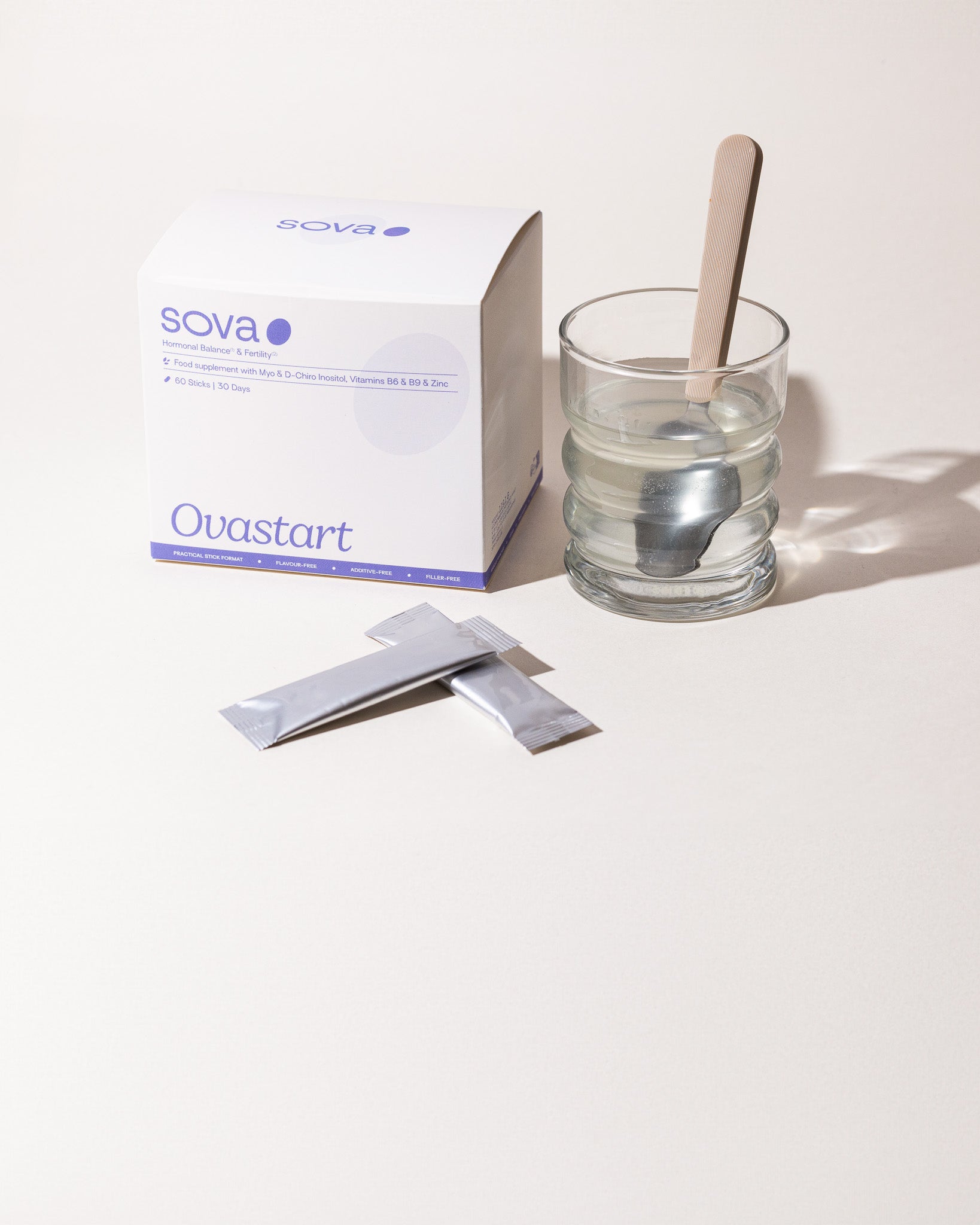
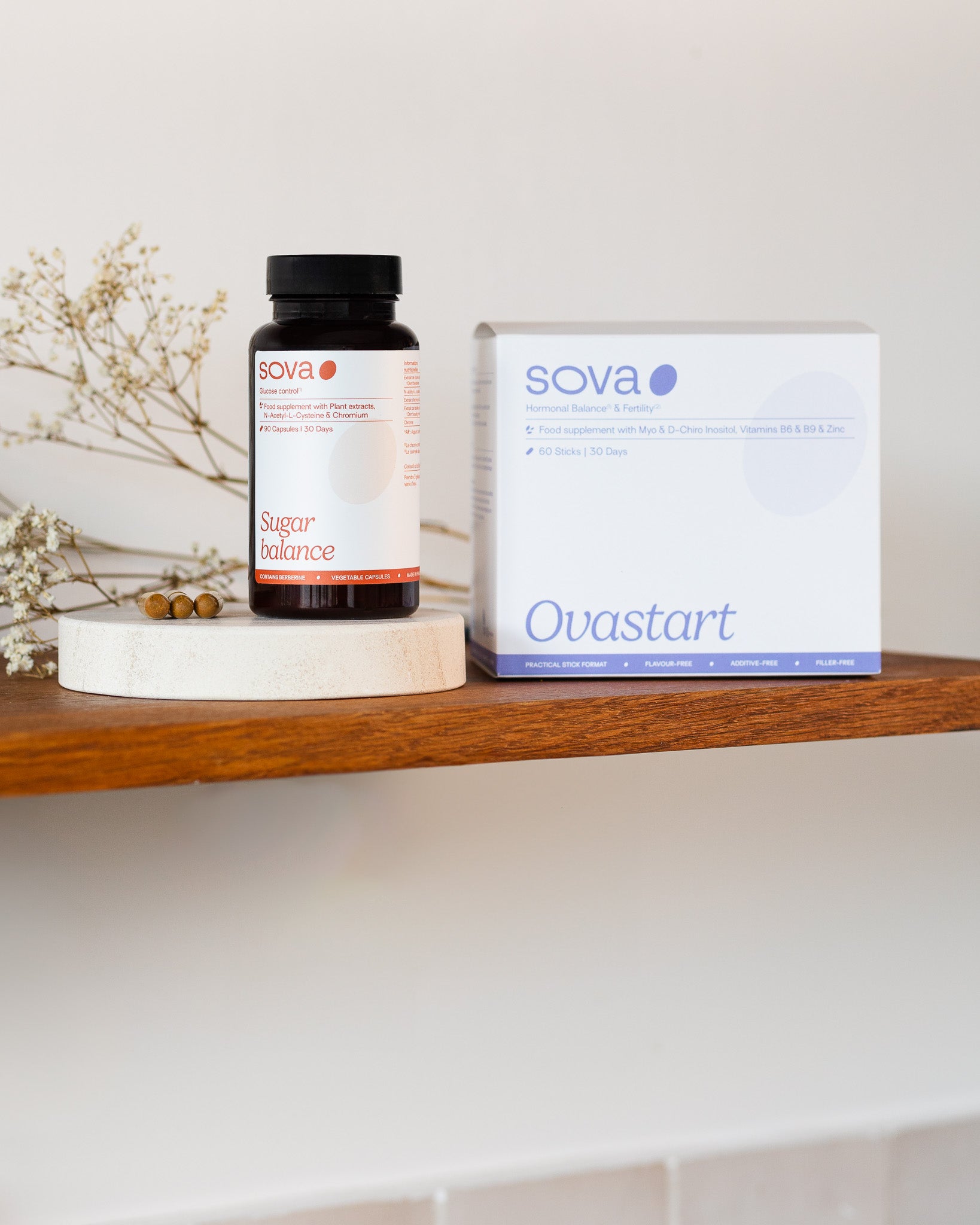
The Hormone Balance Supplements Built for PCOS - Two Products, One Complete System