




The Balance Bundle
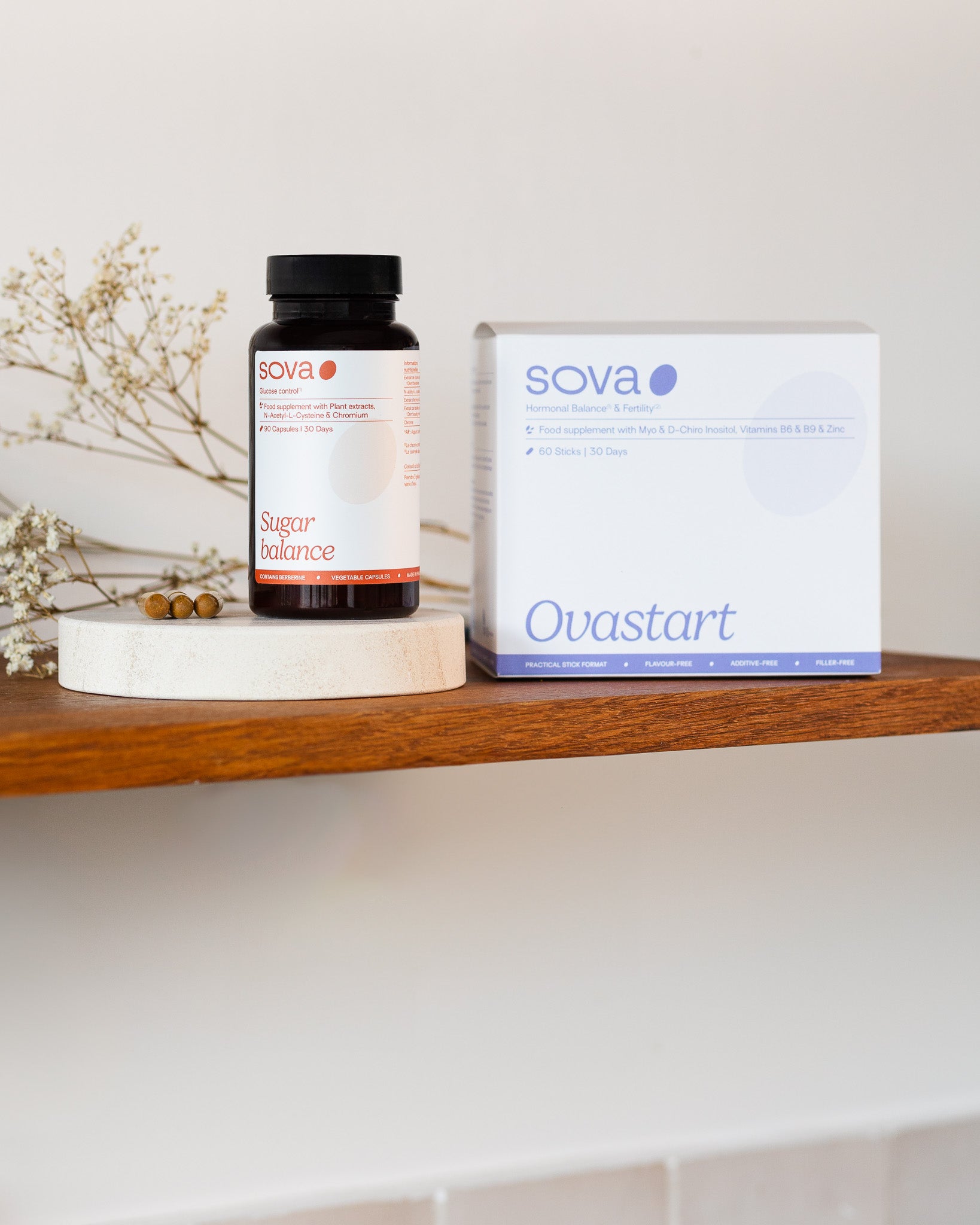
The Hormone Balance Supplements Built for PCOS - Two Products, One Complete System
From £53

Sugar Balance
Berberine Supplement UK - Blood Sugar, Insulin & Metabolic Support for Women with PCOS
From £26
Table of contents
- 01. The 2-out-of-3 Rule: PCOS as a Syndrome of Exclusion
- 02. The Four Faces of PCOS: Which Phenotype Might You Be?
- 03. The 'True Period' vs. The Anovulatory Bleed: A Critical Distinction
- 04. The Silent Driver: Insulin Resistance in 'Normal-Cycle' PCOS
- 05. The Missing Diagnostic Link: Anti-Müllerian Hormone (AMH
- 06. Investigating Ovulation: What the Clinical Data Supports
- 07. Addressing Ovulation Quality from Within: The Role of Myo-Inositol
- 08. Frequently Asked Questions
- 09. Your Doctor's Office Checklist: What to Request
- 10. Conclusion: Navigating the PCOS Spectrum with Clarity
Yes - you can have a regular, predictable period every single month and still have PCOS. That single fact overturns one of the most persistent misconceptions in women's hormonal health.
If you've been told your cycles are 'fine' while still living with acne on your jaw, unwanted hair, unexplained weight changes, or unexplained difficulty conceiving, your instincts deserve a closer look. Regular periods are not the only gateway to a PCOS diagnosis. The science tells a more nuanced - and more empowering - story.
This article explains the physiology behind 'silent PCOS', what distinguishes a true ovulatory period from an anovulatory bleed, why insulin resistance may be operating beneath the surface even when your calendar looks reassuringly normal, and which specific investigations clinical data supports requesting from your doctor.
|
🔬 Key Takeaways • Yes - around 20–30% of women with PCOS have regular periods. You do not need irregular cycles to receive a PCOS diagnosis. • A PCOS diagnosis requires only 2 out of 3 Rotterdam Criteria. Hyperandrogenism + Polycystic Ovaries on scan is sufficient - no irregular cycles needed. • A regular bleed is not always a 'true' period. Anovulatory withdrawal bleeding can mimic menstruation, with no ovulation and no progesterone rise. • Insulin resistance affects up to 65–70% of women with PCOS - including those with regular cycles - and silently impairs egg quality and hormonal balance. • Anti-Müllerian Hormone (AMH) is often the missing diagnostic link for women with PCOS and regular cycles. Elevated AMH can point to ovarian dysfunction even without irregular periods. |
The 2-out-of-3 Rule: PCOS as a Syndrome of Exclusion
PCOS is not a diagnosis of a single symptom. It is a syndrome — a cluster of features — and its diagnosis rests on a specific logic called the Rotterdam Criteria, established in 2003 by a joint consensus of the European Society for Human Reproduction and Embryology (ESHRE) and the American Society for Reproductive Medicine (ASRM), and reaffirmed as the global standard in the 2018 and 2023 International Evidence-Based Guidelines [1, 2].
The criteria require at least 2 of the following 3 features, after excluding other disorders (thyroid dysfunction, congenital adrenal hyperplasia, hyperprolactinaemia):
• Oligo-ovulation or anovulation (irregular or absent ovulation)
• Clinical or biochemical Hyperandrogenism — acne, hirsutism, elevated free testosterone or DHEA-S
• Polycystic Ovarian Morphology (PCOM) — 20+ follicles per ovary on ultrasound, or elevated Anti-Müllerian Hormone (AMH) per 2023 updated criteria [2]
Notice what is conspicuously absent from that list: irregular periods are not a standalone diagnostic criterion. Cycle regularity relates to ovulatory status, which is just one of three possible features. If you have elevated androgens and polycystic ovaries on a scan — criteria 2 and 3 — you meet the diagnostic threshold for PCOS regardless of how regular your cycles appear.
This is not a grey area. Research published in Best Practice & Research Clinical Endocrinology & Metabolism confirms that approximately one in three women with PCOS in unselected (non-clinical) populations presents with the ovulatory phenotype — what is formally termed Phenotype C [3]. These women have regular cycles but elevated androgens and polycystic ovaries.
The Four Faces of PCOS: Which Phenotype Might You Be?
Because the Rotterdam Criteria combine three possible features in pairs, PCOS naturally produces four distinct clinical presentations. Understanding these phenotypes helps explain why two women with 'PCOS' can look so different from one another — and why cycle length alone can be so misleading.
|
Phenotype |
Periods |
Androgens |
Ovarian Scan |
Insulin Resistance |
|
A — Classic PCOS |
Irregular |
Elevated |
Polycystic |
~80% |
|
B — Classic (no PCOM) |
Irregular |
Elevated |
Normal |
~70% |
|
C — Ovulatory PCOS ← You may be here |
Regular ✓ |
Elevated |
Polycystic |
~65% |
|
D — Non-androgenic |
Irregular |
Normal |
Polycystic |
~38% |
Phenotype C (Ovulatory PCOS) is the presentation most frequently missed or delayed in diagnosis. Women in this group ovulate — often on a regular 28–32 day schedule — but carry the biochemical hallmarks of the condition: elevated androgens and polycystic ovarian morphology. Clinical data suggests their insulin resistance prevalence is around 65%, lower than classic phenotypes but far from negligible [7].
Important note: even within Phenotype C, ovulation quality may be subtly compromised. Research indicates that women with polycystic ovaries who appear to ovulate regularly can have significantly lower progesterone levels in the early luteal phase than women with proven fertility — even when cycle lengths appear identical [5].
|
Support your hormones with the right products Sova is here to support you through your hormonal journey and help you live better with PCOS, thanks to natural and tailored solutions. |
The 'True Period' vs. The Anovulatory Bleed: A Critical Distinction
This is the physiological detail that changes everything — and it is rarely explained clearly enough.
A true menstrual period is the conclusion of an ovulatory cycle. Here is the sequence:
• Follicular phase: oestradiol rises as follicles develop
• Ovulation: a dominant follicle releases an egg, triggered by an LH surge
• Luteal phase: the now-empty follicle (corpus luteum) produces progesterone
• If no fertilisation occurs, progesterone falls — and it is this progesterone withdrawal that triggers the shedding of the uterine lining: your period
In an anovulatory cycle, a very different sequence unfolds. Oestradiol still rises and falls, stimulating and then withdrawing from the uterine lining. But because no egg was ever released, no corpus luteum forms and no progesterone is made. The lining still sheds — but this is called an anovulatory withdrawal bleed or breakthrough bleeding, not a true menstrual period [4].
Crucially, this bleed can occur at perfectly regular intervals — every 28 or 30 days — because it is driven by oestrogen fluctuations rather than the absence of progesterone. To the calendar, it looks identical to a normal period. To your hormonal profile, it is a very different event.
How to tell the difference
|
|
✅ Ovulatory Period |
⚠️ Possible Anovulatory Bleed (PCOS) |
|
Trigger |
Progesterone drop after ovulation |
Oestrogen withdrawal — no ovulation |
|
Day-21 Progesterone |
Rises above ~5 nmol/L |
Remains low or unmeasurable |
|
Basal Body Temp (BBT) |
Sustained rise of ~0.2°C post-ovulation |
No temperature rise observed |
|
Cervical mucus |
Egg-white (fertile) mucus before ovulation |
Absent or no recognisable fertile pattern |
|
Luteal phase |
10–16 days, progesterone dominant |
No true luteal phase |
|
PMS pattern |
Typically present in second half of cycle |
May be absent or atypical |
|
LH test (OPK) |
Detects one clear surge |
May show multiple 'false' surges due to elevated LH |
A study published in Human Reproduction demonstrated that women with polycystic ovaries who report regular cycles can exhibit significantly lower early-luteal progesterone levels than women with confirmed ovulatory function — even when cycle length is indistinguishable [5]. This is precisely why day-21 serum progesterone remains the most clinically reliable tool for confirming ovulation, and why it should be specifically requested if you have regular cycles but suspect a hormonal imbalance.
The Silent Driver: Insulin Resistance in 'Normal-Cycle' PCOS
Perhaps the most under-discussed aspect of Phenotype C PCOS is insulin resistance - and how profoundly it can operate beneath the surface while cycles remain apparently regular.
Insulin resistance (IR) is present in approximately 65–70% of women with PCOS, with estimates ranging from 35% to 80% depending on the study population and criteria used [6, 7]. Critically, IR is not exclusive to women with irregular cycles. Research published in the Journal of Ovarian Research confirms that IR is present in approximately 65% of women with ovulatory PCOS (Phenotype C) - a figure that is strikingly high for a group whose cycles appear clinically normal [7].
|
How Insulin Resistance Disrupts the Cycle — Even with Regular Periods 1. Hyperinsulinaemia: Excess insulin stimulates ovarian theca cells... 2. Androgen overproduction: ...to produce excess testosterone & androgens. 3. SHBG suppression: Insulin lowers Sex Hormone Binding Globulin, increasing free androgens in circulation. 4. Follicular arrest: Excess androgens prevent follicles from maturing to ovulation stage. 5. Impaired oocyte quality: Even in ovulatory PCOS, the follicular fluid environment is altered, reducing egg developmental competence [8]. |
The metabolic consequences of IR in PCOS extend beyond fertility. Chronically elevated insulin contributes to the long-term risk of type 2 diabetes, dyslipidaemia, and cardiovascular disease — risks that do not disappear simply because your cycle appears regular. This is the 'silent' dimension of Phenotype C PCOS: the hormonal and metabolic disruption running underneath a reassuring surface.
A path worth exploring clinically: Fasting insulin, fasting glucose, and HOMA-IR (Homeostatic Model Assessment of Insulin Resistance) can all be measured on a standard blood panel. Clinical data supports requesting these tests as part of any PCOS evaluation, including in women with regular cycles.

The Missing Diagnostic Link: Anti-Müllerian Hormone (AMH
For women with regular periods and suspected PCOS, the standard diagnostic pathway — which relies heavily on ultrasound to identify polycystic ovarian morphology — can sometimes fail to capture the full picture. This is where Anti-Müllerian Hormone (AMH) has emerged as a genuinely important clinical tool.
AMH is a glycoprotein secreted by the granulosa cells of small antral follicles. In women with PCOS, AMH levels are typically 2–4 times higher than in healthy controls — reflecting the characteristic follicular excess of the condition [4]. Crucially, elevated AMH is present across all PCOS phenotypes, including those with regular cycles.
A major meta-analysis commissioned as part of the 2023 International Evidence-Based PCOS Guideline — published in Fertility and Sterility — evaluated 82 studies and reported a pooled sensitivity of 0.79 and specificity of 0.87 for AMH in diagnosing PCOS in adult women [4]. On the basis of this evidence, the 2023 updated guideline now formally recommends AMH levels as an alternative to ultrasound for defining polycystic ovarian morphology in adults [2].
What does this mean practically? If ultrasound access is limited, or if your scan results are borderline, a serum AMH test may provide the diagnostic clarity your doctor needs. Elevated AMH in the context of hyperandrogenism — even with regular cycles — can point directly toward Phenotype C PCOS.
AMH is also informative about ovulation quality. Research shows that elevated AMH inhibits FSH-dependent follicle development and reduces aromatase activity (which converts androgens to oestrogens) — contributing to a follicular environment that compromises egg maturation even in apparently ovulatory cycles [4, 9].
Investigating Ovulation: What the Clinical Data Supports
If you suspect your monthly bleed may not always be a true ovulatory period, there are several approaches that clinical data supports for home and clinical investigation.
Ovulation Predictor Kits (OPKs): These detect the LH surge that precedes ovulation. However, women with PCOS commonly have chronically elevated baseline LH levels, which can generate multiple 'false positive' LH surges within a single cycle. Up to 60% of women with PCOS show LH hypersecretion, making standard OPKs unreliable as a sole ovulation confirmation tool [4]. An LH surge does not confirm that ovulation occurred.
Basal Body Temperature (BBT): Progesterone produced after genuine ovulation raises resting body temperature by approximately 0.2°C. A sustained rise maintained for 10–16 days is clinically accepted as evidence of ovulation. No temperature rise confirms anovulation — regardless of calendar bleeding [4, 5].
Mid-Luteal Progesterone (day 19–23 of a 28-day cycle): This is the gold-standard clinical test for ovulation confirmation. A value above 5 nmol/L (or ideally above 16–30 nmol/L for fertile-quality ovulation in some protocols) confirms that ovulation occurred. A value below 3–4 nmol/L in at least two consecutive cycles is sufficient to diagnose oligo-anovulation, even in women with apparently regular cycles [3, 5].
Addressing Ovulation Quality from Within: The Role of Myo-Inositol
The inositol story in PCOS is one of the most compelling examples of how a hormonal environment can quietly undermine reproductive health at the cellular level.
Myo-inositol (MI) and D-chiro-inositol (DCI) are both natural isomers of inositol, yet they serve distinct roles in the body. MI is the primary driver of FSH-mediated follicular development and oocyte quality within the ovary, while DCI plays a key supporting role in peripheral insulin signalling and glucose metabolism. In healthy physiology, the body maintains a precise, naturally calibrated balance between these two forms — one that reflects the different demands of ovarian and metabolic tissue.
In PCOS, this balance is frequently disrupted by what researchers have termed the 'Ovarian Paradox.' Chronically elevated insulin drives the over-conversion of MI into DCI within ovarian tissue, depleting the very compound the follicles depend on for healthy development. The result is a localised MI deficit at the site where it matters most — impairing egg quality, disrupting ovulation, and perpetuating the hormonal dysregulation characteristic of PCOS.
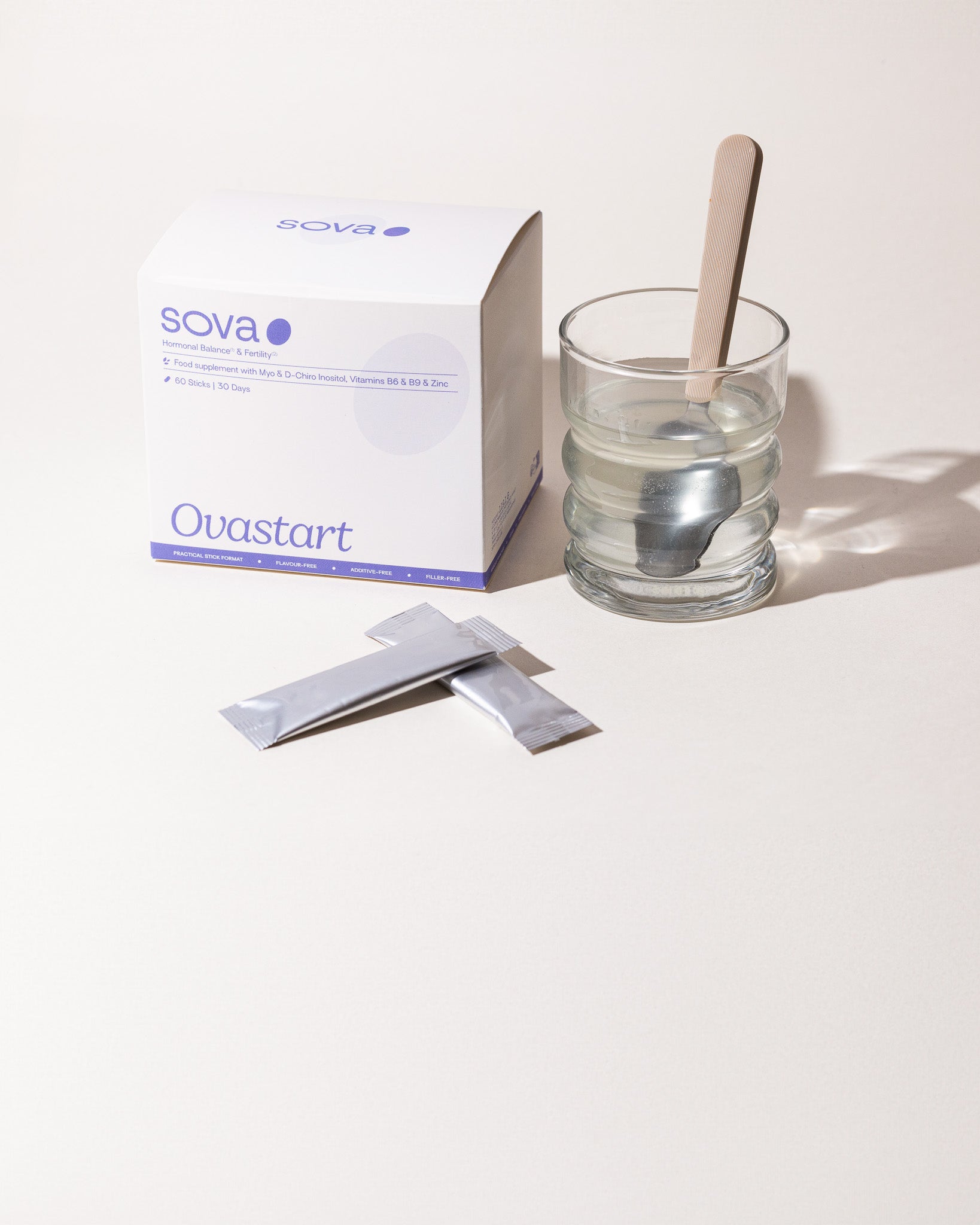
Ovastart is formulated to work with this biological reality. Its plasma-mimetic inositol blend is designed to reflect the natural physiological symmetry found in healthy human blood — restoring the biomimetic balance that PCOS disrupts. By replenishing MI where it is most needed while preserving DCI's metabolic function, Ovastart supports both ovarian health and insulin sensitivity in a single, evidence-informed formulation.

Frequently Asked Questions
Can you still have a period every month with PCOS?
Yes, you can have a period every month with PCOS. Approximately 20–30% of women with PCOS have regular cycles, most commonly those with Phenotype C (Ovulatory PCOS). These women have elevated androgens and polycystic ovaries on scan, but their ovulatory
function — at the level of cycle length at least — appears intact. However, cycle length does not confirm the quality of ovulation. Day-21 progesterone testing and BBT charting provide a more complete picture.
What are the symptoms of PCOS with regular periods?
Women with Phenotype C PCOS — regular cycles — may experience any combination of:
• Hormonal acne, particularly on the chin, jaw, and lower face
• Excess facial or body hair (hirsutism)
• Scalp hair thinning or androgenic alopecia
• Unexplained weight gain, particularly in the abdominal area
• Dark skin patches (acanthosis nigricans) on the neck or armpits
• Post-meal fatigue and sugar cravings (signs of insulin resistance)
• Difficulty conceiving despite apparently regular cycles
• Elevated AMH on a blood test
What is the biggest indicator of PCOS?
There is no single defining indicator. PCOS is diagnosed when at least two of three features are present: Hyperandrogenism (clinical or biochemical), ovulatory dysfunction, and polycystic ovarian morphology (including by AMH). For women with regular cycles, Hyperandrogenism — confirmed via blood tests showing elevated free testosterone or DHEA-S — combined with elevated AMH or polycystic ovaries on ultrasound provides sufficient diagnostic grounds under the Rotterdam Criteria [1].
Can regular periods mean PCOS is mild or less serious?
Not necessarily. While Phenotype C tends to present with a milder metabolic profile than classic phenotypes, insulin resistance is still present in approximately 65% of cases. The long-term metabolic and cardiovascular risks associated with PCOS — including type 2 diabetes and dyslipidaemia - are linked to insulin resistance, not to cycle regularity. Regular periods can provide a false sense of security if the underlying hormonal and metabolic picture goes uninvestigated [7].
Your Doctor's Office Checklist: What to Request
If your cycles appear regular but you recognise the symptoms described above, the following investigations are clinically supported for investigating potential PCOS — even in the absence of cycle irregularity. Consider bringing this list to your next medical appointment.
|
Symptoms to Report • Hormonal acne (chin, jaw, lower face) • Excess facial or body hair (hirsutism) • Thinning scalp hair or hair loss • Unexplained weight gain, especially around the abdomen • Dark skin patches (acanthosis nigricans) — neck, armpits • Sugar cravings or post-meal energy crashes • Persistent fatigue unrelated to sleep • Low mood, anxiety, or disrupted sleep • Difficulty conceiving despite regular cycles |
Blood Tests & Investigations to Request • Free Testosterone & Total Testosterone: Assesses biochemical hyperandrogenism • DHEA-S (dehydroepiandrosterone sulphate): Adrenal androgen excess marker • Fasting Insulin & Fasting Glucose: Screens for insulin resistance (calculate HOMA-IR) • LH/FSH ratio: Elevated ratio (>2:1) suggests PCOS pattern • AMH (Anti-Müllerian Hormone): Elevated AMH can replace ultrasound for PCOM diagnosis per 2023 guidelines [4] • Mid-luteal Progesterone (day ~21): Confirms ovulation — target ≥5 nmol/L • Thyroid function (TSH) & Prolactin: Excludes other causes of hormonal disruption • Pelvic Ultrasound: Evaluates ovarian morphology (PCOM) |
According to the World Health Organization, an estimated 10–13% of reproductive-aged women globally have PCOS, and up to 70% remain undiagnosed [10]. For women with regular cycles, the path to diagnosis often requires specifically advocating for these investigations - they are unlikely to be ordered unless the clinical picture is presented clearly.
Conclusion: Navigating the PCOS Spectrum with Clarity
Regular periods have, for too long, functioned as a diagnostic barrier - a reassuring signal that closes the door on PCOS investigation before it has even begun. The science tells a more complex story. Phenotype C PCOS is real, prevalent, and physiologically significant. Anovulatory bleeds can masquerade as periods. Insulin resistance can operate silently. AMH can be elevated before any other marker becomes visible.
None of this is cause for alarm - but it is cause for informed curiosity. Having regular cycles is genuinely a positive baseline. It means that aspects of your hormonal system are functioning. For women who do receive a Phenotype C PCOS diagnosis, clinical data supports a range of approaches - from targeted nutritional support for insulin sensitivity and inositol balance, to lifestyle modifications, to medical management - all adapted to the individual's goals and needs.
The goal is not to find a diagnosis to worry about. It is to understand your body accurately enough to support it well - ideally with the guidance of a healthcare professional who takes your full hormonal picture into account.
A final note 💜
PCOS is a spectrum, and so is the support available for it. If you are navigating symptoms alongside regular cycles and not finding answers through standard channels, the framework in this article — the Rotterdam Criteria, the phenotype model, the role of AMH and insulin — gives you the language and the clinical rationale to ask better questions. You deserve care that is as nuanced as your biology.
Key Terms
Anovulation: The absence of ovulation during a menstrual cycle. A uterine bleed can still occur (anovulatory/withdrawal bleed) without ovulation having taken place.
Rotterdam Criteria: The internationally accepted diagnostic standard for PCOS. Requires 2 of 3 features: hyperandrogenism, ovulatory dysfunction, or polycystic ovarian morphology. Established 2003; updated 2018 and 2023.
Hyperandrogenism: Excess androgens (e.g. testosterone, DHEA-S). Can be clinical (acne, hirsutism) or biochemical (elevated blood markers). A hallmark feature of most PCOS phenotypes.
Polycystic Ovarian Morphology (PCOM): ≥20 antral follicles per ovary on ultrasound, or elevated AMH by 2023 criteria. Does not mean 'cysts' in the conventional sense — these are follicles in a state of arrest.
Anti-Müllerian Hormone (AMH): A glycoprotein secreted by ovarian follicles. Elevated in PCOS (2–4× normal), reflecting follicular excess. Now part of official PCOS diagnostic criteria as of the 2023 updated guidelines.
Insulin Resistance (IR): Reduced cellular response to insulin. In PCOS, drives compensatory hyperinsulinaemia, which stimulates androgen production and suppresses SHBG.
Luteal Insufficiency: Suboptimal progesterone production in the post-ovulatory luteal phase. Can occur even in apparently ovulatory cycles and impairs endometrial receptivity and fertility.
Phenotype C (Ovulatory PCOS): The PCOS subtype characterised by regular periods, elevated androgens, and polycystic ovaries — with absent or subclinical ovulatory dysfunction. Estimated to affect ~1 in 3 PCOS women in unselected populations.
Scientific references
SOVA was created by two sisters with PCOS who wanted products that truly worked. Our formulas are developed in-house with women’s health and micronutrition experts, using ingredients backed by clinical studies and compliant with European regulations.
- Built by women with PCOS, we know the reality of the symptoms.
- Clinically studied, high-quality ingredients, including patented forms like Quatrefolic® and an optimal Myo-/D-Chiro Inositol ratio.
- Holistic support for hormonal balance, metabolic health, inflammation, mood and cycle regulation.
- Transparent, science-led formulas with no unnecessary additives.
The Hormone Balance Supplements Built for PCOS - Two Products, One Complete System
Berberine Supplement UK - Blood Sugar, Insulin & Metabolic Support for Women with PCOS

Inositol Powder Supplement for PCOS