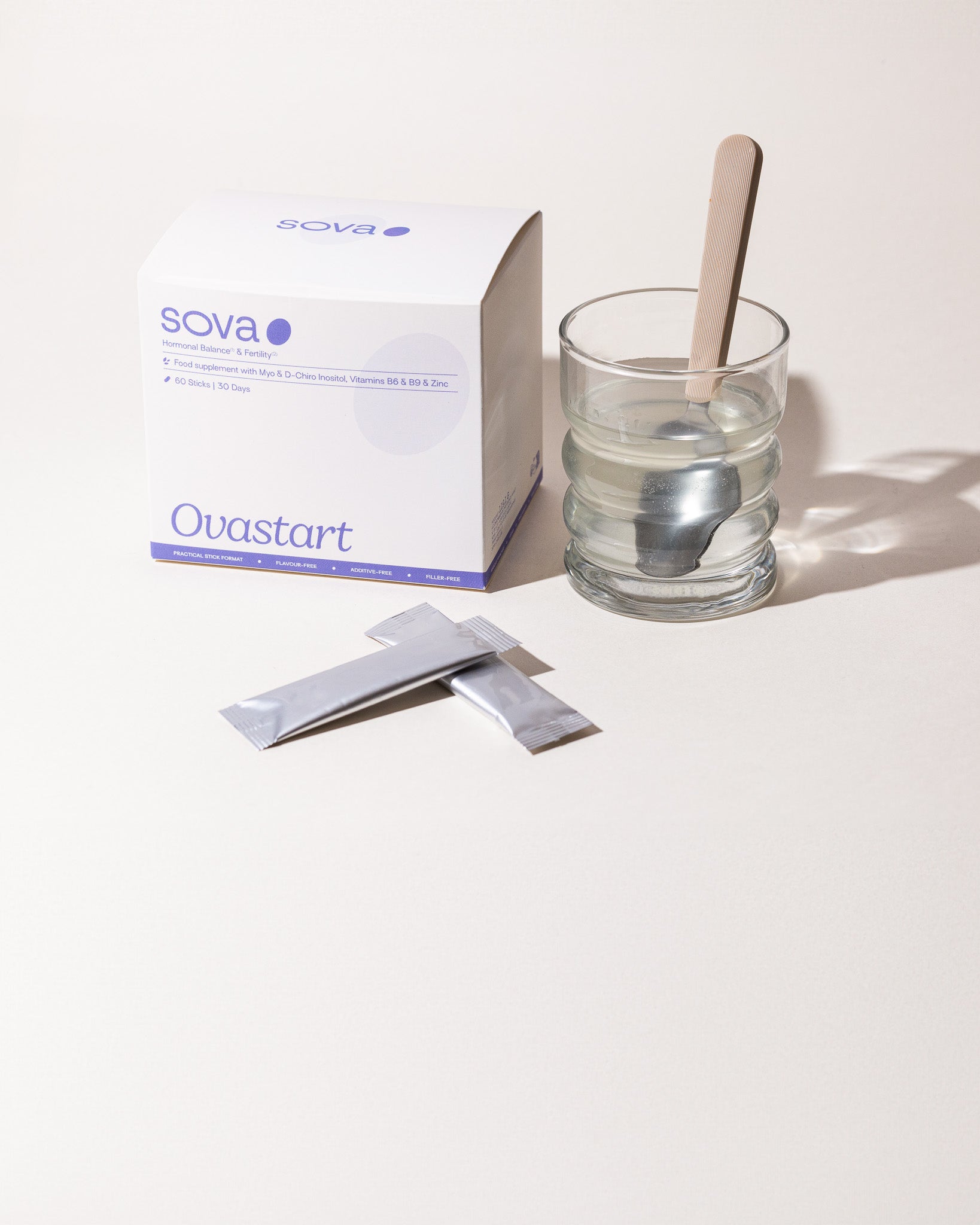




Sugar Balance
Berberine Supplement UK - Blood Sugar, Insulin & Metabolic Support for Women with PCOS
From £26

The Balance Bundle
The Hormone Balance Supplements Built for PCOS - Two Products, One Complete System
From £53
Table of contents
- 01. How a Targeted PCOS Diet Stabilises Your Hormones
- 02. What to Look For in a Great PCOS Recipe Book
- 03. The Top 7 PCOS Recipe Books for Real Results
- 04. Crucial PCOS Dietary Swaps: What to Eat vs. What to Limit
- 05. Frequently Asked Questions About PCOS Cookbooks & Diet
- 06. The Bottom Line: Choosing Your Path to Hormonal Balance
📌 In Summary: Managing PCOS starts on your plate. The right recipe book can make eating for hormonal health simple, satisfying, and completely realistic for everyday life. Below, we've curated the 7 best PCOS recipe books of 2026 - each one backed by nutritional science and chosen for a different type of woman with PCOS.
If you've ever typed "what can I eat with PCOS?" into a search engine at midnight, you already know the feeling: a wall of conflicting advice, restrictive food lists, and recipes that look nothing like the meals your family actually eats. You are not alone - and you are not broken.
PCOS (Polycystic Ovary Syndrome) affects an estimated 1 in 10 women of reproductive age worldwide, making it one of the most common hormonal conditions globally (1). Yet despite how widespread it is, many women spend years cycling through generic diet advice that was never designed with their hormones in mind.
The good news? A targeted PCOS recipe book changes everything. It takes the guesswork out of mealtimes and gives you a framework built around how your body actually works. In this guide, we've curated the 7 best options for 2026 - each one chosen for a specific type of reader, from the total beginner to the woman who wants the full science.
How a Targeted PCOS Diet Stabilises Your Hormones
Before we dive into the book recommendations, it helps to understand why food matters so much with PCOS. This isn't about calories in versus calories out. It's about chemistry.
PCOS is, at its core, a hormonal and metabolic condition. That means what you eat has a direct influence on the hormones driving your symptoms - including testosterone, oestrogen, progesterone, and crucially, insulin (the hormone that regulates your blood sugar levels).
The Role of Low-GI Meals in Managing Insulin Resistance
Up to 70% of women with PCOS have some degree of insulin resistance (2), meaning their cells don't respond efficiently to insulin. When blood sugar spikes - after a bowl of white pasta, a slice of white toast, or a sugary snack - the body floods the bloodstream with insulin to compensate. This excess insulin then signals the ovaries to produce more androgens (male hormones like testosterone), which disrupts ovulation and causes many of the symptoms you may recognise: irregular periods, acne, and unwanted hair growth.
The solution isn't to ban carbohydrates entirely. It's to choose low-GI (glycaemic index) carbohydrates - foods that release glucose slowly and steadily, preventing those dramatic spikes. A 2010 clinical study published in the American Journal of Clinical Nutrition found that women with PCOS who followed a low-GI diet experienced significantly greater improvements in insulin sensitivity, menstrual cyclicity, and even emotional wellbeing compared to a standard healthy diet (3).
👉 To understand more about how insulin impacts your cycle, read our article: Insulin Resistance and PCOS: What's the Link?

Reducing Chronic Inflammation Through Anti-Inflammatory Whole Foods
PCOS is now well-recognised as a state of chronic low-grade inflammation (4) - a persistent, low-level activation of the immune system that doesn't cause obvious symptoms on its own but quietly fuels hormonal disruption, fatigue, and weight gain. A 2019 study in the journal Nutrients confirmed that women with PCOS show higher circulating inflammatory markers, and that an anti-inflammatory dietary pattern significantly reduces these markers alongside improvements in hormonal profiles (4).
The foods that fight inflammation aren't exotic or expensive: leafy greens, oily fish, extra virgin olive oil, berries, turmeric, and nuts. The recipes you'll find in the books below are built around these very ingredients.

💡 Quick Summary: The PCOS Diet Formula
The Goal: Lower insulin and cortisol levels to ease weight gain, clear brain fog, and regulate your cycle.
The Method: Pair fibre-rich carbohydrates with clean proteins and healthy fats to prevent blood sugar spikes.
The Rule: Focus on crowding out inflammatory foods with delicious whole foods - not starving yourself or eliminating entire food groups.
What to Look For in a Great PCOS Recipe Book
Not all "healthy" cookbooks are created equal when you have PCOS. Here's a quick checklist to filter the good from the generic:
- Ingredient accessibility: Recipes should use supermarket staples, not a weekly trip to a specialist health store.
- Prep time: Look for meals that come together in 30 minutes or less - most of us don't have hours to cook on a weeknight.
- No extreme restriction: Avoid books that ban entire macronutrient groups. PCOS management is a long-term lifestyle, not a crash diet.
- Hormonal focus: The best books explain why a recipe works, not just how to make it.
- Flexibility: Adaptable recipes that work for the whole household, not just one person on a medical diet.
The Top 7 PCOS Recipe Books for Real Results
1. The Easy PCOS Diet Cookbook - Tara Spencer
Best for: Busy beginners who want to start today.
If you're newly diagnosed or simply overwhelmed, Tara Spencer's cookbook is the ideal starting point. Every recipe uses just five main ingredients and comes together in under 30 minutes - no specialist equipment, no obscure superfoods. Spencer is herself a nutritionist who has managed PCOS, which gives the book a grounded, empathetic tone that resonates with readers who are tired of being told what not to eat. Think spinach and egg breakfast muffins, lemon herb salmon with roasted courgette, and chocolate avocado mousse for dessert.
👉 For more on getting started with PCOS nutrition: The 8 Key Principles of a PCOS-Friendly Diet
2. A Balanced Approach to PCOS - Melissa Groves Azzaro, RDN
Best for: Women who love meal prep and structure.
Registered dietitian Melissa Groves Azzaro brings serious clinical expertise to this cookbook. It features 16 weeks of structured, seasonal meal plans with careful attention to protein, fat, and fibre ratios at every meal. What makes this book stand out is its nuance: Azzaro acknowledges that PCOS presents differently in every woman and includes adaptations for different symptom profiles. It's a book you return to again and again as your needs evolve.

3. The PCOS Diet Plan - Hillary Wright
Best for: Women who want to understand the science behind their food.
Hillary Wright is a registered dietitian who has dedicated her career to PCOS research and management. This book goes beyond recipes to explain, in plain language, exactly how insulin metabolism, androgen levels, and inflammatory pathways interact - and how specific food choices intervene at each step. It's the most science-forward book on this list, and for readers who want to feel truly informed rather than just fed a meal plan, it's essential reading. Bonus: it has been updated multiple times and reflects current evidence.
4. The PCOS Workbook - Angela Grassi & Stephanie Mattei
Best for: Budget-conscious women who want a practical, low-cost approach.
Registered dietitian Angela Grassi has worked with women with PCOS for over two decades, and this workbook-style guide reflects that depth of experience. Rather than relying on expensive superfoods or supplements, it teaches you how to build PCOS-friendly meals from affordable, accessible staples. The interactive format - with food journals, habit trackers, and goal-setting tools - makes it especially useful for women who find it hard to stick with dietary changes long-term.

5. The Plant-Based PCOS Cookbook - Various / Vegan PCOS Approach
Best for: Plant-based eaters and those exploring a vegan approach to PCOS.
A growing body of research suggests that plant-forward diets - rich in legumes, wholegrains, nuts, seeds, and vegetables - can meaningfully improve insulin sensitivity and reduce inflammation in PCOS (5). This style of book typically focuses on combining plant proteins intelligently (think lentil and quinoa bowls, tofu scrambles, and chickpea curries) to ensure adequate intake of zinc, iron, and B vitamins - nutrients that are particularly important for women with PCOS and often low in entirely plant-based diets. Look for editions that address supplementation alongside recipes.
👉 Related reading: PCOS and Gut Health: Why Your Microbiome Matters

6. Eight Steps to Reverse Your PCOS - Fiona McCulloch
Best for: Women focused on fertility and conception.
Naturopathic doctor Fiona McCulloch brings a comprehensive, fertility-focused lens to PCOS management. Her eight-step protocol includes dedicated nutrition chapters with recipes designed to support egg quality, reduce androgen levels, and prepare the body for conception. Unlike some fertility books that overlook the PCOS metabolic picture, McCulloch addresses insulin resistance, thyroid function, and the adrenal component together. It's one of the most holistic resources available for women with PCOS who are trying to conceive or simply want to prioritise reproductive health.
👉 Read more: The Benefits of Myo-Inositol for Fertility with PCOS
7. The PCOS Diet Book - Colette Harris & Theresa Cheung
Best for: Women drawn to Mediterranean-style eating.
The Mediterranean diet consistently ranks among the most evidence-backed eating patterns for PCOS management (6). Rich in olive oil, oily fish, legumes, vegetables, and moderate wholegrains, it hits virtually every marker of a good PCOS diet simultaneously - low-GI, anti-inflammatory, hormone-supporting. Harris and Cheung's book translates these principles into everyday British cooking, with approachable recipes that don't require you to relocate to the Amalfi Coast. For anyone who wants flavourful, family-friendly food that happens to be excellent for PCOS, this is the book.
📊 Quick Comparison: The 7 Best PCOS Recipe Books
| Cookbook | Best For | Key Feature | Formats |
|---|---|---|---|
| The Easy PCOS Diet Cookbook | Busy Beginners | 5-ingredient, 30-min meals | Paperback, Kindle |
| A Balanced Approach to PCOS | Meal Preppers | 16-week structured plan | Paperback |
| The PCOS Diet Plan | Detail Seekers | In-depth metabolic science | Paperback, E-book |
| The PCOS Workbook | Budget-Conscious | Low-cost, practical meals | Paperback, Kindle |
| Plant-Based PCOS Cookbook | Plant-Based Eaters | Vegan & plant-forward recipes | Paperback |
| Eight Steps to Reverse Your PCOS | Fertility Focus | Hormone-balancing protocols | Paperback, E-book |
| The PCOS Diet Book | Mediterranean Style | Whole-food, anti-inflammatory | Paperback |
Crucial PCOS Dietary Swaps: What to Eat vs. What to Limit
You don't need to wait for a cookbook to land on your doorstep to start making a difference. Here are the most impactful swaps you can make right now.
Smart Carb Swaps for Sustained Energy
The goal here is never to eliminate carbohydrates - which your brain and muscles need to function - but to switch to versions that release their energy slowly and come packaged with fibre, vitamins, and minerals.
- White rice → Quinoa or cauliflower rice. Quinoa is also a complete protein, making it doubly useful for PCOS.
- Regular pasta → Chickpea or lentil pasta. Same comfort, far more protein and fibre, much lower GI.
- White bread → Rye sourdough or seeded wholegrain. The fermentation in sourdough additionally supports gut health.
- Breakfast cereals → Rolled oats with chia seeds. Steel-cut or rolled oats have a substantially lower GI than instant porridge.
- Fruit juice → Whole fruit. The fibre in a whole orange slows the absorption of its natural sugars dramatically.
Healthy Fats and Proteins That Turn Off Hunger Hormones
Protein and healthy fat slow the absorption of glucose from any meal. Think of them as a natural "brake" on your blood sugar. Every PCOS-friendly meal should include at least one of the following:
- Proteins: Wild-caught salmon, organic eggs, chicken breast, Greek yoghurt, edamame, lentils, chickpeas.
- Healthy fats: Avocado, extra virgin olive oil, walnuts, flaxseeds, pumpkin seeds, tinned sardines or mackerel.
A small but fascinating 2011 study in Gynecological Endocrinology found that omega-3 fatty acid supplementation in women with PCOS significantly reduced fasting insulin and testosterone levels after just 8 weeks (7). You can eat your omega-3s (oily fish 2-3 times a week) or supplement - ideally both.
🛒 The PCOS Kitchen Checklist
| 🥦 Produce | Spinach, kale, broccoli, avocados, blueberries, raspberries, courgette, cucumber, sweet potato |
| 🫙 Pantry | Quinoa, rolled oats, chickpea pasta, chia seeds, extra virgin olive oil, canned chickpeas & lentils |
| 🐟 Protein | Wild-caught salmon, organic chicken breast, eggs, tinned sardines or mackerel, Greek yoghurt (plain) |
| 🥛 Dairy Alt. | Unsweetened almond milk, coconut yoghurt, oat milk (choose unsweetened varieties) |
| 🌿 Spice Rack | Turmeric, cinnamon, ginger, cumin - all support natural insulin sensitivity and reduce inflammation |
👉 For a deeper dive into what to eat week-by-week: Our Complete PCOS Meal Plan Guide
Frequently Asked Questions About PCOS Cookbooks & Diet
What is the best meal plan for PCOS?
The best meal plan for PCOS focuses on stabilising blood sugar and reducing inflammation by prioritising whole, nutrient-dense foods. A highly effective PCOS meal plan includes:
- Fibre-rich whole grains: Oatmeal, brown rice, quinoa, and buckwheat.
- Non-starchy vegetables: Broccoli, green beans, Brussels sprouts, and aubergine.
- Leafy greens: Spinach, kale, rocket, and collard greens.
- Legumes and pulses: Black beans, chickpeas, kidney beans, and lentils.
- Lean proteins and seafood: Fish, shellfish, chicken, and eggs to slow glucose absorption.
Is there a cookbook specifically for people with PCOS?
Yes - and there are several excellent ones. Our top recommendations are: The Easy PCOS Diet Cookbook by Tara Spencer for beginners, A Balanced Approach to PCOS by Melissa Groves Azzaro for structured meal prep, and The PCOS Diet Plan by Hillary Wright for science-focused readers. Each one was written by a qualified nutritionist or dietitian with direct experience in PCOS management.
What recipes are good for PCOS?
Good recipes for PCOS combine high-quality proteins and healthy fats with fibre-rich, low-glycaemic carbohydrates. Some excellent ideas to start with:
- Breakfast: A high-protein spinach and mushroom omelette cooked in olive oil with a side of avocado.
- Lunch: A Mediterranean chickpea and quinoa salad with cucumber, tomatoes, and grilled chicken.
- Dinner: Wild-caught baked salmon with roasted broccoli and a small portion of sweet potato.
- Snack: A small handful of walnuts with a few squares of 85% dark chocolate.
Can a PCOS recipe book really help me lose weight?
Yes - but the mechanism is different from a calorie-restriction diet. Most weight gain in PCOS is driven by insulin resistance: high insulin levels promote fat storage, particularly around the abdomen, and make it genuinely difficult for the body to access its fat stores for energy. A PCOS-focused recipe book addresses this root cause by stabilising blood sugar rather than just cutting calories. When insulin levels drop, fat burning becomes much more accessible - and sustainable.
Do I have to go completely gluten-free and dairy-free for PCOS?
No - and it's important not to feel pressured into it. While some women with PCOS do find that reducing gluten or dairy eases specific symptoms (particularly bloating, skin flare-ups, or digestive issues), there is currently no universal evidence that all women with PCOS benefit from complete elimination. The most evidence-based approach is to experiment mindfully: keep a food diary for 4-6 weeks while removing one variable at a time, and assess whether you genuinely notice an improvement in your symptoms.
Are low-carb or keto recipe books safe for PCOS?
Low-carb approaches can meaningfully improve blood sugar control and are worth exploring, particularly if insulin resistance is your main driver. However, very restrictive ketogenic protocols can sometimes raise cortisol (the stress hormone) in women, which may in turn worsen ovulation and cycle regularity. A moderate low-carb approach - prioritising complex carbohydrates and eliminating refined ones, rather than going near-zero on carbs entirely - tends to deliver the benefits without the hormonal trade-offs.
How long does it take to see results from changing my diet?
Results vary, but here's a realistic timeline: energy and mood often begin to stabilise within 2-3 weeks of consistent dietary changes. Skin improvements (acne, oiliness) typically take 6-8 weeks. Cycle regularisation and weight shifts generally require 3-6 months of sustained changes. The key word is consistency - this is a lifestyle, not a 30-day challenge.
The Bottom Line: Choosing Your Path to Hormonal Balance
There is no single "perfect" PCOS diet, and any book that claims otherwise should be treated with caution. The best recipe book for you is quite simply the one you'll actually cook from - the one whose recipes excite you, whose ingredient lists don't intimidate you, and whose philosophy you can genuinely sustain alongside your real life.
Start with one book. Cook three recipes from it this week. Pay attention to how your energy, hunger, and mood shift. That's where change begins.
And remember: food is one pillar. Good sleep, movement you enjoy, and stress management are equally important parts of managing PCOS - none of them work in isolation.
We hope this guide helps you find a resource that makes eating for your hormones feel genuinely enjoyable - because it can be. If you'd like to explore what targeted supplementation looks like alongside your dietary changes, the Sova team is here to help. ❤️
⚠️ This article is for educational purposes only and does not constitute medical advice. If you have been diagnosed with PCOS or suspect you may have it, please consult a qualified healthcare professional for personalised guidance.
- PCOS (Polycystic Ovary Syndrome): A hormonal condition affecting up to 1 in 10 women of reproductive age, characterised by irregular cycles, elevated androgens, and/or polycystic ovarian morphology. = PCOS (Polycystic Ovary Syndrome): A hormonal condition affecting up to 1 in 10 women of reproductive age, characterised by irregular cycles, elevated androgens, and/or polycystic ovarian morphology.
- Insulin resistance: A state in which cells respond less efficiently to insulin, leading the pancreas to produce more. In PCOS, this excess insulin stimulates the ovaries to overproduce androgens. = Insulin resistance: A state in which cells respond less efficiently to insulin, leading the pancreas to produce more. In PCOS, this excess insulin stimulates the ovaries to overproduce androgens.
- Glycaemic index (GI): A measure of how quickly a carbohydrate food raises blood sugar levels. Low-GI foods (score below 55) release glucose slowly and steadily. = Glycaemic index (GI): A measure of how quickly a carbohydrate food raises blood sugar levels. Low-GI foods (score below 55) release glucose slowly and steadily.
- Androgens: "Male" hormones (such as testosterone and DHEA) that are present in all women but elevated in PCOS, contributing to acne, hair growth, and hair thinning. = Androgens: "Male" hormones (such as testosterone and DHEA) that are present in all women but elevated in PCOS, contributing to acne, hair growth, and hair thinning.
- Low-grade inflammation: A chronic, low-level activation of the immune system with no obvious external signs, but which contributes to hormonal disruption, fatigue, and metabolic dysfunction. = Low-grade inflammation: A chronic, low-level activation of the immune system with no obvious external signs, but which contributes to hormonal disruption, fatigue, and metabolic dysfunction.
- Omega-3 fatty acids: Essential anti-inflammatory fats found in oily fish (salmon, mackerel, sardines) and plant sources (flaxseed, walnuts). Important for reducing inflammation and supporting insulin sensitivity in PCOS. = Omega-3 fatty acids: Essential anti-inflammatory fats found in oily fish (salmon, mackerel, sardines) and plant sources (flaxseed, walnuts). Important for reducing inflammation and supporting insulin sensitivity in PCOS.
- AMH (Anti-Mullerian Hormone): A hormone produced by ovarian follicles. Elevated levels are associated with PCOS and used as one diagnostic marker. = AMH (Anti-Mullerian Hormone): A hormone produced by ovarian follicles. Elevated levels are associated with PCOS and used as one diagnostic marker.
- Cortisol: The primary stress hormone, produced by the adrenal glands. Chronic elevation of cortisol worsens insulin resistance and can further disrupt ovulation in women with PCOS. = Cortisol: The primary stress hormone, produced by the adrenal glands. Chronic elevation of cortisol worsens insulin resistance and can further disrupt ovulation in women with PCOS.
Scientific References
Over 50,000 women have already adopted our routines, rating us an excellent 4.7/5 average (from 3,300+ reviews). Our supplements are formulated in French laboratories using clean, carefully sourced ingredients, with a maximum of patented active ingredients proven for their effectiveness.
- Founded by women with PCOS, we understand the reality of hormonal disorders.
- Clinically studied: High-quality ingredients, including patented forms like Quatrefolic® and an optimal Myo-/D-Chiro Inositol ratio.
- Holistic support: Formulated for hormonal balance, metabolic health, inflammation, mood, and cycle regulation.
- Science-led formulas: Transparent ingredients with absolutely no unnecessary additives.
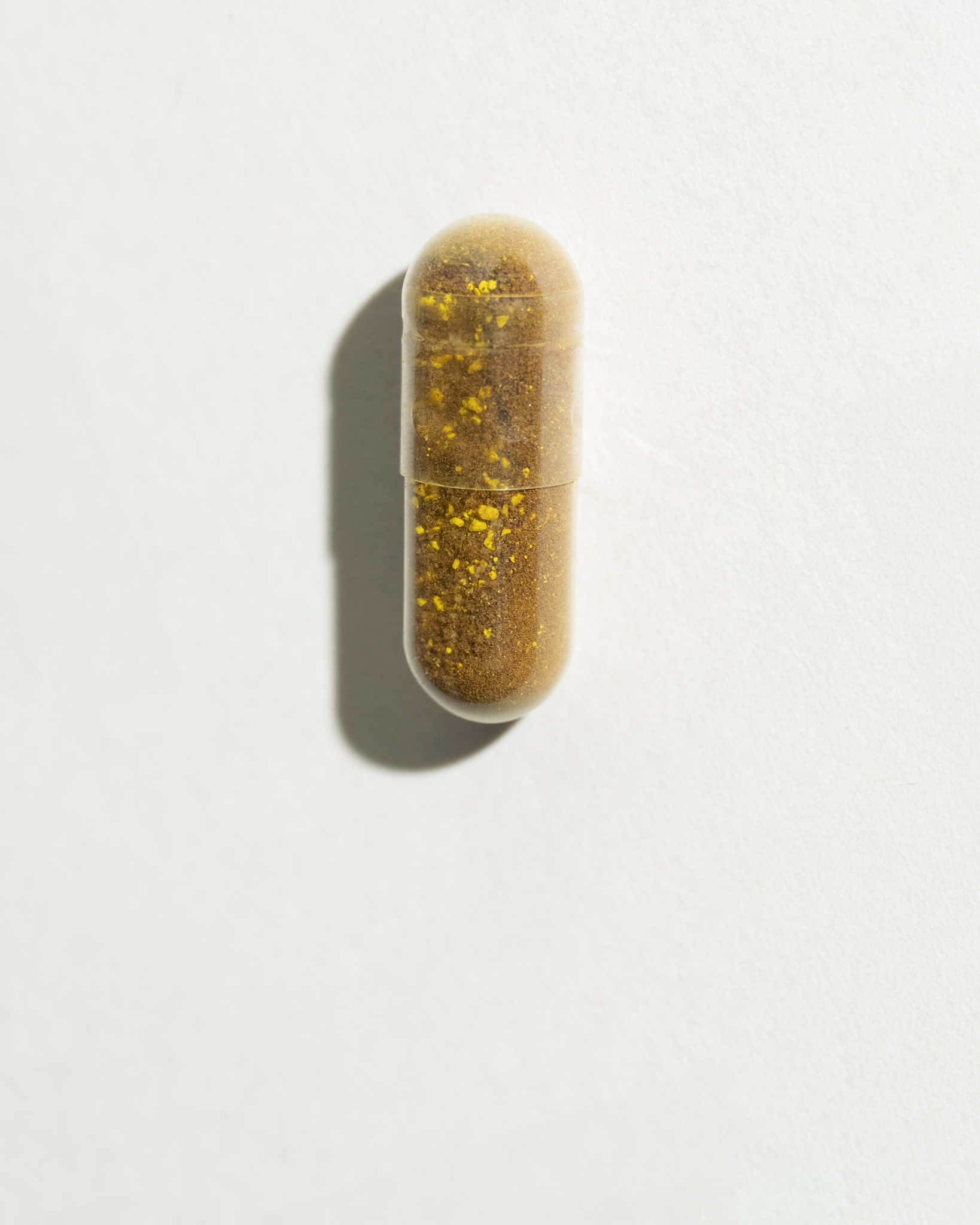
Berberine Supplement UK - Blood Sugar, Insulin & Metabolic Support for Women with PCOS
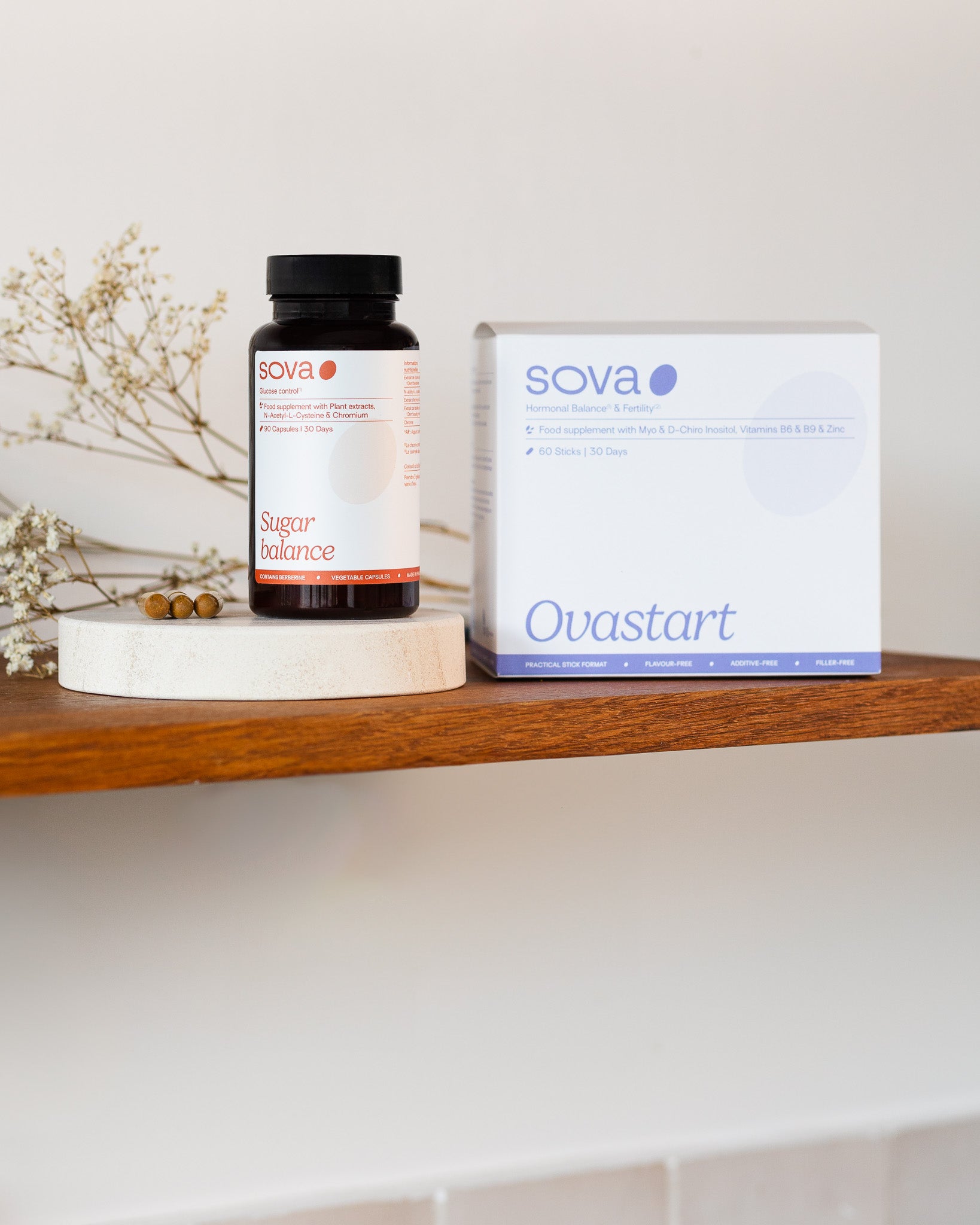
The Hormone Balance Supplements Built for PCOS - Two Products, One Complete System