




Sugar Balance
Berberine Supplement UK - Blood Sugar, Insulin & Metabolic Support for Women with PCOS
From £26

The Balance Bundle
The Hormone Balance Supplements Built for PCOS - Two Products, One Complete System
From £53
Table of contents
📌 Quick Summary: PCOS weight management is a metabolic and hormonal challenge - one that has nothing to do with effort or discipline. The most clinically researched supplements help support insulin sensitivity, reduce inflammation, and restore hormonal balance. This guide covers six key options - from inositol and berberine to magnesium - and how to pair them with a nourishing lifestyle.
If you have been diagnosed with PCOS and feel like you are doing everything right yet your body is not responding the way you expect, you are not imagining things - and you are certainly not at fault. PCOS changes the way your metabolism and hormones work from the inside - which means the path towards feeling better looks different for each woman.
This guide brings together the clearest, most up-to-date science on supplements studied specifically in women with PCOS. No overwhelm, no judgement - just honest, grounded information to help you make choices that feel right for your body.
🔑 Key Takeaways
- PCOS weight challenges are rooted in metabolic and hormonal imbalances - not a lack of effort.
- Certain supplements have strong clinical evidence for supporting insulin sensitivity, hormonal balance, and metabolic wellbeing.
- The most sustainable results come from pairing targeted supplementation with a nourishing, low-glycemic lifestyle.
- Because PCOS presents differently for each woman, working with a healthcare professional to personalise your approach is always a valuable step.
Understanding the Metabolic Root of PCOS
Conventional weight-management advice was largely designed for metabolically typical bodies - which means it often falls short for women with PCOS. Research indicates that approximately 50-70% of women with PCOS experience some degree of insulin resistance - a metabolic pattern that shifts how the body stores and uses energy (1).
When insulin sensitivity is reduced, the pancreas produces more insulin to compensate. That elevated insulin encourages the body to store energy as fat rather than release it - particularly around the abdomen. It also stimulates the ovaries to produce more androgens (hormones like testosterone), which can disrupt ovulation, contribute to acne and hair thinning, and make insulin sensitivity more challenging to restore over time (1).
This interconnected pattern - sometimes called a hormonal feedback loop - is why generic calorie-counting rarely addresses PCOS symptoms at their source. Understanding this is the starting point for a more targeted, compassionate approach to your own care.
👉 To understand more about how PCOS affects your body: What is PCOS and how does it affect your body?
What are the most studied supplements for PCOS weight management?
Based on current peer-reviewed evidence, the supplements with the strongest clinical backing for PCOS weight management are those that address the underlying metabolic imbalances - primarily insulin resistance, androgen excess, and systemic inflammation. The most researched options include:
- Inositol (Myo and D-chiro ratio): Supports insulin signalling and may help reduce sugar cravings and restore cycle regularity.
- Berberine: Activates the AMPK pathway - shown in PCOS-specific trials to support blood sugar regulation and reduce waist circumference.
- L-Carnitine: Supports fatty acid transport into mitochondria - relevant for both energy metabolism and insulin sensitivity.
- Omega-3 fatty acids (EPA/DHA): Help reduce low-grade inflammation and support androgen balance.
- Vitamin D3 (with K2): Addresses a deficiency that is particularly prevalent in women with PCOS and linked to insulin function.
- Zinc: Supports androgen metabolism and carbohydrate regulation.
- Magnesium: Linked to insulin sensitivity and sleep regulation - two areas of particular relevance in PCOS.
Inositol (Myo-Inositol and D-Chiro-Inositol): Supporting Insulin Signalling
Inositol is one of the most well-researched supplements in PCOS care. It is a naturally occurring compound found in foods like citrus fruits, beans, and wholegrains - and it plays a key role in how cells receive and respond to insulin signals.
In women with PCOS, a step in the inositol signalling pathway is often impaired, which contributes to reduced insulin sensitivity (2). Supplementing with inositol - at the physiologically appropriate ratio - may help support this pathway, improving how cells respond to insulin. Clinical meta-analyses have associated inositol supplementation with improvements in cycle regularity, reductions in fasting insulin, and a decrease in sugar cravings (2, 3).
Inositol is generally well-tolerated and considered safe for long-term use at therapeutic doses (3). As with all supplements, a conversation with your healthcare provider is a good starting point - especially if you are also taking other medications.

Berberine: Plant-Derived Support for Blood Sugar Balance
Berberine is a bioactive compound extracted from plants including goldenseal and barberry, and it has been studied in women with PCOS specifically. A randomised controlled trial published in Clinical Endocrinology found that berberine produced comparable improvements in hormonal and metabolic markers to metformin in women with PCOS, while also showing a more favourable effect on lipid profiles in some participants (4).
Its primary mechanism is the activation of AMPK - an enzyme that acts as the body's energy sensor. When activated, it supports healthy glucose uptake, encourages fat oxidation, and has been associated with reductions in waist circumference in clinical trials involving women with PCOS (4).
Practical considerations worth knowing:
- Some women experience digestive sensitivity when first introducing berberine. Taking it with food and starting at a lower dose may support better tolerability.
- Given its potency, most researchers suggest cycling berberine - for example 8 to 12 weeks on, followed by a planned break - rather than continuous long-term use.
- If you are currently taking blood sugar-regulating medication (such as metformin), it is particularly important to discuss berberine with your doctor first, as both target overlapping pathways.

L-Carnitine: Supporting Cellular Energy and Fat Metabolism
L-carnitine is an amino acid produced naturally by the body, with an important role in energy metabolism: it acts as a transporter, carrying long-chain fatty acids into the mitochondria where they can be converted into usable energy.
Research suggests that women with PCOS may have lower carnitine levels than average. In a randomised, double-blind, placebo-controlled trial published in Clinical Endocrinology, oral L-carnitine supplementation in women with PCOS was associated with significant reductions in body weight, BMI, and fasting insulin compared to placebo (5). For women who also experience the persistent fatigue that often accompanies PCOS, supporting mitochondrial function through carnitine may contribute to better energy levels over time.
Taking L-carnitine before physical activity may support its energy-related effects, though it can be taken at any time.
At a Glance: How the Three Core Supplements Compare
| Supplement | Primary Mechanism | May Be Particularly Helpful For | Key Practical Note |
|---|---|---|---|
| Inositol | Supports insulin signalling | Sugar cravings, cycle irregularity | Safe for long-term daily use. |
| Berberine | Activates the AMPK pathway | Blood sugar balance, waist circumference | Consider cycling (8-12 weeks on, then a break). |
| L-Carnitine | Supports mitochondrial fat oxidation | Persistent fatigue, slow metabolism | Can be taken before exercise for best effect. |
Three Further Nutrients with Strong Evidence in PCOS
The following nutrients address aspects of PCOS - inflammation, hormonal balance, and micronutrient deficiency - that the core trio does not fully cover.
Omega-3 Fatty Acids: Calming Inflammation and Supporting Androgen Balance
Chronic low-grade inflammation is increasingly recognised as a central feature of PCOS - one that compounds insulin resistance and contributes to many of the condition's visible symptoms. Omega-3 fatty acids (EPA and DHA, found in oily fish and algae-based sources) are among the most studied anti-inflammatory nutrients.
A clinical study in the Journal of Clinical Endocrinology and Metabolism found that omega-3 supplementation in women with PCOS was associated with reductions in liver fat, lower triglyceride levels, and a meaningful decrease in circulating testosterone (6). Addressing androgen levels in this way may contribute to improvements in acne, body composition, and cycle regularity.
Quality matters when choosing an omega-3 supplement. A low oxidation index (ToTOX score) indicates the oil remains fresh and bioavailable - which directly affects how well the body can make use of it.

Vitamin D3 and K2: Addressing a Widespread Deficiency
Studies consistently show that vitamin D deficiency is significantly more prevalent in women with PCOS than in the general population, with multiple analyses reporting insufficient levels in the majority of women studied (7). This matters metabolically because vitamin D receptors are expressed on pancreatic beta cells - the cells responsible for releasing insulin - meaning that low vitamin D may impair insulin function at a cellular level (7).
Correcting vitamin D insufficiency has been associated with improvements in insulin sensitivity, more regular menstrual cycles, and better overall metabolic markers in PCOS research. In the UK particularly, where sunlight exposure is limited for much of the year, having vitamin D levels checked by a GP is a practical and worthwhile step.
A note on vitamin K2: Vitamin D3 is ideally paired with vitamin K2. While vitamin D supports calcium absorption, vitamin K2 helps ensure that calcium is directed to bones and teeth rather than accumulating in soft tissue - making the combination more complete than vitamin D3 alone.
Zinc: Supporting Androgen Metabolism, Skin, and Hair
For many women, PCOS is not just a weight or cycle issue - it also manifests in the skin and scalp. These symptoms are driven largely by elevated androgens, and zinc may gently support the body's ability to regulate them.
Zinc acts as a natural inhibitor of 5-alpha reductase, the enzyme that converts testosterone into dihydrotestosterone (DHT) - the more potent androgen form directly linked to acne and scalp hair thinning. A clinical trial found that zinc supplementation in women with PCOS led to meaningful reductions in androgen levels and improvements in metabolic markers compared to placebo (8).
Zinc also plays a supportive role in carbohydrate metabolism, adding another relevant dimension to its use in a PCOS supplement plan.

Magnesium: An Often-Overlooked Ally for Insulin Sensitivity and Sleep
Magnesium is involved in over 300 enzymatic processes - including several directly relevant to PCOS. Research suggests that women with PCOS have a higher prevalence of magnesium deficiency than the general population, and that this deficiency is associated with greater insulin resistance (9).
Clinically, magnesium has been shown to support insulin sensitivity by improving the function of insulin receptors at the cellular level. Beyond metabolism, magnesium plays an important role in sleep quality and stress regulation - two areas that are particularly relevant in PCOS, where elevated cortisol can further disrupt hormonal balance.
Magnesium bisglycinate is generally well-absorbed and gentle on the digestive system, making it a practical option for daily supplementation.
👉 To explore the connection between sleep and hormonal balance: Hormonal health and sleep - SOVA blog

Building a Personalised PCOS Supplement Plan
Thinking about where to begin can feel overwhelming - and one of the most genuinely helpful things you can do is start gently and build gradually. Here are some evidence-informed steps that may make the process feel more manageable:
- A conversation with your doctor or a registered dietitian is a valuable starting point, particularly if you are already taking medications like metformin or spironolactone.
- Introducing supplements one at a time (for example starting with inositol) makes it easier to notice how your body responds before adding anything else. Two weeks between introductions is a practical rhythm.
- Keeping a simple symptom log over 30 to 60 days - noting energy, sleep, cravings, and cycle patterns - can help you recognise gradual changes that are easy to miss day to day.
- Planning berberine cycles in advance (8 to 12 weeks on, then a break) from the beginning means you do not have to remember mid-course.
- Being patient with timelines. Some women notice shifts in energy and cravings within a few weeks; cycle and hormonal changes often take 3 to 6 months to become apparent.
- Insulin resistance: A state in which the body's cells respond less efficiently to insulin, prompting the pancreas to produce more. A key underlying factor in the majority of PCOS presentations. = Insulin resistance: A state in which the body's cells respond less efficiently to insulin, prompting the pancreas to produce more. A key underlying factor in the majority of PCOS presentations.
- Inositol: A naturally occurring sugar alcohol involved in cellular insulin signalling. = Inositol: A naturally occurring sugar alcohol involved in cellular insulin signalling.
- Myo-inositol: The predominant form of inositol in the body. Involved in insulin signalling and ovarian follicle development. = Myo-inositol: The predominant form of inositol in the body. Involved in insulin signalling and ovarian follicle development.
- D-chiro-inositol: Works alongside myo-inositol in glucose metabolism. Found at much lower concentrations in most tissues. = D-chiro-inositol: Works alongside myo-inositol in glucose metabolism. Found at much lower concentrations in most tissues.
- Berberine: A plant-derived bioactive compound that activates AMPK, supporting blood sugar regulation and insulin sensitivity. = Berberine: A plant-derived bioactive compound that activates AMPK, supporting blood sugar regulation and insulin sensitivity.
- AMPK: An enzyme that acts as the body's metabolic energy sensor. Activation improves glucose uptake and fat oxidation. = AMPK: An enzyme that acts as the body's metabolic energy sensor. Activation improves glucose uptake and fat oxidation.
- L-carnitine: An amino acid that facilitates transport of fatty acids into the mitochondria for energy production. = L-carnitine: An amino acid that facilitates transport of fatty acids into the mitochondria for energy production.
- Mitochondria: The energy-producing organelles inside each cell. = Mitochondria: The energy-producing organelles inside each cell.
- Omega-3 fatty acids (EPA/DHA): Essential polyunsaturated fats found in oily fish and algae. Anti-inflammatory and shown to support androgen balance in PCOS. = Omega-3 fatty acids (EPA/DHA): Essential polyunsaturated fats found in oily fish and algae. Anti-inflammatory and shown to support androgen balance in PCOS.
- Androgens: A group of hormones (including testosterone and DHEA) that are often elevated in PCOS. = Androgens: A group of hormones (including testosterone and DHEA) that are often elevated in PCOS.
- 5-alpha reductase: An enzyme that converts testosterone to its more potent form, DHT. Zinc has a natural inhibitory effect on this enzyme. = 5-alpha reductase: An enzyme that converts testosterone to its more potent form, DHT. Zinc has a natural inhibitory effect on this enzyme.
- DHT (dihydrotestosterone): A potent androgen associated with hormonal acne and scalp hair thinning. = DHT (dihydrotestosterone): A potent androgen associated with hormonal acne and scalp hair thinning.
- Low-glycemic diet: A way of eating that prioritises foods with a slower impact on blood sugar, helping to keep insulin levels more stable. = Low-glycemic diet: A way of eating that prioritises foods with a slower impact on blood sugar, helping to keep insulin levels more stable.
- Vitamin K2: A fat-soluble vitamin that works with vitamin D3 to direct calcium to bone rather than soft tissue. = Vitamin K2: A fat-soluble vitamin that works with vitamin D3 to direct calcium to bone rather than soft tissue.
- Magnesium: An essential mineral involved in over 300 enzymatic processes, including insulin receptor function and cortisol regulation. = Magnesium: An essential mineral involved in over 300 enzymatic processes, including insulin receptor function and cortisol regulation.
- Cortisol: The body's primary stress hormone. Chronically elevated cortisol can worsen insulin resistance and PCOS-related inflammation. = Cortisol: The body's primary stress hormone. Chronically elevated cortisol can worsen insulin resistance and PCOS-related inflammation.
Scientific references
SOVA was created by two sisters with PCOS who wanted products that truly worked. Our formulas are developed in-house with women’s health and micronutrition experts, using ingredients backed by clinical studies and compliant with European regulations.
- Built by women with PCOS, we know the reality of the symptoms.
- Clinically studied, high-quality ingredients, including patented forms like Quatrefolic® and an optimal Myo-/D-Chiro Inositol ratio.
- Holistic support for hormonal balance, metabolic health, inflammation, mood and cycle regulation.
- Transparent, science-led formulas with no unnecessary additives.


Highly bioavailable

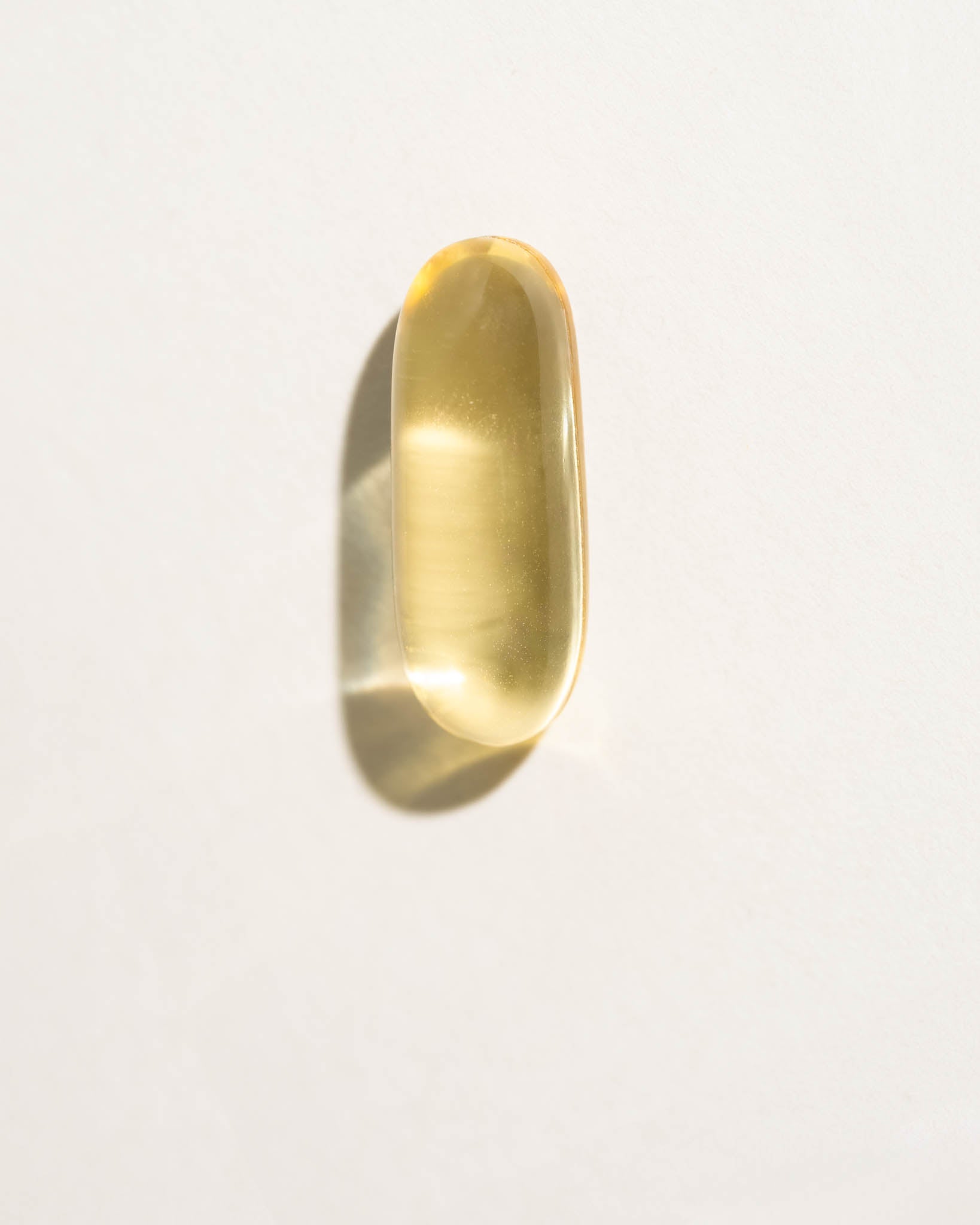
High-purity DHA & EPA for real hormonal support


Hormone balance + essential fatty acids

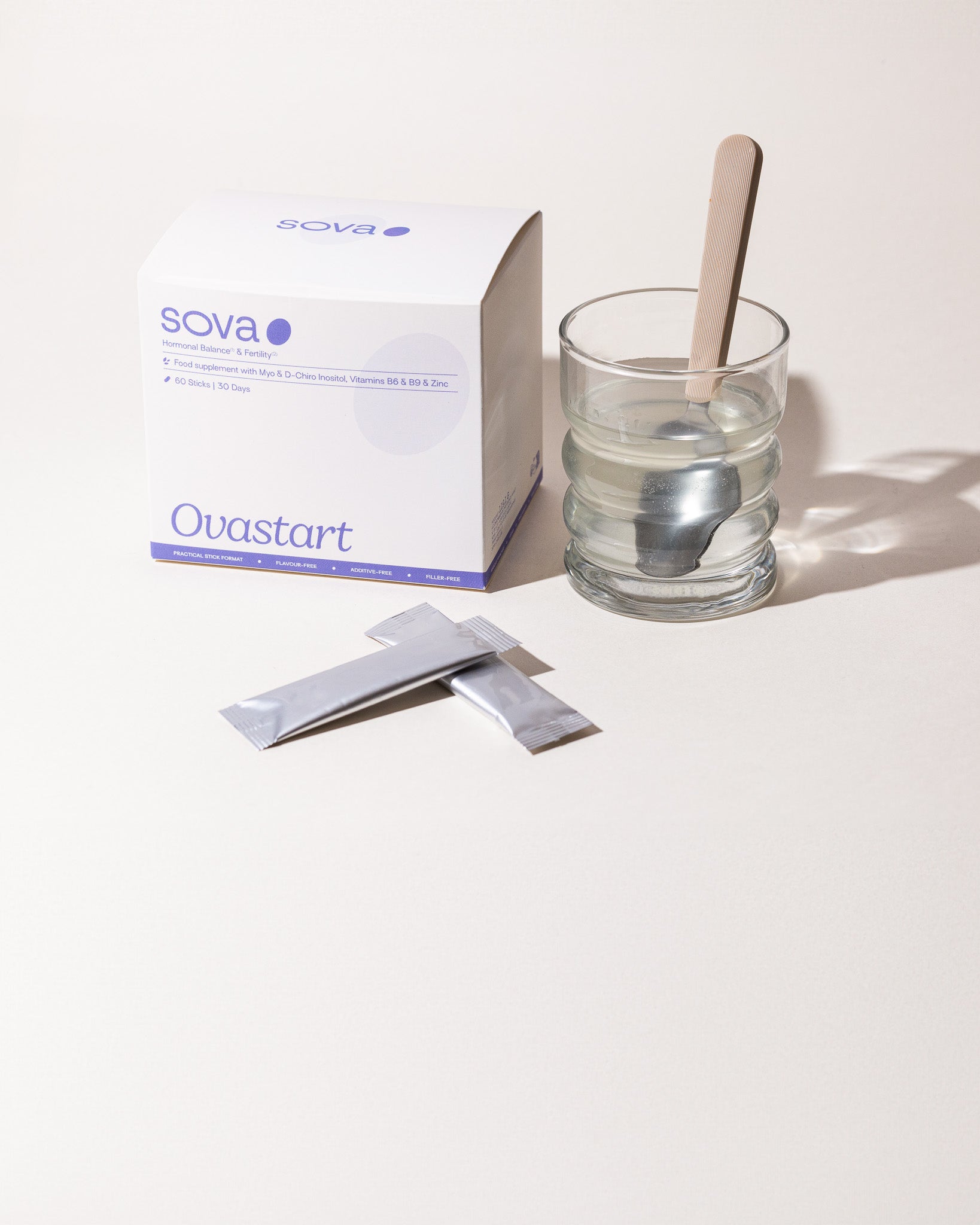
Inositol Powder Supplement for PCOS
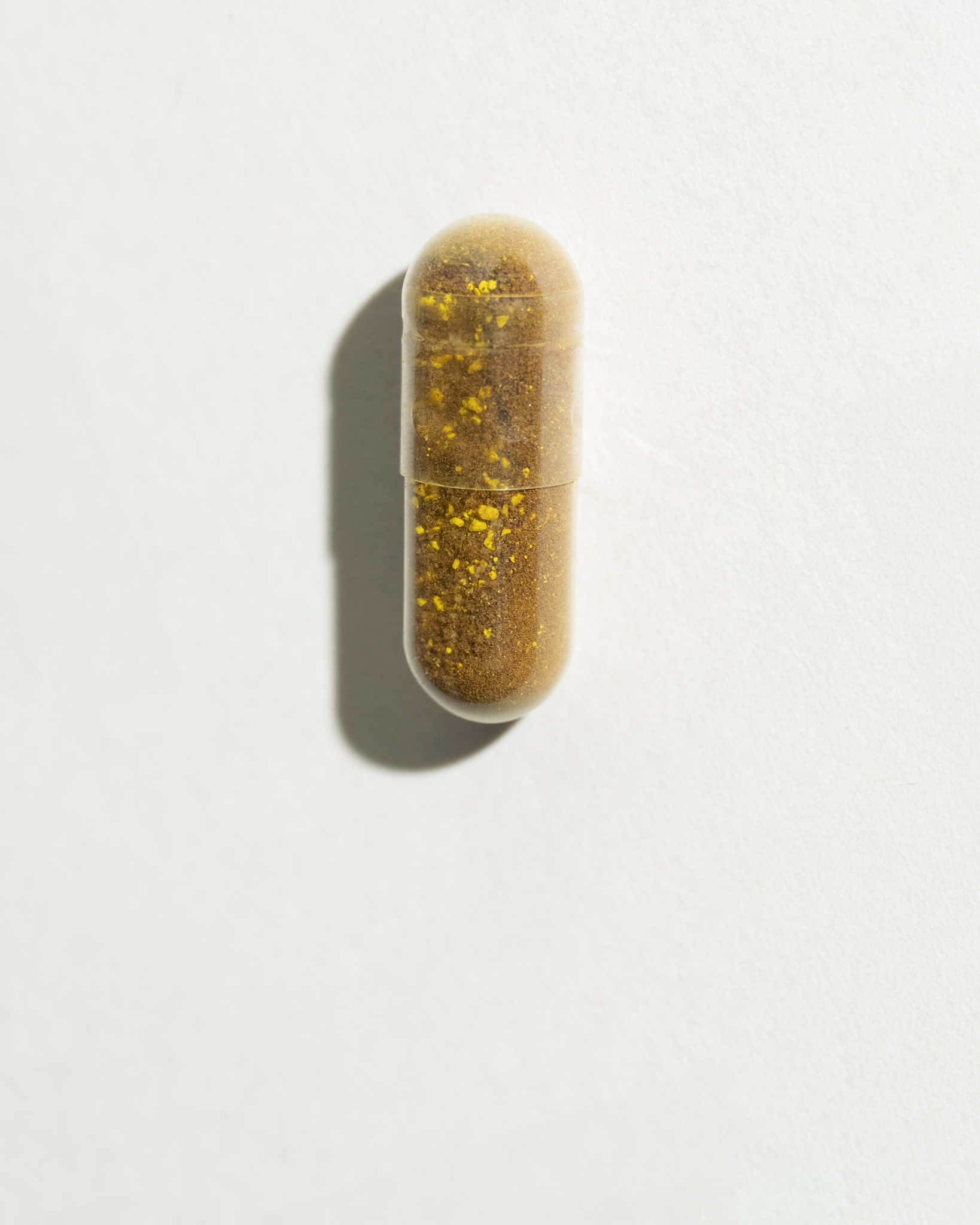
Berberine Supplement UK - Blood Sugar, Insulin & Metabolic Support for Women with PCOS
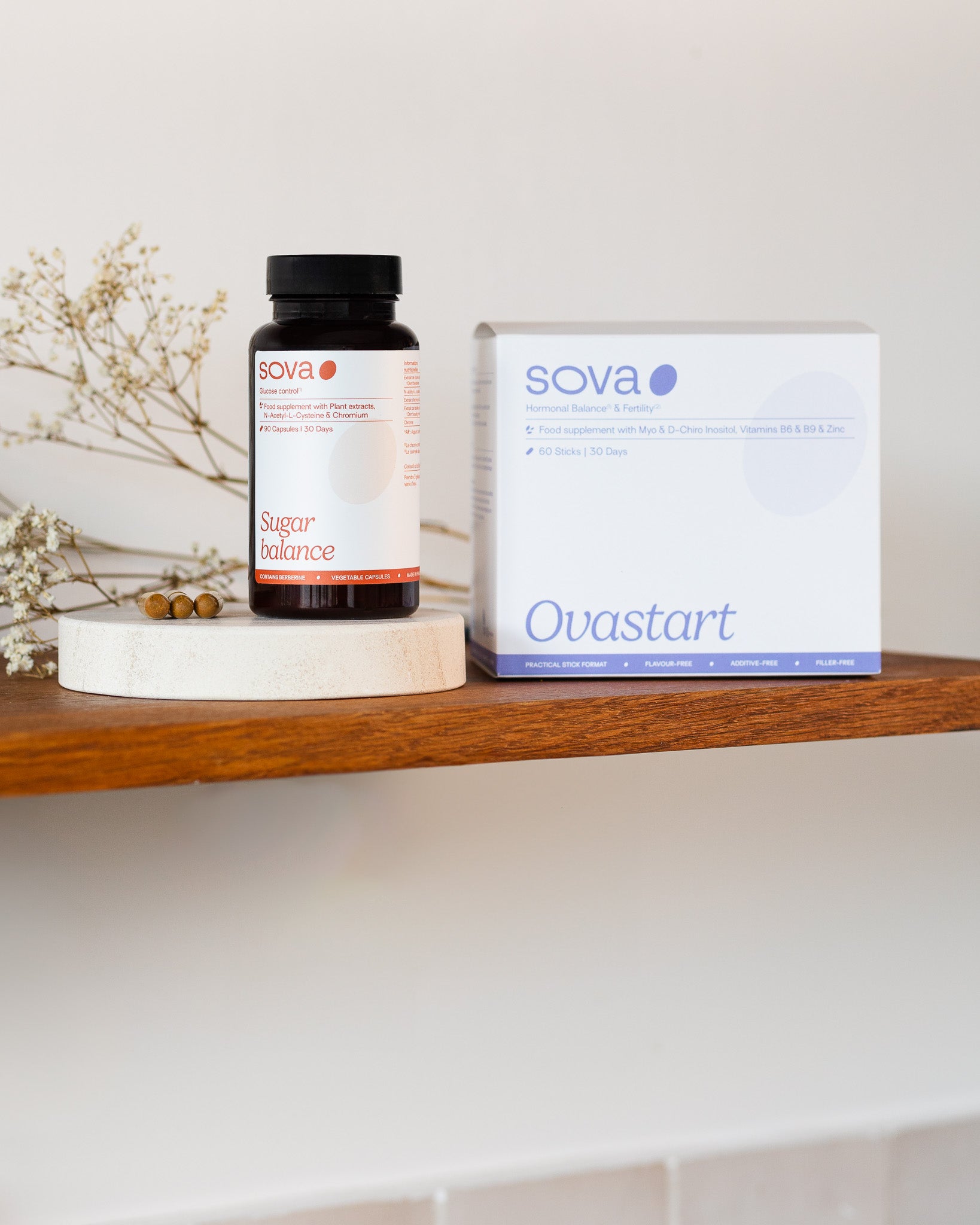
The Hormone Balance Supplements Built for PCOS - Two Products, One Complete System