


The Balance Bundle
The Hormone Balance Supplements Built for PCOS - Two Products, One Complete System
From £53

Sugar Balance
Berberine Supplement UK - Blood Sugar, Insulin & Metabolic Support for Women with PCOS
From £26
Table of contents
Does your acne get worse before your period? Does it tend to appear on your chin, jawline or lower face - deep, red and painful? If that sounds familiar, there's a strong chance your skin is responding to a hormonal imbalance, and it deserves more than just another topical cream.
Hormonal acne is different from teenage breakouts. It often appears or persists in adulthood - after stopping the contraceptive pill, during stressful periods, or as part of PCOS. What makes it so frustrating is that it rarely responds to surface-level treatments alone. The good news is that by addressing the hormonal root cause - through the right lifestyle changes and targeted supplements - many women find they can genuinely support clearer, calmer skin over time.
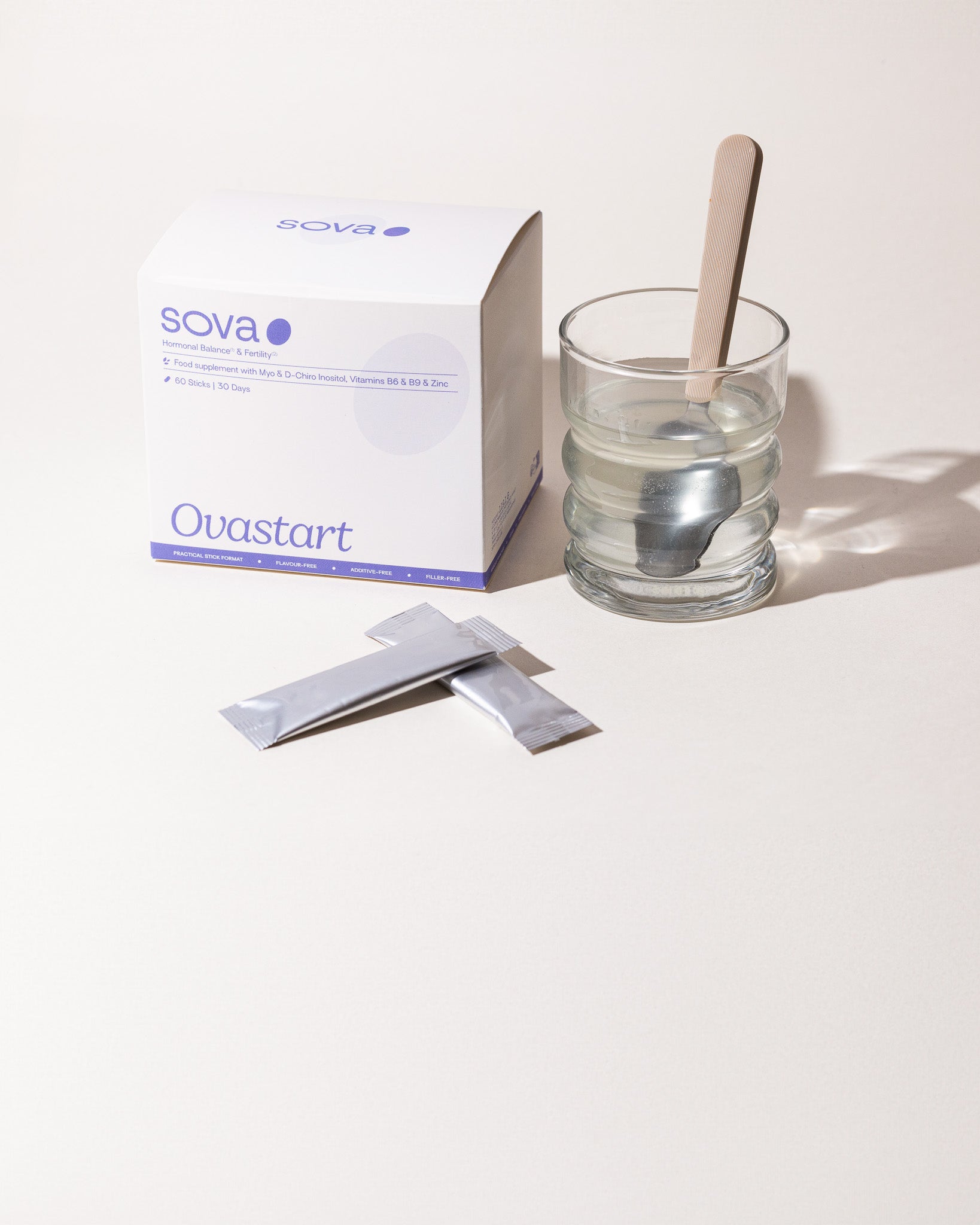
To support your body from within and tackle insulin-driven breakouts, explore our PCOS supplement collection formulated to support hormone balance and blood sugar stability, or discover our targeted Ovastart & Omega 3 bundle designed specifically for persistent inflammatory acne.
How can you recognise hormonal acne?
Hormonal acne has some distinct patterns. It usually affects the lower part of the face: the chin, jawline, around the mouth and sometimes the neck. Breakouts often follow a cyclical rhythm, worsening in the second half of the menstrual cycle, typically a few days before your period.
The spots themselves tend to be deeper than classic acne. They are often inflamed, painful, and develop under the skin, which explains why they can leave marks or scars. Another common sign is persistence: if you’ve tried multiple skincare products without long-term improvement, the root cause may be hormonal rather than purely skin-related.

Hormonal acne or digestive acne: what’s the difference?
Some acne flare-ups are influenced by digestion. Digestive acne is often linked to rich, sugary, fatty or alcoholic meals and may be accompanied by bloating, constipation or abdominal discomfort. It tends to appear on the forehead, temples or between the eyebrows and often involves whiteheads or blackheads.
That said, the two types are not mutually exclusive. Skin reflects what’s happening inside the body, and digestive imbalances can worsen hormonal disruption and vice versa. It’s entirely possible to experience both at the same time. If you’re unsure, these clues can help guide you, but a healthcare professional is best placed to provide an accurate diagnosis.
Why do hormonal imbalances cause acne?
There isn’t a single hormonal cause behind acne. Several mechanisms can be involved.
One of the most common relates to the balance between oestrogen and progesterone. In a healthy cycle, oestrogen dominates before ovulation, while progesterone takes over afterwards. When progesterone is too low (often due to poor-quality ovulation or chronic stress) oestrogen can become dominant in the second half of the cycle. This imbalance, known as oestrogen dominance, can increase inflammation and sebum production, two key drivers of acne.
Stress is another major factor. Cortisol, the stress hormone, is produced by the adrenal glands, which are an integral part of the hormonal system. When cortisol remains elevated for long periods, it can disrupt ovulation, lower progesterone levels and stimulate the production of androgens — hormones that directly increase sebum production.
Stopping the contraceptive pill can also trigger hormonal acne. The pill suppresses sebum production, so when it’s discontinued, the body may temporarily overproduce sebum as it readjusts, leading to the well-known post-pill “rebound” acne.
Finally, excess androgens play a central role, especially in women with PCOS. Androgens stimulate the sebaceous glands and are often associated with other symptoms such as irregular cycles, excess hair growth, insulin resistance and weight changes.
Signs that may point to a broader hormonal imbalance
Acne is rarely the only symptom. Irregular or long cycles, painful or heavy periods, spotting, hair loss, excess facial or body hair, strong PMS, fatigue or frequent sugar cravings can all signal an underlying hormonal imbalance. You can read more about these patterns in our guide on how PCOS is diagnosed.
If you recognise several of these signs, seeking medical guidance can help clarify what’s happening and guide appropriate support.
Supporting hormonal acne with a holistic approach
There is no single solution for hormonal acne. The most sustainable results usually come from a holistic approach that addresses internal balance as well as skincare.
Supporting blood sugar regulation, reducing inflammation, improving stress management and choosing gentle, non-aggressive skincare all play an important role. When needed, targeted supplements can also help regulate hormones from within, supporting the underlying mechanisms involved in hormonal acne — something topical products alone cannot do.
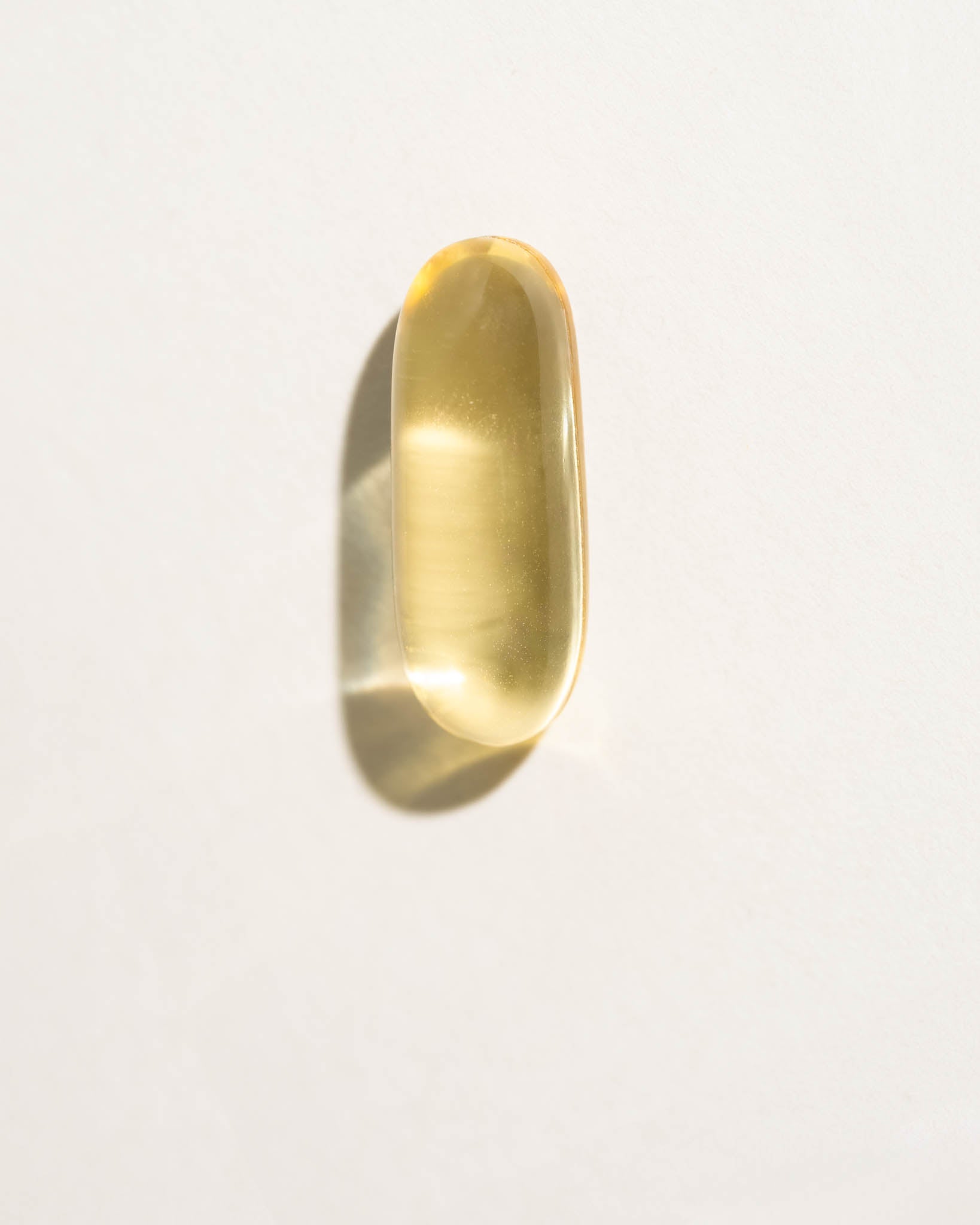
For women dealing with acne linked to hormonal imbalance or PCOS, a combination of myo-inositol, D-chiro-inositol and omega-3 fatty acids can be particularly relevant. These nutrients help support hormonal balance, insulin sensitivity and inflammation which are three key factors involved in persistent breakouts.
A final word 💜
Hormonal acne can be deeply challenging, both physically and emotionally. It often affects self-confidence and can become a source of ongoing stress — which, in turn, may worsen breakouts. This cycle can be broken, but rarely through pressure or quick fixes.
There are effective medical and natural approaches, and above all, personalised solutions. The goal is not perfection, but finding what works for your body, your hormones and your lifestyle — ideally with the support of a healthcare professional when needed.
- Hormonal acne : Acne driven by hormonal fluctuations, often appearing on the jawline, chin and lower face, and commonly linked to the menstrual cycle or PCOS.
- Androgens : Hormones such as testosterone that stimulate oil production in the skin. Elevated androgen levels can contribute to acne in PCOS.
- Sebum : An oily substance produced by the skin’s sebaceous glands. Excess sebum can clog pores and promote acne formation.
- Insulin resistance : A metabolic imbalance common in PCOS that can increase androgen production and worsen acne.
- Inflammation : The body’s immune response that, when chronic, can aggravate acne lesions and slow skin healing.
Scientific References
Over 50,000 women have already adopted our routines, rating us an excellent 4.7/5 average (from 3,300+ reviews). Our supplements are formulated in French laboratories using clean, carefully sourced ingredients, with a maximum of patented active ingredients proven for their effectiveness.
- Founded by women with PCOS, we understand the reality of hormonal disorders.
- Clinically studied: High-quality ingredients, including patented forms like Quatrefolic® and an optimal Myo-/D-Chiro Inositol ratio.
- Holistic support: Formulated for hormonal balance, metabolic health, inflammation, mood, and cycle regulation.
- Science-led formulas: Transparent ingredients with absolutely no unnecessary additives.


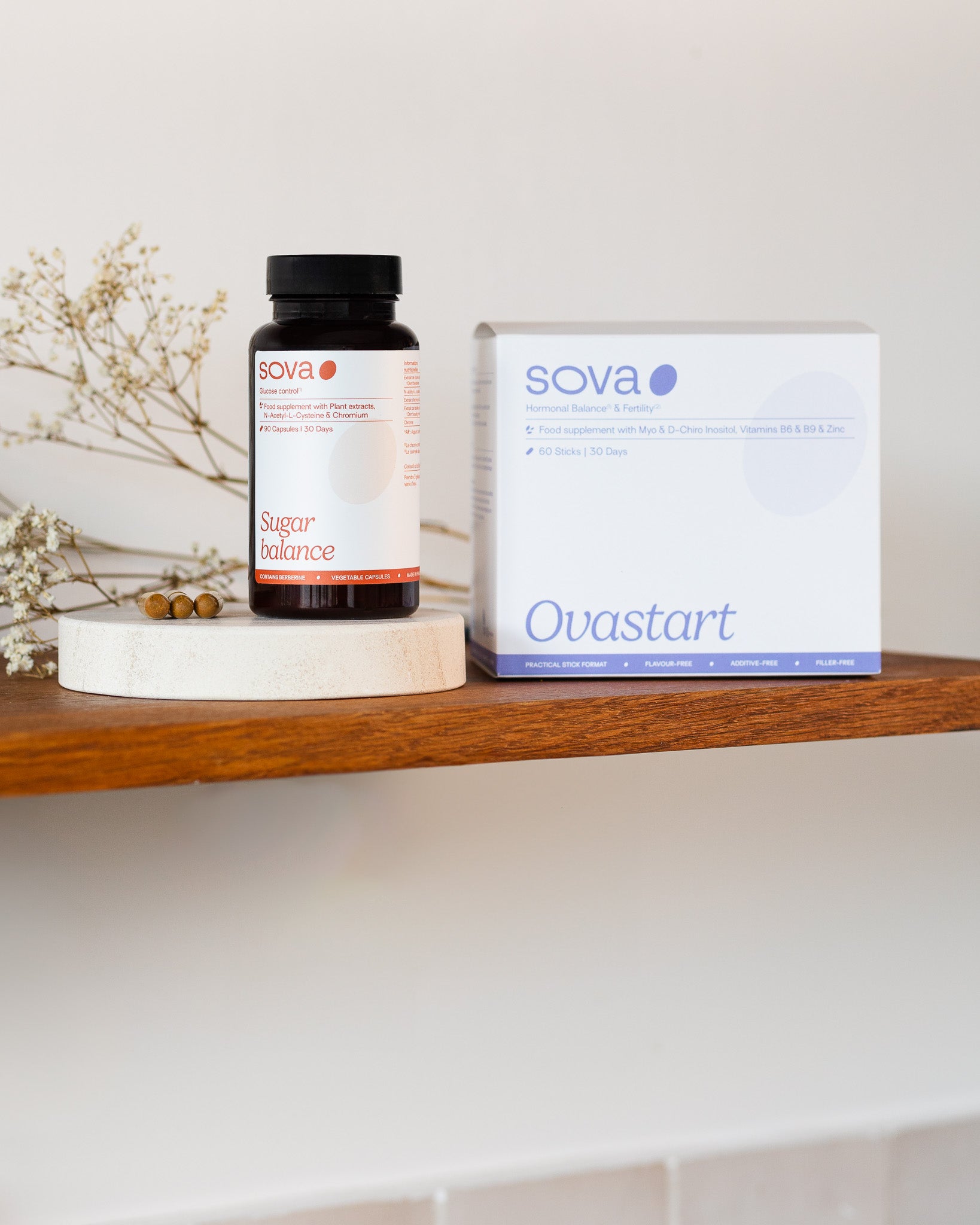
The Hormone Balance Supplements Built for PCOS - Two Products, One Complete System
Berberine Supplement UK - Blood Sugar, Insulin & Metabolic Support for Women with PCOS