


The Balance Bundle
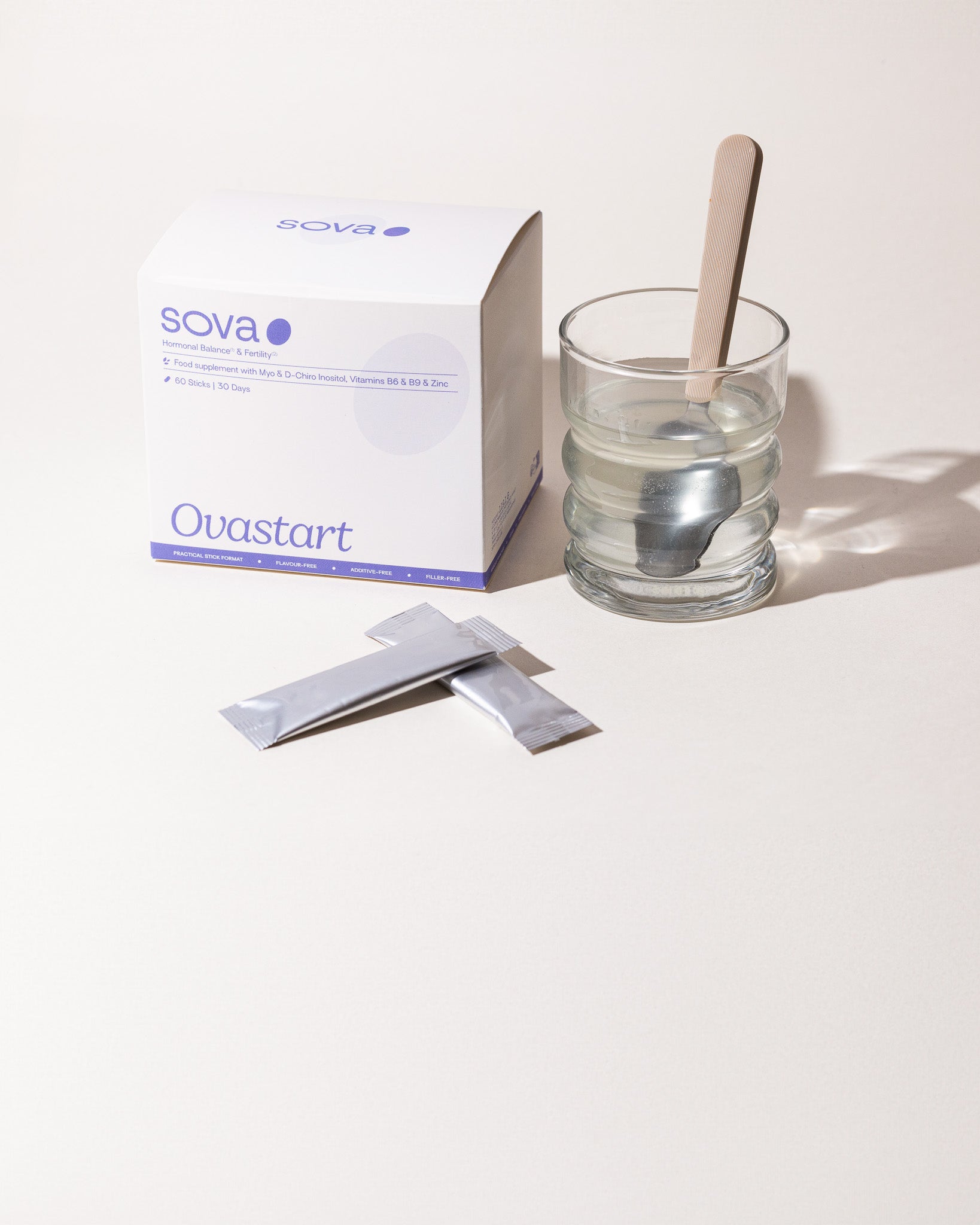
The Hormone Balance Supplements Built for PCOS - Two Products, One Complete System
From £53

Sugar Balance
Berberine Supplement UK - Blood Sugar, Insulin & Metabolic Support for Women with PCOS
From £26
Table of contents
- 01. The Myth vs. Reality: Does Period Pain Indicate Better Fertility?
- 02. Normal vs. Abnormal Pain: Primary vs. Secondary Dysmenorrhea
- 03. What About PCOS and Painful Periods?
- 04. 4 Common Causes of Painful Periods That Can Affect Fertility
- 05. Mid-Cycle Pain: The One Type That Can Signal Active Fertility
- 06. Self-Assessment: Getting a Clearer Picture of Your Pain
- 07. Supporting Your Body: Nutrition and Lifestyle Approaches
- 08. When Might It Be Worth Speaking to Your GP or Gynaecologist?
If you've ever doubled over with cramps and thought "at least this means I'm super fertile" - you're not alone. It's one of the most persistent myths in women's health, passed down through generations as a strange kind of reassurance. And we completely understand why it sticks.
The truth is: how much your periods hurt has nothing to do with how fertile you are. In fact, in some cases, very severe and unmanaged period pain can be a signal worth paying attention to - not because something is definitely wrong, but because you deserve to feel well every single month, not just the ones in between.
In this article, we'll walk you through the science behind period pain, help you understand the difference between everyday cramps and something worth exploring further, and give you the tools to have a more informed conversation with your doctor if you need to.
The Myth vs. Reality: Does Period Pain Indicate Better Fertility?
The idea that "painful periods = strong, fertile uterus" grew from an intuitive - but scientifically unfounded - assumption: if the uterus is contracting intensely, it must be doing its job exceptionally well.
What actually causes period pain is a family of chemical messengers called prostaglandins - specifically a compound called PGF2α. At the start of your period, your uterine lining releases these compounds to trigger the contractions that help shed the lining. When PGF2α levels are high, contractions become more intense and blood flow to the uterus temporarily reduces - this is what causes the cramping you feel (1).
None of this process has any connection to how many eggs you have, how healthy those eggs are, or whether your fallopian tubes are clear. Prostaglandin levels reflect how your uterus sheds its lining this month - nothing more, nothing less (1).
| 📌 Pain vs. Fertility at a glance | |
|---|---|
| The core fact | Period pain is not a sign of superior fertility. That is a medical myth. |
| The cause | Cramps are caused by PGF2α prostaglandins - not by egg quality or ovarian reserve. |
| The rule of thumb | Manageable cramping is normal and harmless. Severe, debilitating or worsening pain is worth a conversation with your doctor. |
Normal vs. Abnormal Pain: Primary vs. Secondary Dysmenorrhea
Not all period pain is the same. Medically, it is divided into two distinct categories - and understanding which one describes your experience is a genuinely useful piece of self-knowledge.
Primary Dysmenorrhea: Everyday Period Cramps
This is the most common type - the familiar cramping most women experience to some degree, with no underlying medical condition involved. It is driven entirely by the prostaglandin process described above.
Primary dysmenorrhea typically begins a day or two before your period and eases within the first 24-48 hours of bleeding. It responds reasonably well to ibuprofen (which works by blocking prostaglandin production) and heat therapy, follows a predictable pattern month to month, and - importantly - has no negative impact on your fertility whatsoever (1).
Research confirms it affects between 45% and 95% of women of reproductive age, making it one of the most common gynaecological experiences there is (1). One important nuance: repeated severe cramping over time can gradually lower your overall pain threshold through a process called central sensitisation - which is one more reason not to simply push through intense pain every month without seeking support (1).
Secondary Dysmenorrhea: Pain With an Underlying Cause
This type of pain is driven by a specific medical condition affecting the reproductive organs. It tends to be more persistent, more resistant to standard painkillers, and often more disruptive to daily life.
Secondary dysmenorrhea often begins earlier in the cycle (before bleeding starts), can continue long after your period ends, and frequently does not respond well to ibuprofen or heat. If this sounds familiar, it may be worth exploring further - not to alarm you, but because identifying the underlying cause is the first step toward actually feeling better.
👉 If you have PCOS and experience painful periods, read our dedicated article: Can PCOS Cause Painful Periods? Everything You Need to Know.
| Feature | Primary Dysmenorrhea (Everyday Cramps) | Secondary Dysmenorrhea (Worth Exploring) |
|---|---|---|
| Root cause | PGF2α prostaglandin release - no underlying condition | Underlying medical condition (endometriosis, fibroids, etc.) |
| Fertility impact | None whatsoever | Possible, if the underlying condition is left untreated |
| Timing | 1-2 days before or on day 1 of bleeding | Can start days before bleeding, persist all cycle |
| Duration | Eases within first 24-48 hours | Often lasts through entire period and beyond |
| Response to ibuprofen | Usually effective | Limited or no relief |
| Pattern over time | Consistent month to month | Often worsens gradually over time |
What About PCOS and Painful Periods?
Since many of you have PCOS, this deserves a specific note. Women with PCOS can experience more intense period pain for two distinct reasons.
First, anovulatory cycles - cycles where ovulation does not occur - can cause the uterine lining to build up over a longer time than usual. When it eventually sheds, there can be more tissue to shed and more prostaglandins released, leading to heavier and more painful periods (2).
Second, the chronic low-grade inflammation that characterises inflammatory-type PCOS can increase sensitivity to pain and contribute to a more difficult experience during menstruation (2).
This does not mean painful periods are inevitable with PCOS - many women with PCOS experience little to no pain. But if you do, addressing the underlying hormonal and inflammatory picture can make a real difference.
👉 Read more: Inflammatory PCOS - what it is and how to support your body.

4 Common Causes of Painful Periods That Can Affect Fertility
If your pain sounds more like secondary dysmenorrhea, here are the four conditions most commonly involved. We share this not to worry you, but because knowing the possibilities is the first step toward getting the right support.
1. Endometriosis
Endometriosis is a condition where tissue similar to the uterine lining grows outside the uterus - on the ovaries, fallopian tubes, or elsewhere in the pelvis. Each month, this tissue swells and attempts to shed. Because it has nowhere to go, the result is inflammation, pain, and over time, scar tissue.
It affects around 10% of women of reproductive age worldwide - approximately 190 million people globally (3). Studies show it is present in 30-50% of women seeking fertility evaluation (3), and the risk of infertility is estimated to be two to four times higher in women with endometriosis than in the general population (4).
In the UK, endometriosis takes an average of 8 years to be diagnosed (Endometriosis UK, 2020). If something does not feel right, asking your GP for a referral to a specialist is a completely valid step.
An avenue to explore if: your cramps do not respond to ibuprofen, you experience pain during sex or when going to the toilet around your period, and your pain tends to start several days before your bleed begins.
2. Uterine Fibroids
Fibroids are non-cancerous (benign) growths that develop in or around the uterine wall. The word "growth" can sound alarming - but the vast majority of fibroids are entirely harmless and many women never even know they have them. Research shows fibroids affect 70-80% of women by the age of 50 (5), and only around half of those experience any symptoms at all.
When fibroids do cause symptoms, these can include heavy and prolonged periods, pelvic pressure, and - depending on location - potential difficulties with embryo implantation. Fibroids that grow inside the uterine cavity (submucosal fibroids) are the type most likely to affect conception.
An avenue to explore if: your periods are very heavy, last longer than 7 days, or you feel a persistent heaviness or pressure in your lower abdomen.
3. Adenomyosis
Adenomyosis occurs when tissue similar to the uterine lining grows into the muscular wall of the uterus itself. When this tissue bleeds during your period, the result can be particularly intense cramping and heavy bleeding. It is increasingly recognised as a condition that can affect fertility - influencing how the embryo implants (5) - and remains significantly under-diagnosed.
An avenue to explore if: you experience very heavy, prolonged periods with a deep, constant ache in the lower abdomen, and your uterus feels tender or enlarged.
4. Pelvic Inflammatory Disease (PID)
PID is an infection of the reproductive organs - usually caused by sexually transmitted bacteria left untreated. Its most serious consequence is the scar tissue it can leave in the fallopian tubes. According to the CDC (Centers for Disease Control and Prevention), 1 in 8 women with a history of PID experience difficulties getting pregnant (6). PID is highly treatable with antibiotics when caught early.
An avenue to explore if: you notice unusual vaginal discharge, pain or burning when urinating, pain during sex, or fever alongside pelvic pain.
Mid-Cycle Pain: The One Type That Can Signal Active Fertility
Here is something genuinely reassuring: there is one type of pelvic pain that can be a positive fertility signal - and it has nothing to do with your period.
It is called Mittelschmerz - German for "middle pain" - the mild, one-sided ache some women feel around the middle of their cycle when the ovarian follicle ruptures to release an egg. It can last from a few minutes to a couple of days (7).
Research confirms Mittelschmerz affects up to 40% of women of reproductive age, coinciding closely with the LH surge that triggers ovulation (7). This makes it a useful secondary fertility signal - your body's way of confirming that an egg has been released.
Important to note: not feeling Mittelschmerz does not mean you are not ovulating - many women ovulate with no sensation at all. Combine it with cervical mucus observation and basal body temperature for a fuller picture.
To summarise: your period pain tells you nothing about your fertility. Your mid-cycle pain might.

Self-Assessment: Getting a Clearer Picture of Your Pain
This simple checklist can help you sense whether your pain is likely primary dysmenorrhea or something worth exploring further. There are no right or wrong answers - this is simply a way to tune in to your own experience.
- ☐ Manageable with ibuprofen: My cramps ease noticeably when I take standard pain relief.
- ☐ Brief window: My pain is concentrated in the first 1-3 days of my bleed and then fades.
- ☐ Predictable and consistent: The pain feels similar each month rather than gradually worsening.
- ☐ No deep pelvic pain during sex: I do not experience sharp or deep pelvic pain during or after intercourse.
- ☐ No pain outside my period: No unexplained pelvic cramping during the rest of my cycle (mild mid-cycle twinges are normal).
- ☐ Daily life continues: While uncomfortable, my period does not consistently force me to miss work or plans.
How to read your results: All six ticked - your pain is most likely primary dysmenorrhea with no impact on fertility. Two or more unticked - it could be a gentle nudge to explore things further with your GP or gynaecologist, not because something is definitely wrong, but because you deserve clarity and you deserve to feel better.
Supporting Your Body: Nutrition and Lifestyle Approaches
For women experiencing primary dysmenorrhea, there is meaningful evidence that certain nutritional and lifestyle choices can reduce cramp intensity - not by masking pain, but by gently shifting the underlying biochemistry.
Omega-3 Fatty Acids
Omega-3 fatty acids are among the most studied natural approaches to period pain. A 2022 systematic review and meta-analysis of randomised controlled trials found that omega-3 supplementation significantly reduced the severity of primary dysmenorrhea (8). Omega-3s compete with the arachidonic acid pathway, helping to reduce the production of pro-inflammatory PGF2α prostaglandins that cause the strongest uterine contractions (8).
An earlier clinical trial published in the International Journal of Gynaecology and Obstetrics found that women who supplemented with omega-3s for three months reported a meaningful reduction in pain intensity and needed significantly fewer doses of rescue painkillers compared to the placebo group (2).
Food sources: oily fish (salmon, sardines, mackerel), flaxseed, chia seeds, and walnuts.
Magnesium
Magnesium supports smooth muscle relaxation - including the uterine muscle. Research shows women with primary dysmenorrhea tend to have lower magnesium levels, and that supplementation can help reduce both cramp intensity and associated symptoms like bloating and mood changes (9).

Exercise
Regular moderate aerobic exercise is one of the most consistently supported lifestyle approaches for reducing primary dysmenorrhea. Multiple systematic reviews confirm that women who exercise regularly report lower pain scores during menstruation - likely through improved circulation, endorphin release, and reduced systemic inflammation (1). Even a 20-30 minute walk three or four times a week can make a measurable difference over time.
Heat Therapy
A randomised controlled trial published in Evidence-Based Nursing (2012) found that continuous low-level topical heat was as effective as ibuprofen for relieving primary dysmenorrhea pain. A heat pad or warm bath on the first days of your cycle is a simple, evidence-backed tool worth keeping in your routine.
When Might It Be Worth Speaking to Your GP or Gynaecologist?
You know your body best - and if something does not feel right, it always deserves attention. Here are some situations where booking an appointment would be a genuinely useful step:
- Your pain consistently scores 7/10 or higher in intensity, or regularly prevents you from going about your normal day.
- Your pain has been gradually worsening over months or years, rather than staying consistent.
- Ibuprofen and heat provide little to no relief.
- You experience pain during sex, during bowel movements, or when urinating around your period.
- You have been trying to conceive for 12 months (or 6 months if you are over 35) alongside painful periods, without success.
- You notice unusual discharge, fever, or spotting between periods alongside the pain.
Early investigation can both relieve your pain and proactively support your reproductive health. You do not need to wait until you are trying to conceive to seek answers, and you do not have to keep pushing through.
👉 For more on navigating PCOS-related pain, explore our full guide: Pain associated with PCOS.
We hope this article helps you feel more informed, and a little less alone. Your pain deserves to be taken seriously - and so does your reproductive health. 💜
- Prostaglandins (PGF2α / PGE2): Hormone-like chemical compounds produced by the uterine lining at the start of menstruation. PGF2α triggers intense uterine contractions and reduced blood flow - the primary cause of period cramps. The balance between PGF2α and PGE2 determines how severe cramping is. = Prostaglandins (PGF2α / PGE2): Hormone-like chemical compounds produced by the uterine lining at the start of menstruation. PGF2α triggers intense uterine contractions and reduced blood flow - the primary cause of period cramps. The balance between PGF2α and PGE2 determines how severe cramping is.
- Primary dysmenorrhea: Painful periods with no underlying medical condition. Caused by prostaglandins, affects 45-95% of women of reproductive age, and has no impact on fertility. = Primary dysmenorrhea: Painful periods with no underlying medical condition. Caused by prostaglandins, affects 45-95% of women of reproductive age, and has no impact on fertility.
- Secondary dysmenorrhea: Painful periods caused by an underlying reproductive condition such as endometriosis, fibroids, or adenomyosis. Often more severe and persistent than primary dysmenorrhea. = Secondary dysmenorrhea: Painful periods caused by an underlying reproductive condition such as endometriosis, fibroids, or adenomyosis. Often more severe and persistent than primary dysmenorrhea.
- Central sensitisation: A process by which repeated pain signals over time can lower the body's overall pain threshold. Relevant to women who experience recurrent severe period pain without adequate management. = Central sensitisation: A process by which repeated pain signals over time can lower the body's overall pain threshold. Relevant to women who experience recurrent severe period pain without adequate management.
- Endometriosis: A condition where tissue similar to the uterine lining grows outside the uterus. Causes inflammation, pain, and potentially scar tissue that can affect fertility. Affects around 10% of women of reproductive age. = Endometriosis: A condition where tissue similar to the uterine lining grows outside the uterus. Causes inflammation, pain, and potentially scar tissue that can affect fertility. Affects around 10% of women of reproductive age.
- Adenomyosis: A condition where uterine lining tissue grows into the muscular wall of the uterus, causing heavy, painful periods. Often under-diagnosed. = Adenomyosis: A condition where uterine lining tissue grows into the muscular wall of the uterus, causing heavy, painful periods. Often under-diagnosed.
- Uterine fibroids (leiomyomas): Non-cancerous growths in or on the uterine wall. Affect 70-80% of women by age 50. Often symptomless; impact on fertility depends on size and location. = Uterine fibroids (leiomyomas): Non-cancerous growths in or on the uterine wall. Affect 70-80% of women by age 50. Often symptomless; impact on fertility depends on size and location.
- Pelvic Inflammatory Disease (PID): An infection of the reproductive organs, most commonly caused by untreated sexually transmitted bacteria. Can cause scarring of the fallopian tubes and affect fertility if not treated promptly. = Pelvic Inflammatory Disease (PID): An infection of the reproductive organs, most commonly caused by untreated sexually transmitted bacteria. Can cause scarring of the fallopian tubes and affect fertility if not treated promptly.
- Mittelschmerz: One-sided mid-cycle pelvic pain occurring around ovulation. German for 'middle pain.' Affects up to 40% of women and can be a secondary sign that ovulation is occurring. = Mittelschmerz: One-sided mid-cycle pelvic pain occurring around ovulation. German for 'middle pain.' Affects up to 40% of women and can be a secondary sign that ovulation is occurring.
- COX inhibition: The mechanism by which ibuprofen and NSAIDs reduce period pain - by blocking the cyclooxygenase (COX) enzymes that produce prostaglandins. = COX inhibition: The mechanism by which ibuprofen and NSAIDs reduce period pain - by blocking the cyclooxygenase (COX) enzymes that produce prostaglandins.
- Luteinising hormone (LH): The hormone that triggers ovulation. An LH surge causes the dominant follicle to rupture and release an egg - sometimes felt as Mittelschmerz. = Luteinising hormone (LH): The hormone that triggers ovulation. An LH surge causes the dominant follicle to rupture and release an egg - sometimes felt as Mittelschmerz.
- Ovarian reserve: The number and quality of eggs remaining in the ovaries. Entirely unrelated to the intensity of period pain. = Ovarian reserve: The number and quality of eggs remaining in the ovaries. Entirely unrelated to the intensity of period pain.
Scientific References
Over 50,000 women have already adopted our routines, rating us an excellent 4.7/5 average (from 3,300+ reviews). Our supplements are formulated in French laboratories using clean, carefully sourced ingredients, with a maximum of patented active ingredients proven for their effectiveness.
- Founded by women with PCOS, we understand the reality of hormonal disorders.
- Clinically studied: High-quality ingredients, including patented forms like Quatrefolic® and an optimal Myo-/D-Chiro Inositol ratio.
- Holistic support: Formulated for hormonal balance, metabolic health, inflammation, mood, and cycle regulation.
- Science-led formulas: Transparent ingredients with absolutely no unnecessary additives.
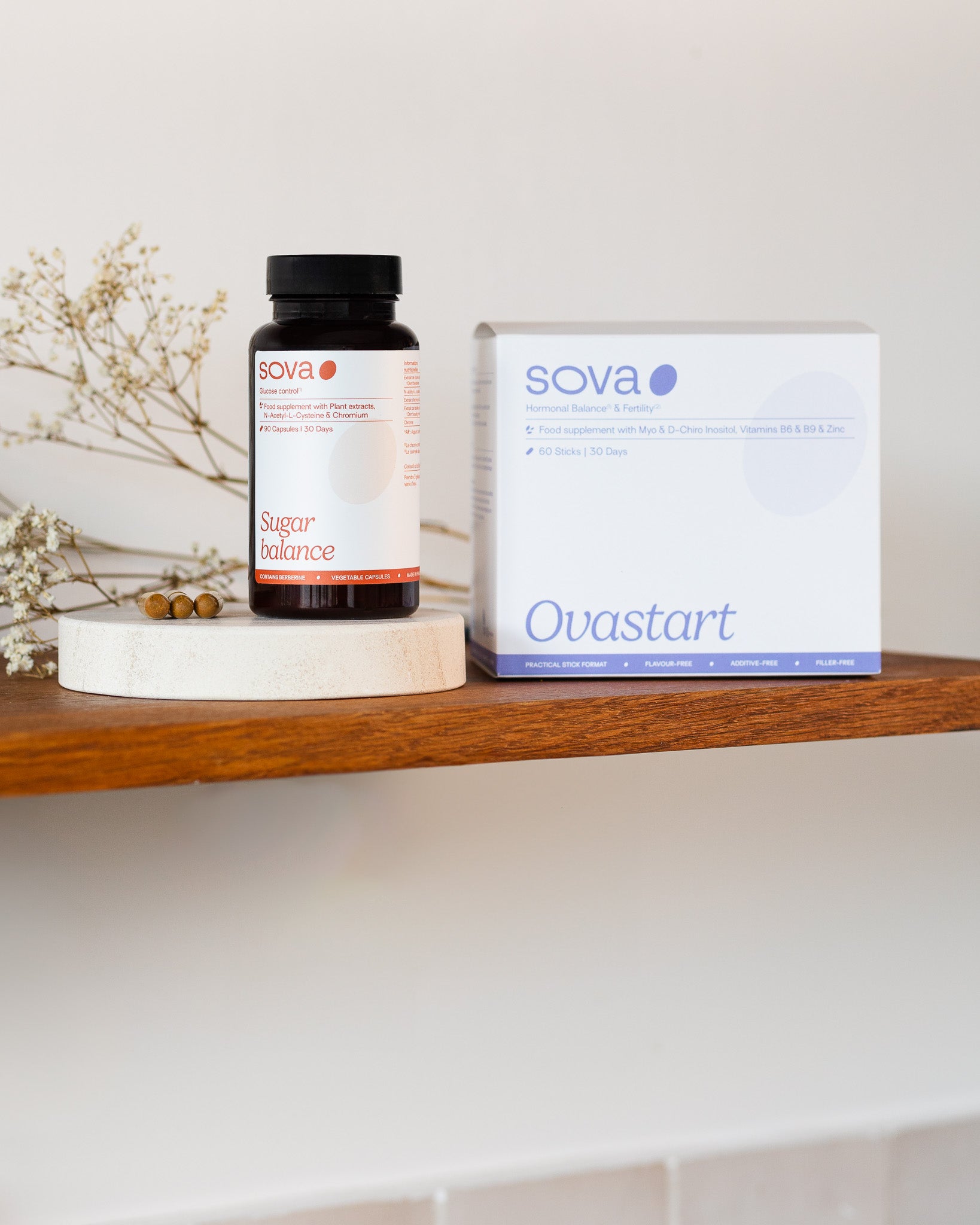
The Hormone Balance Supplements Built for PCOS - Two Products, One Complete System

Berberine Supplement UK - Blood Sugar, Insulin & Metabolic Support for Women with PCOS