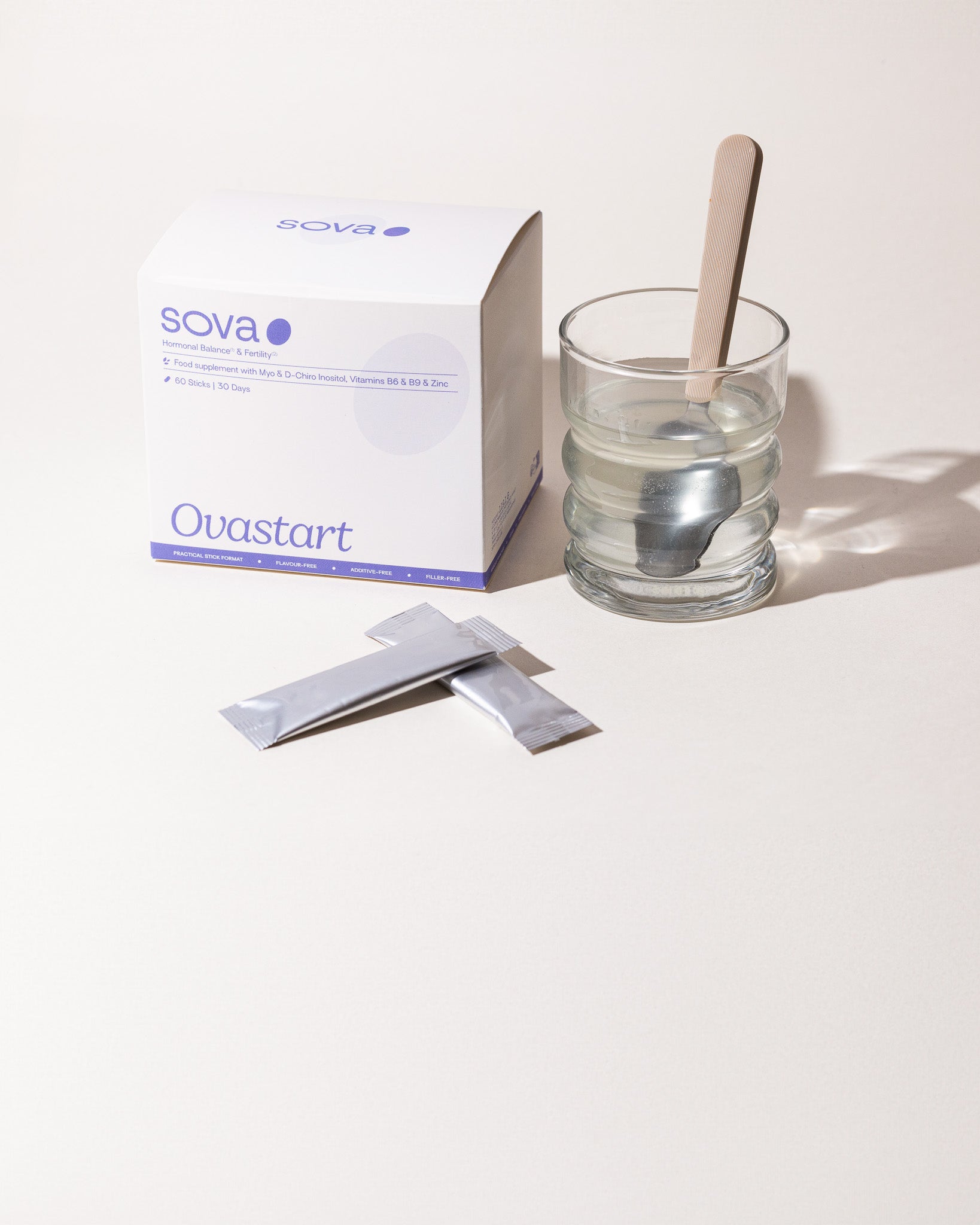




The Balance Bundle
The Hormone Balance Supplements Built for PCOS - Two Products, One Complete System
From £53

Sugar Balance
Berberine Supplement UK - Blood Sugar, Insulin & Metabolic Support for Women with PCOS
From £26
Table of contents
- 01. Do Supplements Actually Work for PMOS (PCOS)?
- 02. The "Core Three" Foundational Supplements for PMOS (PCOS)
- 03. Targeted Supplements for Specific PMOS (PCOS) Symptoms
- 04. At-a-Glance: PMOS (PCOS) Supplement Comparison
- 05. The PMOS Fertility Shortlist: Supporting Egg Quality & Ovulation
- 06. Safety First: Risks, Side Effects, and Supplement Combinations
If you've been living with PMOS (PCOS) for any length of time, you've probably spent hours scrolling through conflicting advice - some saying supplements are life-changing, others dismissing them entirely. The truth is somewhere in the middle, and the science is actually quite clear once you cut through the noise.
Supplements are not a cure for PMOS. But for a condition driven by underlying metabolic and hormonal imbalances, the right ones - chosen strategically, not randomly - can meaningfully shift how your body functions. They fill nutritional gaps, support metabolic pathways that are often disrupted in PMOS, and complement the lifestyle changes that remain the real foundation of management.
In this guide, we break down which supplements have genuine clinical evidence behind them, what they actually do in your body, and how to choose quality products that are worth your money.
Do Supplements Actually Work for PMOS (PCOS)?
This is the right question to ask - and the honest answer is: it depends entirely on which supplements you take, and why. PMOS isn't one thing. It's a hormonal syndrome driven by several different underlying mechanisms, and the most effective supplements are those that target your specific drivers.
Most women with PMOS have at least one - and often several - of the following disruptions happening at a biochemical level:
- Insulin resistance: your cells don't respond well to insulin, so your body produces more of it. High insulin stimulates the ovaries to produce excess androgens (male hormones), which disrupts ovulation and causes many of the most visible PMOS symptoms - acne, hair loss, irregular cycles.
- Chronic low-grade inflammation: PMOS is now understood to involve ongoing, subtle inflammation throughout the body. This inflammation worsens insulin resistance and further disrupts hormone balance.
- Hyperandrogenism: elevated androgens like testosterone and DHEA are present in the majority of women with PMOS, driving symptoms from excess body hair to thinning scalp hair and persistent breakouts.
Supplements that address these three pathways - backed by clinical research - are the ones worth considering. Supplements that don't target these mechanisms are largely noise.
👉 To understand more about the root causes of PMOS and how they manifest, read our article What is PMOS? on the SOVA blog.

The "Core Three" Foundational Supplements for PMOS (PCOS)
What supplements should I take with PMOS?
Women with PMOS should prioritise supplements that target the root drivers of the condition: insulin resistance, chronic inflammation, and elevated androgens. Clinical research consistently highlights three supplements as the most evidence-backed foundation: Inositol (specifically the 40:1 myo-inositol to D-chiro-inositol blend), Omega-3 fatty acids, and Vitamin D3.
Inositol for Insulin Sensitivity & Ovulation
Inositol is one of the most researched supplements in PMOS management (PCOS), and also one of the most misunderstood. It exists in several forms, and the two that matter for PCOS are myo-inositol and D-chiro-inositol. Both act as "second messengers" for insulin: they help carry the insulin signal into your cells, which is precisely where things break down when you have insulin resistance.
In PMOS (PCOS), this signalling system doesn't work properly. Your cells respond less efficiently to insulin, your pancreas compensates by producing more of it, and this excess insulin pushes your ovaries to produce more androgens, which in turn interferes with follicle maturation and regular ovulation (1). Supplementing with myo-inositol and D-chiro-inositol helps restore this signalling, with downstream effects on both metabolic markers and ovarian function.
A 2024 study published in The Journal of Clinical Endocrinology & Metabolism, confirmed inositol's benefits across several metabolic outcomes in women with PMOS (2). A separate analysis showed that supplementation during assisted reproductive technology (ART) cycles significantly increased clinical pregnancy rates (3).
Most clinical studies use a daily dose in the range of 2 to 4 grams of myo-inositol, typically split into two intakes, with results generally observed after around 3 months of consistent use.

Omega-3 Fatty Acids (High-EPA) - For Chronic Inflammation & Lipids
Omega-3 fatty acids - particularly EPA (eicosapentaenoic acid) and DHA (docosahexaenoic acid) - are among the best-studied anti-inflammatory nutrients in existence, and the evidence for their role in PMOS is compelling.
A meta-analysis of 10 randomised controlled trials including 610 women with PMOS found that omega-3 supplementation significantly reduced CRP (a key marker of inflammation), lowered total testosterone levels, and reduced LH - all markers that are typically elevated in PMOS (4). Another meta-analysis of 4 randomised controlled trials confirmed a significant lowering effect on total testosterone specifically from EPA/DHA supplementation (5).
Beyond inflammation and androgens, omega-3s also support lipid profiles - women with PMOS are at higher risk of elevated triglycerides and low HDL cholesterol, and omega-3s directly address both.
When choosing an omega-3 supplement, focus on the active EPA + DHA content rather than the total fish oil volume. A bottle might say "1000mg fish oil" on the front while containing only 300mg of actual EPA/DHA - the rest being inactive fats. For PMOS, research has used doses of 1,000-3,000mg of combined EPA/DHA daily. Also check the TOTOX value (a measure of oxidation) - rancid fish oil is both less effective and potentially harmful.

Vitamin D3 with K2 - For Metabolic and Mood Support
Vitamin D deficiency is remarkably common in women with PMOS. Multiple studies show that between 67% and 85% of women with PMOS have insufficient vitamin D levels - a significantly higher prevalence than in the general population (6). One 2025 study of 195 women with PMOS found that vitamin D deficiency was present in 84.1% of participants and independently predicted insulin resistance even after accounting for body weight (7).
This matters because vitamin D isn't just a bone health nutrient. It acts more like a hormone in the body - it has receptors in ovarian tissue and plays a role in follicle development, insulin signalling, and inflammatory regulation. Low vitamin D levels have been associated with more severe insulin resistance, higher androgen levels, and more irregular cycles in women with PMOS (6).
It's worth pairing vitamin D3 with vitamin K2. Vitamin D3 increases the absorption of calcium from food, and K2 acts as the traffic controller that directs that calcium into bones and teeth rather than into soft tissues like arteries. The combination is more physiologically complete.
Because deficiency levels in PMOS are so common, it's worth getting your vitamin D level tested (a 25-OH vitamin D blood test) before supplementing, so you can dose appropriately. Your GP can arrange this.

Targeted Supplements for Specific PMOS (PCOS) Symptoms
Once you have your foundational trio in place, you can layer in targeted supplements based on your most prominent symptoms. Here's what the evidence shows for the most common PMOS concerns.
What supplements are good for hormonal imbalance and PMOS?
The most effective supplements to address hormonal imbalance in PMOS include:
- Inositol (40:1 blend): lowers testosterone and supports regular ovulation by improving insulin signalling in the ovaries.
- Zinc: acts as a natural androgen blocker, reducing the conversion of testosterone to its more potent form DHT.
- Spearmint extract: clinically shown to reduce free testosterone in women with PMOS.
- N-Acetyl Cysteine (NAC): an antioxidant that reduces oxidative stress in the follicles, supporting egg quality.
For Excess Hair, Acne, and Hair Loss: Zinc & Spearmint
Hormonal acne, excess facial or body hair (hirsutism), and thinning hair on the scalp are among the most distressing symptoms of PMOS - and they're all driven by the same root cause: elevated androgens acting on hair follicles and skin cells.
Zinc may help moderate the activity of the enzyme responsible for converting testosterone into its more potent form, dihydrotestosterone (DHT) - a direct driver of androgenic hair loss, excess sebum (which contributes to acne), and hirsutism. Two randomised, double-blind, placebo-controlled trials in women with PMOS have found that zinc supplementation measurably reduced androgenic hair loss and improved hormonal profiles (8, 9). A typical dose in clinical studies is 15-30mg daily. If supplementing long-term, pairing with 1-2mg of copper is worth considering, as higher zinc intakes can affect copper absorption over time.
Spearmint (as tea or standardised extract) has randomised trial data behind its anti-androgenic effects in women with PMOS. A 5-day trial (Akdoğan et al., 2007) and a 30-day randomised controlled trial of 42 women with PMOS (Grant, 2010) both found that drinking spearmint tea twice daily significantly reduced free and total testosterone levels (8, 10). An important nuance: the objective Ferriman-Gallwey score for hirsutism did not reach statistical significance in the 30-day trial - the study authors noted the duration was likely too short to see visible changes in hair growth, which follows a slow biological cycle. The androgen-lowering signal is clear; translating that into visible hair changes takes longer, which is why consistency matters.

For Stubborn Weight & Sugar Cravings: Berberine & Chromium
If insulin resistance is driving weight gain - particularly around the abdomen - and those relentless afternoon sugar crashes, two supplements have meaningful evidence behind them.
Berberine is a plant compound that activates an enzyme called AMPK - a metabolic regulator that improves how cells take up and use glucose. Multiple randomised controlled trials and a meta-analysis comparing berberine to metformin in women with PMOS found comparable effects on insulin resistance and metabolic markers, with berberine showing particular advantages for lipid profiles (14, 15). The typical studied dose is 500mg taken 2-3 times daily before meals. Important: if you are currently taking Metformin, combining it with berberine is something to discuss with your GP first, as both have blood sugar-lowering effects and the combination warrants medical supervision.
Chromium (as chromium picolinate) supports insulin receptor sensitivity and helps blunt sharp rises in blood glucose after meals. This can meaningfully reduce the frequency and intensity of sugar cravings, which are largely driven by blood sugar instability. It works well as part of a blood sugar support protocol rather than as a standalone fix.

For Gut Issues & Bloating: Probiotics & Synbiotics
The connection between gut health and PMOS is an emerging area of research, but what's already clear is significant: women with PMOS have measurably different gut microbiome compositions compared to women without the condition, with lower bacterial diversity and higher levels of certain pro-inflammatory species (14).
This matters because the gut microbiome plays a role in oestrogen metabolism - a community of gut bacteria (sometimes called the "estrobolome") is involved in processing and recirculating oestrogen (15). When the microbiome is disrupted, this process may be affected, potentially contributing to hormonal imbalances. The gut also influences systemic inflammation, which as we've seen is a core driver of PMOS.

Probiotic and synbiotic (probiotic + prebiotic) supplements are an emerging avenue in PMOS management. A randomised controlled trial by Karamali et al. (2018) found that synbiotic supplementation had beneficial effects on metabolic parameters in women with PMOS (16). Look for well-researched strains such as Lactobacillus acidophilus and Bifidobacterium species, and as always, third-party testing is the best quality indicator when choosing a product. This is an area where the research is actively evolving - it's worth keeping an eye on as evidence develops.
👉 To learn more about the relationship between gut health and PMOS symptoms, read our article on PMOS, gut health, and digestive issues.
At-a-Glance: PMOS (PCOS) Supplement Comparison
| Supplement | Best For | Clinically Studied Dose | Key Note |
|---|---|---|---|
| Inositol (40:1) | Insulin resistance, irregular cycles, ovulation | 4,000mg Myo + 100mg D-Chiro daily | Synergistic with Vitamin D3 |
| Omega-3 (EPA/DHA) | Inflammation, high testosterone, lipid balance | 1,000-3,000mg active EPA+DHA daily | Check TOTOX value for quality |
| Vitamin D3 + K2 | Metabolic health, insulin sensitivity, mood | Based on blood test result | Get tested first (25-OH vitamin D) |
| Berberine | Metabolic weight, sugar cravings, insulin | 500mg, 2-3x daily before meals | Do NOT combine with Metformin |
| Zinc | Acne, hirsutism, hair loss | 15-30mg daily | Pair with 1-2mg copper long-term |
The PMOS Fertility Shortlist: Supporting Egg Quality & Ovulation
If you're trying to conceive - or simply want to support your reproductive health more broadly - two additional supplements have good evidence specifically for egg quality and ovulation.
Coenzyme Q10 (CoQ10) for Ovarian Energy
Egg development is one of the most energetically demanding processes in the body. Each developing egg (oocyte) requires enormous amounts of cellular energy to divide correctly and mature to a fertilisable state. That energy comes from the mitochondria - the tiny power generators inside every cell - and CoQ10 is a critical component of mitochondrial energy production.
As women age, CoQ10 levels naturally decline, which contributes to age-related changes in egg quality. The clinical evidence is particularly strong for women with signs of diminished ovarian reserve or those undergoing assisted reproductive treatment: a randomised controlled trial found that CoQ10 pretreatment in younger women with poor ovarian reserve resulted in more retrieved oocytes, a higher fertilisation rate, and more high-quality embryos compared to controls (11). A 2023 review further confirmed that CoQ10 may reduce chromosomal abnormalities and oocyte fragmentation, and improve mitochondrial function, particularly in women aged 31 and over (12).
For women with PMOS who are younger and without signs of diminished ovarian reserve, the evidence is promising but less definitive - CoQ10 is worth considering, especially if fertility is a priority, as part of a broader antioxidant support strategy. The most studied form is ubiquinol, which is better absorbed than standard ubiquinone, at doses of 200-600mg daily.
N-Acetyl Cysteine (NAC) for Ovulation Rates
NAC is a precursor to glutathione - the body's most powerful antioxidant. In PMOS, oxidative stress within follicular fluid is elevated, which can impair egg development and reduce ovulation rates. NAC helps neutralise this oxidative environment, creating better conditions for follicle maturation.
A systematic review and meta-analysis of 8 randomised controlled trials including 910 women with PMOS (Thakker et al., 2015) found that women taking NAC had higher odds of ovulating and achieving clinical pregnancy compared to placebo (13). The evidence on live-birth rates specifically is preliminary and the authors noted that further well-designed trials are needed to confirm this outcome. NAC may also have mild insulin-sensitising effects. Typical doses in PMOS research range from 600mg to 1,800mg daily.
👉 For a deeper dive into fertility support with PMOS, read our guide on PMOS, fertility, and trying to conceive.
Safety First: Risks, Side Effects, and Supplement Combinations
Most supplements mentioned in this guide are well tolerated, but there are a few important safety points worth knowing - particularly if you're also on prescription medication for PMOS.
- Berberine + Metformin: this combination carries a real risk of hypoglycaemia (blood sugar dropping too low). Both work via similar mechanisms to lower blood glucose, and stacking them without medical supervision is not safe. If you're on Metformin and want to explore berberine, speak to your GP first.
- Metformin and Vitamin B12: if you take Metformin long-term, it gradually depletes vitamin B12 by interfering with its absorption in the gut - a well-documented interaction confirmed in the Diabetes Prevention Program Outcomes Study (19). B12 deficiency causes fatigue, nerve problems, and low mood - symptoms that overlap with PMOS symptoms and can go unnoticed. If you take Metformin, asking your GP to check your B12 level annually is worthwhile, and supplementing with an active form (methylcobalamin) is a simple addition.
- A note on folate: if fertility is a goal, it's worth knowing that a significant proportion of women carry a genetic variant (MTHFR) that reduces their ability to process standard folic acid into the form the body can actually use. Methylfolate (also known as Quatrefolic or 5-MTHF) is the active, ready-to-use form that bypasses this conversion step entirely and is now the recommended form in evidence-based PMOS + fertility protocols.
- Magnesium and stress/sleep: while not discussed in the main sections above, magnesium bisglycinate is a form of magnesium that is particularly well absorbed and has calming effects on the nervous system. Stress and poor sleep worsen every aspect of PMOS - elevated cortisol directly drives up androgens. Magnesium supports sleep quality and stress resilience and is frequently deficient in women with insulin resistance.

Smart Shopping: What to Look for on a Label
| What to Check | Why It Matters |
|---|---|
| Third-party tested (NSF, USP, or equivalent) | Confirms the product contains what it claims in the stated amounts |
| Explicit 40:1 ratio stated for inositol | Vague "inositol blend" labels may not contain the correct ratio |
| No proprietary blends | Exact milligram amounts must be listed - not hidden under a "blend" umbrella |
| Bioavailable forms (D3 not D2, methylfolate not folic acid) | More absorbable forms actually reach the tissues where they're needed |
| TOTOX value for omega-3s | Indicates oil freshness - lower is better. Rancid fish oil is counterproductive |
- PMOS : Polyendocrine Metabolic Ovarian Syndrome
- Insulin resistance : a condition where the body’s cells do not respond properly to the hormone insulin, leading to high blood sugar levels and causing the body to produce even more insulin.
- Androgens : group of hormones, such as testosterone, that are responsible for male characteristics; women with PCOS often produce too much of them, leading to acne or excess body hair.
- Inflammation : body's natural response to protect itself from harm, but when it becomes long-term (chronic) and low-level, it can damage healthy cells and worsen hormonal imbalances.
Scientific References
Over 50,000 women have already adopted our routines, rating us an excellent 4.7/5 average (from 3,300+ reviews). Our supplements are formulated in French laboratories using clean, carefully sourced ingredients, with a maximum of patented active ingredients proven for their effectiveness.
- Founded by women with PCOS, we understand the reality of hormonal disorders.
- Clinically studied: High-quality ingredients, including patented forms like Quatrefolic® and an optimal Myo-/D-Chiro Inositol ratio.
- Holistic support: Formulated for hormonal balance, metabolic health, inflammation, mood, and cycle regulation.
- Science-led formulas: Transparent ingredients with absolutely no unnecessary additives.
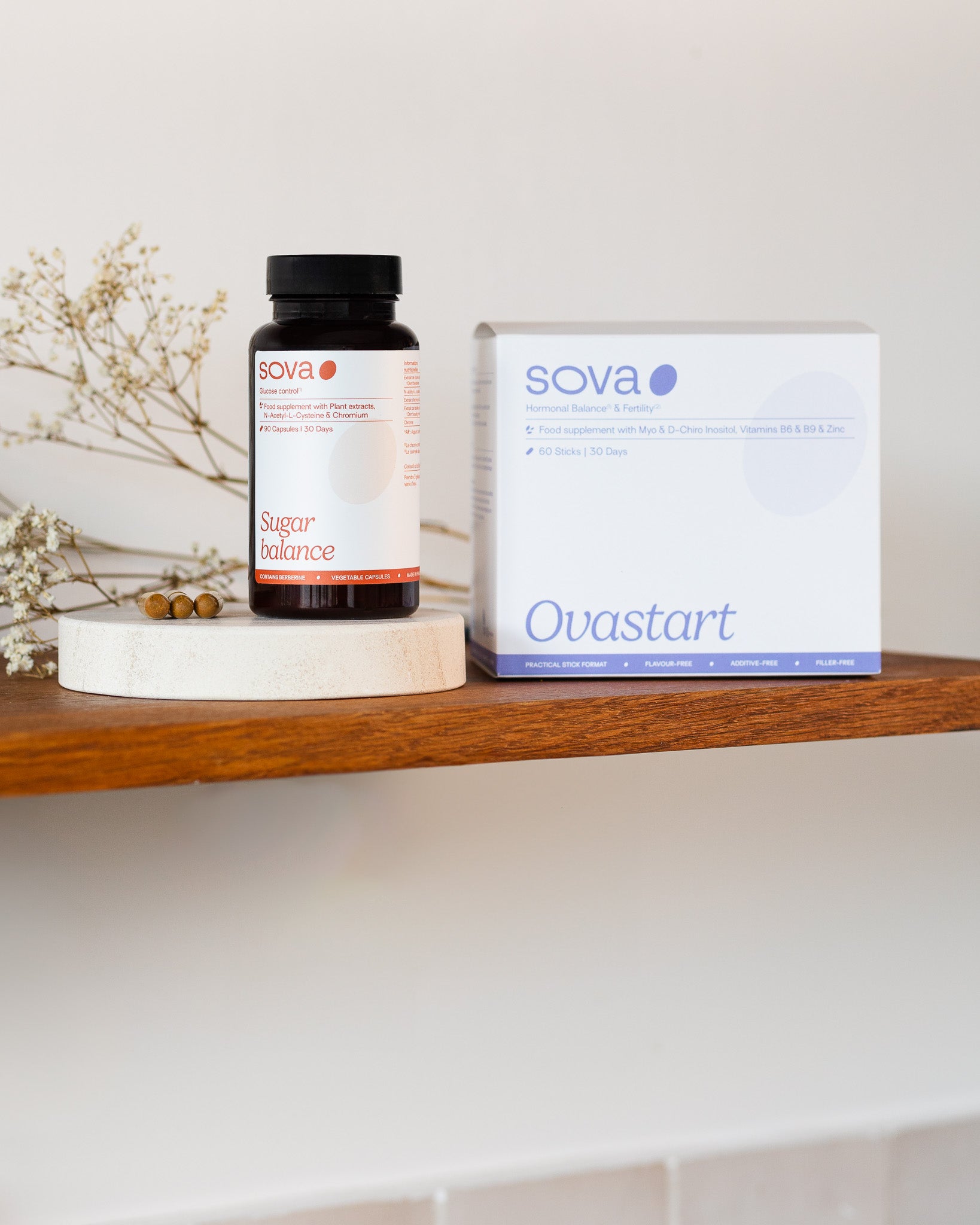
The Hormone Balance Supplements Built for PCOS - Two Products, One Complete System
Berberine Supplement UK - Blood Sugar, Insulin & Metabolic Support for Women with PCOS