



The Balance Bundle
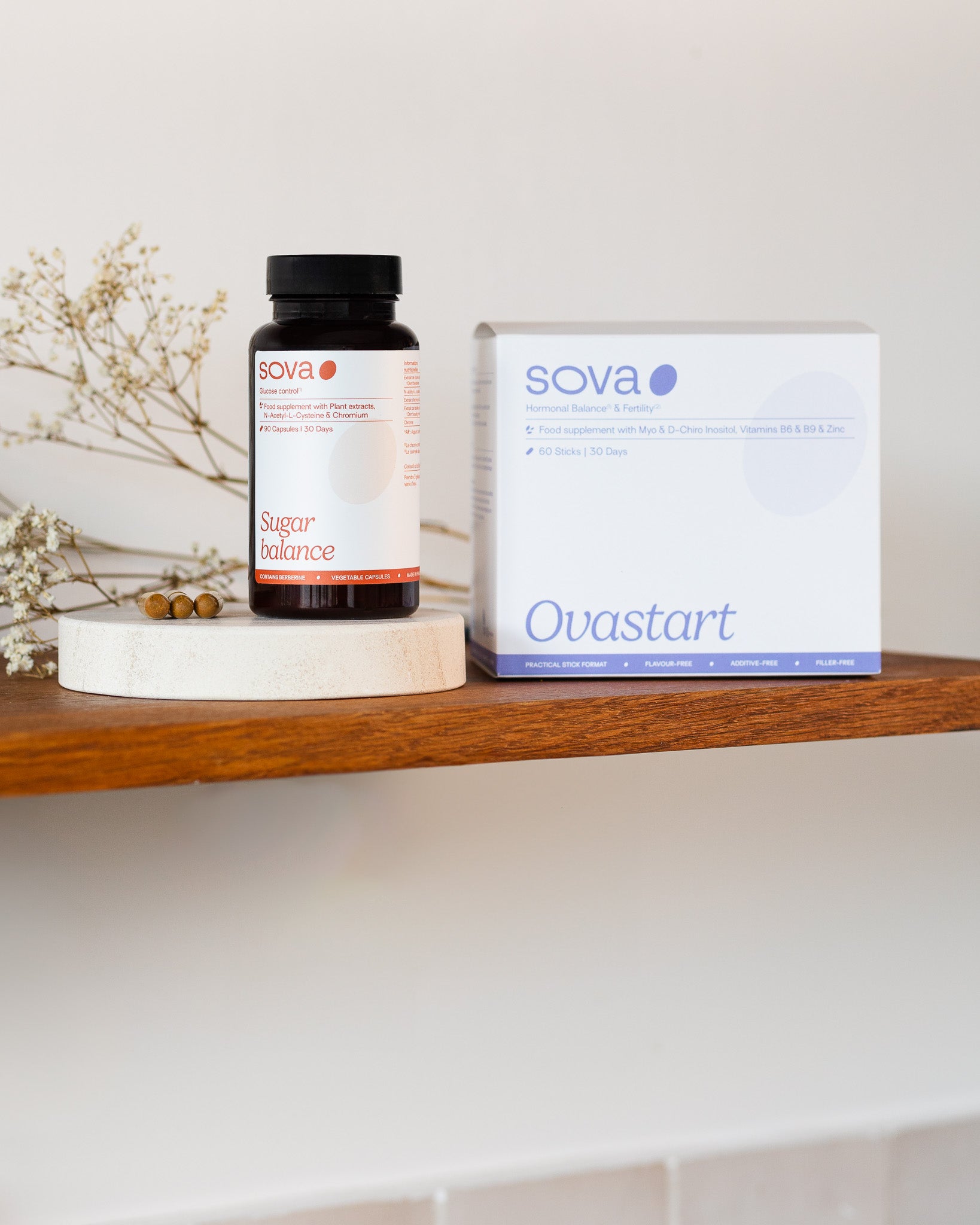
The Hormone Balance Supplements Built for PCOS - Two Products, One Complete System
From £53
Table of contents
- 01. The "PCOS Gap": why conventional advice fails (and what works instead)
- 02. Phase 1: decoding your unique PCOS phenotype
- 03. Phase 2: mastering the "PCOS Window" (advanced cycle tracking)
- 04. Phase 3: the "Metabolic Reset" diet to trigger ovulation
- 05. Phase 4: Targeted supplements & medical accelerants
- 06. The 90-Day "Egg Quality" countdown
- 07. Partner optimization: the 50% rule
- 08. Finding the right balance
The "PCOS Gap": why conventional advice fails (and what works instead)
If you've been told to "just relax" or "lose weight and it'll happen," you already know how frustrating that advice feels. The truth is, PCOS isn't simply a lifestyle issue. It's a metabolic and hormonal condition that can interfere with ovulation.
Here's the empowering news: ovulation is one of the key levers you can influence. Once you understand the hormonal mechanisms at play, you can take concrete steps to restore your body's natural fertility signals. This isn't about luck or patience—it's about addressing the root causes systematically, and many women with PCOS do conceive successfully when they optimize their hormonal environment.
Research consistently shows that women with PCOS who optimize their metabolic health, supplement strategically, and track ovulation accurately can significantly improve their chances of conception (1). This article will walk you through exactly how to do that.
Phase 1: decoding your unique PCOS phenotype
Not all PCOS is the same. Understanding your specific phenotype helps you target the right interventions from the start. You can learn more about identifying your PCOS type to personalize your approach even further.
The four main PCOS phenotypes
Insulin-Resistant PCOS (70% of cases)
This is the most common type. High insulin levels disrupt ovulation by triggering excess androgen production. Women with this phenotype often struggle with weight management, particularly around the abdomen, and may experience strong sugar cravings. Understanding the link between insulin resistance and PCOS is essential for managing this phenotype effectively.
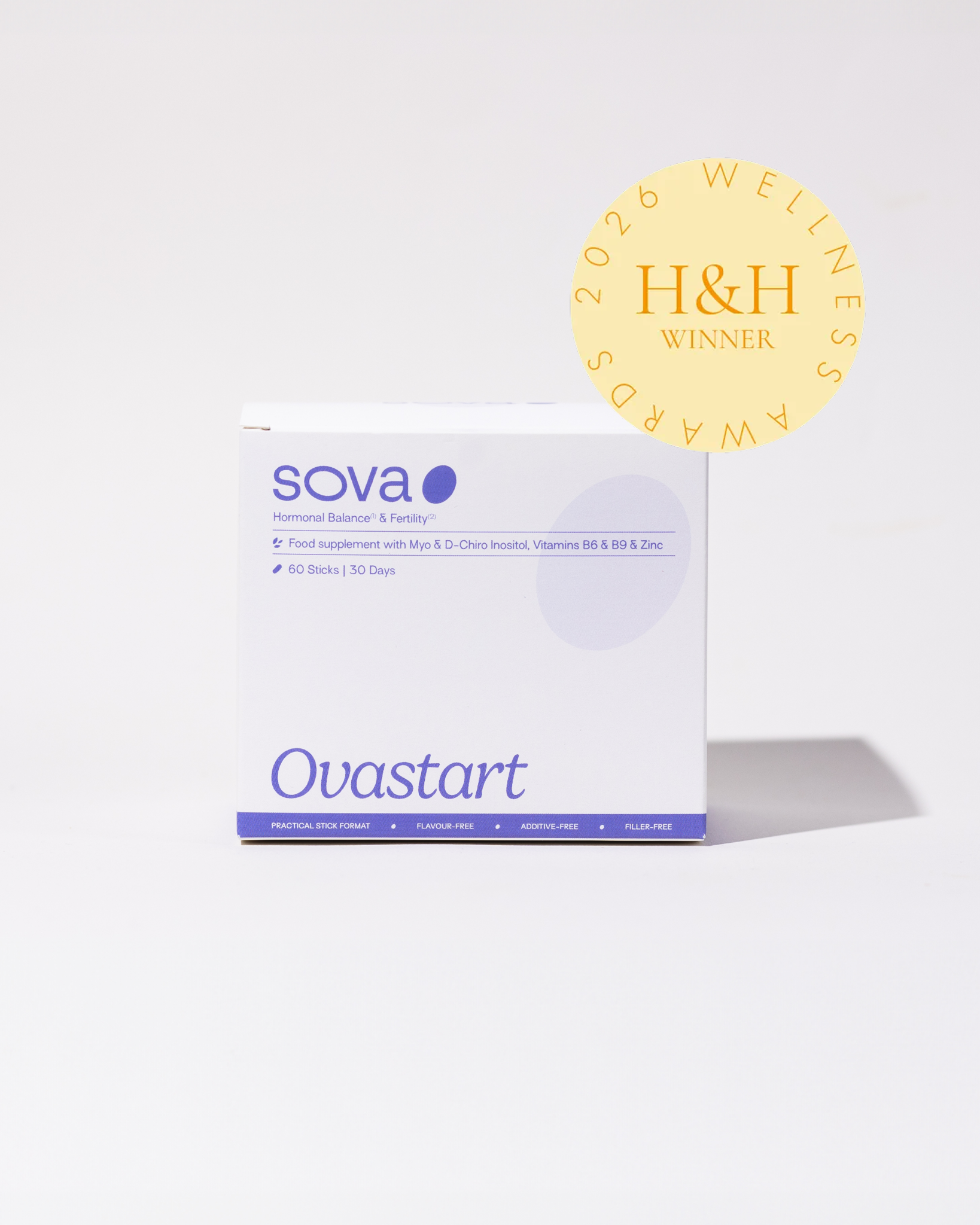
Top supplement: Myo-inositol combined with D-chiro-inositol has been shown to improve insulin sensitivity and restore ovulation in multiple studies (2). Ovastart contains this precise ratio along with 100% of your daily zinc needs, which is essential for egg quality and ovulation.
Inflammatory PCOS
Chronic low-grade inflammation drives hormonal imbalance in this phenotype. Markers such as CRP (C-reactive protein) may be elevated. Women often experience fatigue, joint pain, and skin conditions alongside reproductive symptoms.
Top supplement: Omega-3 fatty acids and N-acetylcysteine (NAC) help reduce inflammatory markers and support egg quality (3). Omega-3 supplementation provides the anti-inflammatory support that's particularly beneficial for this phenotype.
Adrenal PCOS
Here, the primary androgen elevation comes from DHEA-S rather than testosterone. This phenotype is often triggered by chronic stress and presents with symptoms like anxiety, disrupted sleep, and irregular cycles.
Top supplement: Magnesium bisglycinate supports stress response and helps regulate cortisol levels, which can restore hormonal balance (4).
Post-Pill PCOS
Some women develop PCOS-like symptoms after discontinuing hormonal contraception. This is often temporary but requires the same metabolic support to restore natural ovulation.
Top supplement: Vitamin B complex, particularly B6, helps reestablish natural hormone production after suppression from contraceptives (5).
Phase 2: mastering the "PCOS Window" (advanced cycle tracking)
One of the biggest frustrations for women with PCOS is tracking ovulation. Standard methods often give confusing or misleading results. For a comprehensive guide to understanding your unique cycle patterns, see our article on how to monitor your cycle with PCOS.
Pro-Tip warning: the LH strip myth
If you have PCOS, ovulation predictor kits (OPKs) that measure luteinizing hormone (LH) can show positive results for days or even weeks at a time. This happens because many women with PCOS have chronically elevated LH levels, making it nearly impossible to identify the true LH surge that triggers egg release.
The solution: use a multi-method approach
-
Basal Body Temperature (BBT): Your temperature rises by approximately 0.3–0.5°C after ovulation due to progesterone production. Tracking this daily helps confirm that ovulation has actually occurred, not just that LH is elevated.
-
Cervical Mucus Monitoring: As ovulation approaches, cervical mucus becomes clear, stretchy, and resembles raw egg white. This "fertile-quality" mucus indicates rising estrogen and an approaching ovulation window.
-
Progesterone Testing: A blood test 7 days after suspected ovulation (or 7 days before your expected period) can confirm ovulation occurred. Progesterone levels above 10 ng/mL (or 30 nmol/L) indicate successful ovulation (6).
By combining these methods, you'll gain accurate insight into your cycle rather than relying on potentially misleading LH strips alone.
Phase 3: the "Metabolic Reset" diet to trigger ovulation
Diet plays a crucial role in managing PCOS and restoring ovulation. The key is stabilizing blood sugar to reduce insulin resistance and lower androgen levels.
Understanding the glucose rollercoaster
When you eat high-glycemic foods, your blood sugar spikes rapidly, triggering a large insulin release. In women with PCOS, cells are already resistant to insulin, so the body produces even more to compensate. This excess insulin signals the ovaries to produce more androgens (like testosterone), which can block ovulation (7).
Understanding glycaemic load vs. glycaemic index
While you may have heard about choosing low-glycaemic index (GI) foods, what matters even more for PCOS is the overall glycaemic load (GL) of your meals. Glycaemic index measures how quickly a food raises blood sugar, but glycaemic load accounts for both the speed and the quantity of carbohydrates in a serving.
For example, watermelon has a high GI but a low GL because a typical serving contains relatively few carbohydrates. Conversely, a large portion of white rice has both a high GI and a high GL, creating a significant insulin spike.
When managing PCOS, focus on:
- Portion sizes of carbohydrate-rich foods
- Pairing carbohydrates with protein and healthy fats to slow glucose absorption
- Choosing whole food sources that naturally have lower glycaemic loads
This approach reduces the overall insulin demand on your body, creating a more favorable hormonal environment for ovulation.
The Hormone-Balanced plate
Protein-First Breakfast
Starting your day with 20–30 grams of protein significantly reduces blood sugar spikes throughout the day (8). Good options include eggs, Greek yogurt, smoked salmon, or a protein smoothie with berries and nut butter.
The 40:30:30 Rule
Aim for meals composed of approximately 40% complex carbohydrates, 30% protein, and 30% healthy fats. This macronutrient balance supports stable blood sugar and provides sustained energy.
Low-Glycaemic Load Carbohydrates
Choose whole grains like quinoa, buckwheat, and oats; legumes such as lentils and chickpeas; and starchy vegetables like sweet potatoes. These foods release glucose slowly and in moderate amounts, preventing insulin spikes.
Fiber is Your Ally
Aim for at least 25–30 grams of fiber daily from vegetables, fruits, whole grains, and legumes. Fiber slows glucose absorption and supports healthy gut bacteria, which play a role in hormone metabolism (9).
Anti-Inflammatory Foods
Include plenty of colorful vegetables, berries, olive oil, fatty fish, nuts, and seeds. These foods contain antioxidants that combat the chronic inflammation common in PCOS.
Foods to Reduce
Rather than strict elimination, focus on reducing refined sugars, white flour products, sugary drinks, excessive red meat, and highly processed foods. These contribute to insulin resistance and inflammation, so gradually replacing them with whole food alternatives supports your hormonal balance without feeling restrictive.
Thyroid health and fertility: an often-overlooked connection
There's a significant overlap between PCOS and thyroid conditions, particularly Hashimoto's thyroiditis (autoimmune hypothyroidism). Research shows that women with PCOS are at higher risk of thyroid dysfunction, with some studies suggesting up to 20-30% of women with PCOS also have thyroid issues (30).
Why does this matter for fertility? Your thyroid hormones directly regulate your metabolic rate, energy production, and reproductive function. Even mild hypothyroidism can:
- Disrupt ovulation by interfering with the hormonal cascade needed for egg maturation
- Increase the risk of early pregnancy loss
- Affect progesterone production needed to maintain pregnancy
- Worsen insulin resistance, creating a compounding effect with PCOS
What to do: If you're struggling to conceive with PCOS, ask your doctor to test your thyroid function, including TSH, free T3, free T4, and thyroid antibodies (TPO and TG). Optimal TSH for fertility is typically below 2.5 mIU/L, though many laboratories consider levels up to 4.5 mIU/L "normal." If your thyroid function is suboptimal, addressing it alongside your PCOS management can significantly improve your chances of conception.
Phase 4: Targeted supplements & medical accelerants
Strategic supplementation can significantly improve ovulation rates and egg quality in women with PCOS.
The "Big Three" natural supplements
Myo-Inositol + D-Chiro-Inositol
The combination of these two inositol forms in a 40:1 ratio is one of the most well-researched supplements for PCOS fertility. Studies show it improves insulin sensitivity, reduces androgen levels, and restores regular ovulation in up to 70% of women with PCOS (10). To learn more about how inositol supports conception, read our detailed guide on the benefits of myo-inositol for getting pregnant.
Ovastart provides an optimal ratio along with 100% of your daily zinc requirement, which is essential for egg quality and hormonal balance during preconception.
N-Acetylcysteine (NAC)
NAC improves insulin sensitivity and provides antioxidant protection to developing eggs. Research indicates it can improve ovulation rates and pregnancy outcomes (11).
Recommended dose: 600 mg, 2–3 times daily.
For combined support, Sugar Balance contains both NAC and berberine, which work synergistically to support blood sugar balance and insulin sensitivity—two crucial factors for ovulation with PCOS.
Coenzyme Q10 (CoQ10)
CoQ10 is essential for cellular energy production, including in eggs. Studies show supplementation improves egg quality and ovarian response, particularly in women over 30 (12).
Recommended dose: 200–600 mg daily (ubiquinol form is better absorbed).
Essential vitamins & minerals
Vitamin D
Vitamin D deficiency is extremely common in PCOS and is associated with insulin resistance and reduced fertility. Recent research supports higher supplementation doses than previously recommended (13).
Recommended dose: 4,000 IU daily (have your levels tested and adjust accordingly).
Omega-3 Fatty Acids
EPA and DHA support hormonal balance, reduce inflammation, and improve egg quality (14). This is particularly important for women with the inflammatory PCOS phenotype.
Recommended dose: 2,000–3,000 mg combined EPA/DHA daily.
Omega-3 provides high-quality, purified fish oil to support the anti-inflammatory processes essential for healthy ovulation and conception.
Magnesium
Magnesium supports insulin sensitivity, reduces inflammation, and helps manage stress—all crucial for fertility with PCOS (15).
Recommended dose: 300–400 mg magnesium bisglycinate daily.
Medical Interventions: comparing your options
When lifestyle changes and supplements alone don't restore ovulation, medical interventions can be highly effective.
|
Treatment |
Mechanism |
Ovulation Rate |
Notes |
|
Letrozole |
Reduces estrogen temporarily, triggering FSH release |
70–84% |
Now preferred as first-line treatment for PCOS (16) |
|
Clomid (Clomiphene) |
Blocks estrogen receptors, increasing FSH |
60–75% |
Historically used but less effective than letrozole for PCOS |
|
Metformin |
Improves insulin sensitivity |
30–50% alone; higher when combined |
Often used alongside ovulation induction (17) |
Letrozole has emerged as the preferred first-line treatment for ovulation induction in PCOS because it results in higher ovulation rates, better egg quality, and increased pregnancy rates compared to clomid (18). It works by temporarily reducing estrogen production, which signals your brain to release more follicle-stimulating hormone (FSH), encouraging egg development.
Metformin works by improving insulin sensitivity, which indirectly supports ovulation by reducing insulin-driven androgen production. Studies show that combining metformin with vitamin D (4,000 IU) creates a synergistic effect, significantly improving ovulation rates (19).
If you haven't achieved ovulation after 3–6 months of lifestyle optimization and supplementation, speak with your doctor about these medical options. There's no need to wait indefinitely—these treatments are safe, effective, and can help you achieve your goal of conception.
The 90-Day "Egg Quality" countdown
Eggs take approximately 90 days to mature before ovulation. This means the health choices you make today will impact the quality of the eggs you ovulate in three months. This timeline isn't about pressure, it's about empowerment. You have a full three-month window to nourish your body and prepare for the best possible conception environment.
Month 1: Metabolic Foundation
Week 1–2:
- Begin tracking your cycles using BBT and cervical mucus
- Start taking vitamin D (4,000 IU) and have your levels tested
- Gradually reduce refined sugars and focus on blood sugar stability
Week 3–4:
- Introduce myo-inositol supplementation
- Establish a protein-first breakfast routine
- Add 30 minutes of moderate exercise 4–5 times per week
Month 2: Advanced Optimization
Week 5–6:
- Add NAC and CoQ10 to your supplement routine
- Increase vegetable intake to 5–7 servings daily
- Begin stress management practices (yoga, meditation, or nature walks)
Week 7–8:
- Continue cycle tracking to identify patterns
- If not ovulating, consult your doctor about metformin or letrozole
- Ensure you're getting 7–9 hours of quality sleep nightly
- If you haven't already, request thyroid function testing
Month 3: Active Trying to Conceive
Week 9–10:
- By now, your supplements and lifestyle changes are supporting better egg quality
- Time intercourse for your fertile window (identified through tracking)
- Aim for every other day during the 5-day window leading up to ovulation
Week 11–12:
- Continue all optimization strategies
- If you've confirmed ovulation, wait 14 days and test for pregnancy
- If not yet ovulating, revisit medical intervention options with your healthcare provider
Partner optimization: the 50% rule
Fertility isn't solely about egg quality: sperm health matters just as much. Approximately 40–50% of fertility challenges involve male-factor issues (20).
Key nutrients for sperm health:
Zinc is essential for testosterone production and sperm formation. Studies show supplementation improves sperm count and motility (21). Recommended dose: 30–50 mg daily.
Lycopene, found in tomatoes and watermelon, is a powerful antioxidant that protects sperm from oxidative damage (22). Recommended dose: 10–15 mg daily, or include lycopene-rich foods regularly.
CoQ10 improves sperm motility and overall sperm quality (23). Recommended dose: 200–300 mg daily.
Lifestyle factors:
- Avoid excessive heat exposure (hot tubs, saunas, tight underwear)
- Limit alcohol to moderate levels
- Maintain a healthy weight
- Reduce stress through regular exercise and adequate sleep
Optimizing both partners' health simultaneously increases your chances of conception and supports a healthier pregnancy.
Finding the right balance
Getting pregnant with PCOS is absolutely possible, and you're taking the most important step right now by educating yourself and preparing your body. Unlike women without PCOS, you have the opportunity to address specific metabolic and hormonal factors that support not just conception, but a healthier pregnancy overall.
The 90-day countdown gives your body time to respond to the changes you're making. Remember that eggs take three months to mature, so each positive change you make today is investing in the egg that could become your baby three months from now.
Start with the foundation: stabilize your blood sugar through diet, begin supplementing with myo-inositol and vitamin D, and learn to track your cycles accurately. If you're not ovulating within 3–6 months, don't hesitate to explore medical interventions: letrozole has transformed fertility outcomes for women with PCOS, and there's no benefit to waiting longer than necessary.
Most importantly, remember that you're not alone in this journey. PCOS may make conception require more strategy, but with the right tools, support, and personalized approach, the vast majority of women with PCOS do achieve their dream of becoming mothers. ❤️
- Insulin Resistance : When cells ignore insulin, causing levels to spike. This is the #1 driver of "stuck" ovulation in PCOS.
- Androgens : Often called "male-type" hormones (like testosterone). Excess insulin triggers the ovaries to produce these, which can block egg release.
- Phenotype : Your specific "type" of PCOS (e.g., Insulin-Resistant vs. Inflammatory). Identifying this is the first step to a targeted plan.
- LH Surge : The hormonal spike that triggers ovulation. In PCOS, LH is often high all month, which can make standard testing kits confusing.
- Letrozole : A first-line medication that gently "nudges" the brain to produce the hormones needed to grow a follicle and ovulate.
- Myo-Inositol : A natural sensitizer that helps your cells "hear" insulin again, helping to restore regular cycles.
- Glycaemic Load (GL) : A more accurate way to track sugar impact than GI. It measures how much a specific portion of food actually raises your blood sugar.
- Basal Body Temperature (BBT) : Your resting temperature. A slight rise after mid-cycle is the only home-method to confirm that ovulation actually happened.
Scientific References
Over 50,000 women have already adopted our routines, rating us an excellent 4.7/5 average (from 3,300+ reviews). Our supplements are formulated in French laboratories using clean, carefully sourced ingredients, with a maximum of patented active ingredients proven for their effectiveness.
- Founded by women with PCOS, we understand the reality of hormonal disorders.
- Clinically studied: High-quality ingredients, including patented forms like Quatrefolic® and an optimal Myo-/D-Chiro Inositol ratio.
- Holistic support: Formulated for hormonal balance, metabolic health, inflammation, mood, and cycle regulation.
- Science-led formulas: Transparent ingredients with absolutely no unnecessary additives.
The Hormone Balance Supplements Built for PCOS - Two Products, One Complete System