


Table of contents
- 01. Key Takeaways: At a Glance
- 02. The Core Difference: Location, Tissue, and "The Neighbourhood"
- 03. What Actually Causes These Conditions? The Science Is Evolving
- 04. Symptom Showdown: How the Pain Actually Feels
- 05. Can You Have Both? The Co-Occurrence Reality
- 06. The Diagnostic Challenge: Why Is This So Hard to Find?
- 07. Impact on Fertility: Planning for Your Future
- 08. Modern Treatment Options: Moving Beyond "Just Take Ibuprofen"
- 09. Advocating for Yourself: How to Talk to Your Doctor
- 10. Your Questions Answered
- 11. Your 3-Step Action Plan
- 12. A Final Word
- 13. Key Terms Glossary
You have been told your pain is "just period cramps." You have been handed ibuprofen and sent home. You have been dismissed, minimised, and left wondering if it is all in your head.
It is not.
Adenomyosis and endometriosis are two of the most misunderstood conditions in women's health. They affect millions of people across the UK and worldwide, yet the average woman waits over a decade before receiving a correct diagnosis. [1] That delay has a profound cost - in pain, in quality of life, and in fertility.
This article will walk you through everything these two conditions are, how they differ, how they overlap, and - most importantly - how you can advocate for yourself in a medical system that too often fails women with chronic pelvic pain.
Key Takeaways: At a Glance
Read this before anything else. These are the eight things we most want you to know.
|
Two distinct conditions |
Same tissue type, different location: adenomyosis stays inside the uterine wall; endometriosis travels beyond it. |
|
Symptoms overlap heavily |
Pelvic pain and heavy periods appear in both - but the quality, location, and timing of pain differ in important ways. |
|
They frequently co-exist |
Studies show up to 20-40% of women with endometriosis also have adenomyosis - one condition can mask the other. |
|
Diagnosis takes far too long |
On average, women wait 10 years for an endometriosis diagnosis and 11 years for adenomyosis [1]. Your symptoms deserve urgent, thorough investigation. |
|
Your immune system matters |
Dysfunctional macrophages and Natural Killer cells may allow lesions to survive and grow. This is an active area of research offering new hope. |
|
Your microbiome plays a role |
Emerging 2024-2025 research links gut and uterine microbiota imbalances to disease severity and inflammation levels [8][9]. |
|
Fertility support exists |
Many women with these conditions conceive. Early specialist care and targeted support significantly improve outcomes. |
|
You are not overreacting |
Pain this severe is never "just period pain." You deserve a thorough diagnosis, a personalised treatment plan, and genuine medical support. |
The Core Difference: Location, Tissue, and "The Neighbourhood"
Your uterus has an inner lining called the endometrium. Each month, this lining thickens to prepare for a possible pregnancy, then sheds during your period. Both adenomyosis and endometriosis involve tissue that behaves like the endometrium growing somewhere it should not be. The critical difference is simply: where.
With endometriosis, this tissue is a "traveller" - it grows outside the uterus entirely, attaching to the ovaries, fallopian tubes, bowel, bladder, and in severe cases even further afield. With adenomyosis, the tissue is more of an "intruder" - it burrows directly into the muscular wall of the uterus itself (the myometrium), making it thick, heavy, and tender.
Think of it this way: the uterus is a house. In adenomyosis, the wallpaper is growing inside the walls. In endometriosis, the wallpaper has escaped and is growing in the garden, the street, sometimes even the neighbours' yard.
At a Glance: Adenomyosis vs. Endometriosis
|
Feature |
Adenomyosis |
Endometriosis |
|
Location of tissue |
Inside the uterine muscle wall (myometrium) |
Outside the uterus - ovaries, tubes, bowel, bladder, peritoneum |
|
Primary symptom |
Heavy, prolonged periods and intense cramping |
Chronic pelvic pain that often extends beyond the period |
|
Effect on uterus |
Enlarged, "boggy," tender uterus |
Uterus often normal size; adhesions distort surrounding organs |
|
Typical age at diagnosis |
Often 35-50, but can occur much earlier |
Often 25-40; symptoms may start at the very first period |
|
Definitive cure |
Hysterectomy - though central sensitisation may persist |
No definitive cure; excision surgery is the gold standard |
|
Main diagnostic tool |
Transvaginal ultrasound or MRI |
Laparoscopy (keyhole surgery) with histological biopsy |
|
Immune involvement |
Altered uterine NK cell activity |
Macrophage dysfunction and reduced NK cell cytotoxicity |
What Actually Causes These Conditions? The Science Is Evolving
For decades, the dominant explanation for endometriosis has been retrograde menstruation - the idea that, during a period, some tissue flows backwards through the fallopian tubes into the pelvis rather than leaving the body. But this cannot be the full story: retrograde menstruation happens in most women with open tubes, yet only some develop endometriosis.

The Coelomic Metaplasia Theory
An alternative theory gaining scientific attention is coelomic metaplasia. This proposes that certain cells lining the abdominal cavity retain an embryonic capacity to transform into endometrial-like cells under the right hormonal or inflammatory conditions. This would explain cases of endometriosis in people who have never menstruated, as well as lesions found in anatomically unusual locations.
Why does this matter for you? If coelomic metaplasia contributes to your endometriosis, it means the lesions are not simply menstrual tissue in the wrong place - they are locally generated. This opens up exciting possibilities for targeted, non-surgical therapies in the future.
The Role of Your Immune System: Macrophages and Natural Killer Cells
One of the most important questions researchers are asking is: why does the body not simply destroy these lesions? The answer appears to involve a dysfunction in two key immune cells.
Macrophages are immune cells that are supposed to clear away foreign tissue. In women with endometriosis, macrophages in the peritoneal fluid appear to behave differently - instead of eliminating endometrial lesions, they may actually promote their survival by releasing growth factors and inflammatory signals.
Natural Killer (NK) cells are the immune system's "search and destroy" specialists. In healthy tissue, they identify and eliminate abnormal cells. In women with endometriosis, NK cell activity is significantly reduced, and the cells that do arrive at the site of lesions appear less capable of cytotoxic (cell-killing) function. This immune tolerance may be one reason why endometriosis persists and recurs even after surgical treatment.
A note on adenomyosis: Research also points to altered Natural Killer cell populations within the uterine wall in adenomyosis, suggesting that immune dysfunction is a shared feature of both conditions - not unique to endometriosis.
Your Microbiome: A Surprising New Piece of the Puzzle
One of the most exciting and rapidly evolving areas of research links the gut and uterine microbiome to the development and severity of both conditions.
A 2025 study published in International Journal of Molecular Sciences found significant gut microbiota dysbiosis in women with endometriosis, including an altered bacterial balance and elevated inflammatory markers. [8] The researchers proposed that gut microbiota may actively modulate both immune responses and oestrogen metabolism, creating an internal environment that helps lesions flourish.
For adenomyosis specifically, a 2025 review published in Microbiome found evidence of reduced protective Lactobacillus species in the uterine and vaginal environments of affected women, alongside an enrichment of opportunistic anaerobic bacteria. [9] These microbial changes were more pronounced during the luteal phase of the cycle - the second half, after ovulation.
Practically speaking, this means that supporting a healthy microbiome through diet, stress management, and potentially targeted probiotics may one day form part of an integrated treatment approach. We explore this further in our guide to hormone-supportive nutrition.
Symptom Showdown: How the Pain Actually Feels
One of the most frustrating things about these two conditions is how much they look alike on paper. Both cause pelvic pain and heavy periods. But if you pay close attention to the quality of your pain - where it is, when it happens, and how it feels - there are important diagnostic clues.
If you are also navigating pelvic pain alongside a PCOS diagnosis, you may find our article on pelvic pain and PCOS a useful companion to this one, as the conditions can sometimes co-exist or complicate each other.
Overlapping Symptoms: The "Evil Twins" of Pelvic Pain
The checklist below is a starting point for reflection, not a diagnostic tool. Please use it to guide a conversation with a specialist rather than to self-diagnose.
|
Overlapping - Could Be Either |
Leans Endometriosis |
Leans Adenomyosis |
|
○ Painful periods (dysmenorrhoea) |
○ Pain radiating to legs, back, or rectum |
○ Extremely heavy, "flooding" periods |
|
○ Heavy or prolonged bleeding |
○ Sharp pain during bowel movements |
○ Passage of large blood clots |
|
○ Painful sex (dyspareunia) |
○ Pain throughout the cycle, not just periods |
○ Sensation of a full, heavy womb |
|
○ Chronic pelvic pain |
○ Bowel symptoms: nausea, loose stools |
○ Uterus tender to the touch |
|
○ Fatigue, especially around your period |
○ Bladder pain or blood in urine |
○ Pain most intense at the period itself |
|
○ Bloating and abdominal swelling |
○ Pain on internal examination |
○ Permanently swollen lower abdomen |
|
○ Difficulty conceiving |
○ |
○ |
A word of kindness here: If you recognise yourself in multiple columns, you are not alone - and you are not exaggerating. Many women live with a mix of all three sets of symptoms for years before receiving any diagnosis at all. Your experience is valid.
Telltale Signs of Endometriosis: Radiating and Cyclical Pain
The pain of endometriosis is often described as deep, stabbing, or burning - and crucially, it does not always respect the boundaries of your period. Many women describe pain during ovulation, during sex, during bowel movements, or even when simply sitting for long periods.
Because endometrial-like tissue can grow on the bowel, bladder, ovaries, and pelvic wall, the sensation can feel like it is coming from everywhere and nowhere at once. Pain may radiate down the legs, into the lower back, or feel like pressure deep in the rectum. This widespread nature is one reason endometriosis is so frequently mistaken for irritable bowel syndrome (IBS) or pelvic floor dysfunction.
Telltale Signs of Adenomyosis: The "Heavy Uterus"
Adenomyosis tends to announce itself through bleeding and bulk. Periods that soak through protection within an hour, clots the size of a 50-pence coin, cramps so severe they leave you doubled over - these are its hallmarks. The uterus can become significantly enlarged, and may feel tender and heavy in your lower abdomen.
Unlike endometriosis, the pain of adenomyosis is often most concentrated around menstruation and may ease somewhat between periods - though for many women, the chronic heaviness and pelvic pressure never fully disappear.
What Does an "Adenomyosis Belly" Look Like?
An "adenomyosis belly" is a term for a persistent, firm swelling of the lower abdomen caused by an enlarged uterus. It can resemble the early bump of a 3 to 6 month pregnancy, and - critically - it does not flatten with dieting or exercise because it is not caused by fat or bloating. It is caused by a genuinely enlarged organ. If your abdomen has felt permanently protruded and tender to the touch, this is a medically recognised consequence of adenomyosis, not something you are imagining.
Can You Have Both? The Co-Occurrence Reality
Yes - and it is far more common than most standard care pathways acknowledge. A 2023 systematic review found that the prevalence of adenomyosis in women already diagnosed with endometriosis could be as high as 89% in some studied populations. [2]
We want to name something important here: receiving this information might feel overwhelming. If you have been struggling for years to get even one diagnosis, the idea of potentially navigating two conditions can feel deeply unfair. It is. And it also means that a thorough specialist evaluation - one that looks at the full clinical picture - is not a luxury. It is what you deserve from the very beginning.
The cruel irony of having both conditions is that each can mask the other. Adenomyosis's heavy bleeding might be attributed entirely to endometriosis, while subtle uterine wall changes go uninvestigated. This is why, if you have been diagnosed with one condition but your symptoms remain severe, asking your doctor to actively investigate the possibility of the other is a reasonable and important request.
Want to learn more? Our guide on monitoring your menstrual cycle can help you track the specific patterns that matter most when advocating for a thorough specialist investigation.
The Diagnostic Challenge: Why Is This So Hard to Find?
A 2026 French study following nearly 7,000 women with endometriosis and/or adenomyosis found that the average time from first symptoms to diagnosis was 10 years for endometriosis and 11 years for adenomyosis. [1]
Let us sit with that for a moment. That is a decade of pain, of being dismissed, of adapting your entire life around symptoms that nobody was investigating seriously. Some women in the UK have reported delays of up to 27 years. [3] These are not statistics - they represent real people, real suffering, and a systemic failure that the medical community is only beginning to address.
If you are wondering who the right specialist is for your situation, our article on how to find the right hormonal health specialist walks you through exactly what to look for and which questions to ask.
Why Ultrasound Often Misses the Mark
A standard abdominal pelvic ultrasound is frequently insufficient. It can miss small endometriotic lesions, particularly those on the bowel or pelvic wall. For adenomyosis, the quality and type of ultrasound matter enormously - a transvaginal ultrasound (where the probe is gently inserted vaginally) offers a far clearer view of the uterine wall than an abdominal one, and even then, subtle adenomyosis can be missed by practitioners without specific expertise in these conditions.
Important to know: A "normal" ultrasound result does not mean there is nothing wrong. It may simply mean you need more specialised imaging, or an ultrasound performed by someone with specific training in endometriosis and adenomyosis diagnosis. You are allowed to ask for this.
Laparoscopy vs. MRI: The Gold Standards
For endometriosis, the only way to definitively confirm a diagnosis remains a laparoscopy - a minimally invasive surgical procedure where a camera is inserted through a small incision in the abdomen. During surgery, the surgeon can see, sample, and ideally treat endometriotic lesions at the same time. No blood test or scan can replace this.
For adenomyosis, the picture is slightly different. An MRI is considered the most accurate non-surgical diagnostic tool, capable of showing uterine wall changes in far greater detail than ultrasound. Historically, adenomyosis could only be confirmed after a hysterectomy, but advances in specialist MRI have made earlier, non-surgical diagnosis increasingly possible. It is entirely reasonable for you to ask your gynaecologist specifically about these options.
Does Adenomyosis Affect the Bowels?
Adenomyosis itself does not implant on the bowel - this is an important difference from endometriosis. However, an enlarged uterus can press on surrounding organs, including the bowel and bladder, leading to feelings of fullness, pressure, bloating, or difficulty with bowel movements. By contrast, endometriosis can directly grow on the bowel wall - a form called deeply infiltrating endometriosis (DIE) - causing sharp pain specifically during bowel movements, rectal bleeding during periods, or cramping that is tightly linked to digestion. If your bowel symptoms are most intense during your period and associated with sharp, localised pain, DIE should be actively investigated by a specialist.
Impact on Fertility: Planning for Your Future
Both conditions can affect fertility, but through different mechanisms. Understanding the distinction matters whether you are trying to conceive right now, planning to, or simply want to protect your future reproductive options.
Endometriosis can impact fertility through several overlapping pathways. Inflammation in the pelvic environment affects egg quality and uterine receptivity. Ovarian cysts called endometriomas reduce ovarian reserve. Scarring and adhesions can obstruct the fallopian tubes - one study found significantly higher rates of tubal blockage in women with endometriosis compared to those without. [4] Research estimates that 30-50% of women with endometriosis experience some degree of difficulty conceiving. [5]
Adenomyosis works differently. The uterine muscle itself becomes altered - thicker, less elastic, and less welcoming to an embryo trying to implant. Studies suggest adenomyosis may impair uterine receptivity, increase miscarriage risk, and reduce the success rates of assisted reproduction treatments.
If egg quality or ovarian function is a concern for you, it may be worth exploring evidence-based nutritional support. Research into myo-inositol and fertility suggests it can support ovarian response and oocyte quality, particularly in women with inflammatory or metabolic challenges - a potential complement to medical care, not a replacement for it.

A gentle reminder: Having either of these conditions does not mean you cannot conceive. Many women with endometriosis and adenomyosis have successful pregnancies. Early specialist care and a personalised, well-supported approach give you the best possible foundation.
Modern Treatment Options: Moving Beyond "Just Take Ibuprofen"
Treatment for both conditions has evolved significantly, and "just living with it" is no longer acceptable medical guidance. The path that best supports your unique goals - whether that is pain relief, preserving fertility, or avoiding surgery - is one we can explore together with the right specialist support.
Non-Surgical Management: Hormones and Lifestyle
Hormonal treatments are the most common first-line approach. The combined contraceptive pill, the hormonal coil (Mirena IUD), progestogen-only pills, and GnRH analogues (medications that temporarily suppress ovarian function) can all reduce symptoms by limiting the hormonal fluctuations that drive tissue growth and inflammation. Each option carries different considerations depending on your age, fertility goals, and symptom profile.
Lifestyle approaches also play a meaningful role. An anti-inflammatory diet, consistent stress management, and regular gentle movement all help reduce systemic inflammation - a core driver of pain in both conditions. You can explore our guide to hormone-supportive nutrition for practical, evidence-informed starting points.
For women whose symptoms are also linked to hormonal imbalance, targeted supplementation may offer additional support. Omega-3 fatty acids have been studied for their role in reducing inflammation - a key mechanism in both adenomyosis and endometriosis. Our Omega 3 supplement is formulated to support this kind of internal, systemic balance.

Surgical Interventions: Excision vs. Ablation
When symptoms are severe or fertility is affected, surgery is often considered. For endometriosis, understanding the difference between the two main surgical approaches could profoundly affect your long-term outcomes:
• Ablation (burning or destroying lesions): removes the surface of endometriotic tissue but leaves the roots intact. It is faster but has significantly higher recurrence rates.
• Excision (cutting out lesions entirely): removes the full depth of the tissue and is considered the gold standard, with better long-term outcomes and lower recurrence. It requires a surgeon specifically trained in this technique. When you consult a gynaecologist about surgery, asking whether they perform excision - and how frequently - is one of the most important questions you can ask.
For adenomyosis, surgical options are more limited. Localised removal of affected tissue (adenomyomectomy) is possible in some cases, but the condition tends to be diffuse within the uterine wall, making complete removal difficult without removing the uterus itself.
The Hysterectomy Question: An Important Nuance
Hysterectomy - removal of the uterus - is a definitive cure for the lesions of adenomyosis, as the affected tissue is contained within the uterine wall. For women who have completed their families and whose quality of life has been severely impaired, it is a legitimate option that deserves consideration.
However, there is an important nuance that is not always communicated: some women continue to experience chronic pelvic pain after hysterectomy due to a process called central sensitisation. After years of persistent pain signals, the nervous system can become hypersensitised - essentially developing a "memory" of pain that persists even after the original source has been removed. This is not imaginary or psychological; it is a recognised neurological process. If you are considering a hysterectomy for adenomyosis, discussing pelvic floor physiotherapy and pain management as part of your post-surgical plan is worthwhile.
For endometriosis, hysterectomy alone does not provide a cure. Because endometriosis grows outside the uterus, removing the uterus leaves existing lesions in place. Without excising all visible endometriotic tissue at the same time, symptoms may well persist or return. This is a critical distinction that is too often not clearly explained to patients.
Advocating for Yourself: How to Talk to Your Doctor
You deserve more than a brief appointment and a referral back to over-the-counter painkillers. Here is how to advocate for yourself effectively - because women who come to appointments prepared and persistent do, genuinely, get better outcomes.
Before your appointment, document:
• Your cycle length and regularity
• The heaviness of your bleeding (number of pads or tampons, clot size)
• When your pain starts and ends, what it feels like, where it radiates
• How much it affects your daily life - work, sleep, relationships, movement
Questions worth asking your gynaecologist:
• Could my symptoms be consistent with endometriosis, adenomyosis, or both?
• Has a transvaginal ultrasound been performed by a specialist in these conditions?
• Would an MRI provide more information in my case?
• If surgery is recommended, are you trained in excision specifically, or do you perform ablation?
• If I want to preserve my fertility, how does that change the options available to me?
• Can you refer me to a specialist endometriosis centre?
• If pain persists after any procedure, is central sensitisation something we should plan for?
In the UK: NICE guidelines recommend that women with suspected endometriosis should be referred to a specialist service. NHS England has designated specialist endometriosis centres. You have the right to ask your GP for this referral, and you should feel empowered to do so.
Your Questions Answered
Which is more serious: endometriosis or adenomyosis?
Neither condition is inherently "worse" than the other - they simply affect life differently. Endometriosis tends to cause more widespread, chronic pain and carries a greater impact on fertility through its effects on the ovaries and fallopian tubes. Adenomyosis tends to cause more severe bleeding and uterine bulk, which can be profoundly debilitating. Both conditions significantly affect quality of life and deserve equal, serious medical attention. The right question is not which is more serious, but which is yours - and what your personalised treatment plan should look like.
Can adenomyosis and endometriosis appear together?
Yes, and this co-occurrence is more common than most care pathways reflect. Studies suggest that a substantial proportion of women with endometriosis also have adenomyosis, with some research finding uterine changes in the majority of women undergoing specialist investigation. [2] If you have been diagnosed with one but your symptoms remain severe or unexplained, it is entirely reasonable to ask your specialist to actively look for the other.
Can I be diagnosed without surgery?
For adenomyosis, yes - a specialist transvaginal ultrasound or MRI can often confirm the diagnosis without surgery. For endometriosis, laparoscopy remains the only definitive method, though clinical diagnosis based on symptoms is sometimes used to start treatment while surgical investigation is awaited. We can explore both pathways together depending on your specific situation and goals.
Does diet make a difference?
There is growing scientific interest in the role of anti-inflammatory nutrition in managing the symptoms of both conditions. While diet is not a cure, reducing pro-inflammatory foods, supporting gut health, and ensuring adequate omega-3 intake may help reduce the systemic inflammation that drives pain. Our guide to hormone-supportive nutrition explores this in practical, accessible detail.
Does having either condition mean I cannot get pregnant?
No. Many women with both conditions conceive naturally or with support. Early diagnosis and specialist care are the most important factors in your favour. For women concerned about egg quality or ovarian function, research into the benefits of myo-inositol for fertility offers some encouraging evidence as a complement to medical care.
Your 3-Step Action Plan
Because knowing what to do next - even one small, concrete step - can make the overwhelming feel manageable.
|
Step 1 |
Track Your Symptoms Start a pain diary today. Note dates, intensity, type of pain, and how it affects your daily life. Record bleeding volume - number of pads or tampons, any clots. This is your evidence. |
|
Step 2 |
Consult a Specialist Ask your GP for a referral to a gynaecologist with expertise in endometriosis and adenomyosis, or to an NHS designated specialist centre. Bring your symptom diary and ask specifically about transvaginal ultrasound and MRI. |
|
Step 3 |
Advocate for Yourself Ask the questions in this article. If you feel dismissed, ask for a second opinion. Your pain is real, and effective treatment exists. You deserve access to it. |
A Final Word
Living with adenomyosis or endometriosis can be exhausting in a way that is difficult to explain to people who have not felt it. The pain, the uncertainty, the years of being told it is normal - it leaves marks, emotional as well as physical.
There is a growing community of women who are refusing to accept a decade of suffering as inevitable. Researchers are asking better questions. Specialists are developing more targeted tools. And support - medical, nutritional, and communal - is more accessible than it has ever been.
You are not alone in this. SOVA exists to support you with science-backed information, with targeted nutritional support, and with the simple, radical belief that you deserve to be heard.
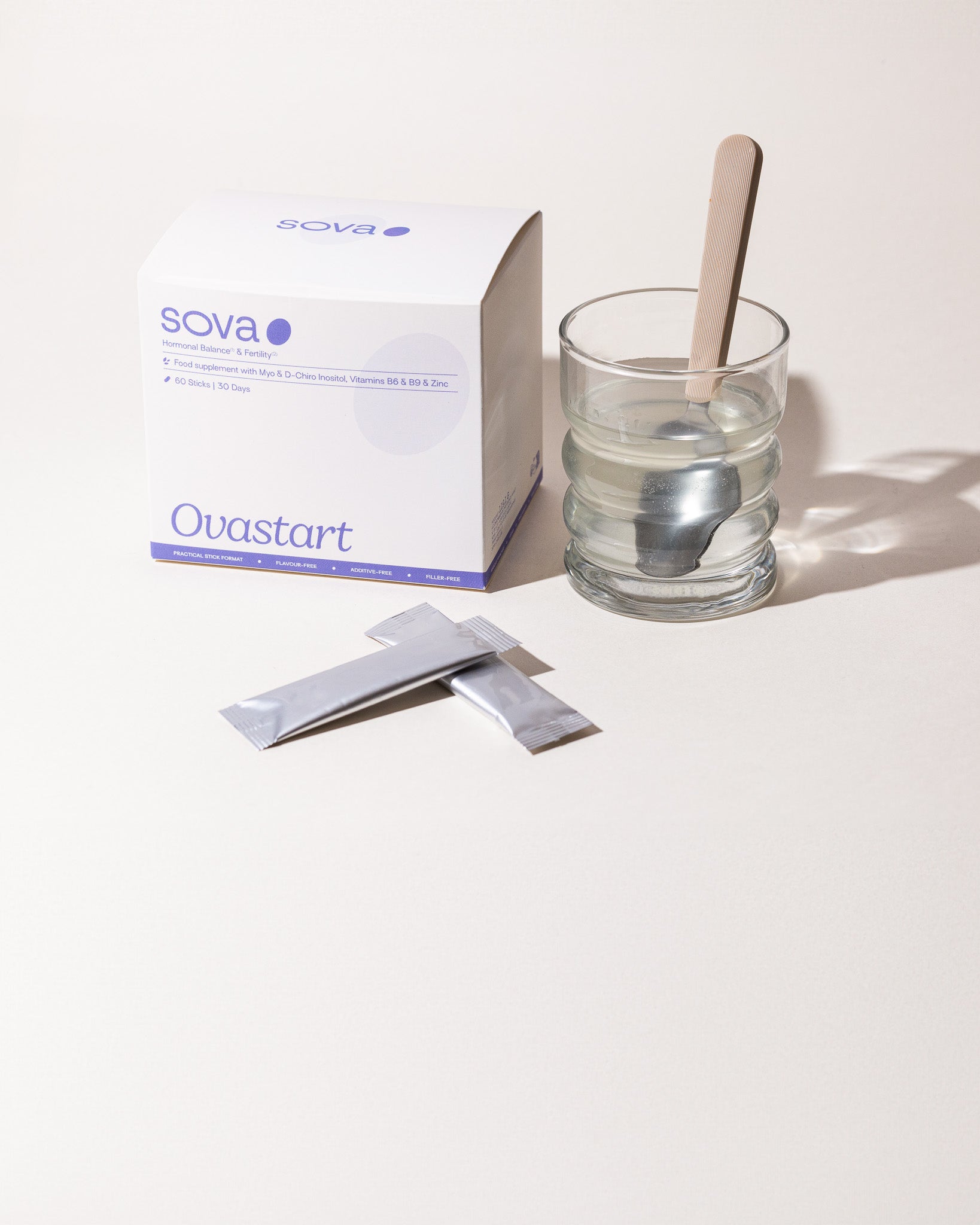
Support your hormonal balance naturally. Explore SOVA's range of supplements designed for women managing hormonal conditions at sova-care.co.uk.
Key Terms Glossary
Adenomyosis: A condition where endometrial-like tissue grows into the muscular wall of the uterus, causing it to enlarge and become tender. Often causes heavy periods and pelvic pressure.
Endometriosis: A condition where tissue similar to the uterine lining grows outside the uterus, on organs such as the ovaries, fallopian tubes, bowel, or bladder. Causes chronic inflammation, pain, and potentially infertility.
Coelomic Metaplasia: A theory proposing that cells lining the abdominal cavity can transform into endometrial-like cells under hormonal or inflammatory conditions, offering an alternative explanation for the origin of endometriosis.
Macrophages: Immune cells responsible for clearing foreign tissue. In endometriosis, they may paradoxically promote lesion survival rather than eliminating it.
Natural Killer (NK) Cells: Immune cells that identify and destroy abnormal cells. In women with endometriosis and adenomyosis, their activity is often impaired, potentially allowing lesions to persist.
Central Sensitisation: A neurological process in which the nervous system develops a "memory" of chronic pain, causing pain signals to persist even after the original physical source has been treated or removed.
Deeply Infiltrating Endometriosis (DIE): A severe form of endometriosis in which tissue penetrates more than 5mm beneath the surface of affected organs, including the bowel or bladder.
Excision Surgery: The gold-standard surgical technique for endometriosis in which lesions are completely removed (cut out), as opposed to ablation (burning), which only destroys the surface.
Dyspareunia: Painful sexual intercourse, a common symptom of both adenomyosis and endometriosis.
Dysmenorrhoea: Painful periods.
Microbiome: The community of microorganisms (bacteria, fungi, viruses) living in and on the body. Emerging research links imbalances in the gut and uterine microbiome to inflammation levels and disease severity in endometriosis and adenomyosis.
Scientific References
Over 50,000 women have already adopted our routines, rating us an excellent 4.7/5 average (from 3,300+ reviews). Our supplements are formulated in French laboratories using clean, carefully sourced ingredients, with a maximum of patented active ingredients proven for their effectiveness.
- Founded by women with PCOS, we understand the reality of hormonal disorders.
- Clinically studied: High-quality ingredients, including patented forms like Quatrefolic® and an optimal Myo-/D-Chiro Inositol ratio.
- Holistic support: Formulated for hormonal balance, metabolic health, inflammation, mood, and cycle regulation.
- Science-led formulas: Transparent ingredients with absolutely no unnecessary additives.