




Sugar Balance
Berberine Supplement UK - Blood Sugar, Insulin & Metabolic Support for Women with PCOS
From £26

The Balance Bundle
The Hormone Balance Supplements Built for PCOS - Two Products, One Complete System
From £53
Table of contents
- 01. Is 'PCOS Fatigue' Different from Regular Tiredness?
- 02. The 5 Biological Triggers of PCOS Exhaustion
- 03. When Fatigue and Low Mood Overlap
- 04. The 'Energy-First' Approach to Eating
- 05. Movement: More Flexibility Than You Might Think
- 06. Targeted Supplementation for Cellular Energy
- 07. When to See a Specialist: Beyond the Routine Blood Test
- 08. A Final Word
- 09. Key Terms
Do you wake up already exhausted, no matter how long you slept? Does your energy crash mid-afternoon, your mind feel wrapped in cotton wool, and even small tasks feel like an enormous effort? If you have PCOS, this kind of bone-deep tiredness is not unusual — and, more importantly, it is not your fault.
PCOS fatigue is different from simply feeling tired after a busy week. It has biological roots: a combination of metabolic, hormonal, and inflammatory factors that drain your energy from the inside. Understanding why this happens is the first step to doing something about it.
|
Key Takeaways |
|
✦ PCOS fatigue is biological, not a lack of willpower. |
|
✦ It is driven by insulin resistance, chronic inflammation, disrupted sleep, and hormonal imbalances. |
|
✦ The goal is to stabilise blood sugar and reduce inflammation — not to push harder. |
|
✦ Targeted nutrition, movement, and supplementation can make a real difference. |
Support your hormones with the right products
Sova is here to support you through your feminine moments and help you live better with PCOS, thanks to natural and tailored solutions.
FIND THE RIGHT SUPPLEMENT FOR YOU →
Is 'PCOS Fatigue' Different from Regular Tiredness?
Yes — and the difference matters. Normal tiredness usually improves after a good night's sleep, a rest day, or some downtime. PCOS fatigue is different in both its quality and its triggers.
This is what doctors and researchers sometimes call metabolic fatigue: an exhaustion that comes not from doing too much, but from the body's inability to properly convert food into usable energy. It is often described as feeling heavy, foggy, and depleted — even first thing in the morning.
|
Normal Tiredness |
PCOS Metabolic Fatigue |
|
Improves after sleep |
Persists even after a full night's rest |
|
Caused by overexertion |
Triggered by metabolic dysfunction |
|
Clears with rest |
Often worse after high-carb meals |
|
No brain fog |
Frequent mental fog and difficulty concentrating |
|
Comes and goes |
Chronic, persistent, often cyclical with the period |
Can PCOS cause extreme tiredness?
Yes. Polycystic Ovary Syndrome commonly causes extreme, chronic fatigue that goes well beyond regular tiredness. This 'PCOS exhaustion' is a recognised symptom driven by metabolic dysfunction, hormonal imbalances, and chronic inflammation — not by a lack of effort or motivation.
The 5 Biological Triggers of PCOS Exhaustion
PCOS fatigue rarely has a single cause. Instead, it tends to arise from several overlapping biological mechanisms happening at the same time. Understanding each one helps make sense of why rest alone is rarely enough.
1. Insulin Resistance & the 'Sugar Crash' Cycle
Insulin resistance is one of the most common features of PCOS, affecting an estimated 70 to 80% of women with the condition [1]. In a healthy body, insulin acts like a key, unlocking cells to let glucose (sugar) in. That glucose is then converted into energy.
When insulin resistance is present, this process breaks down. The cells stop responding properly to insulin, so glucose cannot enter them efficiently. The body produces even more insulin to compensate — but the cells remain largely locked. The result is that even after eating, the cells are effectively starved of fuel, leaving you feeling exhausted, foggy, and craving sugar within hours.

A study published in *PLOS ONE* found that women with PCOS showed a level of metabolic inflexibility — the inability to efficiently switch between energy sources — comparable to women with type 2 diabetes [2]. This means that for many women with PCOS, the body is essentially stuck, unable to use energy efficiently, regardless of how much food is consumed.
2. Chronic Low-Grade Inflammation
PCOS is associated with a state of chronic, low-grade inflammation: a constant, low-level activation of the immune system that does not cause obvious symptoms on the surface, but quietly drains the body's resources.
Fighting inflammation requires energy. When the immune system is in a state of permanent low-level alert, it consumes energy that would otherwise be available for thinking, moving, and feeling well. A large meta-analysis pooling data from 63 studies involving over 7,000 women found that levels of C-reactive protein (CRP), a key marker of inflammation in the blood, were significantly elevated in women with PCOS compared to healthy women of the same age and weight [3].
This persistent inflammatory state is closely linked to insulin resistance, forming a vicious cycle: inflammation worsens insulin resistance, which in turn promotes more inflammation — and fatigue compounds throughout.
3. HPA Axis Dysregulation: The 'Tired but Wired' Feeling
The HPA axis (hypothalamic-pituitary-adrenal axis) is the body's central stress response system. It controls the release of cortisol, often called the stress hormone, which plays a key role in managing energy, sleep, and mood.
In women with PCOS, this system can become dysregulated. A 2022 study published in *Scientific Reports* measured hair cortisol — a marker of sustained cortisol exposure over several months — and found that levels were significantly higher in women with PCOS than in healthy controls [4]. This suggests that the adrenal system is under greater long-term stress in women with PCOS.
The effect is a paradoxical feeling many women describe: exhausted during the day, but wired and unable to wind down at night. Cortisol, which should naturally peak in the morning and drop in the evening, may remain dysregulated — disrupting sleep and perpetuating the cycle of fatigue.
4. Obstructive Sleep Apnoea: The Hidden Fatigue Driver
There is one cause of PCOS-related exhaustion that is frequently overlooked — even by clinicians.
Obstructive sleep apnoea (OSA) is a condition in which breathing repeatedly pauses during sleep, preventing the body from reaching the deep, restorative rest it needs. Women with PCOS are significantly more likely to develop OSA than women without it: research estimates the risk is 5 to 10 times higher compared to weight-matched controls without PCOS [5].
The mechanisms are directly tied to PCOS biology. Elevated androgens affect upper airway stability, while the chronic absence of ovulation in PCOS means that progesterone levels remain low — and progesterone is a natural respiratory stimulant that normally helps protect against airway obstruction during sleep [6]. Insulin resistance, another hallmark of PCOS, further increases OSA risk independent of body weight.
The result is a cruel loop: OSA causes fragmented, non-restorative sleep, which worsens insulin resistance, which compounds PCOS symptoms, which deepens fatigue further. If you wake up feeling exhausted despite a full night in bed, snore, or experience daytime sleepiness that feels disproportionate to how much you've slept, it is worth raising OSA with your doctor.
5. Nutrient Deficiencies: The Hidden Energy Robbers
PCOS is associated with a higher prevalence of deficiencies in certain key nutrients — particularly vitamin D, iron, and vitamin B12 — each of which plays a direct role in energy production.
Studies consistently find that vitamin D deficiency is far more common in women with PCOS than in the general population, with research citing rates between 40 and 85% depending on the population studied [7]. Low vitamin D is linked to increased fatigue, worsened insulin resistance, and heightened inflammation — all of which compound PCOS exhaustion.
Iron deficiency, which can lead to anaemia, is another relevant factor — particularly for women with heavy or irregular periods, which are common in PCOS. Iron is essential for carrying oxygen to the body's cells. When levels are low, even light activity can feel exhausting.
Finally, women who take metformin, a common medication for PCOS-related insulin resistance, are at increased risk of B12 deficiency, since this medication inhibits the calcium-dependent transporters that allow B12 to be absorbed in the gut [8]. B12 is essential for nerve function and energy metabolism.
Why is PCOS so exhausting?
PCOS is exhausting because it creates a perfect storm of energy-draining factors all happening at once: insulin resistance starves the cells of fuel, chronic inflammation consumes energy fighting itself, HPA axis dysregulation disrupts the stress response and sleep quality, obstructive sleep apnoea prevents restorative rest, and nutrient deficiencies leave the body with too few of the raw materials needed to produce energy at a cellular level.

When Fatigue and Low Mood Overlap
Fatigue and low mood are deeply intertwined — and in PCOS, the biological drivers of both are often the same.
Depression and anxiety are significantly more common in women with PCOS than in the general population. A meta-analysis of 19 studies involving over 4,000 women found that the prevalence of depression in PCOS was approximately 31%, with affected women 2.5 times more likely to experience depressive episodes than those without PCOS [9]. The same hormonal imbalances, insulin resistance, and chronic inflammation that drive physical fatigue also influence neurotransmitter production and stress regulation.
This means that fatigue accompanied by persistent low mood, difficulty finding pleasure in things you used to enjoy, or a sense of emotional heaviness is not simply 'tiredness' — it may reflect a broader picture that deserves its own attention and support.
Raising the psychological dimension of PCOS with a healthcare professional is not a sign of weakness. It is an important part of a complete clinical picture, and addressing it can have a meaningful impact on energy as well as overall wellbeing.
The 'Energy-First' Approach to Eating
Food is one of the most powerful tools available for managing PCOS fatigue — not as a restrictive diet, but as a way to stabilise blood sugar and give cells the steady fuel supply they need.
The key is to avoid the blood sugar spikes and crashes that drive energy slumps. A systematic review and meta-analysis published in *Frontiers in Nutrition* in 2025 found that a high-fibre, low-glycaemic diet significantly reduced both fasting glucose and insulin resistance in women with PCOS [10].
Research also shows that the order in which foods are eaten at a meal matters. Eating protein and fibre before carbohydrates significantly blunts the post-meal glucose rise — a 2025 randomised controlled trial published in *Diabetes Care* found that the carbohydrate-last meal pattern reduced glucose peaks by up to 44% compared with eating carbohydrates first [11].
The Energy-First Checklist
|
Strategy |
Why it helps |
|
Eat protein and fibre before carbohydrates at each meal |
Slows glucose absorption, preventing sharp blood sugar spikes [11] |
|
Favour whole food carbohydrates with fibre (legumes, whole grains, vegetables) |
These digest more slowly, producing a gentler glucose response |
|
Move for 10 minutes after meals (a gentle walk is enough) |
Helps muscles use glucose directly, reducing insulin demand |
|
Delay caffeine until after breakfast |
Avoids the cortisol spike that can occur when caffeine is taken on an empty stomach |
|
Prioritise protein at breakfast |
Helps stabilise blood sugar and reduces energy dips later in the day |
If you're looking for practical inspiration to put this into action, our 22 Easy PCOS Lunch Recipes are built around exactly these principles — protein and fibre first, balanced carbohydrates, and meals that genuinely keep you full.
Movement: More Flexibility Than You Might Think
Exercise is a genuine ally for PCOS — and the evidence is more encouraging than you may have heard. Both moderate-intensity and higher-intensity movement have been shown to improve insulin sensitivity and reduce androgen levels in women with PCOS [12].
A randomised controlled trial published in *BMC Sports Science, Medicine and Rehabilitation* found that eight weeks of high-intensity interval training (HIIT) in women with PCOS actually reduced cortisol levels, alongside meaningful improvements in insulin resistance and body composition [13].
That said, individual responses do vary. For women who are managing high baseline stress, disordered sleep, or significant fatigue, beginning with walking and strength training often feels more sustainable and kinder to the body. As energy builds, higher-intensity sessions can be reintroduced gradually. The goal is to find a rhythm that energises rather than depletes — and that will look different from one person to the next.
|
Moderate-Intensity Exercise |
Higher-Intensity Exercise |
|
Brisk walking (30 minutes daily) |
HIIT sessions (2–3 times per week) |
|
Strength training with moderate weights |
Sprint intervals or cycling intervals |
|
Swimming or cycling at steady pace |
Circuit training at higher effort |
|
Yoga or Pilates |
Power-based strength work |
|
Excellent starting point if energy is very low |
Evidence-supported for insulin resistance in PCOS [13] |
A useful guide at any intensity: you should be able to speak in short sentences while exercising. If you cannot catch your breath at all, the intensity may be higher than your current recovery capacity supports. Rest days are as important as training days.
If you're not sure where to start with movement, our guide on Which Sport to Practice with PCOS breaks down the best options depending on how you're feeling and what your body needs right now.
Targeted Supplementation for Cellular Energy
Alongside diet and movement, targeted supplementation can address some of the biological mechanisms behind PCOS fatigue — particularly insulin resistance and inflammation. The following nutrients have the most clinical evidence in the context of PCOS.
|
Supplement |
Key benefit |
Evidence in PCOS |
|
Myo-inositol |
Supports insulin signalling in cells |
Multiple meta-analyses show reduced fasting insulin; evidence described as 'promising' by 2023 International PCOS Guidelines pending further large-scale RCTs [14, 15] |
|
D-chiro-inositol (with myo-inositol) |
Supports hormonal balance, helps regulate androgen production |
Combined with myo-inositol, shows benefits for metabolic profile and cycle regularity [14] |
|
Omega-3 fatty acids (EPA & DHA) |
Reduces inflammation and improves insulin resistance |
Meta-analysis of 10 RCTs found significant reductions in CRP, testosterone, and insulin resistance index [16] |
|
Vitamin D |
Supports insulin sensitivity and reduces inflammation |
Deficiency prevalent in 40–85% of women with PCOS; supplementation improves metabolic markers in deficient women [7] |
Myo-inositol and D-chiro-inositol are among the most studied supplements for PCOS. A meta-analysis of 9 randomised controlled trials found that myo-inositol significantly reduced fasting insulin levels and improved the HOMA-IR index — a standard measure of insulin resistance — in women with PCOS [14]. While results are encouraging, the most recent 2023 international PCOS guidelines note that the overall evidence base is still developing, and the best outcomes are seen when supplementation is part of a broader lifestyle approach [15].

Omega-3 fatty acids have a direct impact on both inflammation and insulin resistance. A meta-analysis of randomised controlled trials found that omega-3 supplementation significantly reduced CRP (the inflammatory marker), lowered testosterone levels, and improved the insulin resistance index in women with PCOS [16].

Supplementation works best as an adjunct to — not a replacement for — dietary and lifestyle foundations. As with any supplement, it is best discussed with a healthcare professional who knows your individual picture.
This is why our Ovastart & Omega 3 bundle — formulated to support hormonal balance and reduce inflammation — can be a relevant option when fatigue is driven by these underlying mechanisms.
How can I overcome PCOS tiredness?
You can begin to address PCOS tiredness by working with its root causes: stabilise blood sugar by eating protein and fibre before carbohydrates; move regularly in a way that feels sustainable; check and address vitamin D, iron, and B12 levels; speak to a doctor about screening for sleep apnoea if you feel unrefreshed after sleep; and consider targeted supplementation with myo-inositol and omega-3 fatty acids. A healthcare professional can help you identify which factors are most relevant for you.
When to See a Specialist: Beyond the Routine Blood Test
If you are struggling with fatigue that disrupts your daily life, it is worth speaking to a doctor — and worth asking for specific tests rather than just a standard blood panel.
Fasting insulin (not just fasting glucose) gives a much clearer picture of insulin resistance. Blood sugar can appear normal while insulin resistance is already significant and driving fatigue.
Ferritin (iron stores) rather than just haemoglobin. Ferritin can be low — reflecting depleted iron stores and early fatigue — even before anaemia shows up on a standard test.
25-OH Vitamin D, to check your actual vitamin D status, particularly if you live in a region with limited sunlight exposure.
Thyroid function (TSH, T3, T4) — thyroid conditions, including Hashimoto's thyroiditis, have a documented association with PCOS and are a commonly missed cause of fatigue.
Sleep assessment — if you experience persistent unrefreshing sleep, snoring, or excessive daytime sleepiness, a sleep study can identify or rule out obstructive sleep apnoea, which is significantly underdiagnosed in women with PCOS.
You have every right to ask for these tests and to advocate for a thorough investigation of your symptoms. PCOS fatigue is real, measurable, and deserves to be taken seriously.
A Final Word
Extreme fatigue with PCOS is not laziness, low motivation, or a personality trait. It is a biological response to a complex hormonal and metabolic condition — one that research is increasingly helping us understand and address.
The path to more energy is not about pushing harder. It is about working with your body's biology: stabilising blood sugar, reducing inflammation, correcting deficiencies, supporting better sleep, and caring for the hormonal systems that govern energy at the cellular level.
Progress is possible, and it rarely requires dramatic changes all at once. Small, consistent steps — eating in a way that supports your blood sugar, finding movement that suits your current energy levels, getting the right tests done — can add up to a meaningful shift in how you feel day to day.
Working with a healthcare professional who understands PCOS will help you find the approach that is right for your body, your biology, and your life.
Key Terms
Insulin resistance: A condition in which the body's cells stop responding properly to insulin, making it harder for glucose to enter cells and be converted into energy. A core feature of PCOS.
Metabolic fatigue: Exhaustion caused by the body's inability to efficiently produce or use energy at a cellular level, rather than by overexertion.
HPA axis: The hypothalamic-pituitary-adrenal axis — the body's central stress response system, which regulates cortisol production and plays a key role in energy, sleep, and mood.
Cortisol: The body's primary stress hormone. When its natural daily rhythm is disrupted, it can contribute to poor sleep, worsened insulin resistance, and fatigue.
Obstructive sleep apnoea (OSA): A sleep-breathing condition in which the airway repeatedly narrows or closes during sleep, causing fragmented, non-restorative rest. Significantly more common in women with PCOS.
Chronic low-grade inflammation: A persistent, low-level activation of the immune system. In PCOS, this silent inflammation consumes energy and worsens metabolic dysfunction.
Myo-inositol / D-chiro-inositol: Natural molecules involved in insulin signal transmission within cells, used as supplements to support insulin sensitivity in PCOS.
Omega-3 fatty acids (EPA & DHA): Polyunsaturated fats found in oily fish and algae. They reduce inflammation and improve insulin sensitivity, both relevant in PCOS.
Scientific references
SOVA was created by two sisters with PCOS who wanted products that truly worked. Our formulas are developed in-house with women’s health and micronutrition experts, using ingredients backed by clinical studies and compliant with European regulations.
- Built by women with PCOS, we know the reality of the symptoms.
- Clinically studied, high-quality ingredients, including patented forms like Quatrefolic® and an optimal Myo-/D-Chiro Inositol ratio.
- Holistic support for hormonal balance, metabolic health, inflammation, mood and cycle regulation.
- Transparent, science-led formulas with no unnecessary additives.

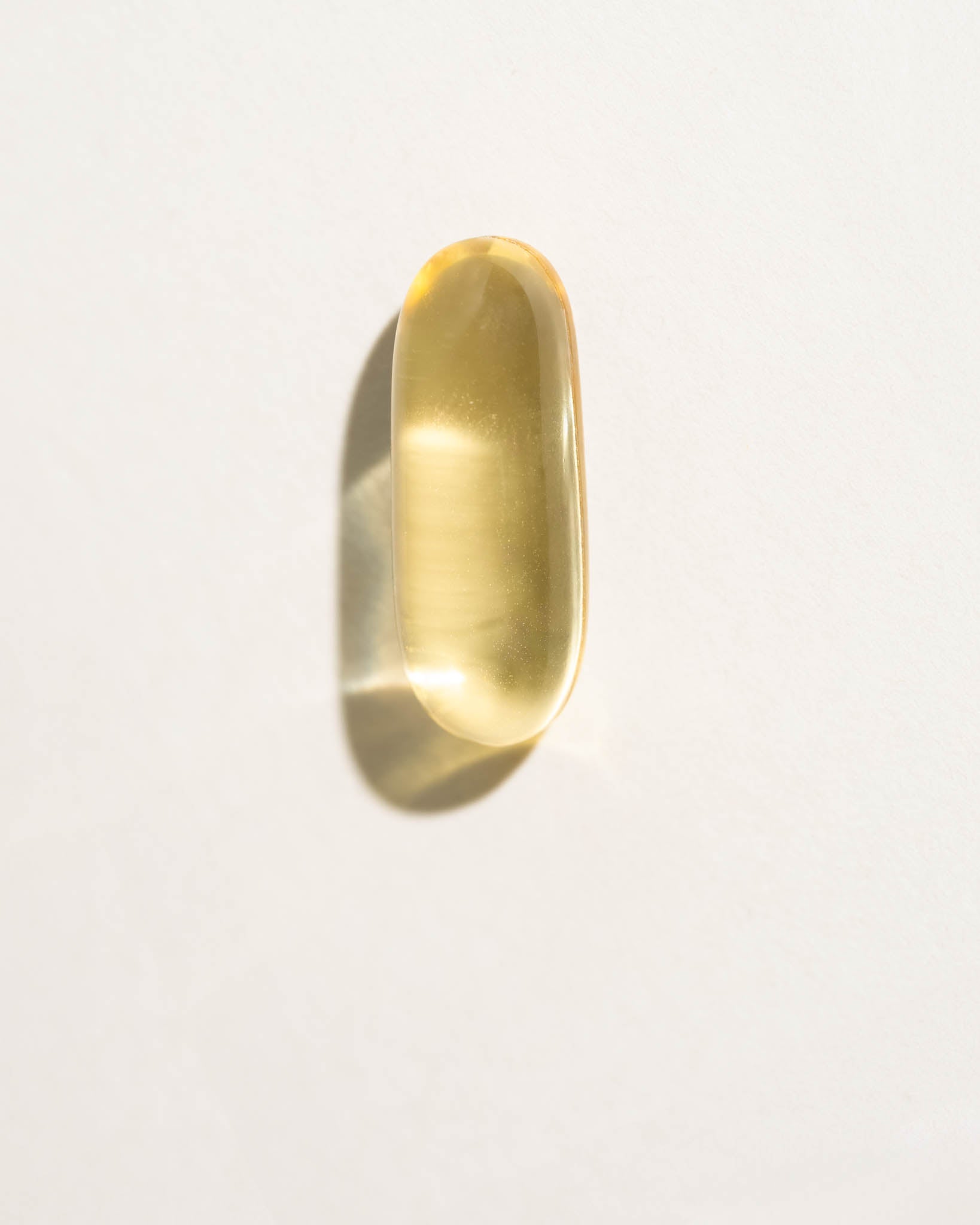
High-purity DHA & EPA for real hormonal support


Hormone balance + essential fatty acids

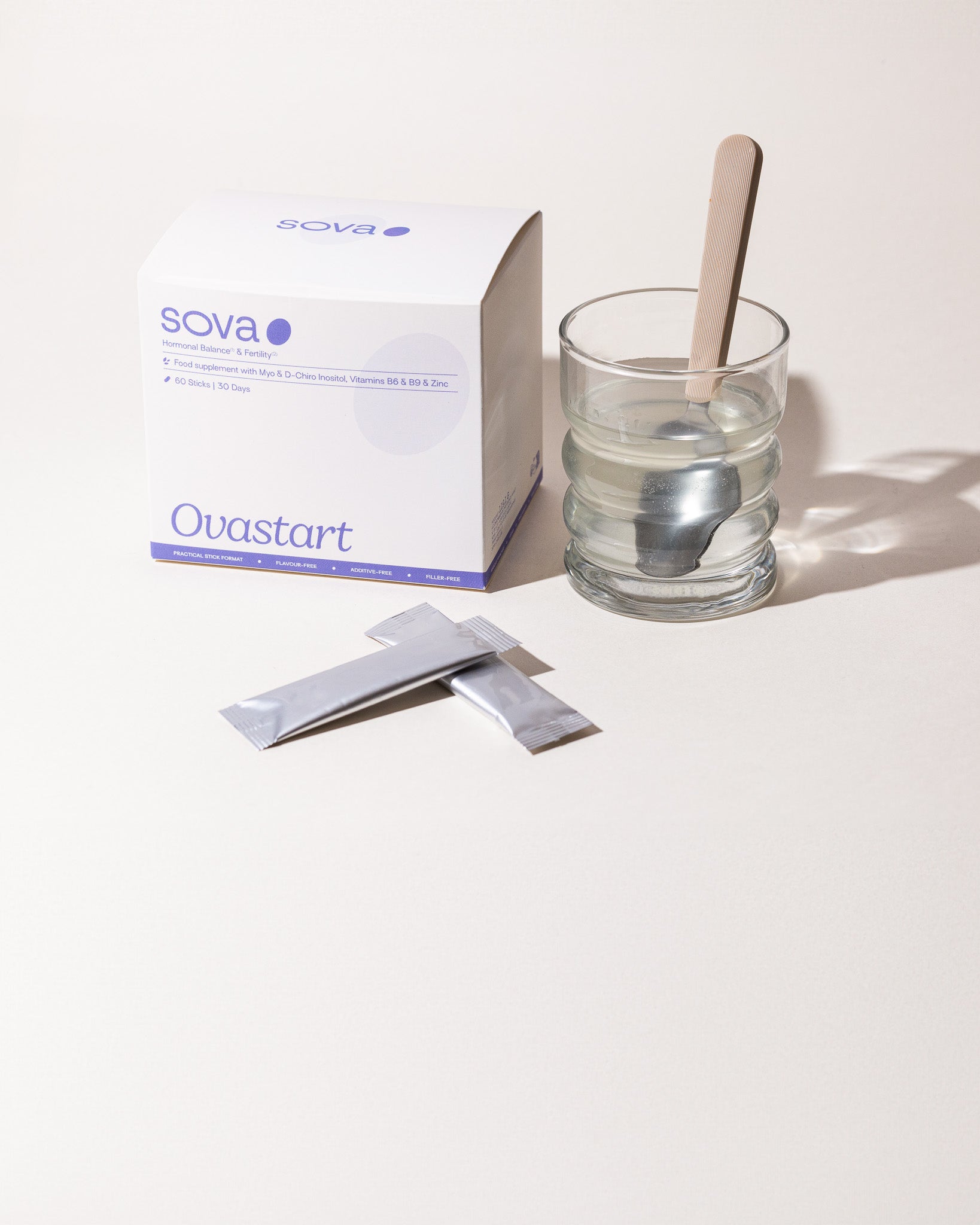
Inositol Powder Supplement for PCOS
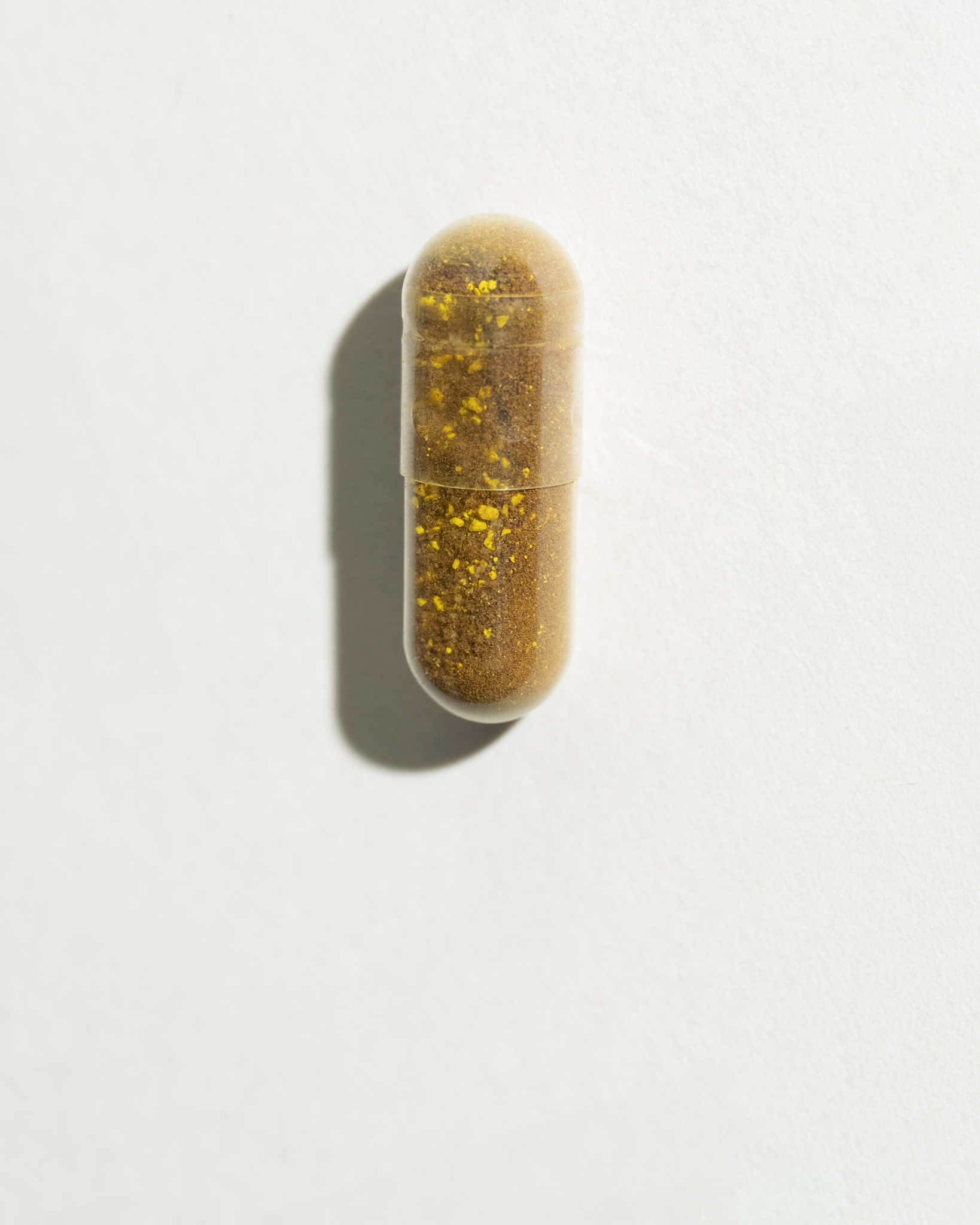
Berberine Supplement UK - Blood Sugar, Insulin & Metabolic Support for Women with PCOS
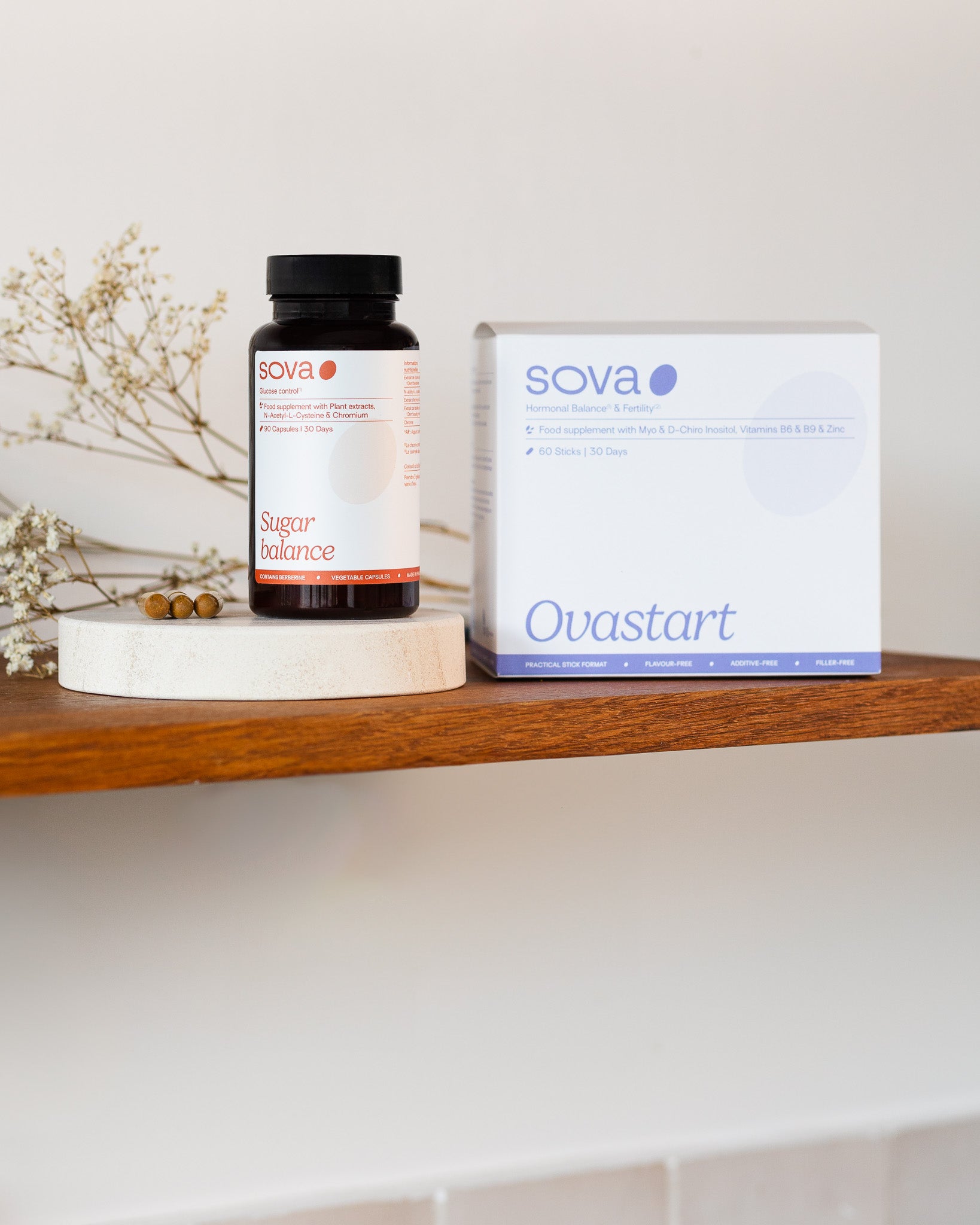
The Hormone Balance Supplements Built for PCOS - Two Products, One Complete System