




The Balance Bundle
The Hormone Balance Supplements Built for PCOS - Two Products, One Complete System
From £53
Table of contents
📌 In summary: Managing PCOS through lunch starts with the "Fibre-First" rule. Eating your vegetables before your carbohydrates is one of the simplest ways to blunt a blood sugar spike. These 15 recipes - covering No-Cook, Meal-Prep, and Anti-Inflammatory options - are designed to stabilise your blood sugar and support your energy all afternoon. The golden rule: never eat carbs alone. Always pair them with protein or a healthy fat.
You've had a reasonably good morning. You're managing your PCOS, staying on top of things - and then 3 pm hits like a wall. Brain fog. Cravings. A fatigue you can't quite explain. If that cycle feels familiar, your lunch might be part of the picture.
For women with PCOS, lunch is far more than just a midday meal. It's a hormonal turning point - the meal that can either send your blood sugar on a rollercoaster or keep you steady, clear-headed, and energised all afternoon. Understanding why that 3 pm crash happens is the first step to stopping it.
👉 To go deeper on the connection between blood sugar and PCOS, read our article on insulin resistance and PCOS.
In this article, we've put together 15 PCOS-friendly lunch recipes that work with your hormones, not against them - organised by lifestyle, backed by research, and genuinely delicious. Whether you're cooking for five minutes or batch-prepping on a Sunday, there's something here for you.
Why Lunch is the Most Critical Meal for PCOS Management
When you have PCOS, insulin resistance is often part of the picture. According to the 2023 International Evidence-based Guideline for the Assessment and Management of Polycystic Ovary Syndrome, up to 70% of women with PCOS have some degree of insulin resistance - meaning their cells don't respond as efficiently to insulin (1). After a high-carbohydrate lunch, blood glucose spikes rapidly, prompting your pancreas to flood your system with insulin. That crash that follows? That's your hormones talking.
High insulin levels are directly linked to increased androgen production - the so-called "male" hormones that drive many PCOS symptoms like acne, hair thinning, and irregular cycles. A blood sugar spike at lunchtime can trigger a cascade that affects your mood, your skin, and your cycle (1, 2).
Think of food as hormone medicine. A well-structured, fibre-rich, protein-first lunch is one of the most accessible tools available - and it doesn't require calorie counting, restriction, or complicated recipes.

The Ideal PCOS Lunch Formula (The 25/25/50 Rule)
You don't need to follow a strict plan to eat well with PCOS. But having a simple framework makes it much easier to build meals that actually work for your body. Here's the plate structure that nutritional research supports for managing insulin sensitivity (2):
- 50% Non-Starchy Vegetables: leafy greens, broccoli, courgette, cucumber, peppers, spinach. These are high in fibre, which slows the release of sugar into your blood.
- 25% Lean Protein: salmon, chicken, eggs, tofu, lentils, chickpeas, Greek yoghurt. Protein blunts insulin spikes and supports satiety.
- 25% Complex Carbohydrates: quinoa, brown rice, sweet potato, lentils, sourdough, oats. These release energy slowly - no spike, no crash.
The Fibre-First Rule: Try supporting your body by eating the vegetables on your plate before the carbohydrates. Research shows that this simple order significantly blunts the post-meal glucose spike - a biochemical principle gaining broad recognition in nutritional science. The viscous fibre forms a gel-like barrier in the gut, slowing carbohydrate absorption and reducing the insulin demand that follows (2).
A great tip is to always dress your carbs with protein or fat - never eat carbohydrates alone. A piece of fruit, a plain rice cake, or a handful of crackers on their own can hit the bloodstream quickly. Pairing them first changes the whole response.
| Standard Lunch | PCOS-Supportive Upgrade | Why It Helps |
|---|---|---|
| White bread ham sandwich | Seeded rye with turkey & avocado | Lowers glycaemic load |
| Pasta salad with shop-bought dressing | Quinoa salad with olive oil & lemon | Removes hidden sugars, adds fibre |
| Ready meal or meal deal | Tuna bento with veg sticks & hummus | Reduces ultra-processed ingredients |
| Jacket potato with baked beans | Sweet potato with cottage cheese & spinach | Slower glucose release, more protein |
| Sushi roll (white rice) | Salmon sashimi with edamame & miso soup | Dramatically lower glycaemic index |
15 PCOS-Friendly Lunch Recipes (Categorised)
We've organised these into three groups based on how much time and energy you have - because living with PCOS means some days are easier than others, and that's completely okay.
Category 1 - 10-Minute "No-Cook" Lunches
For busy days, office lunches, or when brain fog has other plans. These take minimal effort and zero cooking.
1. Classic Tuna Bento Box
Tinned tuna in spring water + cherry tomatoes + cucumber + edamame + a handful of mixed leaves + a drizzle of olive oil and lemon. Pack in a bento box and you're done.
Hormone Highlight: Tuna provides selenium, a mineral that supports thyroid function - often disrupted in PCOS.
2. Turkey & Avocado Rye Wrap
Sliced turkey breast + half an avocado + wholegrain mustard + spinach leaves, rolled in a rye or seeded wrap.
Hormone Highlight: Avocado provides monounsaturated fats that support progesterone production and help reduce inflammation.
3. Mediterranean Mezze Plate
Hummus + cucumber + carrot sticks + olives + feta cubes + a boiled egg + a small portion of whole grain pitta.
Hormone Highlight: Extra virgin olive oil contains oleocanthal, a natural anti-inflammatory compound associated with improved hormonal balance in women with PCOS (3).
4. Smoked Salmon & Cream Cheese Crispbreads
Ryvita-style crispbreads topped with full-fat cream cheese, smoked salmon, capers, and sliced cucumber.
Hormone Highlight: Salmon is one of the richest dietary sources of omega-3 fatty acids. These work to lower androgens indirectly - by improving insulin sensitivity and increasing SHBG (Sex Hormone Binding Globulin) levels, which reduces the amount of free testosterone circulating in the blood (3).
5. Greek Yoghurt Protein Pot
Full-fat Greek yoghurt + a handful of walnuts + mixed seeds + a tablespoon of nut butter + a few berries (a naturally low-GI fruit option).
Hormone Highlight: Greek yoghurt provides calcium and probiotics that support gut health - closely linked to hormonal balance and oestrogen metabolism.
Category 2 - High-Protein Meal Prep Classics
Try preparing these on a Sunday and eating well all week. All of these keep in the fridge for 3-4 days.
6. Turkey & Black Bean Chilli
Brown turkey mince with black beans, chopped tomatoes, cumin, paprika, garlic, and a bag of spinach stirred through at the end. Serve with a small portion of brown rice. Spinach is also an excellent source of magnesium - and as research shows, women with PCOS may benefit greatly from supporting their magnesium levels.
Hormone Highlight: Studies show that women with PCOS are up to 19 times more likely to have a magnesium deficiency compared to women without the condition (5). Black beans and spinach are two of the most magnesium-dense foods you can add to your plate.
7. Quinoa Power Jars
Layer cooked quinoa, roasted chickpeas, shredded kale, sliced beetroot, and pumpkin seeds. Top with a tahini-lemon dressing. Stores well for 4 days.
Hormone Highlight: Quinoa is a complete protein and one of the few grains containing all essential amino acids - important for hormone synthesis and sustained energy.
8. Egg & Veggie Muffin Cups
Whisk 6 eggs with diced peppers, spinach, cherry tomatoes, and feta. Pour into a muffin tin and bake at 180°C for 20 minutes. Makes 12 - ideal to grab on the go.
Hormone Highlight: Eggs provide choline, a nutrient vital for liver health, which plays a key role in clearing excess oestrogen from the body.
9. Lentil & Roasted Veg Salad
Puy lentils tossed with roasted courgette, red pepper, and red onion. Dress with cumin, olive oil, and apple cider vinegar. Crumble feta over to serve.
Hormone Highlight: Lentils have one of the lowest glycaemic indices of all carbohydrates, making them a wonderful choice for blood sugar balance in PCOS.
10. Chicken & Sweet Potato Meal Prep Bowls
Grilled chicken breast + roasted sweet potato cubes + steamed broccoli + a tahini drizzle. Season with turmeric, garlic, and black pepper.
Hormone Highlight: Turmeric contains curcumin, which research suggests may help reduce chronic low-grade inflammation - a common driver of PCOS symptoms (3).

Category 3 - Warm Anti-Inflammatory Bowls
Warm, nourishing, and rich in anti-inflammatory ingredients. These are especially supportive if you notice bloating, skin flares, or low energy after eating.
11. Turmeric Cauliflower Rice Bowl
Cauliflower rice stir-fried with turmeric, garlic, and ginger + topped with a fried egg + sliced avocado + a sprinkle of sesame seeds.
Hormone Highlight: Cauliflower belongs to the cruciferous vegetable family, known to support oestrogen detoxification via the liver.
12. Red Lentil Dahl
Red lentils simmered with coconut milk, cumin, coriander, turmeric, and a handful of spinach. Serve with one small portion of brown rice or whole grain pitta.
Hormone Highlight: Coconut milk provides medium-chain triglycerides (MCTs) for sustained energy that avoids a blood sugar spike.
13. Miso Salmon Bowl
Baked salmon fillet glazed with white miso and ginger + served over brown rice + sautéed bok choy + edamame.
Hormone Highlight: Salmon's omega-3 fatty acids support hormonal balance by improving insulin sensitivity and raising SHBG levels - which naturally lowers the amount of free testosterone in the blood, helping to ease symptoms like acne and excess hair growth (3).

14. Chickpea & Spinach Soup
Blended chickpea and spinach soup with garlic, lemon, olive oil, and a pinch of chilli flakes. Filling, fast, and fibre-rich.
Hormone Highlight: Chickpeas contain inositol, a compound that plays a direct role in insulin signalling - particularly relevant for PCOS management. If you'd like to explore whether targeted nutritional support could help bridge any gaps, our article on PCOS dietary supplements is a good place to start.
15. Ginger Tofu Stir-Fry
Firm tofu cubes pan-fried until golden + stir-fried with broccoli, snap peas, and baby corn + tossed in a tamari, ginger, and sesame sauce. Serve over cauliflower rice or a small portion of brown rice.
Hormone Highlight: Tofu is rich in plant-based protein and phytoestrogens, which may help support oestrogen balance in PCOS.
3 Key Focus Areas to Support Your Hormonal Balance
Even with the best intentions, certain lunch patterns can make hormonal balance harder to achieve. Here are three areas worth exploring - gently, and at your own pace.
Focus Area 1 - Building a More Balanced Salad
A generous bowl of leaves is a wonderful base, but on its own it may not provide enough staying power. We suggest aiming for at least 25-30g of protein in your salad - roughly a tin of tuna, two eggs, or 150g of chicken - alongside a generous source of healthy fat (avocado, olive oil dressing, seeds). The goal is a meal that genuinely nourishes you and keeps you steady through the afternoon.
Focus Area 2 - Checking for Hidden Sugars
Shop-bought dressings, teriyaki sauces, flavoured yoghurts, and some convenient snack products can contain significant amounts of added sugar. For women with PCOS and insulin resistance, these can add up across a day. A great tip is to glance at the label - anything with more than 5g of sugar per 100g is worth thinking about. No food is off-limits - it's simply about making informed choices that support your blood sugar stability.
Focus Area 3 - Nourishing Yourself Through the Midday Hours
For some women, skipping lunch can push cortisol levels up - and elevated cortisol worsens insulin resistance and contributes to androgen production. If you're genuinely not hungry at lunchtime, try a lighter, protein-led option like the Greek yoghurt pot or tuna bento rather than going without. Try supporting your body with consistent nourishment throughout the day - it's one of the most powerful things you can do for your hormones (1).
👉 You can read more about supporting your hormones day-to-day in our article on easy PCOS-friendly recipes.
Meal Prep Tips: How to Stay Consistent
Consistency is everything with PCOS - not perfection. The goal isn't to eat perfectly every day; it's to make it easy enough that you eat well most of the time. Here's what actually works:
- Batch cook one protein and one grain on Sundays. A tray of roasted chicken thighs and a big pot of quinoa can become four or five completely different lunches depending on what vegetables you pair them with.
- Pre-chop your vegetables. Washed, dried, and ready-to-grab veg in the fridge removes the biggest friction point of healthy eating.
- Keep tins and pouches in your bag or desk. Tinned tuna, tinned salmon, tinned chickpeas, and individual nut butter sachets mean you're never stranded without a supportive option.
- Use the jar method. Layer dressings at the bottom, then grains, then veg, then protein. The dressing only touches the salad when you tip it out - and it stays fresh for days.
Your PCOS Lunch Grocery Essentials:
| Proteins | Vegetables & Produce | Healthy Fats | Complex Carbs |
|---|---|---|---|
| Eggs Tinned salmon Tinned tuna Sliced turkey Greek yoghurt Firm tofu Tinned chickpeas Puy / red lentils |
Spinach Broccoli Cucumber Cherry tomatoes Red peppers Courgette Mixed berries Sweet potato |
Avocados Extra virgin olive oil Mixed seeds Walnuts Almond butter Tahini Olives Full-fat feta |
Quinoa Brown rice Puy lentils Seeded rye bread Whole grain pitta Oats Cauliflower Edamame |

👉 To explore the broader picture of PCOS management, check out our guide to the best PCOS supplements in 2026 and our article on how PCOS symptoms change throughout your life.
We hope this article helps you feel equipped and inspired - not overwhelmed. You don't need to overhaul everything overnight. Pick one recipe, try it this week, and go from there. You've got this. 💜
- Insulin resistance: a condition in which the body's cells don't respond efficiently to insulin, prompting the pancreas to produce more. Common in women with PCOS - linked to weight gain, fatigue, and hormonal imbalance. = Insulin resistance: a condition in which the body's cells don't respond efficiently to insulin, prompting the pancreas to produce more. Common in women with PCOS - linked to weight gain, fatigue, and hormonal imbalance.
- Glycaemic index (GI): a scale from 0-100 that measures how quickly a food raises blood sugar. Low-GI foods (below 55) release glucose slowly. = Glycaemic index (GI): a scale from 0-100 that measures how quickly a food raises blood sugar. Low-GI foods (below 55) release glucose slowly.
- Androgen: a group of hormones including testosterone and DHEA. Elevated androgens in PCOS cause symptoms like acne, excess hair growth, and hair thinning. = Androgen: a group of hormones including testosterone and DHEA. Elevated androgens in PCOS cause symptoms like acne, excess hair growth, and hair thinning.
- Cortisol: the body's primary stress hormone. Chronically elevated cortisol worsens insulin resistance and can aggravate PCOS symptoms. = Cortisol: the body's primary stress hormone. Chronically elevated cortisol worsens insulin resistance and can aggravate PCOS symptoms.
- Omega-3 fatty acids: healthy fats found in oily fish, flaxseed, and walnuts. They have anti-inflammatory properties and support hormonal balance by improving insulin sensitivity and raising SHBG. = Omega-3 fatty acids: healthy fats found in oily fish, flaxseed, and walnuts. They have anti-inflammatory properties and support hormonal balance by improving insulin sensitivity and raising SHBG.
- Phytoestrogens: plant compounds that weakly mimic oestrogen. Found in soy, flaxseed, and legumes - generally considered safe at food quantities. = Phytoestrogens: plant compounds that weakly mimic oestrogen. Found in soy, flaxseed, and legumes - generally considered safe at food quantities.
- Inositol: a naturally occurring compound involved in insulin signalling. Found in legumes and wholegrains, and available as a supplement. = Inositol: a naturally occurring compound involved in insulin signalling. Found in legumes and wholegrains, and available as a supplement.
- Fibre-First Rule: the practice of eating vegetables and fibre-rich foods before carbohydrates at a meal, to reduce the post-meal glucose spike. = Fibre-First Rule: the practice of eating vegetables and fibre-rich foods before carbohydrates at a meal, to reduce the post-meal glucose spike.
- Non-starchy vegetables: vegetables low in carbohydrates and high in fibre - such as leafy greens, broccoli, courgette, and cucumber. = Non-starchy vegetables: vegetables low in carbohydrates and high in fibre - such as leafy greens, broccoli, courgette, and cucumber.
Scientific References
Over 50,000 women have already adopted our routines, rating us an excellent 4.7/5 average (from 3,300+ reviews). Our supplements are formulated in French laboratories using clean, carefully sourced ingredients, with a maximum of patented active ingredients proven for their effectiveness.
- Founded by women with PCOS, we understand the reality of hormonal disorders.
- Clinically studied: High-quality ingredients, including patented forms like Quatrefolic® and an optimal Myo-/D-Chiro Inositol ratio.
- Holistic support: Formulated for hormonal balance, metabolic health, inflammation, mood, and cycle regulation.
- Science-led formulas: Transparent ingredients with absolutely no unnecessary additives.

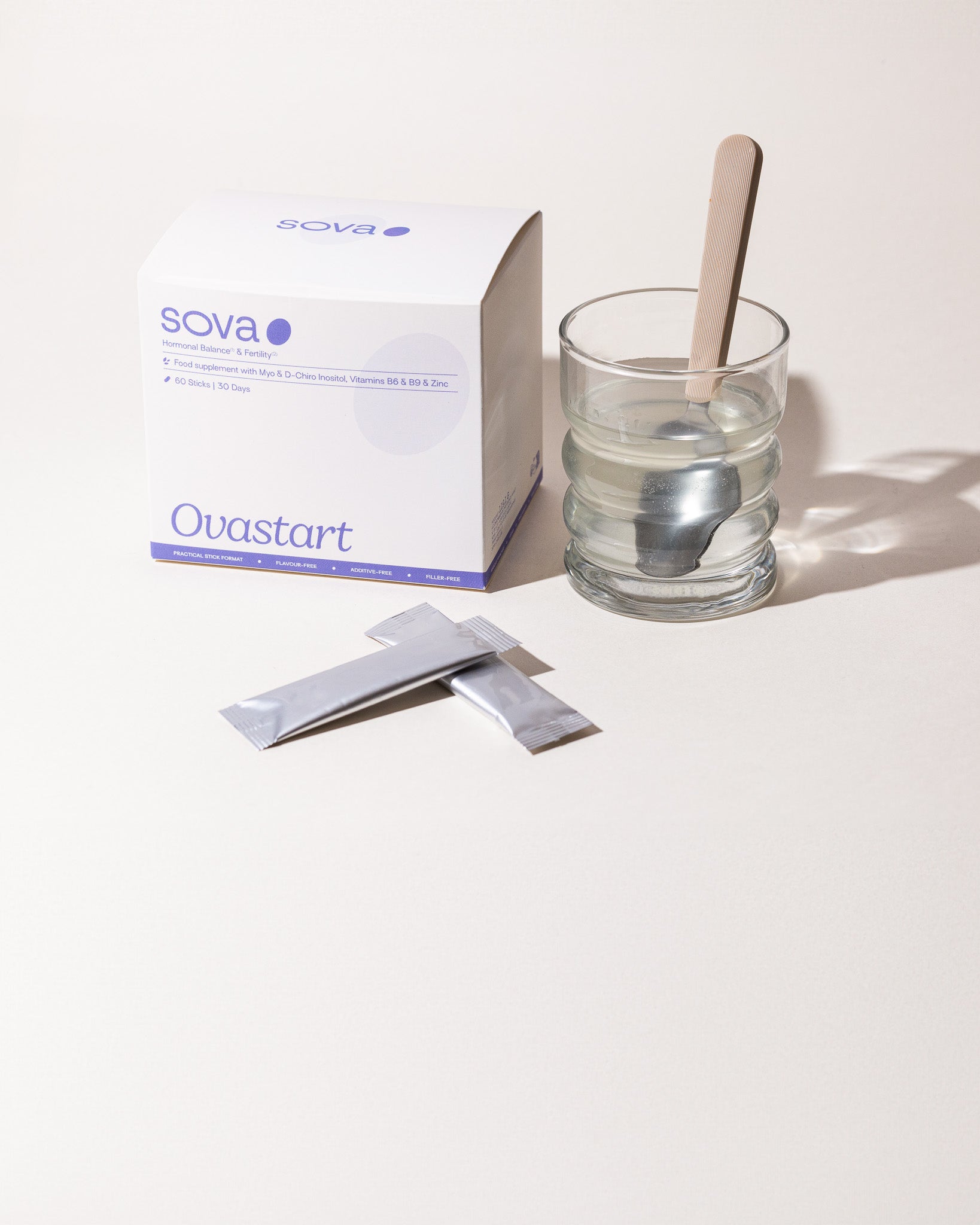



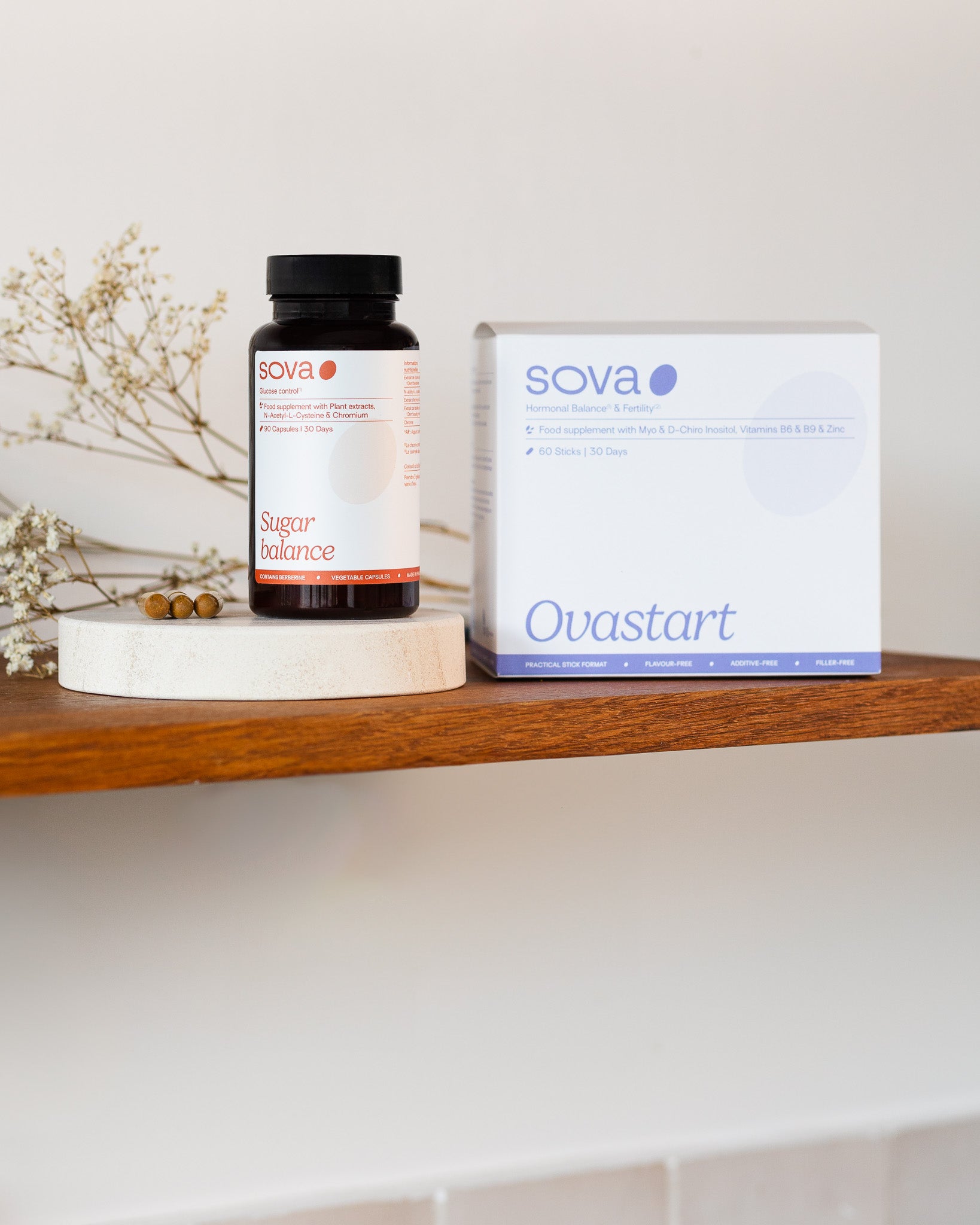
The Hormone Balance Supplements Built for PCOS - Two Products, One Complete System