




Sugar Balance
Berberine Supplement UK - Blood Sugar, Insulin & Metabolic Support for Women with PCOS
From £26

The Balance Bundle
The Hormone Balance Supplements Built for PCOS - Two Products, One Complete System
From £53
Table of contents
- 01. Is Your Fatigue “Normal” - or Is It PCOS?
- 02. The 4 Hidden Thieves: Why PCOS Drains Your Battery
- 03. The Fifth Factor: When Mental Health Amplifies Fatigue
- 04. The PCOS Energy Protocol: 5 Science-Backed Strategies
- 05. Beyond the Basics: Sleep, Hashimoto’s, and Hidden Contributors
- 06. Frequently Asked Questions
- 07. A Final Word
You slept eight hours. You didn’t skip breakfast. Nothing particularly demanding is on your schedule today. And yet, by mid-morning, you feel like you’re moving through concrete. Your limbs are heavy, your mind is foggy, and the idea of making it to the end of the day feels genuinely daunting.
If this sounds familiar - and if you live with PCOS - this is not laziness. It is not a lack of willpower. It is a biological reality rooted in a cascade of hormonal and metabolic imbalances that drain your cells from the inside out.
This article explains exactly why PCOS causes this kind of profound, unyielding tiredness, and what you can do about it.
|
Support your hormones with the right products Sova is here to support you through your feminine moments and help you live better with PCOS, thanks to natural and tailored solutions. Find the right supplement for you. |
Is Your Fatigue “Normal” - or Is It PCOS?
Most people feel tired sometimes. PCOS fatigue is different. It does not improve reliably with rest. It does not fully lift after a good night’s sleep. And it tends to show up in specific, recognisable patterns.
The table below can help you spot the difference:
|
Symptom |
Ordinary Tiredness |
PCOS Fatigue |
|
Morning energy |
Improves after waking up |
Heavy and groggy even after 8+ hours of sleep |
|
After meals |
Satisfied and stable |
Sudden crash, strong urge to lie down |
|
Recovery after rest |
Noticeable improvement |
Rest helps little; tiredness returns quickly |
|
Overall pattern |
Linked to a cause (late night, illness) |
Persistent, with no obvious external reason |
Key point: PCOS fatigue is not just tiredness. It is the result of your body struggling, at the cellular level, to convert fuel into energy efficiently. Rest alone cannot address the underlying metabolic imbalance - but that imbalance can be supported and improved.
The 4 Hidden Thieves: Why PCOS Drains Your Battery
Several biological mechanisms work against your energy levels when you have PCOS. Think of them as four silent thieves quietly depleting your vitality every day.
Thief 1: The Insulin-Glucose Rollercoaster
Your cells run on glucose - it is their primary fuel. To get glucose from the bloodstream into your cells, your body uses insulin as a kind of key. In PCOS, this key often stops working properly. This is called insulin resistance.
What happens then? Your pancreas produces more and more insulin trying to force the door open. But glucose cannot enter your cells efficiently. They are, in effect, short on usable energy even though there is plenty of fuel in your blood. The result is profound fatigue, brain fog, and the kind of post-meal crash that makes you want to curl up immediately after eating.
Research confirms this is a core feature of the condition. A large meta-analysis of gold-standard insulin clamp studies found that women with PCOS have an intrinsic reduction in insulin sensitivity of around 27%, independent of body weight (1). In other words, even lean women with PCOS are significantly more insulin resistant than women without it.
This insulin instability also creates blood sugar swings throughout the day. After a meal high in refined carbohydrates, blood sugar spikes then crashes - each crash felt as sudden, heavy tiredness (2)

Thief 2: Chronic Low-Grade Inflammation
Inflammation is your immune system’s way of responding to a threat. In the short term, it is useful. But in PCOS, many women experience a state of chronic, low-grade inflammation that never fully switches off.
Think of it like a slow-burning internal fire your body is constantly trying to manage. Every day, energy is diverted away from your muscles and brain to fund that effort. Studies have found significantly elevated levels of inflammatory markers — including IL-6, TNF-α, and CRP — in women with PCOS, independently of their weight (3). A 2023 case-control study confirmed that chronic low-grade inflammation is an independent factor in PCOS, not a side-effect of excess weight (4).
This background inflammation contributes to fatigue, slower physical recovery, and a reduced sense of wellbeing - and it can also worsen insulin resistance, creating a feedback loop with Thief 1.
|
Emerging Science: The Gut Microbiome Connection Recent research is beginning to explore another layer of this story. Women with PCOS show characteristic alterations in gut microbiota composition, including a reduction in bacteria that produce short-chain fatty acids (SCFAs) - compounds that play a direct role in insulin sensitivity and inflammation. A 2023 systematic review and a 2024 individual-patient analysis published in eClinicalMedicine (The Lancet) both confirmed distinct gut microbial profiles in women with PCOS compared to healthy controls (5). This is a promising and rapidly developing field. While specific probiotic or dietary recommendations remain premature, a varied, fibre-rich diet is consistently supported as beneficial for both gut health and PCOS metabolism. |
Thief 3: The Cortisol and Adrenal Connection
Cortisol is your stress hormone. Produced by the adrenal glands, it plays a central role in regulating your sleep-wake cycle, blood sugar, and energy levels. In a healthy body, cortisol rises in the morning to help you wake up, then gradually falls through the day.
In PCOS, this rhythm is often disrupted. Several studies have found evidence of HPA axis hyperactivity - meaning the system governing your cortisol output is running on overdrive.
A study using hair cortisol measurements - which reflect average cortisol levels over several months - found significantly higher cortisol concentrations in women with PCOS compared to healthy controls (6). Elevated cortisol over time is associated with disrupted sleep, increased blood sugar instability, and the classic feeling of being ‘wired but tired’: exhausted, yet unable to rest properly.
This state is one of the most commonly described experiences among women with PCOS. You feel too activated to wind down at night, yet wake up still deeply fatigued.
Thief 4: Nutrient Deficiencies — Vitamin D and Iron
Vitamin D: Between 67% and 85% of women with PCOS have insufficient vitamin D levels (7). Low vitamin D is linked to worsened insulin resistance, increased inflammation, and fatigue - compounding the effects of the other three thieves.
Iron: PCOS is sometimes associated with heavy or prolonged periods. Repeated heavy periods can lead to iron depletion or anaemia over time. Iron is essential for producing haemoglobin, which carries oxygen to your cells. Without enough iron, your cells cannot produce adequate ATP - the molecule your body uses for energy - and deep, pervasive fatigue follows.
The Fifth Factor: When Mental Health Amplifies Fatigue
Fatigue in PCOS is not only physical. There is a well-documented, bidirectional relationship between PCOS and mental health that is important to name clearly.
Depression and anxiety are significantly more common in women with PCOS than in the general population. A systematic review and meta-analysis found rates of moderate-to-severe depression and anxiety between 27% and 50% in women with PCOS (8). Both conditions are themselves major causes of fatigue - and they are directly worsened by the insulin resistance and inflammation already described above, creating a reinforcing cycle.
This is not a character flaw or a sign of weakness. It is a biological feedback loop with measurable hormonal and inflammatory drivers. If you recognise signs of depression or anxiety alongside your fatigue, this deserves dedicated support - including professional mental health care, which is as valid a part of PCOS management as any supplement or dietary change.
The PCOS Energy Protocol: 5 Science-Backed Strategies
There is no single solution for PCOS fatigue. But there is a framework. Each of the following strategies targets one or more of the mechanisms described above.
1. Metabolic Pairing: The “Clothing Your Carbs” Rule
The fastest way to reduce insulin spikes and prevent energy crashes is to avoid eating carbohydrates alone. Every time you eat something starchy or sweet, pair it with a source of protein or fat. This slows glucose absorption, keeps blood sugar more stable, and reduces the post-meal energy crash.
|
Quick wins checklist ✅ • Pair fruit with a handful of nuts or full-fat yoghurt • Add protein (egg, chicken, cheese, pulses) to any pasta or rice dish • If you enjoy fruit juice, try pairing it with a small amount of protein or fat to slow sugar absorption • Start every meal with vegetables or protein before carbohydrates • If a 3pm energy crash is coming, reach for something with protein rather than a sweet snack alone |
For practical meal ideas that put these principles into action, our 22 Easy PCOS Lunch Recipes guide takes the guesswork out of hormone-balancing eating - with recipes designed to keep you full and your blood sugar stable.
2. Circadian Anchoring for Hormonal Balance
Your hormones - including cortisol, insulin, and melatonin - all follow a 24-hour biological clock called the circadian rhythm. In PCOS, this rhythm is often disrupted.
Two simple habits can help support it:
• Consistent morning light exposure. Research shows that exposure to natural light in the early morning supports the healthy regulation of your cortisol rhythm — the morning rise in cortisol that gives you energy and mental clarity (9). Aim for 10–15 minutes outside, as early as possible after waking.
• Consistent sleep and wake times. Irregular sleep timing further disrupts both cortisol and insulin sensitivity. Maintaining consistent sleep and wake times - even at weekends - is one of the most impactful and cost-free habits you can build.
3. Managing the “PCOS Period Drain” - Iron and Magnesium
If your periods are heavy or prolonged, it is worth having your iron stores checked with a healthcare provider. If iron is low, targeted supplementation can meaningfully improve energy.
Magnesium is another frequently depleted mineral in women with PCOS. It is involved in over 300 enzymatic processes, including those that produce ATP - your body’s energy currency. It also supports sleep quality and helps regulate blood sugar, making it a quiet but important contributor to day-to-day energy. Research has confirmed that low magnesium is associated with greater insulin resistance in PCOS (10).
4. The Targeted Supplement Stack: Inositol and Magnesium
Myo-inositol and D-chiro-inositol: These are two forms of a naturally occurring compound that plays a central role in insulin signalling. In women with PCOS, the conversion between these two forms is impaired, which contributes to insulin resistance.
A meta-analysis of randomised controlled trials found that myo-inositol supplementation significantly reduced fasting insulin levels and improved the HOMA-IR index — a measure of insulin resistance — in women with PCOS (11). Better insulin sensitivity means more glucose gets into your cells efficiently, which translates directly into more usable energy.
A note on CoQ10: Coenzyme Q10 is involved in cellular energy production at the mitochondrial level and is of theoretical interest in the context of PCOS fatigue. However, as of 2026, there are no randomised controlled trials specifically evaluating CoQ10 for fatigue in PCOS. Evidence for its benefits comes from other contexts such as mitochondrial disorders and cardiovascular disease. It may be something to discuss with your healthcare provider, but it should not be presented - nor should you expect it - as an established PCOS treatment.
For women dealing with fatigue linked to PCOS, a combination of myo-inositol, D-chiro-inositol, and omega-3 fatty acids can be particularly relevant. These nutrients support hormonal balance, insulin sensitivity, and inflammation - three key factors in persistent fatigue. Our Ovastart & Omega 3 bundle is designed to address these internal imbalances.

5. Movement Without Burnout: Zone 2 vs. HIIT
Exercise is one of the most powerful tools for improving insulin sensitivity and reducing PCOS fatigue. But not all movement is equal, especially when cortisol is already elevated.
Zone 2 cardio (a pace where you can still hold a conversation - brisk walking, light cycling, easy swimming) is particularly well-suited for PCOS fatigue. It improves mitochondrial function, enhances insulin sensitivity, and does not spike cortisol the way high-intensity exercise can.
High-intensity training (HIIT) can be beneficial, but if you are already deeply fatigued or experiencing the ‘wired but tired’ state from HPA axis dysregulation, it may temporarily worsen exhaustion. Start with Zone 2, include rest days, and build intensity gradually.
Beyond the Basics: Sleep, Hashimoto’s, and Hidden Contributors
If you are following the strategies above and still feel exhausted, several underlying factors are worth investigating with your doctor.
Sleep Apnea - and Sleep Quality More Broadly
Obstructive sleep apnea (OSA) is far more common in women with PCOS than in the general female population. A meta-analysis found that women with PCOS had nearly ten times the risk of developing OSA compared to women without the condition (12). Elevated androgens appear to play a direct role. If you snore, wake frequently, or feel completely unrefreshed after a full night’s sleep, discuss a sleep study with your doctor.
But poor sleep in PCOS goes beyond breathing. Research shows that women with PCOS also experience disrupted deep (slow-wave) sleep, independent of apnea (13). This stage of sleep is critical for hormonal restoration, glucose regulation, and physical recovery. Disrupted deep sleep means your body is not getting the restorative rest it needs, regardless of how many hours you spend in bed.
Hashimoto’s Thyroiditis - A Frequently Missed Comorbidity
The thyroid gland produces hormones that govern your metabolism. When the thyroid is underactive - even subtly - fatigue, weight changes, and brain fog are among the first symptoms.
This is particularly relevant for PCOS because Hashimoto’s thyroiditis, an autoimmune condition where the immune system attacks the thyroid, is significantly more common in women with PCOS than in the general population. A 2022 systematic review and meta-analysis of 20 studies encompassing 7,857 participants found that around 1 in 4 women with PCOS had Hashimoto’s thyroiditis - with prevalence ranging from 4.81% to 40.21% across different populations (14). Combined PCOS and Hashimoto’s is associated with more severe metabolic disruption and fatigue than either condition alone.
If your fatigue persists despite other interventions, ask your doctor to check TSH levels and anti-TPO antibodies - the key markers for Hashimoto’s. This is a simple blood test and is frequently overlooked in PCOS care.
|
Key Takeaways 1. PCOS fatigue is biological - it stems from insulin resistance, inflammation, cortisol dysregulation, and nutrient deficiencies, not a lack of effort 2. Pairing carbohydrates with protein or fat helps prevent blood sugar crashes and reduces energy dips 3. Consistent morning light and regular sleep timing support the cortisol rhythm that governs your energy 4. Check iron and vitamin D levels - both are frequently depleted in PCOS and both affect fatigue 5. Myo-inositol and D-chiro-inositol support insulin sensitivity at the cellular level (evidence from RCT meta-analyses) 6. Zone 2 exercise is preferable to HIIT when you are deeply fatigued or in an HPA-dysregulated state 7. If fatigue persists: investigate sleep quality (beyond just snoring), and ask for TSH + anti-TPO antibody testing to rule out Hashimoto’s thyroiditis 8. Mental health is part of PCOS fatigue — depression and anxiety are biologically linked to the same mechanisms and deserve their own support |
Frequently Asked Questions
Does PCOS cause extreme tiredness?
Yes. PCOS fatigue is one of the leading symptoms of the condition. It is driven primarily by insulin resistance, which prevents cells from efficiently converting glucose into ATP (the body’s energy molecule), leading to profound exhaustion even after adequate sleep. Chronic inflammation, cortisol dysregulation, and nutrient deficiencies compound this further (1, 3).
What are the signs of severe PCOS?
Severe PCOS typically involves frequent missed or very irregular periods, significant hair thinning or excess facial and body hair, and metabolic complications such as type 2 diabetes risk or hypertension. Chronic, debilitating fatigue - especially when accompanied by signs of depression or anxiety - is often an indicator of a high PCOS symptom burden and should be discussed with a healthcare professional.
How can I overcome PCOS tiredness?
Start by stabilising blood sugar through metabolic pairing (always eating carbohydrates alongside protein or fat). Prioritise consistent morning light exposure to support your cortisol rhythm. Have your vitamin D, iron, and thyroid markers checked. Consider myo-inositol supplementation to support insulin sensitivity. And if rest is not helping, do not hesitate to investigate sleep quality and possible Hashimoto’s thyroiditis with your doctor.
Is PCOS fatigue linked to depression?
Yes - directly. Depression and anxiety are significantly more prevalent in PCOS, affecting an estimated 27–50% of women with the condition (8). Both share underlying drivers with PCOS fatigue - particularly insulin resistance and inflammation — and they reinforce each other. Treating fatigue without addressing mental health, and vice versa, is rarely fully effective.
A Final Word
Living with PCOS fatigue is genuinely hard. It can affect your work, your relationships, and your sense of who you are. It often comes with an invisible weight of guilt - the feeling that you should be able to push through, that others manage, that it is somehow your fault.
It is not. Your exhaustion has real, measurable biological causes. And those causes can be addressed.
This does not happen overnight, and there is rarely one single solution. But with a clear understanding of what is driving your fatigue - and a holistic approach that addresses those root causes - real improvement is possible. You deserve support, not more pressure.
Scientific References
Over 50,000 women have already adopted our routines, rating us an excellent 4.7/5 average (from 3,300+ reviews). Our supplements are formulated in French laboratories using clean, carefully sourced ingredients, with a maximum of patented active ingredients proven for their effectiveness.
- Founded by women with PCOS, we understand the reality of hormonal disorders.
- Clinically studied: High-quality ingredients, including patented forms like Quatrefolic® and an optimal Myo-/D-Chiro Inositol ratio.
- Holistic support: Formulated for hormonal balance, metabolic health, inflammation, mood, and cycle regulation.
- Science-led formulas: Transparent ingredients with absolutely no unnecessary additives.


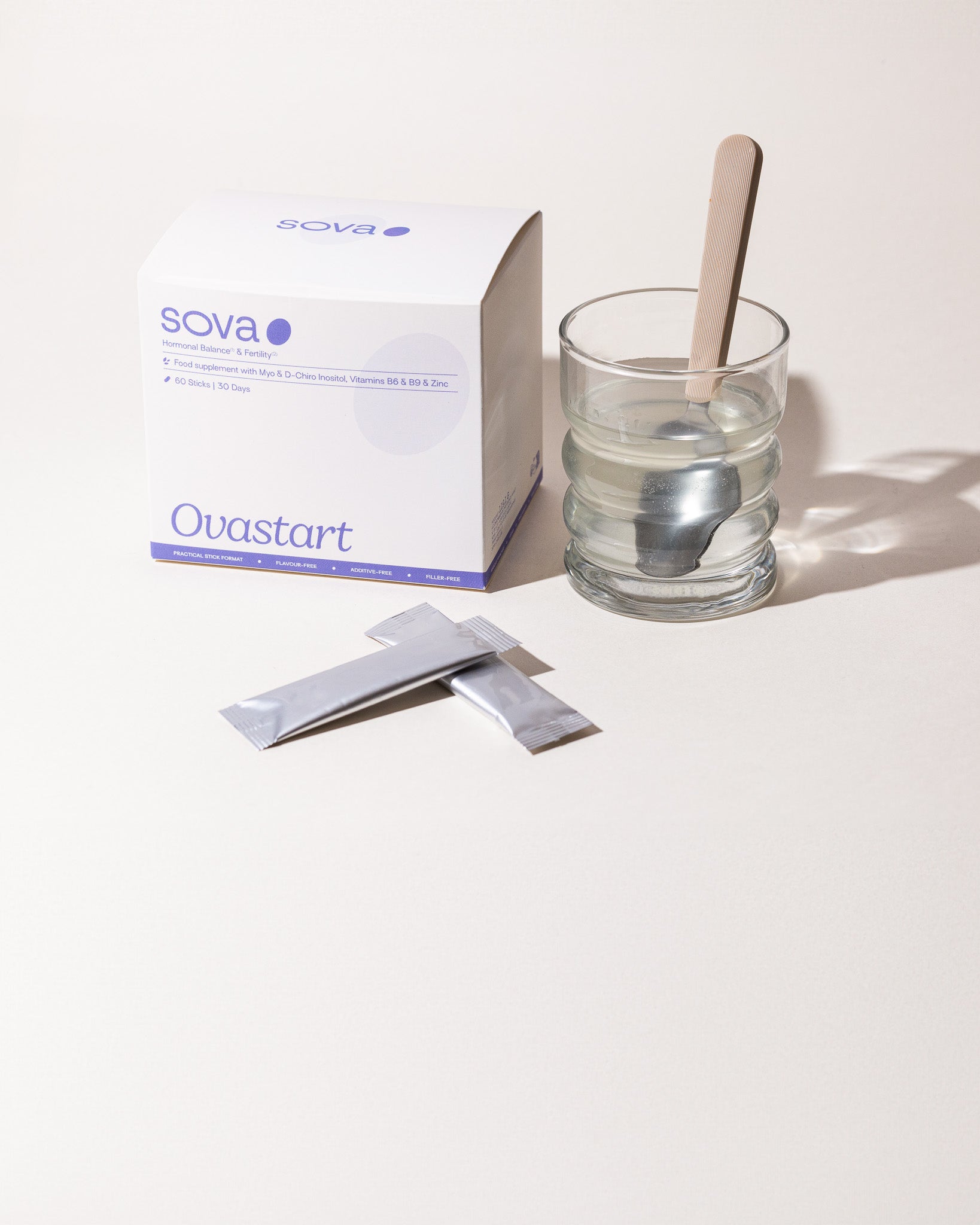
Berberine Supplement UK - Blood Sugar, Insulin & Metabolic Support for Women with PCOS
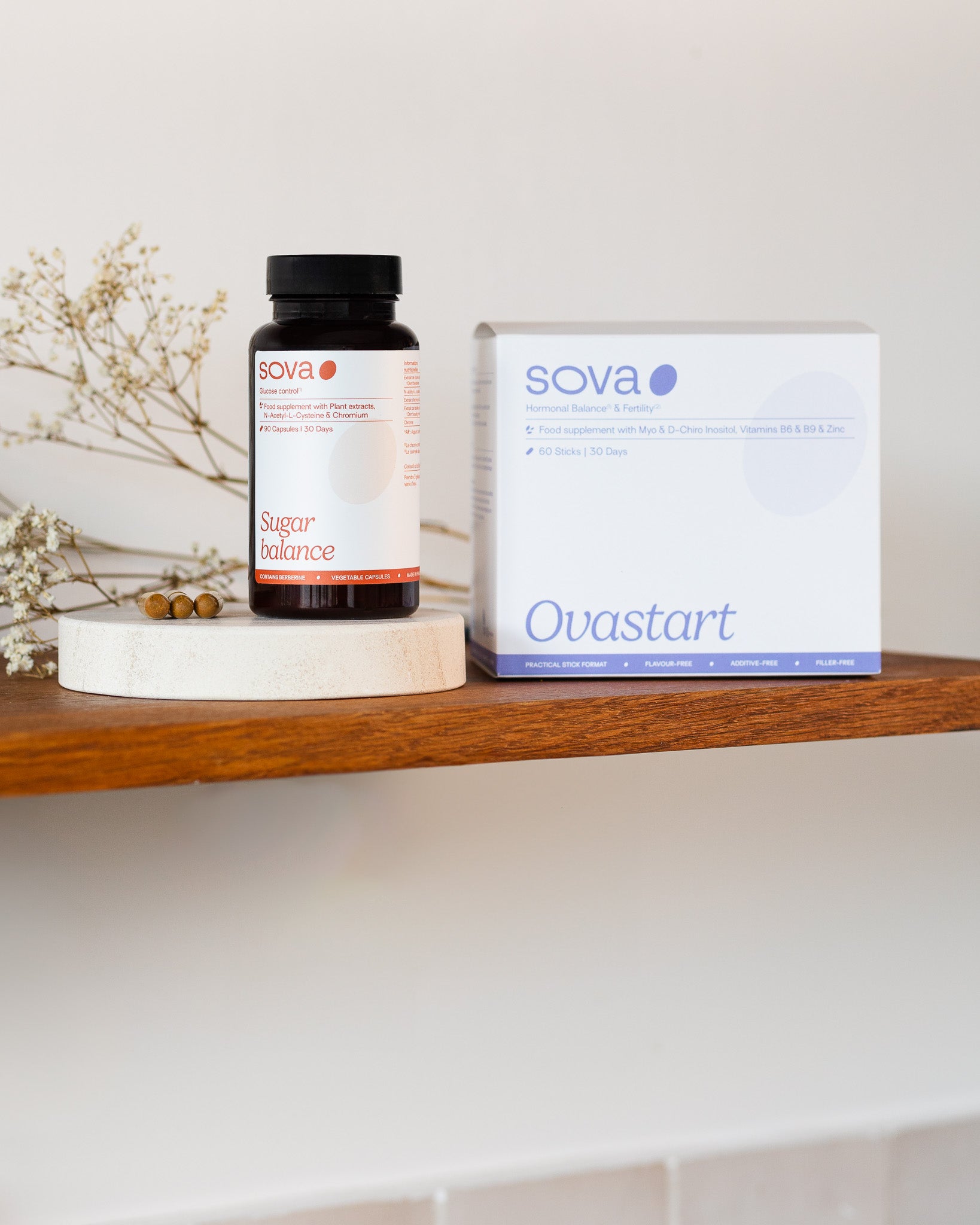
The Hormone Balance Supplements Built for PCOS - Two Products, One Complete System