


The Balance Bundle
The Hormone Balance Supplements Designed for PCOS - Two Products, One Complete System
From £53
Table of contents
- 01. The Science: Why PCOS Attacks Hair Follicles
- 02. Identifying the Pattern: What PCOS Hair Loss Actually Looks Like
- 03. Can PCOS Hair Loss Be Reversed? (The Truth About Regrowth)
- 04. The "Internal Fix": Nutrition and Lifestyle for Hair Density
- 05. Cosmetic Solutions: Navigating Thinning While You Heal
- 06. Summary Checklist: Your First 3 Steps Today
If you have noticed more hair on your pillow, in your shower drain, or collecting around your hairbrush lately, you are not alone - and you are not imagining it. For many women with PCOS, hair thinning is one of the most emotionally difficult symptoms to live with. It is visible, it feels relentless, and it strikes at confidence in a way that period irregularities or blood test results simply do not.
Here is the most important thing to understand from the outset: PCOS hair loss is hormonal. And because it has a hormonal root cause, it can be addressed. This guide will walk you through exactly why PCOS causes hair to thin, what the research says about treatment, and the practical steps you can take - starting today.
The Science: Why PCOS Attacks Hair Follicles
To understand PCOS-related hair loss, it helps to understand a little about how hair follicles work - and how androgens (male hormones) interfere with them.
Hair grows in cycles. Each follicle goes through a growth phase (anagen), a transition phase (catagen), and a resting/shedding phase (telogen). In a healthy cycle, hair spends years in the anagen phase before briefly shedding. When androgens are elevated - as they are in many women with PCOS - this process is disrupted.
The "Androgen Switch": DHT and Follicular Miniaturisation
Can your hair fall out due to PCOS? Yes. The primary mechanism is dihydrotestosterone, or DHT - a potent androgen derived from testosterone. In women with PCOS, higher circulating testosterone is converted into DHT, which then binds to receptors in susceptible scalp follicles.
Once DHT binds to a follicle, it triggers a process called miniaturisation: the follicle progressively shrinks with each cycle, producing thinner, shorter, and less pigmented hairs. Over time, it can stop producing visible hair altogether. Research confirms that women with PCOS show significantly higher levels of 5α-reductase - the enzyme responsible for converting testosterone to DHT - in scalp tissue compared to women without PCOS.
- Testosterone is converted into DHT by the enzyme 5α-reductase [1]
- DHT binds to androgen receptors in the hair follicle
- This shortens the anagen (growth) phase and lengthens the telogen (shedding) phase
- With each cycle, the follicle produces a finer, shorter hair - a process known as miniaturisation
- Eventually, the follicle becomes dormant
Is It PCOS or Telogen Effluvium? How to Tell the Difference
Not all hair loss in women with PCOS is androgenic. It is worth distinguishing between two patterns:
• Androgenic alopecia (PCOS pattern): Gradual, progressive thinning concentrated at the crown and central part line. The hairline is typically preserved. This is caused by DHT miniaturising follicles over time.
• Telogen effluvium: Diffuse shedding all over the scalp, often triggered by a shock to the system - illness, extreme stress, crash dieting, or post-pregnancy. Handfuls of hair shed at once, but it is usually temporary and reversible.
Women with PCOS can experience both - in fact, insulin resistance and chronic inflammation (both common in PCOS) are known triggers for telogen effluvium. If you notice sudden, diffuse shedding on top of long-term thinning, both mechanisms may be at play.
The Insulin Connection: Why Blood Sugar Matters for Your Scalp
Here is something that surprises many women: hair loss in PCOS is not just about androgens. Insulin resistance - present in approximately 70–80% of women with PCOS - also contributes to hair thinning through a separate pathway.
When cells become resistant to insulin, the pancreas compensates by producing more of it. High insulin stimulates the ovaries to produce more androgens, which then elevates DHT. Insulin also directly inhibits SHBG (sex hormone-binding globulin) - the protein that keeps testosterone bound and inactive. Less SHBG means more free testosterone available for conversion to DHT.
In other words, managing blood sugar is not just about metabolic health - it is directly relevant to your scalp. For practical steps on how to stabilise your blood sugar day to day, check out our guide: Cutting Out Sugar with PCOS: 7 Tips to Reduce Your Intake.
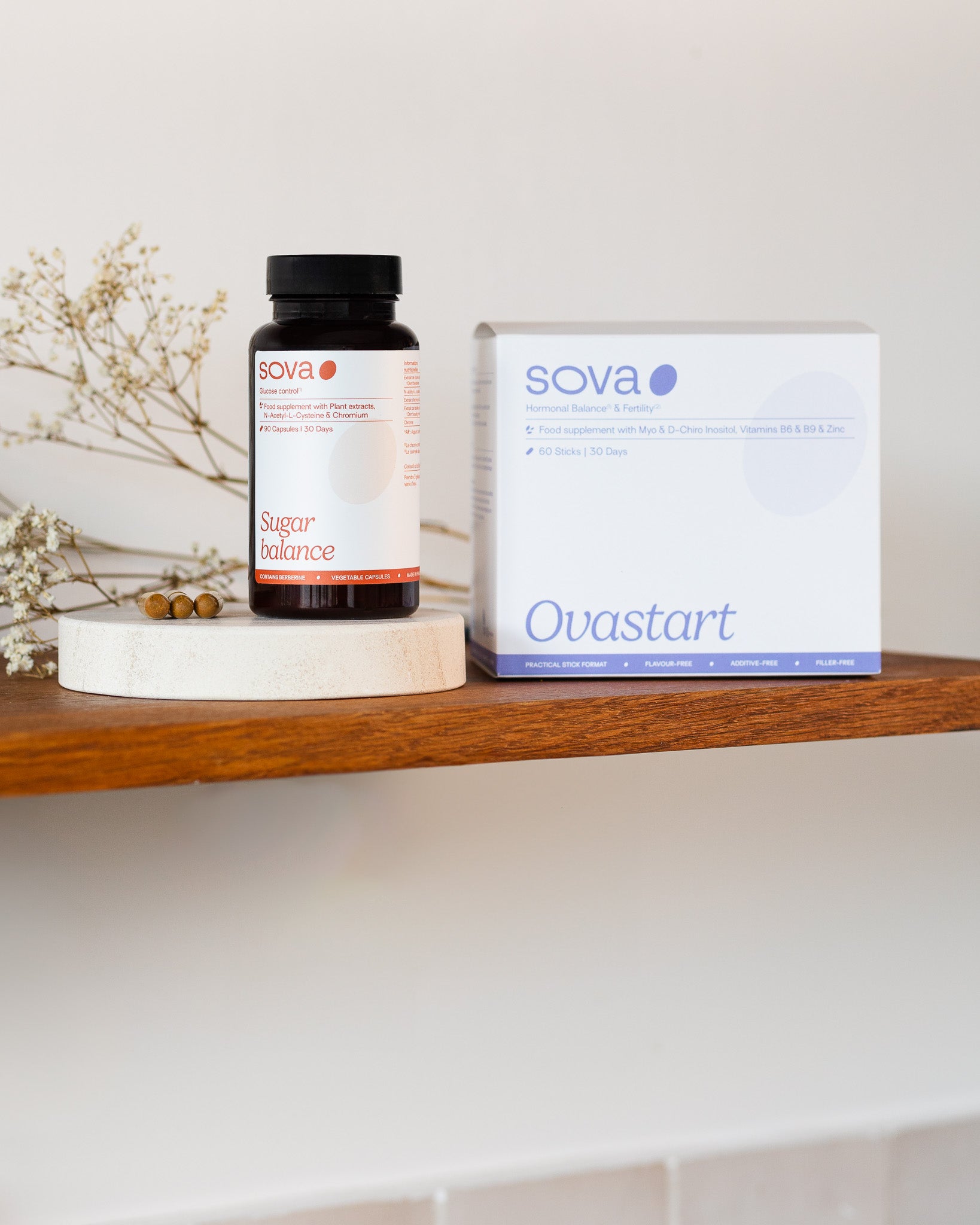
If insulin resistance is part of your PCOS picture, Sugar Balance is worth knowing about. Its formula combines Berberine, NAC, Ceylon cinnamon, Gymnema, and chromium - a multi-ingredient approach designed to support healthy blood sugar regulation and improve your body's insulin response, tackling one of the core hormonal drivers of hair thinning in PCOS.

The Thyroid Connection & Post-Pill Factors
It is also worth noting that many women with PCOS also navigate thyroid imbalances (like hypothyroidism), which can exacerbate diffuse hair thinning. Additionally, if you have recently stopped hormonal contraception, you might experience a temporary 'androgen rebound' or telogen effluvium. Want to understand exactly how birth control interacts with PCOS? Check out our guide: Birth Control & PCOS: Best Pills, What Works & What to Avoid.
Identifying the Pattern: What PCOS Hair Loss Actually Looks Like
One of the most confusing aspects of PCOS hair loss is that it does not look like the dramatic, patchy shedding many people picture. It is subtle, gradual, and therefore often dismissed - both by the woman experiencing it and, unfortunately, by clinicians who are not PCOS-specialist.
The "Widening Part" vs. Receding Hairlines
PCOS-related hair loss follows what dermatologists call a female-pattern distribution, classified on the Ludwig Scale:
• Ludwig I: A slight widening of the central part line. Volume feels reduced. Many women first notice their ponytail feels thinner.
• Ludwig II: A significantly widened part with visible scalp showing through. Crown density is clearly reduced.
• Ludwig III: Pronounced thinning over the entire top of the scalp; the hairline is still intact.
Crucially: the frontal hairline is usually spared. This is a key distinction from male-pattern baldness, where hairlines recede. If your hairline is intact but your part looks wider than it did two years ago - and you have PCOS - the cause is almost certainly androgenic.
The Hidden Signs: Seborrheic Dermatitis and Scalp Health
Elevated androgens do not just affect the follicle itself - they increase sebum production, which can create the ideal environment for seborrheic dermatitis: a condition characterised by an oily, flaky, sometimes itchy scalp. The fungus Malassezia thrives in sebum-rich environments and triggers chronic scalp inflammation.
Why does this matter for hair loss? Scalp inflammation constricts blood flow to follicles and accelerates the miniaturisation process. Treating scalp oiliness and dermatitis is therefore not merely cosmetic - it is part of the hair loss treatment protocol.
Identifying "Wispy" Regrowth vs. Continued Thinning
A positive sign that treatment is beginning to work is the appearance of new, short, fine hairs around the hairline and crown - sometimes called "baby hairs" or whispy regrowth. These are miniaturised follicles beginning to recover.
Be patient: these hairs start very fine and take 3–6 months to thicken meaningfully. Continued thinning, by contrast, is characterised by more scalp visibility and hairs that feel progressively softer and finer across the crown.
Can PCOS Hair Loss Be Reversed? (The Truth About Regrowth)
Does hair loss due to PCOS grow back? Yes - if the underlying hormonal imbalance is addressed. But it is important to be honest about timelines and expectations.
The key variable is follicle status. Miniaturised follicles that are still producing some hair - even very fine, vellus-like hairs - are responsive to treatment. Once a follicle has been dormant for many years, it is significantly harder, and often impossible, to reactivate without medical intervention.
This is why early action matters. The sooner you address the hormonal root cause, the greater the number of follicles that can be recovered.
Realistic timelines: Most evidence-based treatments (minoxidil, anti-androgens, dietary intervention) require a minimum of 3–6 months before any visible improvement and up to 12 months for the full extent of regrowth to be apparent. This is not a flaw of the treatment - it reflects the biology of the hair cycle.
What you can realistically expect with consistent treatment:
• A halt in progressive thinning (often the first milestone, achieved within 3 months)
• The appearance of new, fine regrowth at the crown and part line (3–6 months)
• Gradual thickening and darkening of those new hairs (6–12 months)
• Improved overall density, though it may not return to pre-PCOS levels if thinning has been long-standing
The Multi-Pillar Treatment Strategy
How to fix thinning hair due to PCOS? The most effective approach combines three tiers: medical intervention, hormonal regulation, and where necessary, procedural options. No single treatment works in isolation for PCOS hair loss - the best outcomes come from addressing the hormonal environment while simultaneously supporting the follicle.
Medical Interventions: Anti-Androgens and Minoxidil
Minoxidil (2% or 5% topical solution, or oral low-dose) is the only topical treatment with strong clinical evidence for female-pattern hair loss. It works by prolonging the anagen (growth) phase and increasing blood flow to the follicle. It does not address the androgenic root cause - which is why it works best alongside hormonal treatment for PCOS - but it is an effective tool for stimulating regrowth while hormonal control is being established.
Spironolactone is an anti-androgen medication that blocks DHT receptors in the follicle. Studies show it is effective at halting PCOS hair loss and, in many cases, promoting regrowth when used consistently. It requires a prescription and is not suitable during pregnancy.
Combined oral contraceptives (COC) containing anti-androgenic progestin (e.g. cyproterone acetate, drospirenone) can reduce overall androgen levels and are a first-line treatment option for many women with PCOS who do not wish to conceive.
Natural DHT Blockers: The Role of Saw Palmetto and Spearmint Tea
Saw palmetto is a plant extract that inhibits 5α-reductase, the enzyme that converts testosterone to DHT. While the evidence is less robust than for pharmaceutical options, a randomised trial found that saw palmetto extract produced a modest but statistically significant improvement in hair density in women with androgenic alopecia.
Spearmint tea has received growing research attention for its anti-androgenic properties. A clinical study found that two cups of spearmint herbal tea per day for 30 days significantly reduced free testosterone levels in women with PCOS. While not a standalone treatment for hair loss, it can be a useful adjunct to other approaches.
These are not magic cures. But for women who prefer to start with lifestyle-based interventions, or who are using them alongside medical treatment, they represent genuinely evidence-backed options.
Scalp Microneedling: Does It Work for PCOS?
Microneedling (dermarolling) of the scalp has emerged as a promising adjunctive treatment for androgenic alopecia. A randomised controlled trial demonstrated that weekly scalp microneedling sessions combined with minoxidil produced significantly greater hair count improvement than minoxidil alone.
The mechanism: micro-injuries to the scalp activate growth factors (including VEGF and Wnt signalling pathways) that stimulate follicle activity and improve topical absorption. Sessions typically involve a dermaroller with 0.5–1.5mm needles, used by a trained practitioner or at home with smaller needle sizes.
For women with PCOS, microneedling is best viewed as an amplifier - it enhances the effectiveness of other treatments rather than working in isolation.
Comparison of the main PCOS hair loss treatments:
|
Treatment |
How It Works |
Best For |
Side Effects |
|
Minoxidil |
Dilates blood vessels around the follicle, extending the growth phase and increasing follicle size. |
Stimulating regrowth, especially at the crown |
Scalp irritation, initial shedding in first weeks |
|
Spironolactone |
Blocks androgen receptors so DHT cannot bind to follicles and trigger miniaturisation. |
Stopping the hormonal shed at its root cause |
Dizziness, irregular periods, not suitable during pregnancy |
|
Spearmint Tea |
Lowers circulating free testosterone, reducing the androgenic signal reaching follicles. |
Mild hormonal imbalance; a gentle first-line option |
Minimal — occasional digestive discomfort |
|
Microneedling |
Creates micro-injuries on the scalp that trigger a healing response, boosting growth factors. |
Enhancing topical treatments and reactivating dormant follicles |
Temporary redness; mild discomfort during session |
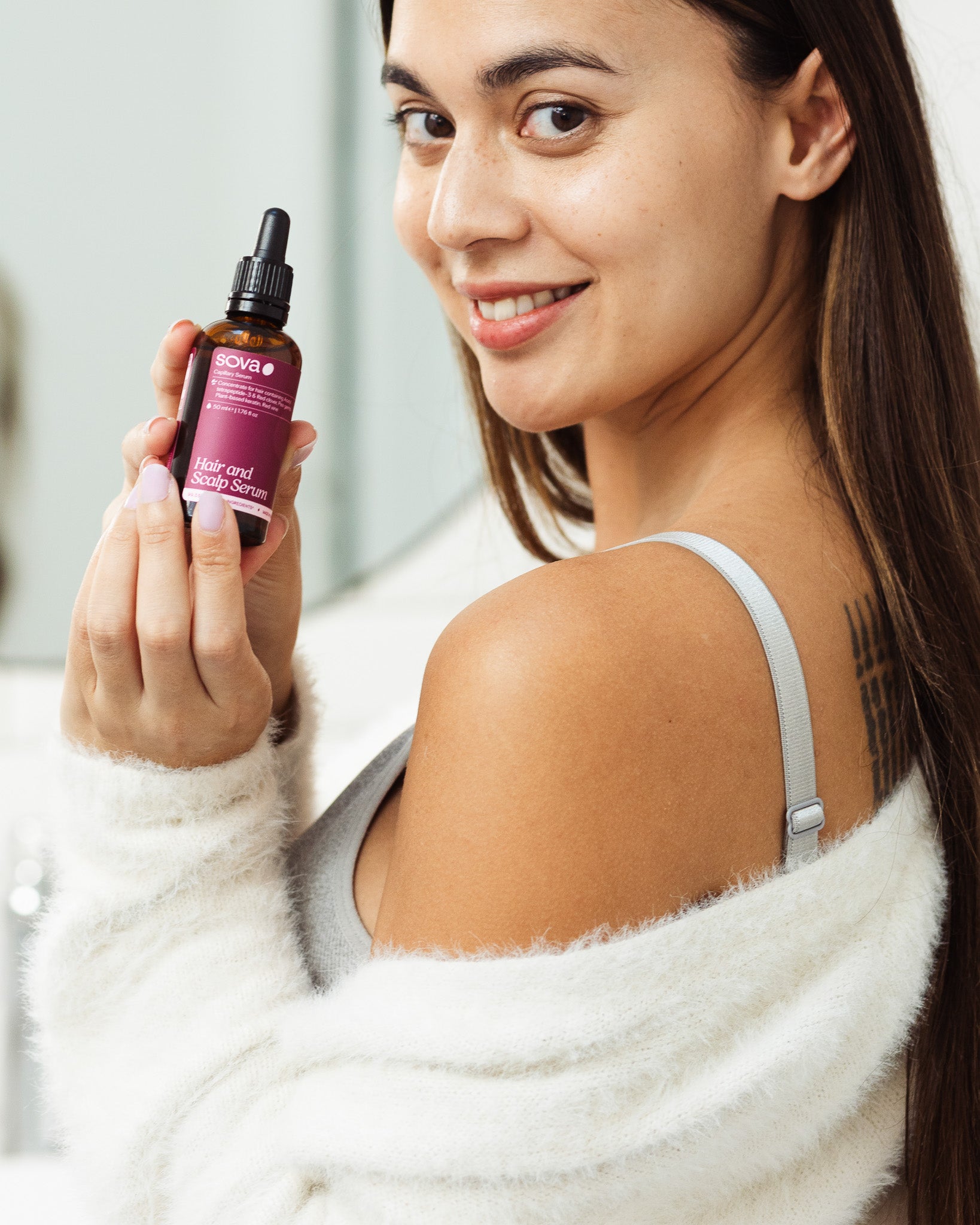
For women with PCOS, applying a targeted serum like Hair and Scalp Serum - formulated with Capixyl™ and AnaGain™ to act on 5α-reductase and strengthen roots - alongside microneedling sessions can help maximise topical absorption and support regrowth at the follicle level.

The "Internal Fix": Nutrition and Lifestyle for Hair Density
No topical treatment or medication can fully compensate for a hormonal environment that is constantly working against your follicles. The most durable results come from addressing the root cause from within - and that starts with nutrition and lifestyle.
The PCOS Hair Diet: Lowering Insulin to Lower Androgens
Because insulin resistance drives androgen excess in PCOS, a low-glycaemic diet is the single most impactful nutritional intervention for hair loss. By stabilising blood sugar, you reduce the insulin-driven signal to produce androgens, while also increasing SHBG — which keeps testosterone safely bound.
Key principles:
• Prioritise low-GI carbohydrates: whole grains, legumes, oats, sweet potato. These cause a gradual rise in blood sugar rather than a spike.
• Increase fibre: Fibre slows glucose absorption and promotes oestrogen clearance through the gut, supporting hormonal balance.
• Quality protein at each meal: Eggs, fish, poultry, legumes. Adequate protein supports keratin synthesis - the structural protein hair is made of.
• Anti-inflammatory fats: Omega-3 fatty acids (oily fish, flaxseed, walnuts) reduce the chronic low-grade inflammation that accelerates follicle miniaturisation.
• Limit ultra-processed foods and refined sugars: These cause rapid insulin spikes and promote systemic inflammation.
Key Deficiencies: Ferritin, Vitamin D, and Zinc
Three nutritional deficiencies are consistently associated with hair loss in women with PCOS - and all three are frequently overlooked:
Ferritin (stored iron): Low ferritin is one of the most common and most underdiagnosed contributors to hair loss in women of reproductive age. Hair follicles require iron for cell division and the production of keratin. Ferritin levels below 30 µg/L are associated with significant hair shedding, even in the absence of anaemia. Ask your doctor to test specifically for ferritin — it is not automatically included in a standard blood panel.
Vitamin D: Vitamin D receptors are present in hair follicles, and deficiency is strongly associated with both alopecia areata and androgenic hair loss. Women with PCOS have a higher prevalence of vitamin D deficiency than the general population. Supplementing to achieve optimal serum levels (75–150 nmol/L) is a low-risk, evidence-informed step.
Zinc: Zinc inhibits 5α-reductase activity — the same enzyme that produces DHT — and supports follicle cell proliferation. Zinc deficiency is also common in women with PCOS, particularly those on a plant-heavy diet. Food sources include pumpkin seeds, chickpeas, and lean meat.
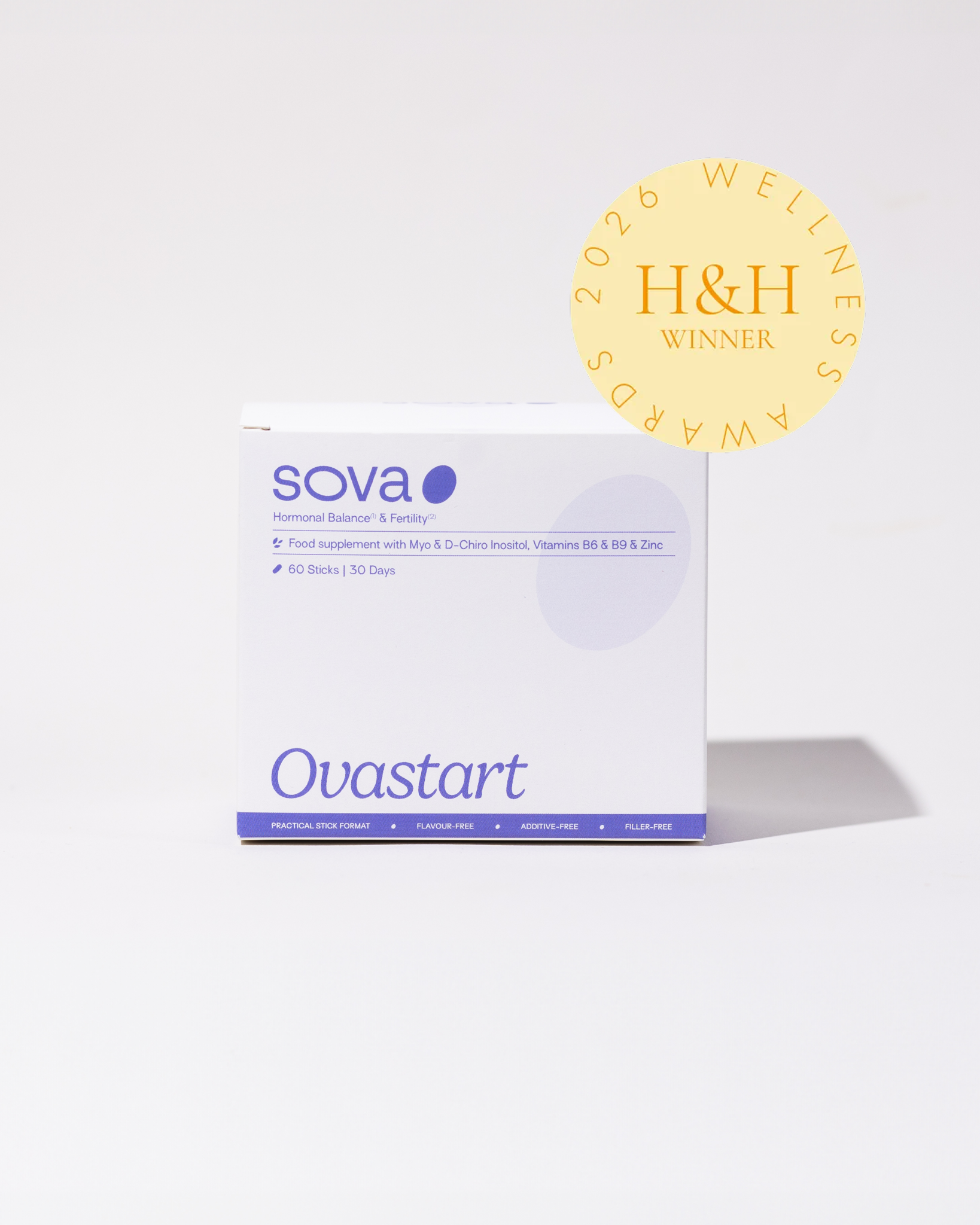
If you are looking to cover your zinc needs specifically formulated for PCOS, Ovastart is worth knowing about. Beyond its core inositol formula - which works directly on insulin resistance and androgen excess - Ovastart contains zinc bisglycinate, a highly absorbable form of zinc designed to support normal testosterone levels in the blood, healthy hair, and skin. It also provides active folate (Quatrefolic® B9) and vitamin B6, both of which play a role in reducing fatigue and supporting hormonal regulation. One powder stick a day, dissolved in water, is all it takes - no handful of capsules, no aftertaste. It is the kind of supplement that supports multiple roots of PCOS hair loss at once, rather than patching one thing at a time.
Managing the "Cortisol Spike" That Thins Hair
Chronic stress is particularly damaging for hair in women with PCOS because cortisol directly suppresses progesterone and amplifies the androgenic environment - and for some women, stress is not just a trigger but the root cause of their PCOS altogether. If that resonates, it is worth reading our guide on adrenal PCOS.
Practical stress management strategies with evidence for cortisol reduction:
• Regular moderate exercise: Walking, swimming, yoga, and cycling all lower chronic cortisol levels without spiking androgens. Avoid overtraining, which has the opposite effect.
• Sleep quality: Prioritizing your rest is one of the most supportive gifts you can give your hormones. Aiming for 7 to 9 hours of quality sleep helps lower cortisol, which in turn creates a safer environment for your hair follicles to thrive.
• Mindfulness and breathwork: Even 10 minutes of diaphragmatic breathing daily measurably reduces cortisol.
• Magnesium bisglycinate: Magnesium is depleted by stress and directly involved in cortisol regulation. Supplementation is a practical and well-tolerated option.
Cosmetic Solutions: Navigating Thinning While You Heal
There is a very real six-to-twelve month gap between starting treatment and seeing meaningful regrowth. During that time, you still have to live your life - and the way you feel about your hair affects your confidence and mental health every single day. These options are not "giving up" on treatment. They are practical, intelligent ways to bridge that gap.
Hair Toppers and Extensions: What's Safe for Fragile Follicles?
The golden rule for fragile, thinning hair: avoid anything that creates sustained tension on the follicle. Traction is a known cause of additional hair loss (traction alopecia), and it is the last thing you need when your follicles are already under androgenic stress.
• Hair toppers (clip-in pieces that sit at the crown) are an excellent option - they add volume exactly where PCOS tends to thin most. Look for lightweight options with wide-spread clips to distribute pressure.
• Tape-in or halo extensions are safer for fine hair than bonded extensions, which can cause breakage. Avoid micro-ring or tight braid extensions.
• Avoid: Tight buns, ponytails, and braids worn daily. Even elastic bands with metal clasps can cause breakage along the hairline.
Scalp Fibres and Tinted Sprays for Instant Confidence
These products have genuinely changed the day-to-day experience of hair thinning for many women:
• Scalp fibres (keratin fibres in a dispenser) attach to existing hairs via static electricity and visually thicken them. They are especially effective at disguising a widening part line and are waterproof when set.
• Tinted scalp sprays pigment the scalp itself, reducing the contrast between hair and skin that makes thinning so visible.
• Volumising dry shampoos at the roots can add immediate texture and lift, making existing hair appear denser.
A note on haircuts: a skilled stylist who understands hair loss can make an enormous difference. Layers, strategic blowdrying techniques, and slightly shorter lengths all reduce the visual impact of thinning and can make regrowth periods significantly more manageable.
Summary Checklist: Your First 3 Steps Today
You do not need to do everything at once. Start here:
Step 1 - Get the right blood tests
• Free Testosterone and DHEAS (to quantify your androgenic load)
• Ferritin (not just haemoglobin - ferritin specifically)
• Vitamin D (25-OH)
• Zinc and thyroid panel (to rule out other causes of hair loss)
• Fasting insulin and HOMA-IR (to assess insulin resistance)
Step 2 - Address your scalp health
• Switch to a gentle, sulphate-free shampoo if your scalp is oily or sensitive
• Treat seborrheic dermatitis if present (selenium sulphide or ketoconazole shampoo)
• Consider a scalp massage routine (5 min/day) to improve circulation to follicles
Step 3 - Start managing DHT and insulin
• Book a consultation with your GP or a PCOS-specialist gynaecologist to discuss anti-androgen options (spironolactone, COC)
• Shift to a low-glycaemic diet to reduce insulin-driven androgen production
• Add spearmint tea (2 cups/day) and consider saw palmetto supplementation
• Supplement any confirmed deficiencies (ferritin, vitamin D, zinc)
Hair regrowth is a slow process - but every month of consistent hormonal management means more follicles preserved, and more potential for recovery. The most important thing is to start.
Scientific References
Over 50,000 women have already adopted our routines, rating us an excellent 4.7/5 average (from 3,300+ reviews). Our supplements are formulated in French laboratories using clean, carefully sourced ingredients, with a maximum of patented active ingredients proven for their effectiveness.
- Founded by women with PCOS, we understand the reality of hormonal disorders.
- Clinically studied: High-quality ingredients, including patented forms like Quatrefolic® and an optimal Myo-/D-Chiro Inositol ratio.
- Holistic support: Formulated for hormonal balance, metabolic health, inflammation, mood, and cycle regulation.
- Science-led formulas: Transparent ingredients with absolutely no unnecessary additives.


The Hormone Balance Supplements Designed for PCOS - Two Products, One Complete System