


Table of contents
- 01. PCOS: what is it and how does it evolve?
- 02. How PCOS evolves at each stage of life
- 03. Adolescence and PCOS: early signs, diagnosis and evolution
- 04. PCOS in early adulthood (18–30): when symptoms are often most pronounced
- 05. PCOS and fertility: impact on conception and pregnancy
- 06. PCOS during pregnancy and postpartum
- 07. PCOS after 40: symptoms, metabolism and the menopausal transition
- 08. Supporting PCOS at every stage of life
- 09. Practical tips by life stage
PCOS, or Polycystic Ovary Syndrome, is a progressive hormonal condition that affects around 10–15% of women of reproductive age (1). Its evolution can impact many aspects of health, from menstrual cycles and fertility to metabolism. Understanding how PCOS changes throughout the different stages of life is essential to managing symptoms more effectively.
If you’re affected, you probably already know that PCOS is most often associated with irregular cycles that can impact fertility and that these symptoms evolve over time. Far from being “just a period problem”, PCOS actually affects multiple systems in the body. Its impact changes depending on hormonal fluctuations, lifestyle, environment and personal circumstances.
To help you live better with PCOS, this article explores its underlying causes and how symptoms can evolve throughout your life.
If you’re not yet familiar with PCOS, you’ll find some helpful background information here.
PCOS: what is it and how does it evolve?
Why diagnosis matters when monitoring PCOS over time
PCOS is a progressive syndrome, meaning it presents with a wide range of symptoms that vary from one person to another and change across life stages. This diversity of symptoms is one of the reasons PCOS can be difficult to diagnose.
The most commonly used diagnostic framework is the Rotterdam criteria, established in 2004 (2).
A PCOS diagnosis requires at least two of the following three criteria:
-
Enlarged ovaries or a polycystic appearance on ultrasound, showing multiple follicles
-
Clinical or biological hyperandrogenism (evident through symptoms such as hirsutism, acne or hair loss, or confirmed by blood tests)
-
Irregular or absent ovulation
In 2006, the Androgen Excess and PCOS Society proposed diagnostic criteria placing greater emphasis on excess androgens (male hormones). However, this is only mandatory in the United States. In Europe, diagnosis is still primarily based on the Rotterdam criteria, where hyperandrogenism is not always required.
How PCOS evolves at each stage of life
PCOS is a hormonal condition that evolves alongside the endocrine system throughout life. From the onset of menstruation to the metabolic changes of menopause, each life stage brings physiological shifts that can influence PCOS symptoms — and requires appropriate care.

Adolescence and PCOS: early signs, diagnosis and evolution
How can PCOS be identified during adolescence?
The establishment of regular menstrual cycles is often a gradual process during adolescence. Irregular cycles are common, and it can take up to 8 years after the first period for cycles to stabilise. These irregularities are often linked to the immaturity of the brain–ovary axis, which usually improves naturally over time, and can be mistaken for the chronic anovulation seen in PCOS.
It’s also common for adolescents to have ovaries with a multifollicular appearance — a normal response to increased hormonal stimulation during puberty.
Distinguishing PCOS from normal hormonal immaturity
Relying solely on these signs can lead to misdiagnosis, labelling a teenager with PCOS when their hormonal system is still developing.
When in doubt, experts recommend focusing on persistent signs of hyperandrogenism (hirsutism, hair loss, acne) or metabolic disturbances (excess weight, insulin resistance).
These menstrual and gynaecological features can overlap with symptoms typical of both adolescence and PCOS, such as acne and weight gain. Hormonal fluctuations during puberty can cause acne without it being linked to androgen excess. Additionally, increased fat accumulation related to ultra-processed diets and low physical activity during adolescence may worsen PCOS-related mechanisms such as insulin resistance, irregular cycles and hyperandrogenism (3).
For these reasons, current guidelines agree that PCOS should not be diagnosed until at least 6–8 years after menarche, unless persistent hyperandrogenism is clearly present.
PCOS in early adulthood (18–30): when symptoms are often most pronounced
Between adolescence and the years when pregnancy may be considered, PCOS symptoms can become particularly intense.
Early adulthood often comes with studies, work, stress, busy schedules and irregular eating habits — all factors that can exacerbate hormonal imbalances. This is frequently when symptoms become more problematic, presenting as acne, hirsutism, weight gain, irregular cycles, metabolic issues or fatigue.
Unlike adolescence, early diagnosis is crucial at this stage. Leaving PCOS unmanaged can allow symptoms to worsen over time, as insulin resistance (1), chronic inflammation (4) and hyperandrogenism reinforce one another. The longer these mechanisms persist, the higher the risk of metabolic, cardiovascular and hormonal complications.
Alongside medical care, adopting a supportive lifestyle — combining balanced nutrition, targeted supplementation and regular physical activity — plays a key role in symptom relief.
PCOS and fertility: impact on conception and pregnancy
How does PCOS affect conception?
Even long after adolescence, PCOS can continue to cause irregular or absent ovulation due to hyperandrogenism and insulin resistance. Ovulation-inducing treatments are sometimes prescribed, but women with PCOS and insulin resistance often respond less effectively, meaning ovulation and fertilisation are not always guaranteed.
Women with PCOS also face a higher risk of miscarriage, potentially due to low progesterone levels, reduced egg quality, or insulin resistance affecting the uterine environment and embryonic development (5).
That said, it is absolutely possible to conceive with PCOS, either naturally or with medical support (5).
If you’re wondering how to improve your chances of getting pregnant with PCOS, we’ve written an article just for you.

PCOS during pregnancy and postpartum
Pregnancy and PCOS: changes in insulin sensitivity
PCOS-related challenges don’t stop at fertility. As a hormonal and metabolic condition, PCOS can influence pregnancy and the postpartum period. Pregnancy significantly alters the hormonal landscape, and insulin sensitivity naturally decreases around the sixth month of gestation (6). If insulin resistance already exists, this can worsen PCOS-related symptoms.
As a result, the risk of gestational diabetes is higher, particularly in women with pre-existing insulin resistance or excess weight. PCOS is also associated with increased risks of hypertension and preeclampsia, both potentially dangerous for mother and baby.
We explore pregnancy-related PCOS risks and tailored solutions in this article.
Postpartum and PCOS: mood changes
After childbirth, some PCOS symptoms may improve, while others may persist or worsen. Insulin resistance or type 2 diabetes can remain. Some women experience more regular cycles, while others take longer to regain hormonal balance, particularly if breastfeeding. Studies suggest that breastfeeding may positively influence insulin sensitivity (7).
Mood disorders, including postpartum depression, may also be more common in women with PCOS due to the combined effects of insulin resistance, hyperandrogenism and the emotional challenges associated with the condition (8). Fatigue, nutrient deficiencies and sleep deprivation can further increase vulnerability during this period.
PCOS after 40: symptoms, metabolism and the menopausal transition
PCOS and perimenopause
As menopause approaches, oestrogen levels drop sharply, while androgens decline more slowly (8). In women with PCOS, this imbalance may prolong symptoms of hyperandrogenism, especially if they were present earlier in life. Some research even shows a temporary rise in DHEAS levels between late perimenopause and early menopause.
How to limit weight gain after 40
From a metabolic perspective, declining oestrogen worsens insulin resistance — a mechanism already familiar to many women with PCOS. Oestrogen plays a key role in fat distribution and insulin sensitivity, so its reduction often leads to increased abdominal fat and worsening metabolic symptoms.
Supporting PCOS at every stage of life
Lifestyle and nutrition to slow PCOS progression
PCOS is not just a hormonal condition — it is deeply influenced by lifestyle. While each life stage is different, addressing root causes alongside symptoms is essential.
Nutrition is often the first lever for improving PCOS-related wellbeing. Aim for a diet rich in fibre, healthy fats and high-quality protein, while limiting refined sugars, saturated fats and ultra-processed foods. Nutrition directly influences weight, insulin resistance, ovulation regularity, energy levels and sleep quality. If you want to learn more about nutrition, our article dedicated to the 8 diet tips for your type of PCOS might be relevant.
Regular physical activity — ideally several times per week — is equally important. Choose something you enjoy to make it sustainable. If you’re unsure where to start, this article may help.
Practical tips by life stage
Adolescence
Teenage years often come with cravings for comfort foods — and that’s okay. However, emotional distress during adolescence can sometimes affect body image and eating behaviours. Disordered eating can indirectly worsen PCOS symptoms by destabilising blood sugar, increasing stress and disrupting hormonal signals.
Hormonal fluctuations can also create a perfect storm of inflammation, excess sebum and androgen production, often leading to acne. Without pressure or guilt, returning to a varied, balanced diet and supporting the body with appropriate nutrients can help. Improving lifestyle habits during adolescence may even reduce the persistence of PCOS symptoms into adulthood.
Psychological support can also be valuable when needed.
Helpful nutrients include:
-
Inositol, a naturally occurring compound involved in insulin sensitivity and hormonal balance. Research shows benefits for blood sugar regulation (9) and ovulation (10).
-
Zinc, which supports normal skin health
-
Omega-3 fatty acids, which help maintain normal skin and reduce inflammation
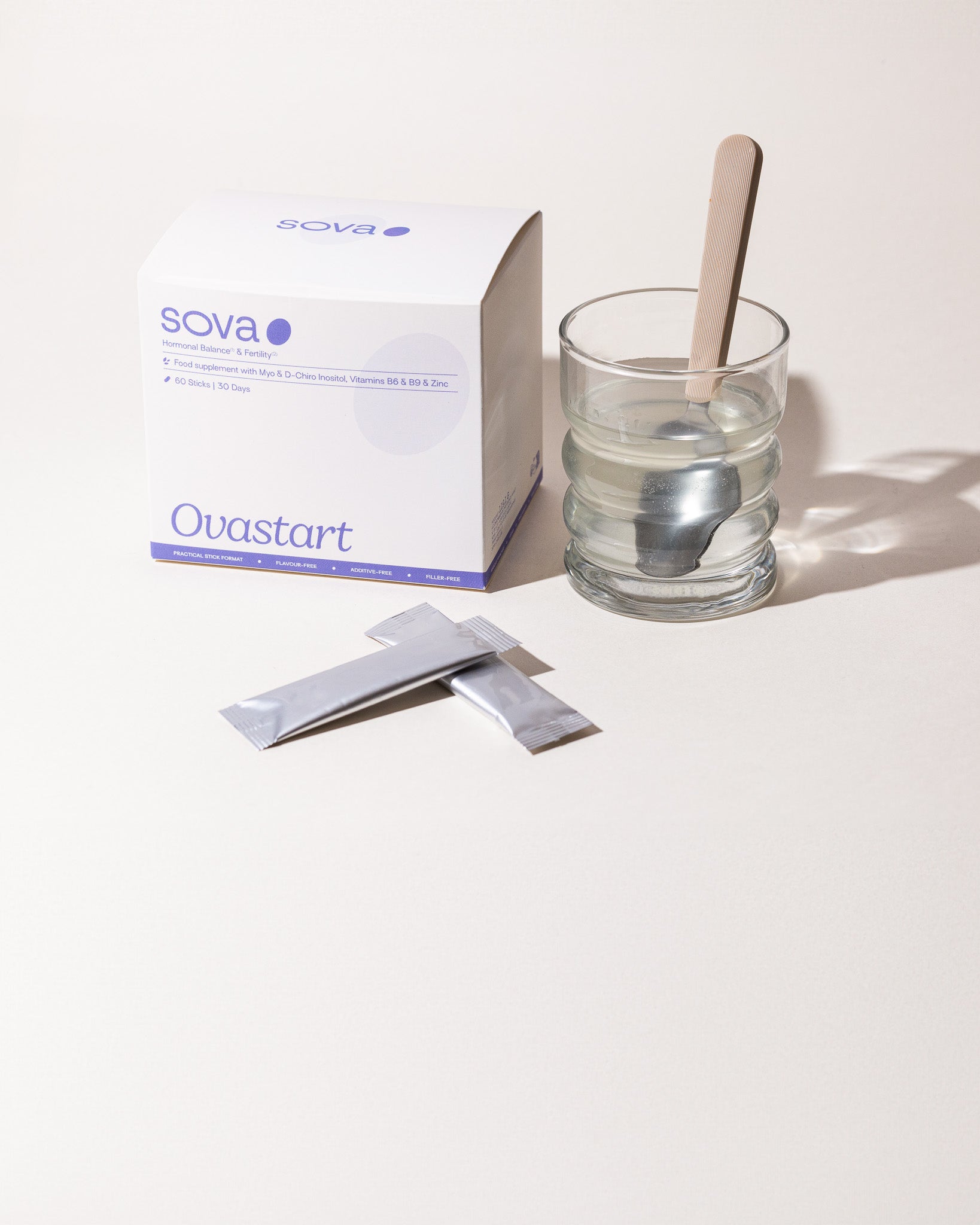
Ovastart combines myo-inositol, zinc and B vitamins — nutrients known to support hormonal balance and metabolic health.
Fertility
PCOS is often diagnosed when pregnancy takes longer than expected. While PCOS can interfere with ovulation, there are ways to support your body:
-
Reduce inflammation through diet and omega-3 supplementation
-
Support cycle regularity by managing stress, which disrupts brain–ovary communication and worsens insulin resistance
-
Magnesium can also support relaxation and stress resilience
Pregnancy
Blood sugar regulation is key during pregnancy. Focus on a low glycaemic index diet, replacing refined grains with whole, fermented or gluten-free alternatives such as buckwheat or quinoa. Gentle movement after meals, even a 15-minute walk, can significantly improve glucose control.
Perimenopause and menopause
This transition can affect blood sugar, mood and weight. In addition to glycaemic support, building muscle mass, particularly through strength training, helps counteract metabolic slowdown and menopausal symptoms.
In summary
PCOS evolves at every stage of life. By adopting a lifestyle tailored to your hormonal profile and working with a supportive medical team, you can adapt to these changes and protect your long-term health. If you’re looking for guidance on building the right care team, you’ll find our recommendations here.
- Hyperandrogenism : A state of excess androgens (male hormones) in the body. In PCOS, it can lead to symptoms such as acne, excess facial or body hair (hirsutism) and hair thinning or loss on the scalp.
- Anovulation : The absence of ovulation. In PCOS, anovulation can cause irregular or absent menstrual cycles and may affect fertility.
- Rotterdam Criteria : Diagnostic criteria used in Europe for PCOS diagnosis. PCOS is diagnosed when at least two of the following are present: irregular or absent ovulation, hyperandrogenism, or polycystic ovaries on ultrasound.
- Menarche : The first menstrual period, marking the beginning of reproductive function.
- Gestational Diabetes : A form of diabetes that develops during pregnancy due to reduced insulin sensitivity. Women with PCOS are at higher risk, particularly if insulin resistance is already present.
- Perimenopause : The transitional phase leading up to menopause, characterised by fluctuating hormone levels and changes in menstrual cycles. PCOS symptoms may shift during this period.
- Menopause : The permanent cessation of menstruation, typically occurring between the ages of 45 and 55. While reproductive symptoms of PCOS diminish, metabolic risks may persist.
- DHEAS (Dehydroepiandrosterone Sulfate) : An androgen produced mainly by the adrenal glands. Elevated levels can contribute to hyperandrogenic symptoms in PCOS, particularly during hormonal transitions.
Scientific References
Over 50,000 women have already adopted our routines, rating us an excellent 4.7/5 average (from 3,300+ reviews). Our supplements are formulated in French laboratories using clean, carefully sourced ingredients, with a maximum of patented active ingredients proven for their effectiveness.
- Founded by women with PCOS, we understand the reality of hormonal disorders.
- Clinically studied: High-quality ingredients, including patented forms like Quatrefolic® and an optimal Myo-/D-Chiro Inositol ratio.
- Holistic support: Formulated for hormonal balance, metabolic health, inflammation, mood, and cycle regulation.
- Science-led formulas: Transparent ingredients with absolutely no unnecessary additives.