




Sugar Balance
Berberine Supplement UK - Blood Sugar, Insulin & Metabolic Support for Women with PCOS
From £26

The Balance Bundle
The Hormone Balance Supplements Built for PCOS - Two Products, One Complete System
From £53
Table of contents
- 01. The Science of Synergy: What Are Myo and D-Chiro Inositol?
- 02. How These "Vitamin-Like" Compounds Support Your Cycle
- 03. Evidence-Based Benefits: What the Research Tells Us
- 04. The Balance That Matters: Physiological Proportions
- 05. Potential Side Effects and Safety Profile
- 06. How to Choose a Quality Inositol Supplement
- 07. Frequently Asked Questions
- 08. Final Thoughts: A Science-Backed Path Worth Exploring
- 09. Key Terms
If you have been living with PCOS - or simply trying to understand why your hormones feel like they have a life of their own - chances are you have come across the words myo-inositol and d-chiro-inositol. These two naturally occurring compounds have attracted growing scientific attention for their ability to support hormonal balance, menstrual regularity and insulin sensitivity. But with so much information circulating online, it can be hard to know what is actually backed by science - and what is just noise.
This guide is here to walk you through everything we know, in plain language. Whether you have just been diagnosed with PCOS, have been managing it for years, or are simply curious about what these nutrients can offer - we hope this gives you a clearer, more confident picture.
|
✨ Key Takeaways • Myo-inositol and D-chiro-inositol are naturally occurring, "vitamin-like" compounds that help your cells respond properly to insulin - a key driver of many PCOS symptoms. • Together, they work at two levels: one supports whole-body insulin sensitivity, the other works directly in the ovaries to reduce excess androgen production. • Clinical research suggests they can support more regular menstrual cycles, ovulation, lower testosterone levels, and improvements in skin and hair concerns. • They are generally well-tolerated, with most benefits becoming noticeable over a 3-month window of consistent use - though some areas, like skin, may take longer. |


The Science of Synergy: What Are Myo and D-Chiro Inositol?
Inositol is a naturally occurring substance the body produces from glucose. It belongs to the vitamin B complex family and is found in small amounts in foods like citrus fruits, beans and wholegrains. It exists in several different forms, but the two that matter most for women's hormonal health are myo-inositol (MI) and d-chiro-inositol (DCI).
Think of insulin as a key that needs to unlock a door in your cells - a door that lets glucose (energy) enter. Myo-inositol and d-chiro-inositol act as "secondary messengers" inside that system: they carry the signal from the insulin receptor deep into the cell so the door actually opens. When these messengers are in short supply or not working properly, cells stop responding well to insulin. The pancreas then produces more and more insulin to compensate - and it is this excess insulin that triggers many of the hormonal and metabolic problems seen in PCOS. If you would like to explore this mechanism in more depth, our article on Insulin Resistance & PCOS: The Link walks you through it step by step.
Each form of inositol has a distinct, complementary role:
• Myo-inositol (MI) is the most abundant form in the human body. It helps glucose get transported into cells and plays a central role in FSH (follicle-stimulating hormone) signalling — the process by which follicles mature and eggs develop. It also reduces the release of free fatty acids from fat tissue, which, when left unchecked, can worsen insulin resistance and increase triglyceride levels in the blood.
• D-chiro-inositol (DCI) acts at a different point in the insulin cascade: it promotes glycogen storage, helping cells use glucose more efficiently. Within the ovaries, DCI plays a particularly important role in reducing excess androgen production - the excess testosterone that drives so many of the symptoms women with PCOS experience.
An important finding in PCOS research is that many women with this condition appear to have a conversion defect: their bodies struggle to convert myo-inositol into d-chiro-inositol efficiently. This means that even when MI levels are adequate, DCI — especially within the ovaries - may remain insufficient, contributing to androgen excess and disrupted ovulation.[1]
|
Feature |
Myo-Inositol (MI) |
D-Chiro-Inositol (DCI) |
|
Primary role |
Supports glucose transport into cells; improves insulin signalling; regulates FSH pathways |
Manages glycogen production; reduces androgen synthesis within ovarian cells |
|
Ovarian function |
Supports FSH signalling, follicle maturation and egg quality |
Reduces excess androgen production; helps balance the ovarian hormonal environment |
|
Metabolic role |
Reduces free fatty acid release from adipose tissue, which can lower triglyceride synthesis |
Promotes glycogen storage, reducing excess glucose circulating in the bloodstream |
|
Synergistic benefit |
Together, they address both whole-body insulin resistance and the specific hormonal environment of the ovaries |
Together, they address both whole-body insulin resistance and the specific hormonal environment of the ovaries |
How These "Vitamin-Like" Compounds Support Your Cycle
When insulin sensitivity improves, a cascade of positive hormonal changes can follow - and this is where myo-inositol and d-chiro-inositol have a particularly meaningful impact.
The most direct effect is a reduction in circulating insulin. Lower insulin means the ovaries receive less stimulation to produce androgens - particularly testosterone. As testosterone levels fall, a protein called SHBG (sex hormone-binding globulin) increases. Think of SHBG as a sponge that binds to excess testosterone in the bloodstream, making it inactive. A 2009 double-blind placebo-controlled trial published in Gynecological Endocrinology found that women with PCOS who took myo-inositol experienced significant reductions in both total and free testosterone compared to those who took a placebo.[2]
At the ovarian level, when both inositols are available in adequate proportions, follicles — the small fluid-filled sacs in which eggs mature - tend to develop more normally. FSH signalling is restored, the dominant follicle is selected more reliably, and ovulation can occur. You can read more about this process in our dedicated article on Fertility: The Benefits of Myo-Inositol.

There is also emerging evidence that inositol may support neurotransmitter pathways involving serotonin and dopamine, though this area of research is still developing. What is clear is that improving insulin sensitivity at a cellular level can create a meaningful ripple effect across the entire hormonal system.
Evidence-Based Benefits: What the Research Tells Us
1. Supporting Menstrual Regularity and Ovulation
One of the most consistent findings in clinical research is that myo-inositol — alone or in combination with d-chiro-inositol — can help restore more regular, predictable cycles in women with PCOS. A 2007 study published in Gynecological Endocrinology followed 25 women with PCOS and irregular or absent periods. After six months of myo-inositol supplementation combined with folic acid, 88% experienced at least one spontaneous menstrual cycle, and 72% maintained regular ovulatory activity throughout the follow-up period.[3]
A 2021 randomised open-label study published in the Journal of Obstetrics and Gynaecology Research compared a combination of myo-inositol and d-chiro-inositol directly with the combined hormonal contraceptive pill in young women aged 15–24 with PCOS. Spontaneous periods resumed in 85% of women in the inositol group — highlighting inositol's ability to support the body's own hormonal rhythms rather than simply suppressing them.[4]
These findings are further supported by a major 2024 systematic review and meta-analysis published in The Journal of Clinical Endocrinology & Metabolism (JCEM), which pooled data from 30 randomised controlled trials (2,230 women) to inform the 2023 International Evidence-Based PCOS Guidelines. The review found evidence of benefits for myo-inositol across multiple metabolic and hormonal parameters.[8]
2. Acne, Excess Hair and Androgen-Related Symptoms
Because androgens are the driving force behind Hormonal Acne: Causes and Solutions, excess facial or body hair, and certain patterns of weight gain, reducing androgen levels has a meaningful knock-on effect on all of these concerns.
A 2023 meta-analysis published in Reproductive Biology and Endocrinology, pooling data from 26 randomised controlled trials and 1,691 women, found that inositols significantly reduced both total and free testosterone, increased SHBG levels, and improved cycle length compared to placebo.[5]
On acne specifically, a 2017 meta-analysis published in Endocrine Connections noted that meaningful skin improvement with myo-inositol typically requires at least six months of consistent supplementation - a good reminder that hormonal support is a longer-term investment, not a quick fix.[6]
3. Metabolic Health: Insulin, Lipids and Cardiovascular Markers
PCOS is not only a reproductive condition - it carries significant metabolic implications. Women with PCOS are more likely to have insulin resistance, elevated triglycerides, unfavourable cholesterol ratios, and a higher long-term risk of type 2 diabetes. Supporting metabolic health is therefore a core part of managing PCOS holistically.
The 2017 meta-analysis in Endocrine Connections (cited above) found statistically significant reductions in fasting insulin and the HOMA index — a key marker of insulin resistance — following myo-inositol supplementation.[6] The 2024 JCEM systematic review also confirmed benefits for several metabolic parameters across 30 trials.[8]
On the lipid side, a clinical study published in the European Review for Medical and Pharmacological Sciences followed 20 women with PCOS over six months of treatment with a combined myo-inositol and d-chiro-inositol formulation. Researchers observed significant improvements in triglyceride levels, LDL cholesterol (the less favourable type) and HDL cholesterol (the protective type).[9] This matters because one of the mechanisms behind these improvements is myo-inositol's ability to reduce the release of free fatty acids from fat tissue - fatty acids that, when elevated, drive triglyceride production and worsen insulin resistance.[6]
A 2009 double-blind trial similarly reported improvements in blood pressure and triglycerides in women taking myo-inositol compared to placebo.[2] Together, these findings point to inositol's potential to support not just hormonal balance, but broader metabolic and cardiovascular health.
The Balance That Matters: Physiological Proportions
Not all inositol supplements are created equal - and the balance between myo-inositol and d-chiro-inositol matters more than most people realise.
Research has shown that in healthy human blood plasma, myo-inositol and d-chiro-inositol naturally coexist in specific physiological proportions — a balance shaped by the body's own metabolic needs. Formulations designed to respect these plasma proportions appear to offer the most meaningful results, supporting insulin sensitivity throughout the body while ensuring enough DCI reaches the ovaries where it is needed most.
Crucially, too much d-chiro-inositol can be counterproductive. At very high concentrations, DCI inhibits an enzyme called aromatase inside the ovary, which can impair the ovary's ability to convert androgens into oestrogen — and in turn reduce egg quality. A clinical trial published in the European Review for Medical and Pharmacological Sciences directly compared seven different MI/DCI ratios in 56 women with PCOS. It found that the ratio closest to the body's own natural plasma proportions was the most effective at restoring ovulation and improving hormonal parameters — while formulations with excess DCI caused a loss of those benefits.[7]
The key takeaway: a good inositol supplement is not about maximising DCI — it is about honouring the body's own physiological balance. A formulation proportioned to respect the specific needs of both the systemic circulation and the ovaries is likely to be both safer and more effective.
Potential Side Effects and Safety Profile
Common Side Effects
Myo-inositol and d-chiro-inositol are generally very well tolerated. The most commonly reported side effects are mild digestive symptoms — such as nausea, bloating or loose stools — which tend to occur at higher doses or when first starting supplementation, and usually resolve within a few days.
Putting Dosage into Context
The doses used in PCOS studies are quite modest — typically 2 to 4 grams of myo-inositol per day. For context, inositol has also been studied in psychiatric research (for conditions like OCD and panic disorder) at doses of 12 grams or more per day. Safety data at these higher doses remains broadly reassuring — but such quantities are far beyond what is used for hormonal support.
Is Inositol Supplementation Safe?
A 2023 systematic review and meta-analysis in Reproductive Biology and Endocrinology covering 26 randomised controlled trials confirmed that inositols produced significantly fewer gastrointestinal side effects than metformin — the most commonly prescribed medication for insulin resistance in PCOS.[5] This is one reason many women and clinicians consider inositol a well-tolerated supportive option.
There are, however, some circumstances where a conversation with your doctor or gynaecologist first would be a sensible path:
• If you are pregnant or breastfeeding.
• If you have naturally low androgen levels (i.e. you do not have hyperandrogenism) — the DCI component could have unintended hormonal effects in this context.
• If you are currently taking prescription medications that might interact with supplements.
As with all supplements, individual responses vary — and personalised guidance from a healthcare professional familiar with your history is always the most empowering path forward.
How to Choose a Quality Inositol Supplement
With so many products available, it can feel overwhelming. Here are the things worth looking for — so you can make a choice that genuinely supports your body:
|
✔ The Smart Buyer's Checklist ✓ Physiological balance: Look for a formulation that mirrors the natural proportions of myo-inositol and d-chiro-inositol found in the body — not an arbitrary or extreme ratio. ✓ Adequate DCI: Many products provide very low amounts of DCI, which may be insufficient to act meaningfully within the ovaries. Check that both forms are present in clinically relevant quantities. ✓ Added co-factors: Folic acid (ideally in its active, methylated form) is frequently combined with inositol in clinical studies and adds nutritional value — particularly relevant if you are thinking about fertility. ✓ Third-party testing: Independent testing for purity and potency means you know exactly what you are getting. ✓ Clean label: No unnecessary fillers, artificial additives or poorly disclosed ingredients. ✓ Transparent formulation rationale: A trustworthy brand will be open about why it has formulated its product the way it has — and will back its choices with published science. |
Frequently Asked Questions
What do myo and d-chiro inositol do?
Myo-inositol and d-chiro-inositol are two naturally occurring compounds that act as messengers in the insulin signalling system. Together, they help your cells respond more efficiently to insulin — which lowers circulating insulin levels and reduces many of the hormonal imbalances that drive PCOS symptoms. Key areas of support include:
• More regular ovulation and menstrual cycles
• Reduced excess testosterone and androgen production
• Improved metabolic markers such as fasting insulin and blood sugar
• Support for androgen-related concerns such as acne and excess hair
• Potential improvements in triglyceride and cholesterol profiles
What does inositol do for the female body?
In the female body, inositol helps regulate the insulin pathway — which in turn has a broad effect on hormonal balance. It supports the healthy functioning of the ovaries, promotes more regular follicle development and ovulation, and can help bring androgen levels back into a healthier range when they are elevated. It also plays a role in cell membrane structure, fatty acid regulation, and neurotransmitter signalling. Key benefits for women include:
• Improved insulin sensitivity
• More predictable menstrual cycles
• Reduced androgen-related symptoms such as acne and hirsutism
• Support for fertility and ovulation
• Potential metabolic benefits including lipid profile support
Who should be cautious with inositol?
Inositol is generally well tolerated, but it is worth checking in with a healthcare professional before starting it if you: are pregnant or breastfeeding; have naturally low androgen levels; are taking prescription medications that may interact with supplements; or have any underlying health conditions that have not yet been fully assessed. This supplement is a supportive tool — it is not a replacement for medical care.
Final Thoughts: A Science-Backed Path Worth Exploring
Living with PCOS can feel overwhelming - especially when the symptoms are unpredictable, the information contradictory, and the right next step unclear. Myo-inositol and d-chiro-inositol will not fix everything overnight, and they are not a substitute for medical care. But they are among the most scientifically explored natural tools available for women navigating the hormonal and metabolic complexities of PCOS.
What makes them worth considering is the coherence of the mechanism: by supporting your body's own insulin signalling, they address a root cause rather than simply managing surface symptoms. That kind of foundational support can make a real difference over time — in your cycle, your skin, your energy and your overall sense of wellbeing.
The most effective approach will always be a personalised one. Whether you are just beginning to explore your options or looking to complement an existing care plan, a conversation with a doctor or specialist familiar with PCOS is a wonderful first step — and one you absolutely deserve to take.
Key Terms
Myo-inositol (MI): The most abundant form of inositol in the human body. It acts as a secondary messenger in the insulin signalling pathway, supporting glucose transport, FSH-mediated egg development, and the regulation of free fatty acids.
D-chiro-inositol (DCI): A form of inositol that helps manage glycogen synthesis and reduces excess androgen production within the ovaries. It is produced from myo-inositol through a conversion process that may be impaired in women with PCOS.
Insulin resistance: A condition in which cells do not respond efficiently to insulin, leading to higher circulating insulin levels. It is a central driver of many PCOS symptoms, including androgen excess and menstrual irregularity.
Androgens: Hormones such as testosterone that, when elevated, contribute to acne, excess hair growth, irregular periods and other symptoms associated with PCOS.
SHBG (Sex hormone-binding globulin): A protein that binds to sex hormones in the bloodstream, making them inactive. Higher SHBG levels mean less free testosterone available to tissues — a positive shift for women with androgen excess.
HOMA index: A measure of insulin resistance calculated from fasting blood glucose and insulin levels. A lower HOMA index reflects better insulin sensitivity.
FSH (Follicle-stimulating hormone): A hormone produced by the pituitary gland that signals the ovaries to mature follicles and prepare for ovulation.
Triglycerides: A type of fat found in the blood. Elevated triglyceride levels are common in women with PCOS and are linked to insulin resistance and increased cardiovascular risk.
Dyslipidaemia: An imbalance in lipid levels (triglycerides, LDL and HDL cholesterol) that is commonly seen in PCOS and contributes to longer-term metabolic risk.
Scientific References
Over 50,000 women have already adopted our routines, rating us an excellent 4.7/5 average (from 3,300+ reviews). Our supplements are formulated in French laboratories using clean, carefully sourced ingredients, with a maximum of patented active ingredients proven for their effectiveness.
- Founded by women with PCOS, we understand the reality of hormonal disorders.
- Clinically studied: High-quality ingredients, including patented forms like Quatrefolic® and an optimal Myo-/D-Chiro Inositol ratio.
- Holistic support: Formulated for hormonal balance, metabolic health, inflammation, mood, and cycle regulation.
- Science-led formulas: Transparent ingredients with absolutely no unnecessary additives.

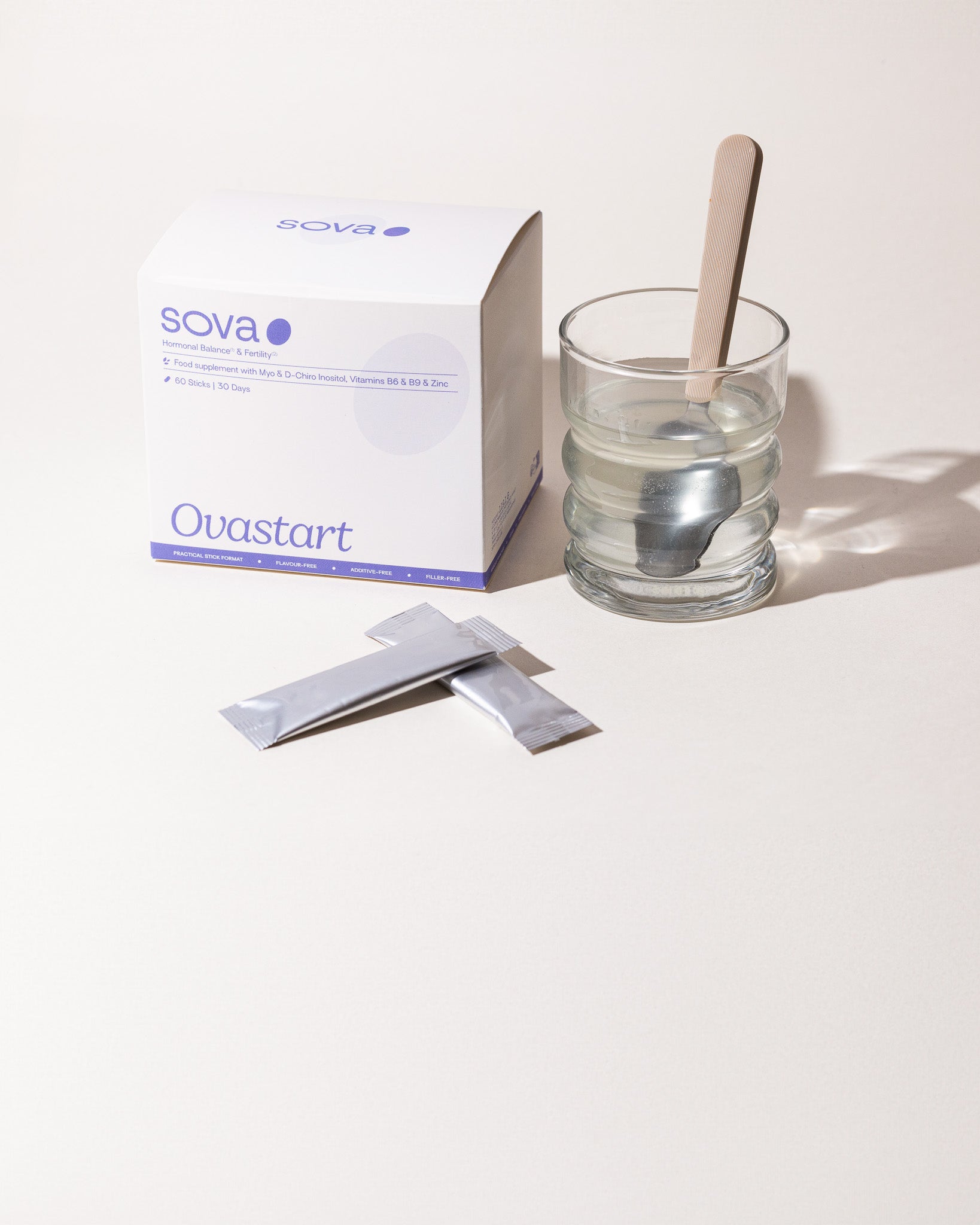
Berberine Supplement UK - Blood Sugar, Insulin & Metabolic Support for Women with PCOS
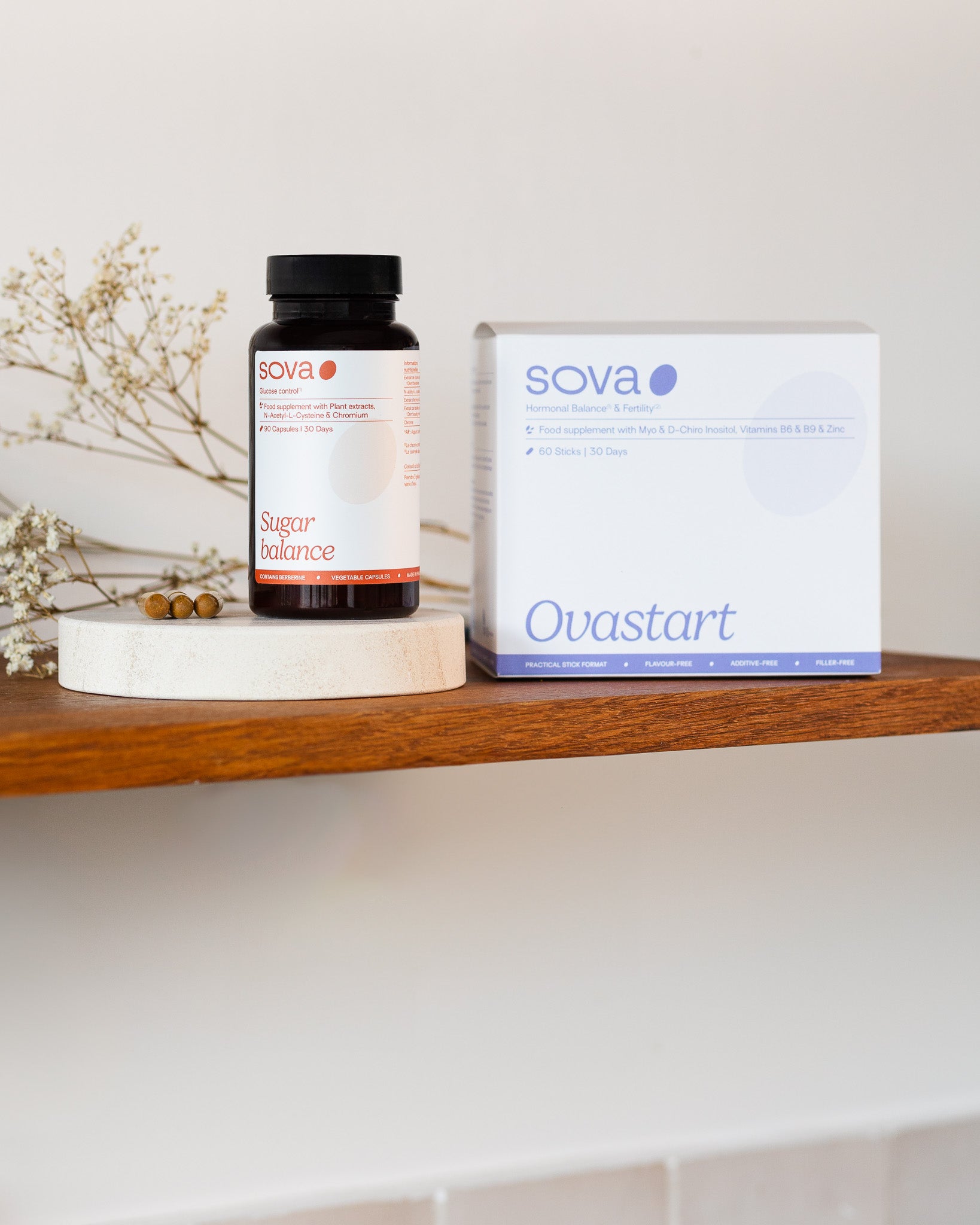
The Hormone Balance Supplements Built for PCOS - Two Products, One Complete System