



Sugar Balance
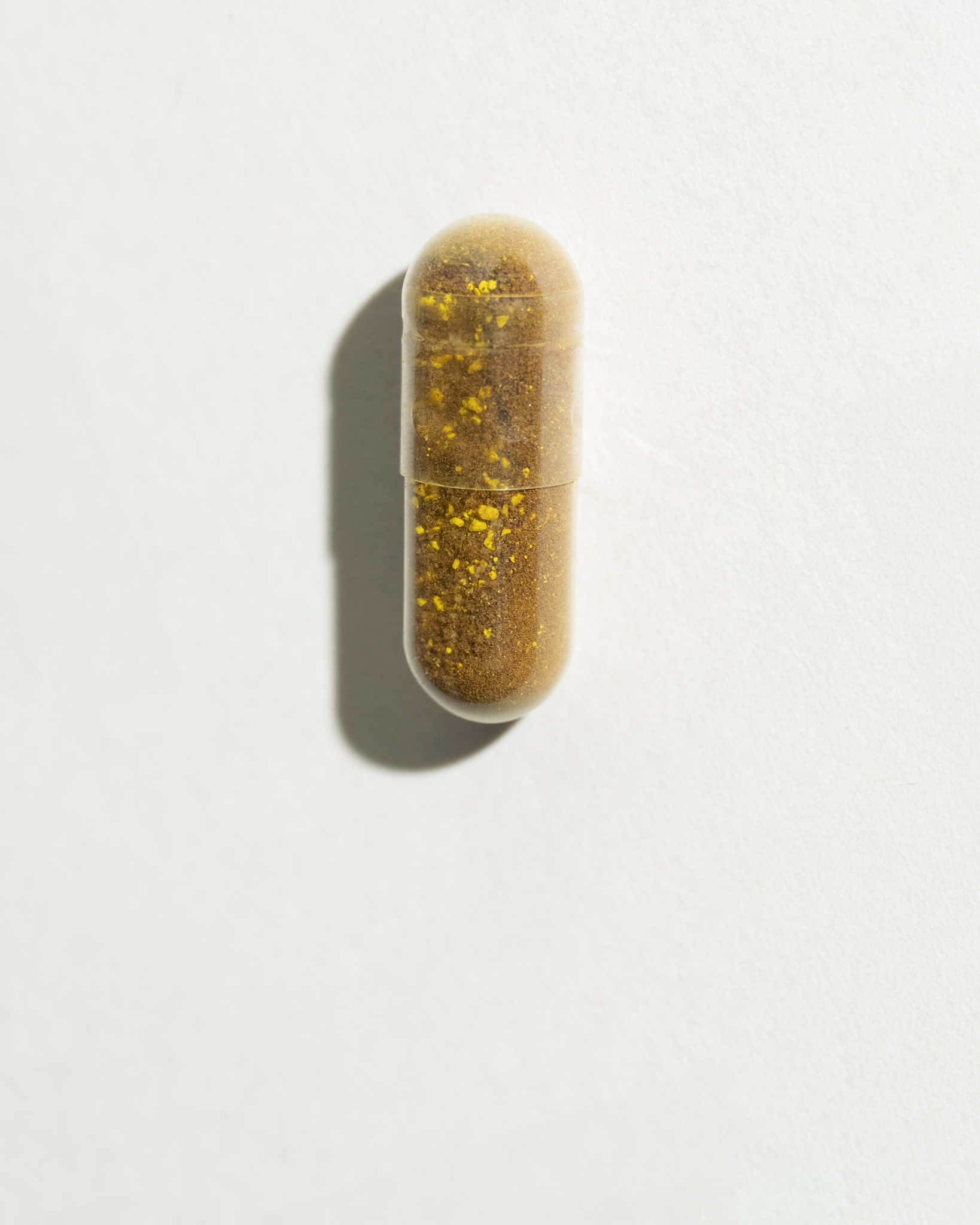
Berberine Supplement UK - Blood Sugar, Insulin & Metabolic Support for Women with PCOS
From £26

The Balance Bundle
The Hormone Balance Supplements Designed for PCOS - Two Products, One Complete System
From £53
Table of contents
- 01. What Is a PCOS Detox Cleanse? (Fad vs. Medical Reality)
- 02. How Diet Directly Impacts PCOS & Hormone Balance
- 03. Core Principles of a Safe PCOS Cleanse
- 04. What Is the 21-Day PCOS Detox?
- 05. Popular Diets Analysed: Which Ones Work for PCOS?
- 06. Best Foods to Eat vs. Foods to Avoid
- 07. Sample 1-Day PCOS-Friendly Reset Meal Plan
- 08. 5 Lifestyle Habits to Complement Your Reset
📌 Key takeaways: A "PCOS detox cleanse" doesn't mean juice fasts or laxative teas - your liver and kidneys already handle detoxing when you fuel them properly. A real, functional cleanse for PCOS targets two things: insulin resistance and low-grade inflammation. Anchor every meal with fibre, protein and anti-inflammatory fats, and don't skip sleep, movement and stress management - they're just as important as what's on your plate.
If you've typed "pcos detox cleanse" into Google after a bloated, exhausted week, you're in good company. Between TikTok tea detoxes and 3-day juice resets, it's genuinely hard to know what actually helps a body dealing with PCOS (polycystic ovary syndrome) and what's just noise.
Here's the reassuring part: you don't need to starve, juice or "flush" anything. Your liver and kidneys are already exceptionally good at detoxing your body. What actually moves the needle with PCOS is far more specific - and far more doable.
In this guide, we'll walk through what a PCOS detox cleanse really means medically, how food and lifestyle influence your hormones, a practical 21-day framework, and exactly what to eat (and what to ease off) - all backed by real research, not fads.
What Is a PCOS Detox Cleanse? (Fad vs. Medical Reality)
Let's clear something up first: there is no supplement, tea or juice that "detoxes" your ovaries. Your body already runs a highly efficient detox system every single day - your liver filters and neutralises waste products and hormones, and your kidneys flush out what's left. A commercial "detox tea" (usually just a mild laxative) doesn't improve this process. It just makes you go to the toilet more, often at the cost of dehydration and gut irritation.
So what does a real PCOS detox cleanse look like? It's not about restriction - it's about giving your liver, gut and pancreas the raw materials they need to do their job well. A true, functional PCOS cleanse focuses on reversing insulin resistance and calming systemic inflammation, the two mechanisms that drive most PCOS symptoms, from irregular cycles to acne to stubborn weight around the middle (often called "PCOS belly").
It's also worth understanding why the extreme versions of "detoxing" can actually work against you. Very low-calorie juice fasts and laxative teas put your body under acute stress, which can raise cortisol and, in turn, worsen insulin resistance - the exact opposite of what you're trying to achieve. Severe restriction can also disrupt your cycle further rather than regulating it. A safe PCOS cleanse should never leave you feeling depleted, dizzy or unable to concentrate.
👉 If you're new to the condition, our guide on what PCOS is and how it's diagnosed is a good place to start.
How Diet Directly Impacts PCOS & Hormone Balance
To understand why food matters so much in PCOS, it helps to understand two mechanisms working in the background.
Insulin resistance and excess testosterone. Around 70% of women with PCOS have some degree of insulin resistance, whatever their weight (1). When your cells stop responding well to insulin, your pancreas compensates by producing more of it. That excess insulin doesn't just affect blood sugar - it also pushes your ovaries to produce more testosterone, which is what drives symptoms like acne, excess hair growth (hirsutism) and irregular ovulation (2). There's a second, less-known part of this mechanism worth knowing: high insulin levels also suppress your liver's production of SHBG (sex hormone-binding globulin), the protein that normally "mops up" excess testosterone in your bloodstream. Less SHBG means more free, active testosterone - which is part of why stabilising blood sugar tends to improve skin and hair symptoms too, not just your cycle (3).
Chronic, low-grade inflammation. Research consistently shows that women with PCOS have higher levels of inflammatory markers circulating in their blood, such as CRP (C-reactive protein), compared to women without the condition - independent of body weight (4). This isn't the kind of inflammation you can see or feel directly, but it's linked to fatigue, joint aches, skin flare-ups and it can worsen insulin resistance further, creating a loop. Diet plays a direct role here too: research in women with PCOS has found that a single meal high in saturated fat can trigger a short-term rise in inflammatory markers and gut-derived endotoxins (a mechanism sometimes called "metabolic endotoxemia"), which further blunts insulin sensitivity - one more reason the swaps in the next section (favouring unsaturated fats from fish, olive oil and seeds) matter (5).
The encouraging news is that both of these mechanisms respond to diet, often within weeks. A targeted 3-week shift in what and how you eat can start to break the glucose-insulin spike cycle, which is exactly what the 21-day framework further down is built around.
👉 Go deeper with our articles on insulin resistance and PCOS and the inflammatory side of PCOS.

Core Principles of a Safe PCOS Cleanse
Before jumping into a structured plan, these are the ground rules worth building into every meal, starting today.
Low glycemic load
Swap refined, fast-digesting carbohydrates (white bread, white rice, pastries) for complex, slow-digesting alternatives like oats, quinoa, lentils and whole grains. These release glucose more gradually, which means less of an insulin spike.
Protein and fat anchoring
Try to never eat "naked carbs" - carbohydrates on their own, with nothing else. Pairing them with 20-30g of protein and a source of healthy fat per meal significantly blunts the blood sugar spike that follows.
High fibre, every day
Aim for 25-30g of fibre daily from vegetables, legumes, seeds and whole grains. Beyond digestion, fibre feeds the beneficial bacteria in your gut that help regulate how oestrogen is metabolised and cleared from the body, which is one more reason a fibre-rich, anti-inflammatory PCOS cleanse supports hormone balance from the inside out (6).
Stay hydrated
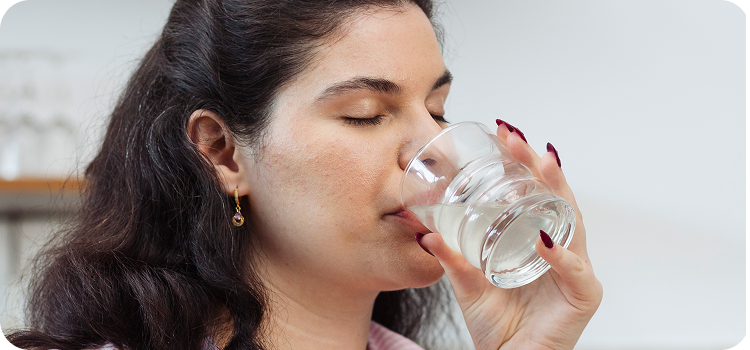
Aim for 2-3 litres of water a day. Good hydration supports your kidneys as they clear metabolic waste, helps manage hunger cues that are often mistaken for sugar cravings, and makes it easier for fibre to do its job in the gut. If plain water feels dull, swapping one or two glasses for spearmint or green tea (more on both further down) is a simple, low-effort upgrade.
👉 For a full breakdown by PCOS type, read nutrition and PCOS: the key rules of a diet adapted to your type.
What Is the 21-Day PCOS Detox?
"21 day pcos detox" is one of the most searched terms on this topic, and for good reason - three weeks is roughly how long it takes to build a new habit and see the first metabolic shifts. Here's a simple, non-restrictive way to structure it.
Phase 1 (Week 1) - Easing Off
Gently reduce added sugars, ultra-processed foods and refined grains, making room for whole, nourishing alternatives instead. This isn't about strict elimination or willpower - it's the phase that calms the most acute blood sugar swings, and where most people notice less bloating and fewer energy crashes.
Phase 2 (Week 2) - Replenishment
Actively add in anti-inflammatory foods: leafy greens, oily fish, omega-3-rich seeds, and fermentable fibres (like oats, beans and lentils) that feed your gut bacteria.
Phase 3 (Week 3) - Stabilisation
This is where you build long-term consistency and safely reintroduce foods you'd cut, one at a time, to see how your body actually responds - rather than avoiding them indefinitely out of habit.
This isn't a rigid clinical protocol, just a practical way to sequence changes so they stick. If you'd like meal ideas to fill each phase, our ultimate PCOS meal guide is a good companion to this plan.
Popular Diets Analysed: Which Ones Work for PCOS?
With so many named diets floating around, it's worth comparing them directly rather than jumping between competing articles. A 2024 systematic review and network meta-analysis compared the effectiveness of the main dietary approaches used in PCOS management (7), and more recent trial data has added detail on specific patterns since.
| Diet Type | Insulin Impact | Sustainability | Recommendation for PCOS |
|---|---|---|---|
| Mediterranean | High improvement | High | Best overall: anti-inflammatory, balanced, highly sustainable (8). |
| Low-GI Diet | High improvement | High | Best for insulin control: directly prevents glucose spikes (7). |
| Keto / Low-Carb | High (short-term) | Low | Use with caution: effective short-term, hard to sustain long-term (9). |
| DASH Diet | Moderate to high | High | Best for heart and blood pressure: great for overall metabolic health (7). |
If you're wondering what the single best diet for PCOS is, the honest answer is: whichever one of these you can actually sustain. A Mediterranean-style, low-GI pattern tends to score best on both fronts, which is why most dietitians default to it as a starting point (10).
👉 See also: PCOS and diet: which foods can worsen symptoms?
Best Foods to Eat vs. Foods to Avoid
Think of this less as a list of rules and more as a set of smart swaps.
Foods to focus on: fatty fish (salmon, mackerel), berries, leafy greens, avocados, seeds (chia, flax), quinoa, edamame and eggs. Each of these earns its place for a specific reason: oily fish and seeds supply anti-inflammatory omega-3s, berries and leafy greens bring antioxidants and fibre with minimal impact on blood sugar, and eggs and edamame provide steady protein to pair with your carbohydrates.
Foods to limit: refined grains (white flour), sugary drinks, red and processed meats, fried foods and packaged snacks. These tend to spike blood sugar quickly, drive inflammation, or both - the two things a PCOS-friendly plate is designed to avoid.

What about dairy and gluten? Neither needs to be eliminated completely unless you have a diagnosed sensitivity or intolerance. If you suspect either is triggering symptoms (bloating, skin flare-ups, digestive discomfort), a simple 2-week trial removing it - then reintroducing it and watching how you feel - is a far more useful test than cutting it out indefinitely on principle.
Sample 1-Day PCOS-Friendly Reset Meal Plan
Breakfast: Veggie omelette with spinach and tomatoes, served with avocado on seeded sourdough.
Lunch: Mediterranean bowl with grilled chicken, quinoa, cucumber, olives and extra-virgin olive oil.
Dinner: Baked wild salmon, roasted sweet potato and steamed broccoli, drizzled with lemon juice.
Snacks: Green tea or spearmint tea, paired with pumpkin seeds or apple slices with almond butter.
Notice the pattern across every meal: protein, fibre and healthy fat, together, every time. That's the whole principle in practice.
👉 Need more ideas? 22 easy PCOS lunch recipes can help you build out the rest of the week.
5 Lifestyle Habits to Complement Your Reset
Diet alone won't get you all the way there. These five habits work alongside food to support the same two mechanisms - insulin resistance and inflammation.
1. Resistance movement
If you're trying to shift "PCOS belly" fat specifically, cardio alone isn't the most effective tool. A 2025 network meta-analysis comparing exercise types in women with PCOS found that structured movement, including resistance training, HIIT and yoga, improved insulin resistance and testosterone levels more than no exercise at all, with different modalities showing an edge on different markers (11). The practical takeaway: mixing in two to three short strength sessions a week, alongside whichever form of movement you actually enjoy and will stick with, is a realistic and effective target.
2. Stress management
Chronic stress raises cortisol, and cortisol and insulin influence each other - when one rises, the other tends to follow. Simple, low-effort tools like short walks, breathing exercises or a consistent wind-down routine in the evening can help keep cortisol in check.

👉 More on this in adrenal PCOS symptoms: is stress driving your hormone imbalance?
3. 7-9 hours of sleep
Poor sleep raises cortisol and next-day insulin resistance, even in women without PCOS - and the effect is amplified when PCOS is already in the picture. Aim for 7-9 hours, and try to keep a consistent bedtime rather than "catching up" on weekends.
👉 Read more in sleep and PCOS: what impact does it have on hormonal balance?
4. Supplements: inositol and vitamin D
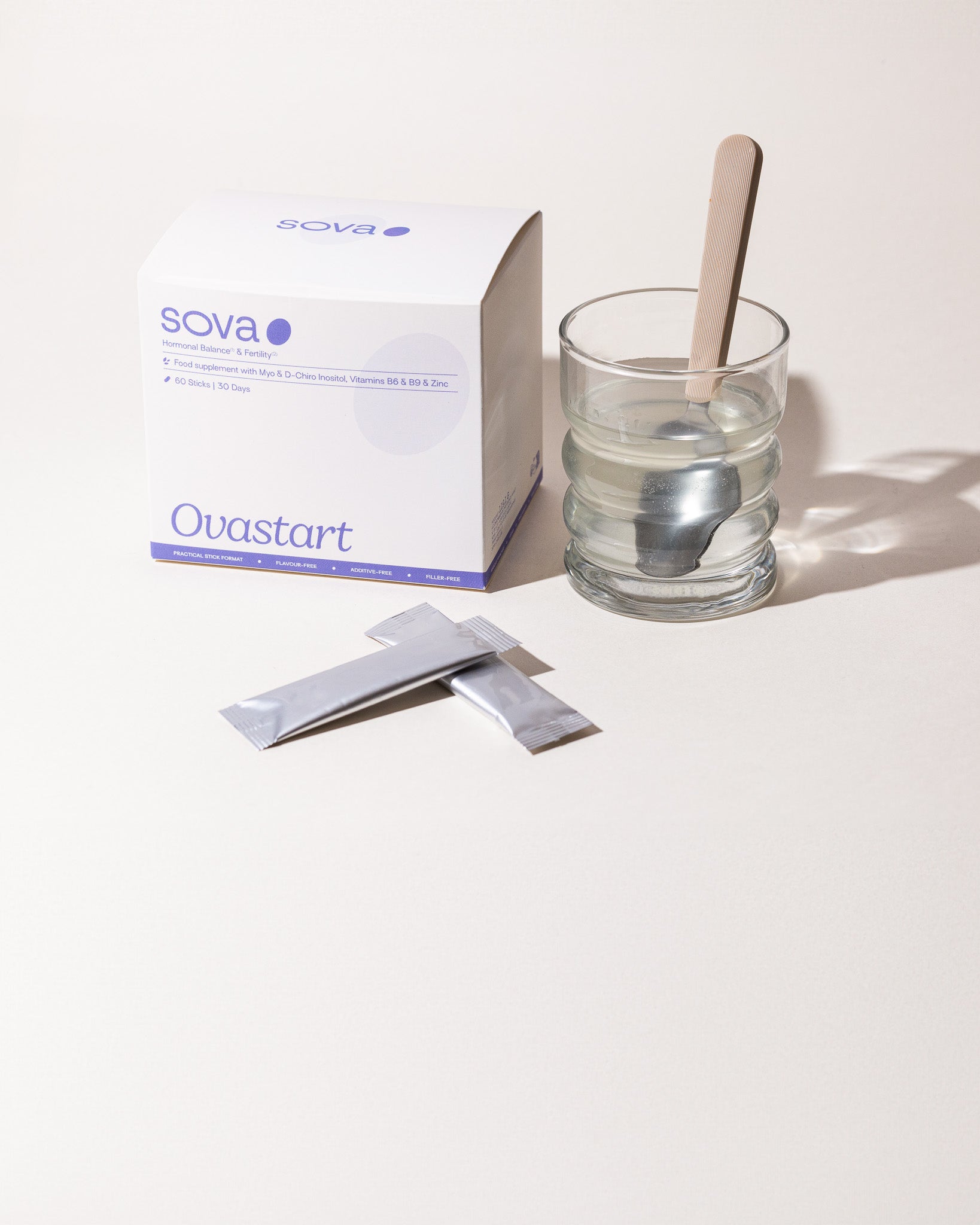
Two nutrients have the strongest evidence base for PCOS specifically. Myo-inositol (often combined with D-chiro-inositol) has been shown in a meta-analysis of randomised controlled trials to improve both insulin sensitivity and ovulatory function (12). Vitamin D deficiency is also extremely common in PCOS, and correcting it has been linked to improvements in metabolic and hormonal markers (13).

👉 Learn more in inositol and PCOS: benefits and uses and our full supplements guide.
5. Post-meal walking
A short, easy 10-minute walk after your largest meal helps your muscles soak up glucose from the bloodstream, meaningfully reducing the blood sugar spike that follows eating - no gym required.
A note on detox drinks: if you're looking for something to sip alongside all this, a few have modest evidence behind them. Spearmint tea has shown anti-androgen effects in a randomised controlled trial in women with PCOS (14). Green tea has been linked to improvements in insulin and metabolic markers across several trials (15). And apple cider vinegar diluted in water may help blunt the blood sugar spike after a meal (16). None of these replace the fundamentals above, but they're a reasonable, low-risk addition.
📋 Daily action checklist:
- [ ] Pair every meal: combine complex carbs with protein and healthy fats.
- [ ] Target 25-30g fibre: add leafy greens, chia or flaxseed to your meals.
- [ ] Hydrate and sip: drink 2-3 litres of water; add 2 cups of spearmint tea.
- [ ] Post-meal walk: take a 10-minute light walk after your largest meal.
- [ ] Sleep hygiene: shut off screens 60 minutes before bed to lower cortisol.
- PCOS: Polycystic ovary syndrome, a hormonal and metabolic condition affecting ovulation, insulin and androgen levels. = PCOS: Polycystic ovary syndrome, a hormonal and metabolic condition affecting ovulation, insulin and androgen levels.
- Insulin resistance: a state where cells respond poorly to insulin, causing the pancreas to produce more of it. = Insulin resistance: a state where cells respond poorly to insulin, causing the pancreas to produce more of it.
- Hyperandrogenism: excess androgens (like testosterone) in the blood, which can cause acne, excess hair growth or hair thinning. = Hyperandrogenism: excess androgens (like testosterone) in the blood, which can cause acne, excess hair growth or hair thinning.
- Low glycemic index (low-GI): a way of ranking carbohydrates by how slowly or quickly they raise blood sugar. = Low glycemic index (low-GI): a way of ranking carbohydrates by how slowly or quickly they raise blood sugar.
- Systemic inflammation: low-grade, body-wide inflammation that isn't visible but is measurable in the blood (e.g. via CRP). = Systemic inflammation: low-grade, body-wide inflammation that isn't visible but is measurable in the blood (e.g. via CRP).
- CRP (C-reactive protein): a blood marker that rises with inflammation. = CRP (C-reactive protein): a blood marker that rises with inflammation.
- Visceral fat ("PCOS belly"): fat stored around the abdominal organs, linked to insulin resistance and cortisol. = Visceral fat ("PCOS belly"): fat stored around the abdominal organs, linked to insulin resistance and cortisol.
- Cortisol: the body's main stress hormone, produced by the adrenal glands. = Cortisol: the body's main stress hormone, produced by the adrenal glands.
- Myo-inositol: a naturally occurring compound shown to support insulin sensitivity and ovulation in PCOS. = Myo-inositol: a naturally occurring compound shown to support insulin sensitivity and ovulation in PCOS.
- EGCG: a powerful antioxidant found in green tea, linked to improved insulin sensitivity. = EGCG: a powerful antioxidant found in green tea, linked to improved insulin sensitivity.
Scientific References
Over 50,000 women have already adopted our routines, rating us an excellent 4.7/5 average (from 3,300+ reviews). Our supplements are formulated in French laboratories using clean, carefully sourced ingredients, with a maximum of patented active ingredients proven for their effectiveness.
- Founded by women with PCOS, we understand the reality of hormonal disorders.
- Clinically studied: High-quality ingredients, including patented forms like Quatrefolic® and an optimal Myo-/D-Chiro Inositol ratio.
- Holistic support: Formulated for hormonal balance, metabolic health, inflammation, mood, and cycle regulation.
- Science-led formulas: Transparent ingredients with absolutely no unnecessary additives.

Berberine Supplement UK - Blood Sugar, Insulin & Metabolic Support for Women with PCOS
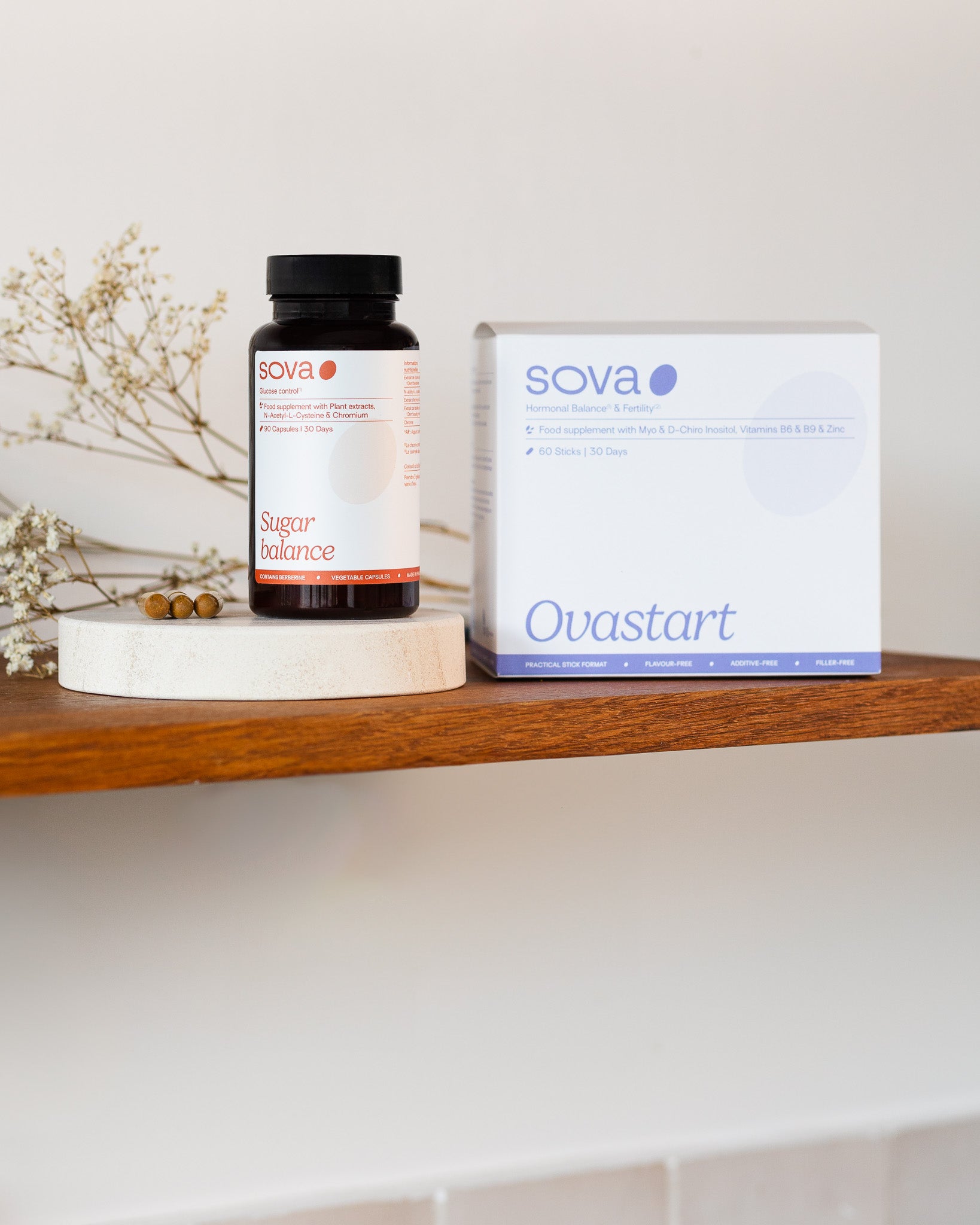
The Hormone Balance Supplements Designed for PCOS - Two Products, One Complete System