



Table of contents
If you have PCOS and you’ve experienced a pregnancy loss - or if you’re pregnant and feeling anxious about what might come next - this article is for you. Miscarriage is one of the most painful experiences a person can go through, and it can feel even more isolating when you’re already navigating the complexity of PCOS. You are not alone, and your body has not failed you.
The reality is that women with PCOS do face a higher risk of miscarriage. But higher risk does not mean inevitable loss. Understanding the reasons why, and the steps that can support a healthy pregnancy, makes a real difference - both practically and emotionally.
Key Takeaways
Yes, PCOS is associated with a higher risk of miscarriage – but most women with PCOS go on to have successful pregnancies.
Hormones (progesterone, androgens), insulin resistance, and chronic inflammation are the main biological factors involved.
The risk is highest in the first trimester; after week 12, it generally falls closer to the general population level. Early monitoring, blood sugar management, anti-inflammatory nutrition, and targeted supplements can meaningfully support pregnancy outcomes.
Does PCOS Increase Your Chance of Pregnancy Loss?
The short answer is: yes, the risk is higher - but the picture is more nuanced than a single statistic suggests. PCOS affects an estimated 10 to 13% of women of reproductive age worldwide, and up to 70% of those affected are currently undiagnosed [1]. Given how common it is, understanding its relationship with pregnancy loss matters deeply.
A large population-based study analysing nearly 10,000 pregnant women found that those with PCOS were significantly more likely to experience miscarriage than women without the condition [2]. A meta-analysis of 17 studies, covering over 10,000 IVF pregnancies, confirmed that women with PCOS had approximately 1.6 times the risk of miscarriage compared to those without PCOS [3]. These are real numbers, and they deserve to be acknowledged - but they also tell us that the majority of women with PCOS do carry their pregnancies to term.
The role of androgens
One of the defining features of PCOS is elevated androgen levels - hormones often referred to as “male hormones,” though all women produce them in smaller amounts. In PCOS, these androgens can be excessive, and this has a direct impact on the uterine environment.
Research has shown that high testosterone levels can alter the expression of key molecules involved in uterine receptivity - most notably integrins (proteins on the cell surface that allow the embryo to attach) and the HOXA10 protein (a gene regulator that prepares the uterine lining for implantation). When testosterone is elevated, the expression of HOXA10 is reduced, which directly compromises the uterus’s ability to receive and support an embryo [4]. The uterine lining, in other words, may be less well-prepared to welcome a pregnancy.
The role of insulin resistance
Many women with PCOS also experience insulin resistance, meaning their bodies need more insulin than usual to keep blood sugar levels stable. This affects the hormonal environment of the ovaries and can contribute to poor egg quality, irregular or absent ovulation, and an unstable uterine lining. All of these factors can make it more difficult for a pregnancy to take hold and progress.
The role of chronic inflammation
PCOS is also linked to a state of low-grade, systemic inflammation — a kind of persistent background “simmer” in the immune system that, while not dramatic, can have real consequences for reproductive health. This chronic inflammation can affect the quality of the uterine lining (endometrium), impairing its ability to support embryo implantation, and may also interfere with the healthy development of the blood vessels that supply the placenta [2].
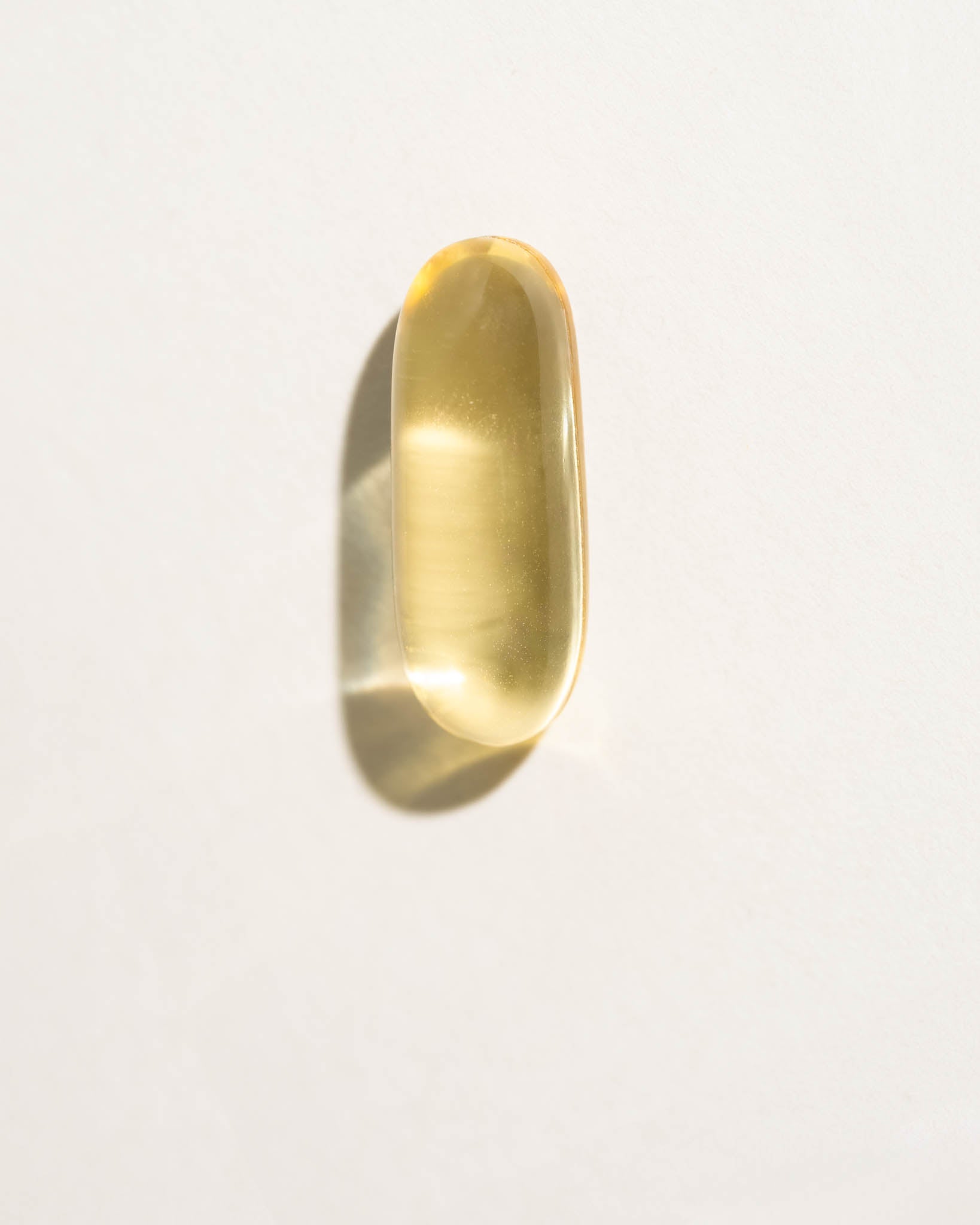
This is one of the reasons why omega-3 fatty acids are particularly relevant for women with PCOS who are trying to conceive or maintain a pregnancy. Omega-3s have well-established anti-inflammatory properties, and supporting your body’s inflammatory balance is one of the most meaningful things you can do for the uterine environment. Sova’s Omega-3 is designed with this in mind.

The progesterone factor
After ovulation, the body is supposed to produce progesterone - the hormone that prepares the uterine lining to support a pregnancy in the weeks that follow. In PCOS, this phase (called the luteal phase) is often disrupted. Research has confirmed that the cells in PCOS-affected ovaries have an abnormal capacity to produce progesterone, even when ovulation does occur [5]. Without sufficient progesterone, the uterine lining may not be able to sustain a developing embryo, sometimes leading to very early pregnancy loss before the pregnancy is even detected.
When Do Most PCOS-Related Miscarriages Happen?
Most miscarriages in women with PCOS occur during the first trimester, before 12 weeks of pregnancy [2]. This is also when the hormonal environment that PCOS disrupts - progesterone production, androgen levels, insulin regulation, inflammatory balance - has the greatest influence on the developing pregnancy.
After approximately 12 weeks, the placenta takes over hormone production from the ovaries. This shift is significant: once the placenta is fully functioning, it becomes the primary source of progesterone, meaning the ovaries’ dysfunction becomes less central. The specific PCOS-related risk of miscarriage therefore tends to decrease after the first trimester. This does not mean pregnancy becomes risk-free after week 12, but reaching this milestone is genuinely meaningful - and worth celebrating.
Why Is PCOS Considered a High-Risk Pregnancy?
You may have heard the term “high-risk pregnancy” in relation to PCOS. It’s worth being clear about what this actually means: it simply means that additional care and monitoring are recommended. It does not mean something will necessarily go wrong - it means your medical team will be paying closer attention, which is a good thing.
Beyond miscarriage risk, women with PCOS face a higher chance of certain pregnancy complications. A large meta-analysis of 63 studies found that women with PCOS were almost twice as likely to develop preeclampsia - a condition characterised by high blood pressure in pregnancy - and about 2.5 times more likely to develop gestational hypertension compared to women without PCOS [6].
Gestational diabetes
Gestational diabetes is a form of diabetes that develops during pregnancy in women who did not have it before. It occurs when the body cannot produce enough insulin to meet the increased demands of pregnancy. Women with PCOS are at a two- to three-fold higher risk of developing gestational diabetes compared to women without PCOS, largely because many already have pre-existing insulin resistance [6].
Preeclampsia
Preeclampsia is a serious condition that typically develops after the 20th week of pregnancy, involving high blood pressure and signs that certain organs - most often the kidneys — are not working as they should. It requires close medical monitoring. The underlying mechanisms of PCOS, particularly insulin resistance and systemic inflammation, are thought to contribute to this elevated risk.
None of this means these complications will happen to you. What it means is that knowing about these risks helps you and your healthcare team put the right support in place from the start. Knowledge is not a reason for anxiety - it’s a foundation for action.
Supporting Your Body Before and During Pregnancy
There is no single formula that guarantees a safe pregnancy. But there are meaningful steps that can improve the conditions for one - ideally started before conception and continued throughout early pregnancy. Here, the goal is not perfection; it is simply offering your body the most supportive environment possible.
Supporting your metabolic health before conception
Getting into a stable metabolic state before becoming pregnant is one of the most effective things a woman with PCOS can do. A path worth exploring is addressing insulin resistance, supporting hormonal balance, and - where relevant - moving toward a way of eating and living that eases the pressure on your hormonal system. Weight can sometimes add extra pressure on an already fragile hormonal balance; the goal is simply to support your metabolism to provide a more serene environment for your body. Even modest improvements in metabolic health before conception can have a meaningful effect.
Supporting blood sugar through nutrition
A low-glycaemic approach to eating - one that avoids sharp spikes in blood sugar - is something many women with PCOS find genuinely helpful. Exploring a diet rich in whole foods, fibre, and anti-inflammatory ingredients can support insulin sensitivity and create a more stable hormonal environment. Regular, balanced meals with a good proportion of vegetables, protein, and healthy fats are a gentle and effective starting point.
Some women with PCOS are also prescribed Metformin by their doctors to help manage insulin resistance. It’s worth knowing that while Metformin is often used to manage insulin levels, its specific role in preventing miscarriage once pregnant is still being studied. This remains a medical decision to be discussed strictly with your specialist.
Correcting a vitamin D deficiency
Vitamin D deficiency is common in women with PCOS, and there is growing evidence that adequate vitamin D levels support insulin sensitivity and overall reproductive health. Checking your vitamin D levels before or in early pregnancy is a simple, worthwhile step - and supplementing where needed is something you can explore with your healthcare provider.
Targeted supplements
Two nutrients have a particularly well-established evidence base in the context of PCOS and reproductive health.
Myo-inositol is a naturally occurring compound that plays a key role in insulin signalling. In women with PCOS, supplementing with myo-inositol has been shown to support more regular ovulation and improve hormonal profiles [7]. A Cochrane systematic review found it to be a generally safe option for subfertile women with PCOS, with potential benefits for ovarian function [8].

Omega-3 fatty acids act as natural anti-inflammatory agents, helping to calm the low-grade systemic inflammation that is frequently observed in PCOS. Given the role of inflammation in endometrial quality and placental development, this is more than a general wellness supplement - it is a targeted support for the reproductive environment.
Folic acid is recommended for all women trying to conceive, and is essential for the healthy development of the embryo’s neural tube in the earliest weeks of pregnancy.
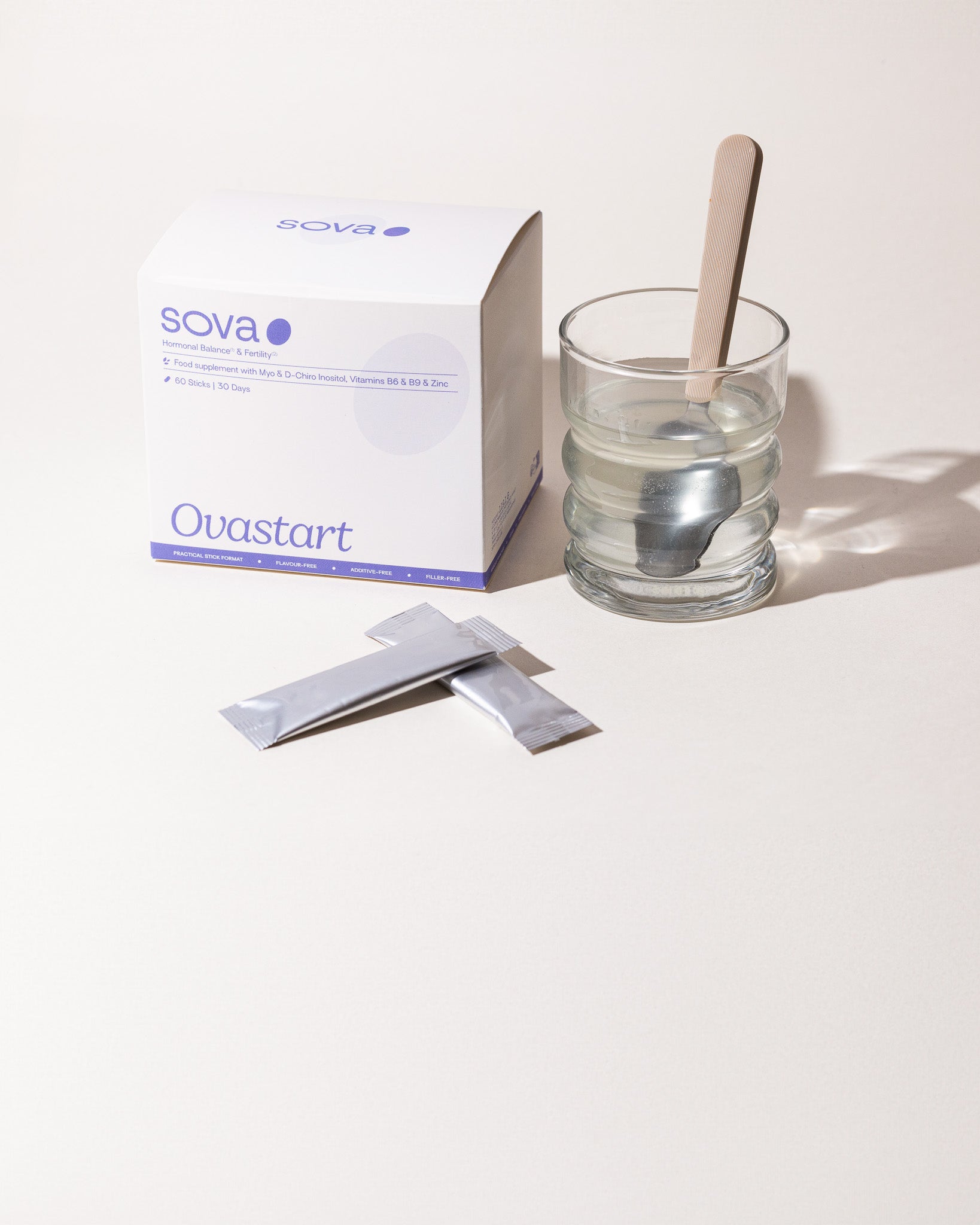
Sova’s Ovastart & Omega-3 bundle combines myo-inositol, D-chiro-inositol, and omega-3 fatty acids - a combination designed to address the hormonal imbalance, insulin resistance, and inflammation that sit at the heart of PCOS-related reproductive challenges.
Pre-Conception & Early Pregnancy Checklist
[ ] Check your progesterone levels 7 days after ovulation to assess luteal phase quality
[ ] Monitor your HbA1c levels (a marker of blood sugar management over time)
[ ] Check your vitamin D levels and correct any deficiency with your doctor’s guidance
[ ] Explore a low-GI, anti-inflammatory way of eating before and during pregnancy
[ ] Incorporate daily low-impact movement you enjoy: walking, yoga, or swimming
[ ] Request an early viability ultrasound at 6 to 7 weeks gestation
[ ] Begin folic acid supplementation at least one month before trying to conceive
Frequently Asked Questions
Can PCOS cause a miscarriage?
PCOS does not directly “cause” miscarriage in the way an infection might cause an illness. Rather, the hormonal and metabolic features of PCOS - excess androgens affecting uterine receptivity, insufficient progesterone, insulin resistance, and chronic low-grade inflammation — can create conditions that make it harder for a pregnancy to be sustained in its earliest stages. The risk is real, but it is not absolute, and it is not your fault.
Is it harder to stay pregnant with PCOS?
Yes, the hormonal environment in the uterus during early PCOS pregnancy can be less stable than in women without the condition. The progesterone deficit, the impact of androgens on implantation molecules like HOXA10 and integrins, and the inflammatory background can all make the first weeks of pregnancy more vulnerable. This is exactly why early monitoring is so valuable - it allows any issues to be identified and supported quickly.
What vitamins and supplements may support a PCOS pregnancy?
The most evidence-based options for women with PCOS who are trying to conceive or are in early pregnancy include: myo-inositol (to support insulin sensitivity and ovarian function), omega-3 fatty acids (for their anti-inflammatory properties), folic acid (essential for healthy early development), and vitamin D (to support insulin sensitivity and reproductive health). These are areas worth exploring in conversation with your healthcare provider, who can personalise recommendations for your situation.
In Summary: Hope Beyond the Diagnosis 💜
A PCOS diagnosis does not write the story of your pregnancy. For the vast majority of women with PCOS, healthy pregnancies are not only possible - they happen every day. The research is clear that the risks are real but manageable, particularly with proactive care, early monitoring, and the right lifestyle and supplementation support.
We understand how overwhelming it can feel to carry both the grief of a loss and the uncertainty of what comes next. If you are in that place right now, please know that seeking support - from a reproductive specialist, a gynaecologist, or a trusted healthcare professional - is one of the most powerful steps you can take. You deserve personalised care, not just general reassurance. And you deserve to be met with both science and kindness.
Key Terms
PCOS (Polycystic Ovary Syndrome): A hormonal disorder affecting women of reproductive age, characterised by irregular or absent ovulation, elevated androgen levels, and/or polycystic ovaries on ultrasound.
Androgens: Hormones such as testosterone that play a role in ovarian and uterine function. Elevated androgens in PCOS can impair egg quality and reduce uterine receptivity.
HOXA10: A gene regulator expressed in the uterine lining that is essential for implantation. Its expression can be reduced by excess testosterone.
Integrins: Cell-surface proteins on the uterine lining that help the embryo attach and implant. Their function can be disrupted by high androgen levels.
Luteal phase: The second half of the menstrual cycle, after ovulation, during which the body produces progesterone to prepare the uterine lining for a potential pregnancy.
Progesterone: A hormone produced after ovulation that is essential for sustaining a pregnancy in its earliest stages.
Insulin resistance: A metabolic condition in which cells respond less efficiently to insulin. Common in PCOS, it affects hormonal balance, ovarian function, and inflammation.
Chronic low-grade inflammation: A persistent, low-level activation of the immune system, often present in PCOS, which can affect the quality of the uterine lining and placental blood vessel development.
Gestational diabetes: A form of diabetes that develops during pregnancy, linked to the body’s reduced ability to manage blood sugar under the metabolic demands of pregnancy.
Preeclampsia: A serious pregnancy complication characterised by high blood pressure, typically developing after 20 weeks, which requires close medical management.
Scientific references
SOVA was created by two sisters with PCOS who wanted products that truly worked. Our formulas are developed in-house with women’s health and micronutrition experts, using ingredients backed by clinical studies and compliant with European regulations.
- Built by women with PCOS, we know the reality of the symptoms.
- Clinically studied, high-quality ingredients, including patented forms like Quatrefolic® and an optimal Myo-/D-Chiro Inositol ratio.
- Holistic support for hormonal balance, metabolic health, inflammation, mood and cycle regulation.
- Transparent, science-led formulas with no unnecessary additives.