


Table of contents
- 01. The Quick-Check: Is This an Emergency?
- 02. Why Your Body Feels Like a Period is Coming (But It Isn't)
- 03. The Big Question: Could This Be Early Pregnancy?
- 04. The "Imposter" Pains: When It's Not Your Uterus
- 05. Underlying Health Conditions to Discuss With Your Doctor
- 06. How to Manage the Pain While You Wait
- 07. The Symptom Tracker Checklist
- 08. Frequently Asked Questions
You feel it - that familiar dull ache in your lower abdomen, maybe even the lower back tension you always get before your period arrives. But you check, and there is nothing. No bleeding, no spotting, nothing at all. It is confusing, a little worrying, and you are not alone in experiencing it.
This sensation is sometimes called a "phantom period" - and it has a range of real, identifiable causes. Some are completely harmless. Others deserve medical attention. This guide walks you through the most likely explanations, what each one feels like, and when speaking to a doctor would give you the clarity you deserve.
This article is for informational purposes only and does not replace the advice of a qualified healthcare professional. If you are concerned about your symptoms, please consult your doctor or gynaecologist.
|
Key Takeaways |
|
• Stress: is one of the most common reasons for cramps without a period - it can delay or prevent ovulation entirely, leaving you with PMS-like symptoms but no bleed. |
|
• Early pregnancy: (implantation cramping) can mimic period cramps very closely. A missed period combined with cramping warrants a pregnancy test. |
|
• Ovulation pain: (mittelschmerz) affects up to 40% of women and can produce sharp or aching cramps with no connection to your period at all. [1] |
|
Action tip: If cramps are persistent, severe, or accompanied by fever, it may be worth checking in with your doctor for peace of mind. |
The Quick-Check: Is This an Emergency?
Most causes of cramps without a period are benign. However, some symptoms are worth paying attention to quickly. Before reading further, run through this list.
|
⚠️ If these symptoms are worrying you, reaching out to a doctor sooner rather than later could give you real peace of mind: |
|
• Sudden, severe one-sided pain - this can sometimes point to an ectopic pregnancy or ovarian cyst rupture - both situations where prompt medical attention matters. |
|
• Fever above 38°C combined with pelvic pain - this may indicate an infection such as Pelvic Inflammatory Disease (PID). |
|
• Fainting or dizziness - alongside abdominal pain. |
|
• Unusual or foul-smelling discharge - accompanied by cramping. |
|
• Cramps that linger - beyond a few days and are interfering with daily life. |
If none of these apply to you, keep reading - your symptoms are very likely explained by one of the causes below.
Why Your Body Feels Like a Period is Coming (But It Isn't)
Why am I feeling PMS but no period?
Pelvic cramping without a bleeding period is often caused by the same hormonal shifts that normally trigger your period - particularly fluctuations in oestrogen and progesterone - occurring without the bleed following them. This can happen when ovulation is delayed, skipped, or triggered at an unusual time in the cycle, or when other physical causes mimic uterine contractions. Common culprits include stress, late ovulation, early pregnancy, and digestive issues.
The "Window of Uncertainty": Late Ovulation and Anovulation
In a textbook 28-day cycle, ovulation occurs around day 14. In reality, cycles vary enormously - and ovulation can happen several days later than expected, particularly during times of stress, travel, illness, or significant lifestyle change.
When ovulation is delayed, the second half of your cycle (the luteal phase) is also pushed back. Your body may still begin producing progesterone in preparation for a potential pregnancy - and that progesterone rise, followed by its sharp drop when pregnancy does not occur, can trigger cramps, bloating, breast tenderness, and mood changes, all of which feel exactly like PMS. The period simply hasn't arrived yet, because ovulation happened late - or the hormonal cycle completed without producing a full bleed.
In some cases, ovulation may not happen at all - a state called anovulation. Hormonal fluctuations can still occur, producing PMS-like symptoms with no period to follow. Occasional anovulatory cycles are normal for many women. Repeated cycles without ovulation are worth discussing with your doctor.
Perimenopause: A Cause Often Overlooked in Women Over 40
If you are in your late 30s or 40s, phantom cramps may be connected to perimenopause - the transitional phase that precedes menopause, which can begin years before periods actually stop. During perimenopause, anovulatory cycles become increasingly common. The body goes through many of its familiar hormonal motions - producing enough oestrogen to prime the uterine lining, and enough progesterone fluctuation to trigger PMS-like symptoms - but ovulation either doesn't occur, or is irregular enough that no bleed follows.
This means cramps, bloating, breast tenderness, and mood changes can all appear in force, but with no period at the end. If you are 40+ and noticing that your cycle is becoming less predictable, more irregular, or producing phantom cramps more often, it is worth having a conversation with your GP about perimenopause - the clarity alone can be genuinely reassuring.
Mittelschmerz: Understanding Mid-Cycle Ovulation Pain
Mittelschmerz (German for "middle pain") is a medical term for pain felt during ovulation. According to a clinical review published in the NCBI Bookshelf (StatPearls), it may affect over 40% of women of reproductive age, occurring almost every month in those who experience it. [1]
The pain is caused by a rise in luteinising hormone (LH), which triggers contractions in smooth muscle tissue around the ovary via a prostaglandin pathway. [1] It is typically felt on one side of the lower abdomen - whichever side the egg is released from - and can range from a mild twinge to a sharper, more noticeable cramp. It usually lasts a few hours, but can occasionally persist for a day or two.
Because mittelschmerz occurs mid-cycle rather than just before a period, it can feel entirely disconnected from your usual menstrual pattern - and therefore very confusing if you are not aware of it.
The Big Question: Could This Be Early Pregnancy?
This is often the first thought that comes to mind - and it deserves a direct, clear answer: yes, cramping without a period can be an early sign of pregnancy. But it is not a reliable sign on its own.
Implantation Cramping vs. Period Cramps
Implantation is the process by which a fertilised egg embeds itself into the lining of the uterus. It typically occurs 6-12 days after ovulation. Some women experience cramping during this process, though many feel nothing at all. The medical community acknowledges that light bleeding or spotting can also occur around this time, though it is not universal. [2]
The key differences between implantation cramping and period cramps are subtle. Implantation cramps tend to be mild, brief, and may feel more like a light twinge or pinching sensation rather than the deeper, more sustained ache of period cramps. Period cramps are caused by prostaglandins triggering uterine contractions to shed the lining - a stronger and more sustained process.
Symptom Comparison: Period, Early Pregnancy & Other Causes
|
Symptom |
Regular Period Cramps |
Implantation / Early Pregnancy |
Other Causes |
|
Pain intensity |
Moderate to severe |
Mild - barely noticeable |
Varies widely |
|
Duration |
1-3 days (alongside bleed) |
Hours to 1-2 days |
Hours to persistent |
|
Location |
Central lower abdomen, may radiate to back |
Lower abdomen, sometimes one-sided |
Can be one-sided or central |
|
Bleeding present? |
Yes - normal flow |
No, or very light pink spotting only |
No (unless other cause) |
|
Timing in cycle |
Just before or at period start |
6-12 days after ovulation |
Mid-cycle or unpredictable |
|
Other signs |
Bloating, mood changes, breast tenderness |
Nausea, fatigue, breast sensitivity |
Depends on cause |
When to Take a Test for the Most Accurate Result
Home pregnancy tests detect the hormone hCG (human chorionic gonadotropin), which is only produced after implantation. Testing too early may give a false negative - even if you are pregnant. For the most accurate result, wait until the first day of your missed period, or ideally a few days after.
If your period is late and you have cramping, taking a test is always a reasonable step. A negative result on a quality test, taken at the right time, is highly reliable.
The "Imposter" Pains: When It's Not Your Uterus
What can cause cramping but no period?
Cramping without a period is not always connected to your reproductive system. The pelvis and lower abdomen contain multiple organs, and pain from the digestive system, urinary tract, or surrounding muscles can feel remarkably similar to menstrual cramps. Common non-reproductive triggers include irritable bowel syndrome (IBS), trapped gas, constipation, and urinary tract infections (UTIs).
IBS and gut-related cramping are particularly worth considering. Many women notice their digestive symptoms worsen in the days before a period - and it is often the sharp drop in progesterone just before menstruation (or the fluctuations during an anovulatory cycle) that slows gut motility, increases intestinal sensitivity, and contributes to those cramping, bloated sensations. This is why phantom cramps can feel so similar to PMS - the hormonal trigger is the same, even when no bleed follows.
For some women, this digestive-hormonal overlap is more significant and may be linked to digestive endometriosis, where endometrial-like tissue affects the bowel and can cause cramping, bloating, or changes in bowel habits that worsen around the time of a cycle.
|
→ Read more: Digestive endometriosis - understanding the symptoms |
UTIs can cause pressure or cramping in the lower abdomen. If you notice a burning sensation when urinating, more frequent urges to go, or cloudy urine alongside your cramping, a UTI can be quickly ruled out with a simple urine test at your GP surgery.
Muscle tension and posture can also produce lower abdominal pain that mimics cramps. Long periods of sitting, poor core engagement, or pelvic floor tension can all create a cramping sensation with no hormonal cause whatsoever.
Copper IUDs and Localised Pelvic Cramping
If you have a copper IUD, it is worth knowing that the device itself can be a source of pelvic cramping outside of your period. The presence of copper in the uterus triggers an increase in prostaglandin production - the same inflammatory compounds responsible for menstrual cramps - as part of the body's ongoing low-level response to the foreign object. [7]
This means women with a copper IUD may experience cramping, aching, or pelvic discomfort at various points in their cycle, not just during menstruation. These cramps can feel very similar to period pain but arrive with no corresponding bleed. While this is a known side effect - particularly in the first few months after insertion - if the pain is new, worsening, or accompanied by unusual discharge or fever, it is worth having the IUD position checked by a healthcare professional.
Underlying Health Conditions to Discuss With Your Doctor
Sometimes, cramps without a period are a sign that something more complex is happening hormonally or structurally. The following conditions are worth being aware of - not to cause alarm, but because early recognition leads to better support.
Endometriosis and Adenomyosis
Endometriosis is a condition in which tissue similar to the uterine lining grows outside the uterus - on the ovaries, fallopian tubes, or other pelvic organs. According to the World Health Organisation, it affects roughly 10% of women and girls of reproductive age worldwide. [3] One of its hallmark features is pelvic pain that does not always align with the timing of a period.
Adenomyosis is related but distinct - here, the uterine lining tissue grows into the muscular wall of the uterus itself. Both conditions can cause significant cramping, heavy bleeding when periods do arrive, and general pelvic discomfort throughout the cycle. They are often underdiagnosed, so it is worth advocating for investigation if your pain is persistent or severe.
|
→ Read more: When to see a specialist about your hormonal health |
Ovarian Cysts and Ruptures
Ovarian cysts are fluid-filled sacs that develop on the ovaries. Many are functional - meaning they form naturally as part of the ovulation process - and disappear on their own without symptoms. However, larger cysts or those that rupture can cause sudden, sharp pelvic pain, often on one side.
Women with PCOS (polycystic ovary syndrome) are more likely to have ovarian cysts due to incomplete follicular development. If you know you have PCOS and you are experiencing new or unusually intense one-sided pain, it would be worth mentioning to your doctor.

Pelvic Inflammatory Disease (PID)
PID is an infection of the upper reproductive tract - the uterus, fallopian tubes, or ovaries - usually caused by bacteria that travel upwards from the vagina. It can cause lower abdominal cramping, unusual discharge, pain during sex, and sometimes fever. The NHS notes that PID is most commonly linked to sexually transmitted infections such as chlamydia, and should be treated promptly with antibiotics to prevent complications. [4]
If you have cramps alongside any unusual discharge or fever, reaching out to your GP or a sexual health clinic sooner rather than later - they will be able to reassure you, or get things sorted quickly.
How to Manage the Pain While You Wait
Immediate Home Relief (Heat, Positions)
A heat pad or hot water bottle placed on the lower abdomen or lower back remains one of the most effective and well-supported tools for reducing cramping. Heat works by relaxing the smooth muscle of the uterus and increasing local circulation - and this applies whether your cramps are hormonal, digestive, or muscular in origin.
Certain body positions can also reduce discomfort. Lying on your side with your knees drawn up towards your chest takes pressure off the pelvic region. Gentle movement such as walking or slow stretching can also help, particularly if digestive tension is involved.

Over-the-Counter Options and Natural Anti-Inflammatories
NSAIDs (non-steroidal anti-inflammatory drugs) such as ibuprofen work by reducing prostaglandin production - the same mechanism that drives period cramps. They are generally effective for cramps linked to hormonal fluctuations, ovulation pain, or copper IUD-related inflammation. Always follow the dosage on the label and avoid taking them on an empty stomach.
Magnesium is one of the most well-studied natural options for cramping and PMS symptoms. A randomised trial by Fathizadeh et al. (2010), published in the Iranian Journal of Nursing and Midwifery Research, found that magnesium supplementation - particularly in combination with vitamin B6 - significantly reduced the severity of PMS symptoms compared to placebo, likely through its role in supporting muscle relaxation and reducing uterine contractions. [8]
Our Golden Latte is a natural source of magnesium from cacao - a warming, comforting option to incorporate into your daily routine, especially during the second half of your cycle when cramps and tension tend to peak.

Omega-3 fatty acids, found in oily fish and quality supplements, have been associated with reduced prostaglandin activity and lower inflammation levels overall. [5] Our Omega-3 supplement is designed to support hormonal balance and reduce inflammation - two key factors at the root of many phantom period experiences.

For women whose cramps are linked to broader hormonal imbalance - particularly those with PCOS or irregular cycles - supporting hormonal balance over time can make a meaningful long-term difference.
The Symptom Tracker Checklist
Use this checklist to help you describe your symptoms clearly when speaking to a healthcare professional. Tick everything that applies to you right now.
|
�� My Symptoms - Tick all that apply |
|
☐ Pain on one side of the abdomen only |
|
☐ Fever or chills alongside cramping |
|
☐ Changed or started new contraception recently (including copper IUD) |
|
☐ Currently under high stress |
|
☐ Period is more than 5 days late |
|
☐ Light spotting (pink or brown) |
|
☐ Nausea, fatigue, or breast tenderness |
|
☐ Pain worsens after eating or with bowel changes |
|
☐ Unusual vaginal discharge |
|
☐ Known diagnosis of PCOS or endometriosis |
|
☐ Pain during or after sex |
|
☐ Recent significant weight change or intense exercise |
|
☐ Over 40 and noticing cycle irregularity |
If you ticked items in the first two rows (one-sided pain or fever), getting those checked sooner rather than later would be a good idea. If you ticked three or more items in total, booking an appointment with your GP to talk through your symptoms is well worth the peace of mind.
|
Support Your Cycle from the Inside Out SOVA is designed to support women through hormonal imbalances, irregular cycles, and PCOS - with clean, science-backed supplements formulated with care. |
Frequently Asked Questions
How long do phantom periods last?
A phantom period - cramps with no bleeding - typically lasts anywhere from a few hours to two or three days, depending on the cause. Ovulation pain (mittelschmerz) usually resolves within 24 hours. [1] Cramps related to late or missed ovulation may persist until the cycle resets. If cramps last longer than 3-4 days without a period arriving and are worrying you, that is a good moment to check in with your doctor.
Can I have PMS symptoms and no period if I'm not pregnant?
Yes - absolutely. PMS symptoms can occur without a period following. When ovulation is delayed or does not happen, the hormonal activity that normally produces PMS (particularly the sharp drop in progesterone) can still take place. Stress, thyroid imbalances, sudden weight changes, and conditions like PCOS can all cause PMS-like symptoms to appear without a subsequent bleed.
Why do I have cramps but my pregnancy test is negative?
A negative pregnancy test alongside cramps and no period is most commonly explained by late ovulation, stress-related hormonal disruption, or a non-reproductive cause such as digestive discomfort. It is also possible - though rare - that you tested too early for hCG to be detectable. If your period does not arrive within a week and cramps persist, repeating the test or having a conversation with your GP would give you a clearer picture.
Can stress really cause period-like cramps?
Yes. Research shows that elevated cortisol - the primary stress hormone - can suppress the hormonal signals responsible for ovulation, leading to anovulatory cycles where the body goes through hormonal motions without releasing an egg. [6] The drop in progesterone that follows can still produce cramps, bloating, and mood changes - without a period at the end.
Can PCOS cause cramps without a period?
Yes. Women with PCOS often have irregular or absent periods due to hormonal imbalances and anovulation. Because the uterine lining may still build up and hormonal fluctuations - particularly progesterone drops - continue, cramping and PMS-like symptoms can occur even when periods are absent or very infrequent. Monitoring your cycle carefully is particularly important if you have PCOS.
Cramps without a period are rarely a cause for immediate alarm - but they are always worth paying attention to. Your body communicates through symptoms, and understanding those signals is the first step towards supporting your hormonal health with confidence.
When in doubt, reach out to a healthcare professional - the clarity is always worth it. And in the meantime, give your body what it needs: rest, warmth, and the knowledge that what you're experiencing has a name, and almost always, an explanation. ��
|
Medical disclaimer: This article is intended for general informational purposes only. It does not constitute medical advice, diagnosis, or treatment. Always seek the guidance of your GP, gynaecologist, or other qualified health provider with any questions you may have regarding your health or a medical condition. |
Scientific references
SOVA was created by two sisters with PCOS who wanted products that truly worked. Our formulas are developed in-house with women’s health and micronutrition experts, using ingredients backed by clinical studies and compliant with European regulations.
- Built by women with PCOS, we know the reality of the symptoms.
- Clinically studied, high-quality ingredients, including patented forms like Quatrefolic® and an optimal Myo-/D-Chiro Inositol ratio.
- Holistic support for hormonal balance, metabolic health, inflammation, mood and cycle regulation.
- Transparent, science-led formulas with no unnecessary additives.


Highly bioavailable

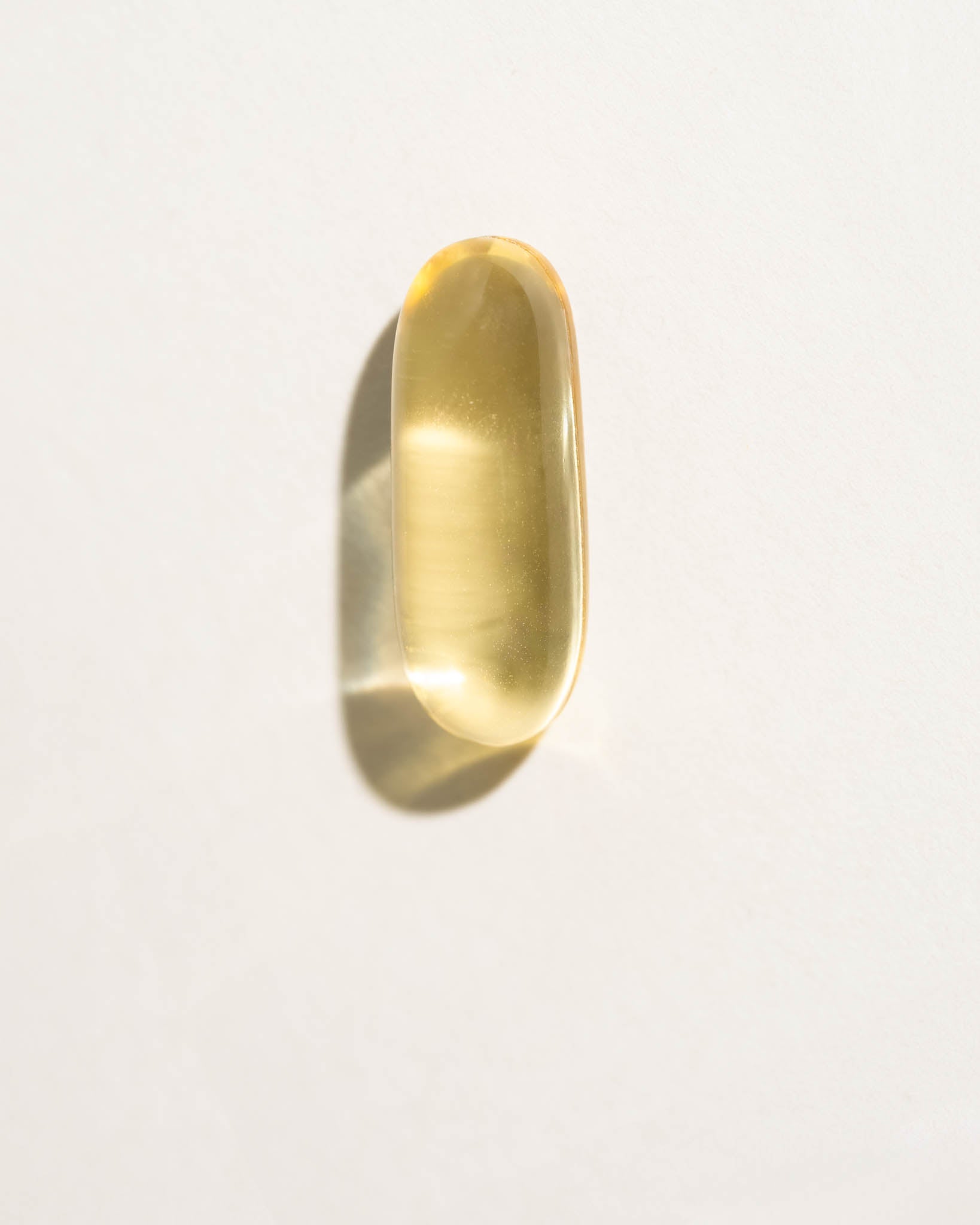
High-purity DHA & EPA for real hormonal support


Advanced mood, relaxation & stress-support formula

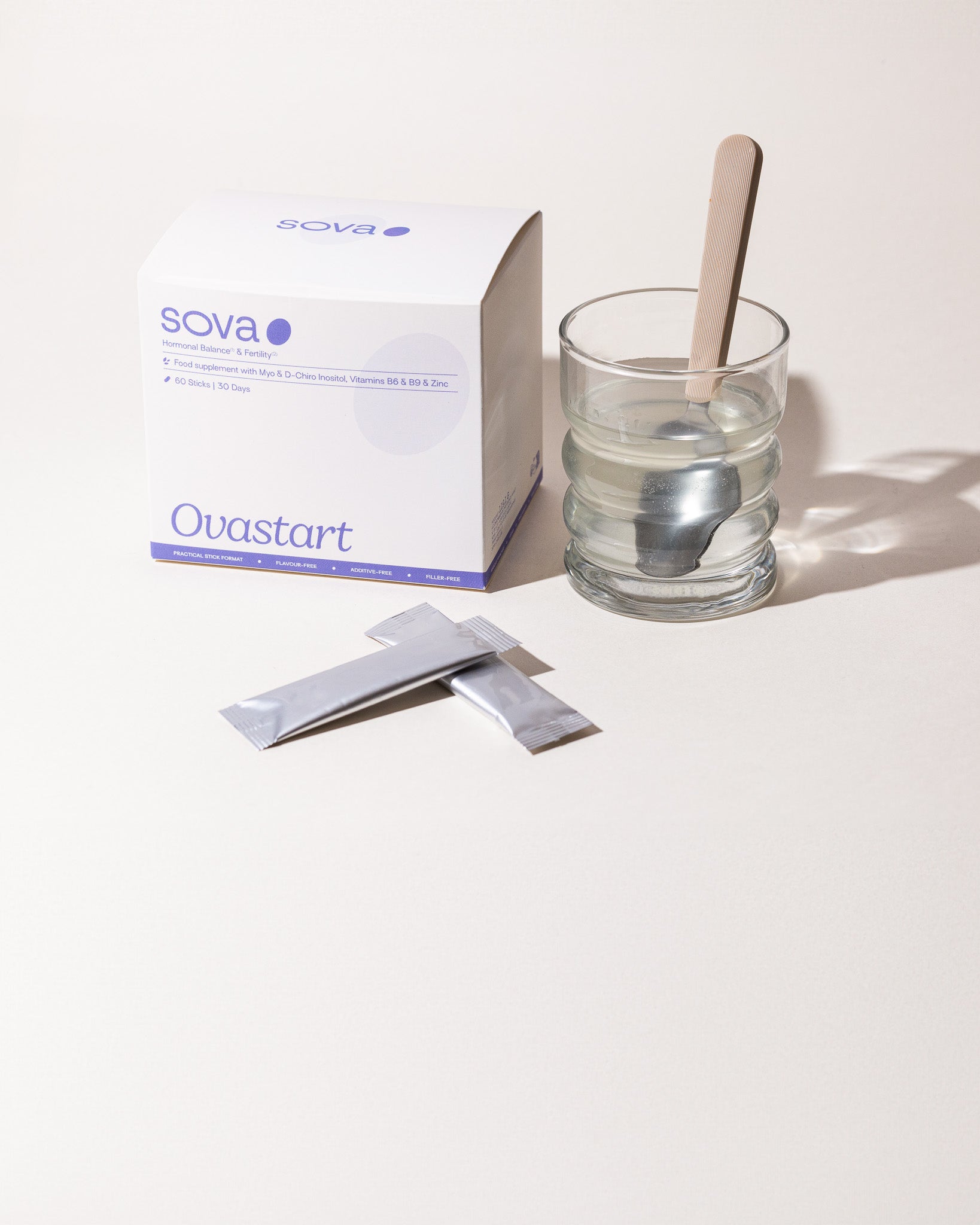
Inositol Powder Supplement for PCOS