




The Balance Bundle
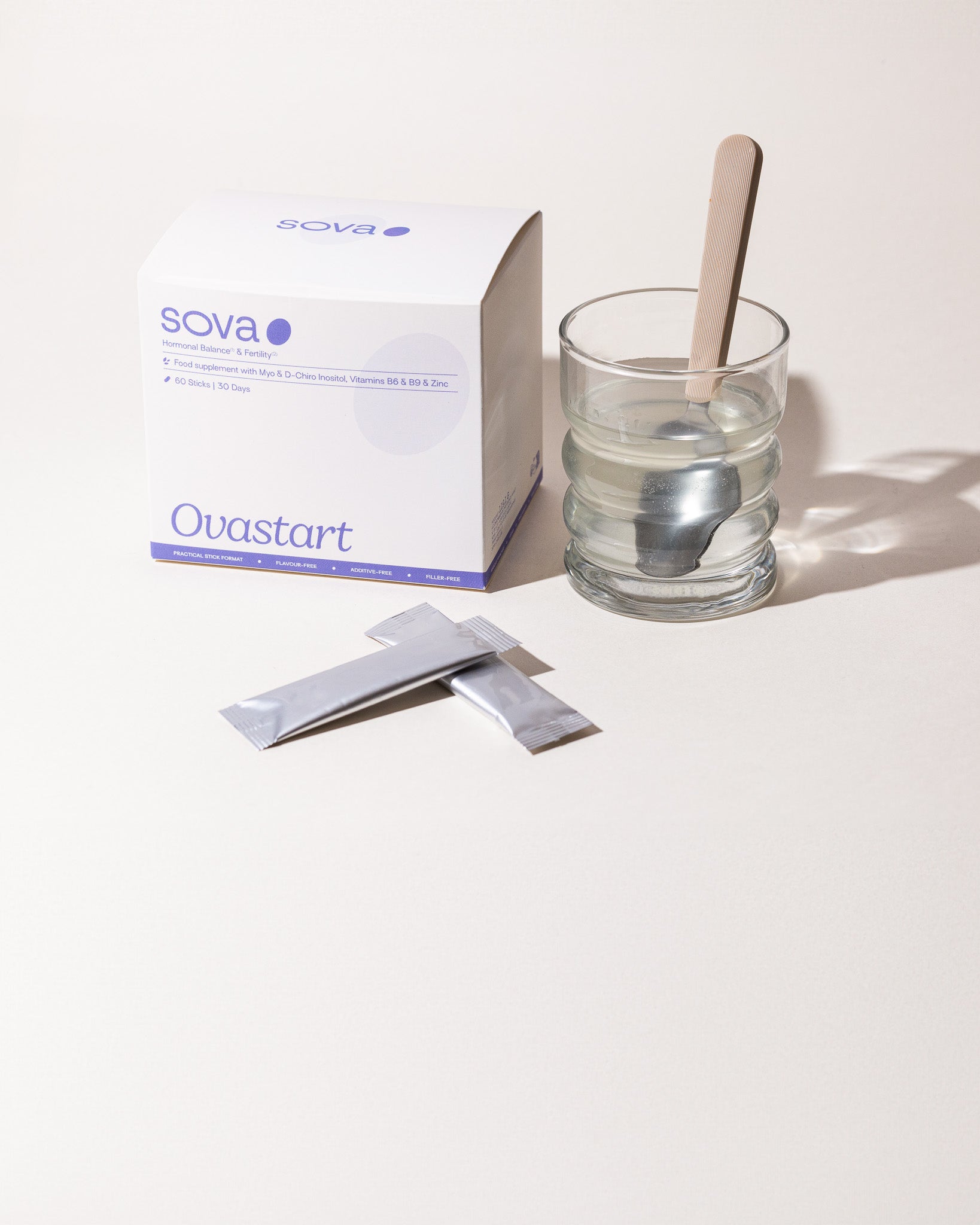
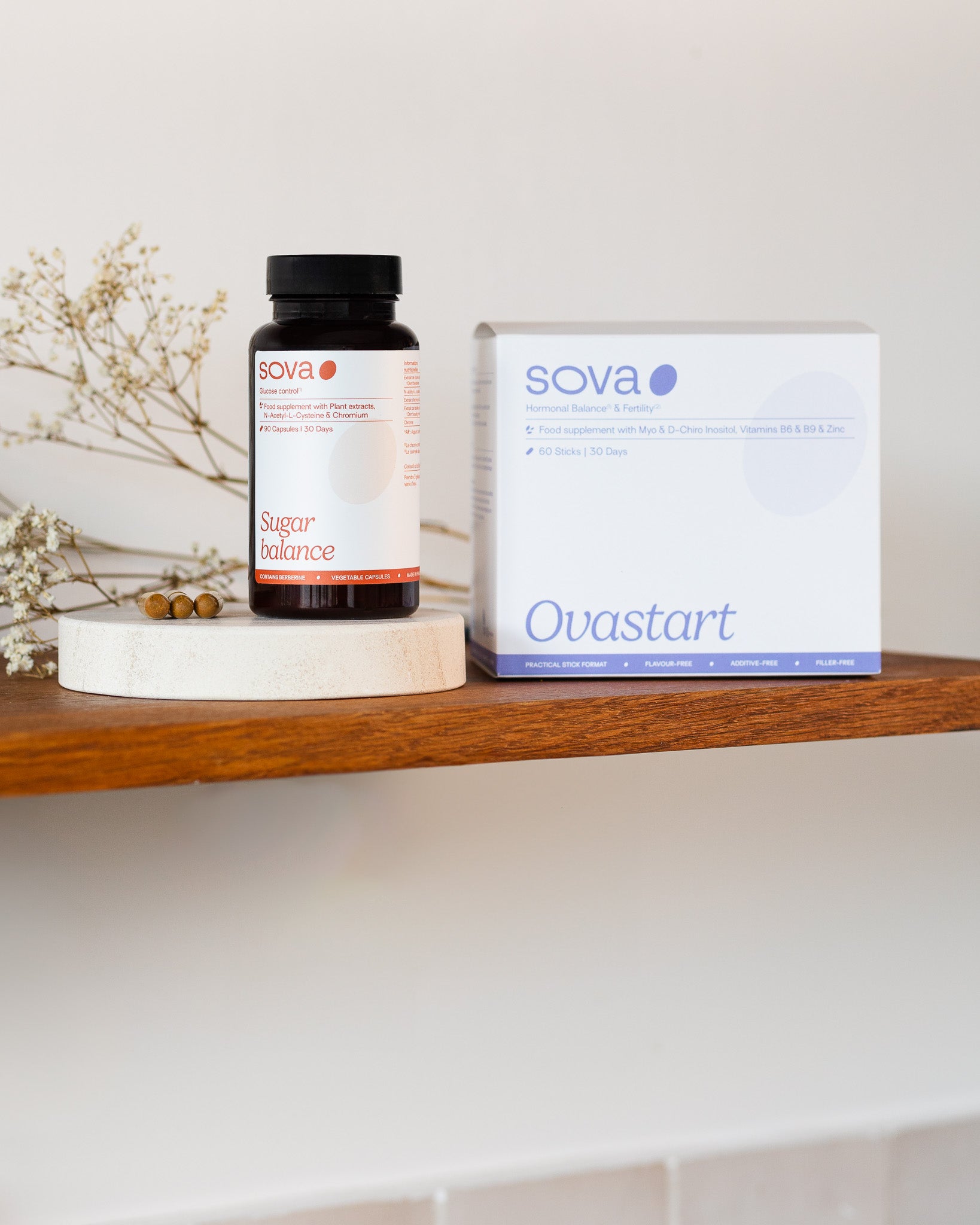
The Hormone Balance Supplements Built for PCOS - Two Products, One Complete System
From £53

Sugar Balance
Berberine Supplement UK - Blood Sugar, Insulin & Metabolic Support for Women with PCOS
From £26
Table of contents
- 01. Beyond the Label: What Is PMOS?
- 02. The Biology of PMOS: Why Your Metabolism Controls Your Hormones
- 03. Symptoms Redefined: The PMOS Spectrum
- 04. The New Diagnostic Standard: How PMOS Is Identified
- 05. Managing PMOS: A Metabolic-First Approach
- 06. The Four PMOS Subtypes: Finding Your Root Cause
- 07. Advocating for Yourself During the Transition
- 08. Frequently Asked Questions about PMOS
- 09. Glossary
- 10. Scientific Sources
📌 In summary: PCOS has officially been renamed PMOS (Polyendocrine Metabolic Ovarian Syndrome). Announced in May 2026 after 11 years of global research involving over 14,000 stakeholders, this new name - validated by 56 international organisations - finally reflects the reality of the condition: a systemic hormonal and metabolic disorder, not just a problem with the ovaries. The word "polycystic" has been dropped because it was scientifically misleading - what appear on scans are immature follicles, not cysts.
You may have already seen it circulating online or heard it from your doctor: PCOS has a new name. If you are wondering what that means for your diagnosis, your symptoms, or your day-to-day management - you are in the right place.
On 12 May 2026, a landmark international announcement confirmed that polycystic ovary syndrome would henceforth be known as Polyendocrine Metabolic Ovarian Syndrome (PMOS). This decision, the result of 11 years of collaborative research and input from over 14,000 patients, clinicians, and researchers worldwide, marks a historic shift in how this condition is understood and treated. (1)
In this article, we break down what PMOS means, why the old name was holding women back, and - most importantly - what this change means for how you manage your health every day.
Beyond the Label: What Is PMOS?
Managing the multi-hormonal complexity of PMOS begins with metabolic support. To help stabilize blood glucose and manage insulin resistance, discover Sugar Balance, or explore Ovastart Myo-Inositol to support regular ovulation and hormone regulation from the inside out.
From PCOS to PMOS - A Side-by-Side Comparison
Before we dive into the biology, here is the clearest way to see what has changed:
| Feature | PCOS (Old View) | PMOS (Modern View) |
|---|---|---|
| Name meaning | Polycystic Ovary Syndrome | Polyendocrine Metabolic Ovarian Syndrome |
| Primary focus | The ovaries and reproductive system | The whole hormonal and metabolic system |
| The "cysts" | Described as ovarian cysts | Correctly identified as immature follicles, not cysts |
| Insulin resistance | Not in the name; frequently missed | Explicitly embedded in the Metabolic component |
| Hormonal systems involved | Primarily ovarian | Ovaries, pancreas, adrenal glands, thyroid |
| Diagnostic criteria | Rotterdam criteria (2003) | Rotterdam criteria (updated 2023) - unchanged |
Why Is PCOS Now Called PMOS?
PCOS was renamed PMOS because the original name was scientifically inaccurate on two fronts.
First, the term "polycystic" is misleading. What appears on an ovarian ultrasound is not a cluster of cysts - it is a collection of immature follicles, each containing an undeveloped egg. True ovarian cysts are not more prevalent in women with this condition than in the general population. (1)
Second, naming it a "polycystic ovary syndrome" framed it as a disease of the ovaries. This fundamentally understated what PMOS actually is: a systemic, multi-hormonal disorder with roots in metabolism, insulin signalling, and the activity of several endocrine glands working together. The consequences were real:
- For patients: many spent years believing they had an ovarian problem, unable to understand why they were gaining weight, struggling with acne, or exhausted all the time.
- For doctors: some dismissed the diagnosis if a patient did not show the classic ultrasound appearance - even when other criteria were clearly met.
- For research: funding concentrated on reproductive outcomes while metabolic and cardiovascular dimensions were under-resourced for decades.
What Does PMOS Stand For?
Let's break it down, letter by letter:
- P - Polyendocrine: "poly" means several, "endocrine" refers to hormone-producing glands. Several hormonal systems are involved: ovaries, pancreas (insulin), adrenal glands (cortisol, DHEA), and sometimes the thyroid.
- M - Metabolic: the biggest shift. The name now officially recognises the metabolic dimension: insulin resistance, weight gain, and an increased risk of type 2 diabetes and cardiovascular disease. (2)
- O - Ovarian: the ovaries remain involved (dysovulation, hyperandrogenaemia), but they are no longer the sole centre of the condition.
- S - Syndrome: a cluster of signs and symptoms that present differently from woman to woman.
In short: PMOS is a global hormonal disorder affecting multiple organs in cascade. That is why symptoms vary so much between women - and why a whole-system approach is needed to manage it effectively.
A 3-year transition period is now underway. Both names - PCOS and PMOS - will coexist in medical communication while healthcare systems, guidelines, and training programmes are updated.
The Biology of PMOS: Why Your Metabolism Controls Your Hormones
Hyperinsulinaemia: The Engine Behind the Symptoms
To understand PMOS, you need to understand one key idea: insulin is not just a blood sugar hormone. It is what researchers describe as a "master hormone" - one that influences the entire endocrine system, including your ovaries.
In approximately 70% of women with PMOS, the body becomes less sensitive to insulin. (2) The pancreas compensates by producing more and more of it. This state - known as hyperinsulinaemia - sends a disruptive signal directly to the ovaries: instead of responding normally to FSH (the hormone that stimulates egg development), they are pushed to produce more testosterone.
This is why symptoms like acne, excess body hair, and thinning scalp hair are so common in PMOS - they are downstream effects of elevated androgens, driven by a metabolic problem at the root.
👉 To understand this connection in depth, read our article on insulin resistance and PCOS.
The Androgen Cascade: How Insulin Triggers Excess Testosterone
Here is how the cascade works:
- Cells become resistant to insulin
- The pancreas produces more insulin to compensate
- High insulin levels signal the ovaries to produce androgens (testosterone)
- Elevated androgens disrupt follicle maturation and ovulation
- Immature follicles accumulate - creating the characteristic appearance on ultrasound
This is also why HOMA-IR - a calculation from your fasting glucose and fasting insulin - is one of the most useful markers for PMOS. A score above 2.5 is often used as a clinical threshold for insulin resistance. It gives a far more accurate picture than a standard glucose or HbA1c test alone. Ask your GP to include it in your next blood panel.
Symptoms Redefined: The PMOS Spectrum
What Are the Symptoms of PMOS?
PMOS is a spectrum condition - no two women experience it in exactly the same way. The main symptoms can be grouped into three categories:
Metabolic symptoms
- Difficulty losing weight, particularly around the abdomen
- Strong sugar cravings or energy crashes after meals
- Insulin resistance (affects approximately 70% of women with PMOS) (2)
- Persistent fatigue that does not fully resolve with rest
- Elevated cholesterol or triglycerides
Hormonal and reproductive symptoms
- Irregular or absent periods
- Difficulty conceiving
- Elevated testosterone or DHEA on blood tests
- Low SHBG (sex hormone-binding globulin)
Androgenic (visible) symptoms
- Acne, particularly on the jaw, chin, and back
- Hirsutism - unwanted hair on the face, chest, or abdomen
- Hair thinning or loss on the scalp
- Acanthosis nigricans - dark, velvety patches in skin folds (a visual marker of insulin resistance)
PMOS also carries a significant mental health dimension. Women with the condition are more likely to experience anxiety, depression, and disrupted sleep - often as a direct consequence of hormonal dysregulation. (3) Exhaustion and persistent fatigue are also common symptoms for many women.
Visible Indicators: From Acne to Acanthosis Nigricans
Androgenic symptoms like acne and hirsutism are often the first signs that bring women to their GP - and unfortunately, they tend to be treated in isolation rather than as signals of an underlying hormonal imbalance. Acanthosis nigricans - dark, slightly raised patches on the back of the neck, underarms, or groin - is a direct visual marker of elevated insulin and should prompt a full metabolic workup.
The New Diagnostic Standard: How PMOS Is Identified
When Was PCOS Renamed to PMOS?
The official renaming was announced on 12 May 2026, following a global consensus process led by Monash University in Australia, in partnership with the AE-PCOS Society and 56 professional and patient organisations. The findings were published in The Lancet. (1)
The Rotterdam Criteria: What Has and Has Not Changed
If you already have a PCOS diagnosis, you do not need to do anything. Your diagnosis remains valid. The Rotterdam criteria - updated in 2023 - remain the gold standard. To be diagnosed, you need to meet 2 out of 3 of the following (3):
- A dysovulation - irregular or absent menstrual cycles
- Hyperandrogenaemia - clinical signs (acne, hirsutism, hair loss) or elevated androgens on blood tests
- Polycystic ovarian morphology on ultrasound, or elevated AMH
What changes is the philosophy of care. The new name encourages clinicians to extend their workup beyond a pelvic ultrasound and include metabolic markers.
Why Your "Normal" Blood Work Might Still Signal PMOS
Standard blood panels do not routinely include fasting insulin or HOMA-IR. A woman with PMOS can have a "normal" fasting glucose and still be significantly insulin resistant - because the pancreas is working overtime to compensate. Always request a full workup.
✅ Your PMOS Metabolic Health Check - Tests to Request
- Fasting glucose + fasting insulin (HOMA-IR): assesses insulin resistance - the core driver in ~70% of cases
- Full lipid panel: cholesterol (HDL, LDL), triglycerides
- Full thyroid panel: TSH, T3, T4, thyroid antibodies - Hashimoto's is 3x more common in PMOS
- Full androgen panel: total and free testosterone, DHEA, SHBG
- AMH: useful diagnostic marker when ultrasound is inconclusive
- Micronutrient screen: vitamin D, ferritin, zinc, B12
- CRP (high-sensitivity): checks for underlying low-grade inflammation
Managing PMOS: A Metabolic-First Approach
Whatever your symptom profile, one thing is consistent: lifestyle is the most powerful tool you have. No supplement or medication works as effectively without it as a foundation.
The Insulin-Sensitising Diet: Beyond Calorie Counting
The goal is not to eat less. The goal is to lower insulin demand - and that happens through food quality, meal composition, and timing.
- Prioritise protein and fibre first: eating these at the start of a meal significantly blunts the glucose spike from the carbohydrates that follow
- Choose low-glycaemic carbohydrates: whole grains, legumes, root vegetables
- Move after meals: even a 10-minute walk reduces post-meal insulin by engaging muscles as glucose sinks
- Eat enough healthy fats: oily fish, olive oil, avocado, nuts
- Avoid ultra-processed foods and added sugars: these drive insulin spikes and perpetuate the cycle
Movement: Why Strength Training Beats Chronic Cardio for PMOS
Long-duration cardio can raise cortisol in women with PMOS - particularly those with an adrenal component - which in turn worsens insulin resistance. (4) Resistance training directly improves insulin receptor sensitivity in muscle cells, because muscle is one of the primary sites for glucose uptake. The best exercise is the one you will do consistently - the key is regularity over intensity.
Inositol, Metformin, and the Role of GLP-1s
Inositol - specifically the myo-inositol and D-chiro-inositol combination at a 40:1 physiological ratio - is one of the most studied natural supplements for PMOS. A meta-analysis of randomised controlled trials found that myo-inositol significantly improves insulin sensitivity, hormonal markers, and ovulation rates. (5)
👉 Read our article on inositol and PCOS - benefits and uses.
Metformin remains the most commonly prescribed medication for PMOS with insulin resistance. (2) GLP-1 receptor agonists (such as semaglutide) are emerging in clinical discussions - always discuss with your doctor whether this is right for your situation.
Managing Stress: The Cortisol-Insulin Loop
Cortisol directly raises blood glucose, which raises insulin. In a body already prone to insulin resistance, chronic stress creates a self-perpetuating hormonal cycle.
- Prioritise 7-9 hours of sleep per night
- Practise stress-reduction: gentle yoga, breathwork, or daily walks in natural light
- Limit caffeine, especially after midday
- Get natural light exposure within 30 minutes of waking to regulate your cortisol rhythm
The Four PMOS Subtypes: Finding Your Root Cause
Understanding your subtype helps identify which lifestyle levers to prioritise. These subtypes are widely used in functional and integrative medicine.
1. Insulin-Resistant PMOS
The most common subtype, affecting around 70% of women with PMOS. (2) High insulin drives androgen production, disrupts ovulation, and causes weight to accumulate around the abdomen.
Signs that may point to this type: sugar cravings, post-meal fatigue, weight around the waist, acanthosis nigricans, HOMA-IR above 2.5.
2. Inflammatory PMOS
In this subtype, chronic low-grade inflammation - often originating in the gut - disrupts hormonal balance and worsens insulin resistance. Sources include gut dysbiosis, intestinal permeability, food intolerances, and omega-3 deficiency.
Signs that may point to this type: recurrent bloating, irregular digestion, skin flares, joint aches, elevated CRP on blood tests.
3. Adrenal PMOS
Here, the adrenal glands - not the ovaries - are the primary source of excess androgens. Elevated DHEA-S (with normal or mildly elevated testosterone) is the key marker. Chronic stress is typically the main driver.
Signs that may point to this type: elevated DHEA-S, a "wired but tired" feeling, cortisol dysregulation, stress-triggered flares.
👉 Read our dedicated article on adrenal PCOS for a full breakdown.
4. Post-Pill PMOS
This subtype emerges after stopping hormonal contraception. The pill suppresses the hypothalamic-pituitary-ovarian axis, and for women with an underlying predisposition, the rebound can trigger PMOS-like symptoms. This type is generally temporary, often resolving within 6-18 months with appropriate lifestyle support.
Signs that may point to this type: sudden onset of acne, cycle irregularity, or hair loss after stopping the pill, with no significant symptoms beforehand.
⚠️ Important: these subtypes are not mutually exclusive. Many women present with a combination. The goal is not to put yourself in a box, but to understand your personal drivers and prioritise your approach accordingly.
Advocating for Yourself During the Transition
If you have an upcoming appointment, here are specific asks that reflect the PMOS framework - bringing these up directly can significantly change the quality of your care:
- Request a full metabolic workup: not just a pelvic ultrasound - ask for fasting insulin, HOMA-IR, and a lipid panel
- Ask about thyroid antibodies: Hashimoto's thyroiditis is 3x more common in women with PMOS
- Bring up cardiovascular risk: PMOS is associated with increased long-term risk of type 2 diabetes and cardiovascular disease (3)
- Request a mental health check-in: anxiety and depression are significantly more prevalent in PMOS
- If your GP is unfamiliar with the new name, reference Teede et al., The Lancet, 2026
Frequently Asked Questions about PMOS
What does PMOS stand for?
PMOS stands for Polyendocrine Metabolic Ovarian Syndrome - the updated scientific name for PCOS, officially adopted in May 2026 following a global consensus published in The Lancet.
Is PMOS the same as PCOS?
Yes. PMOS is the evolved medical name for PCOS. The condition is the same - the name has changed to better reflect its systemic, hormonal, and metabolic nature. Your existing diagnosis remains fully valid.
Do I still have cysts if I have PMOS?
No - and you never did in the clinical sense. The structures visible on an ovarian ultrasound in PMOS are immature follicles, not true cysts. True ovarian cysts are a separate finding and are not more common in women with PMOS. (1)
Is there a cure for PMOS?
PMOS is a lifelong hormonal predisposition - it cannot be cured. However, many women achieve full symptomatic remission through targeted lifestyle changes, appropriate supplementation, and medical support where needed.
Will my doctor still use the term PCOS?
Possibly yes, for now. A 3-year transition period is underway. Both terms refer to the same condition, and your current diagnosis remains valid throughout.
What are the 4 types of PMOS?
The four commonly described subtypes are: insulin-resistant PMOS (the most common, ~70% of cases), inflammatory PMOS (driven by chronic inflammation), adrenal PMOS (elevated DHEA-S, often stress-driven), and post-pill PMOS (appearing after stopping hormonal contraception). Subtypes often overlap.
When was PCOS officially renamed PMOS?
On 12 May 2026, following publication of the global consensus paper in The Lancet, led by Monash University and the AE-PCOS Society with input from 56 international organisations and over 14,000 stakeholders worldwide. (1)
Glossary
- PMOS: Polyendocrine Metabolic Ovarian Syndrome - the updated name for PCOS since May 2026.
- PCOS: Polycystic Ovary Syndrome - the former name, still in use during the 3-year transition period.
- Polyendocrine: involving multiple endocrine (hormone-producing) glands simultaneously.
- Hyperinsulinaemia: chronically elevated insulin levels caused by insulin resistance - a core driver in most PMOS cases.
- Insulin resistance: a state in which cells respond less effectively to insulin, pushing the pancreas to produce more - this excess insulin disrupts androgen levels in the ovaries.
- HOMA-IR: a calculation from fasting glucose and fasting insulin that measures insulin resistance. A score above 2.5 suggests insulin resistance.
- Follicle: a small fluid-filled sac in the ovary containing an immature egg - not the same as a cyst.
- AMH (Anti-Mullerian Hormone): produced by ovarian follicles - often elevated in PMOS and used as a diagnostic marker.
- Rotterdam criteria: the diagnostic framework for PMOS requiring 2 out of 3 criteria: dysovulation, hyperandrogenaemia, and polycystic ovarian morphology (updated 2023).
- Dysovulation: disrupted or absent ovulation, resulting in irregular or absent periods.
- Acanthosis nigricans: dark, velvety skin patches in body folds - a visible marker of elevated insulin.
- SHBG: a protein that binds sex hormones - low levels in PMOS mean more free testosterone, worsening androgenic symptoms.
- AE-PCOS Society: the international scientific society dedicated to androgen excess and PMOS/PCOS research.
Scientific Sources
- Teede H. et al., The Lancet, 2026. "Renaming polycystic ovary syndrome to polyendocrine metabolic ovarian syndrome: a global consensus process." Presented at the European Congress of Endocrinology, Prague, May 2026. Press release: Monash Centre for Health Research & Implementation, 12 May 2026.
- INSERM, official dossier: "Syndrome des ovaires polykystiques (SOPK)." Authors: Paolo Giacobini and Sophie Catteau-Jonard, Lille neurosciences & cognition (Inserm/Universite de Lille, CHU de Lille). Available at inserm.fr.
- Teede H.J. et al., "Recommendations from the 2023 International Evidence-based Guideline for the Assessment and Management of Polycystic Ovary Syndrome." Fertility and Sterility, 2023. DOI: 10.1016/j.fertnstert.2023.07.025. PMID: 37589624.
- Chaudhari A.P. et al., "Anxiety, Depression, and Quality of Life in Women with Polycystic Ovary Syndrome." Indian Journal of Psychological Medicine, 2018. DOI: 10.4103/IJPSYM.IJPSYM_561_17. PMID: 30266968.
- Unfer V. et al., "Myo-inositol effects in women with PCOS: a meta-analysis of randomized controlled trials." Endocrine Connections, 2017. DOI: 10.1530/EC-17-0243. PMID: 29042448.
We hope this article has helped you understand what the name change means for you. Whatever the label, we believe one thing at SOVA: you are not alone, and you deserve care that matches the full complexity of what you are living with ❤️
Over 50,000 women have already adopted our routines, rating us an excellent 4.7/5 average (from 3,300+ reviews). Our supplements are formulated in French laboratories using clean, carefully sourced ingredients, with a maximum of patented active ingredients proven for their effectiveness.
- Founded by women with PCOS, we understand the reality of hormonal disorders.
- Clinically studied: High-quality ingredients, including patented forms like Quatrefolic® and an optimal Myo-/D-Chiro Inositol ratio.
- Holistic support: Formulated for hormonal balance, metabolic health, inflammation, mood, and cycle regulation.
- Science-led formulas: Transparent ingredients with absolutely no unnecessary additives.

The Hormone Balance Supplements Built for PCOS - Two Products, One Complete System
Berberine Supplement UK - Blood Sugar, Insulin & Metabolic Support for Women with PCOS