



The Balance Bundle
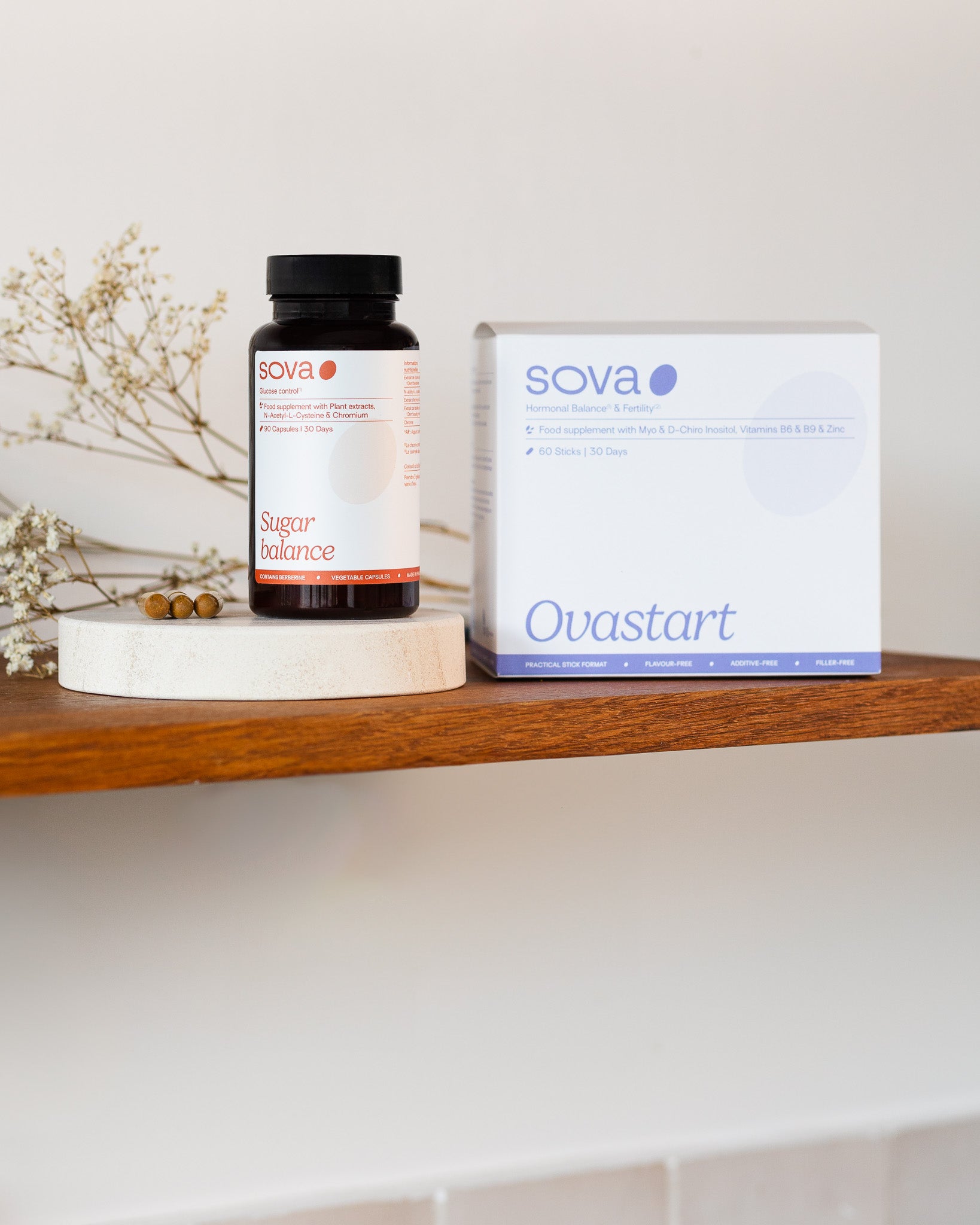
The Hormone Balance Supplements Built for PCOS - Two Products, One Complete System
From £53

Sugar Balance
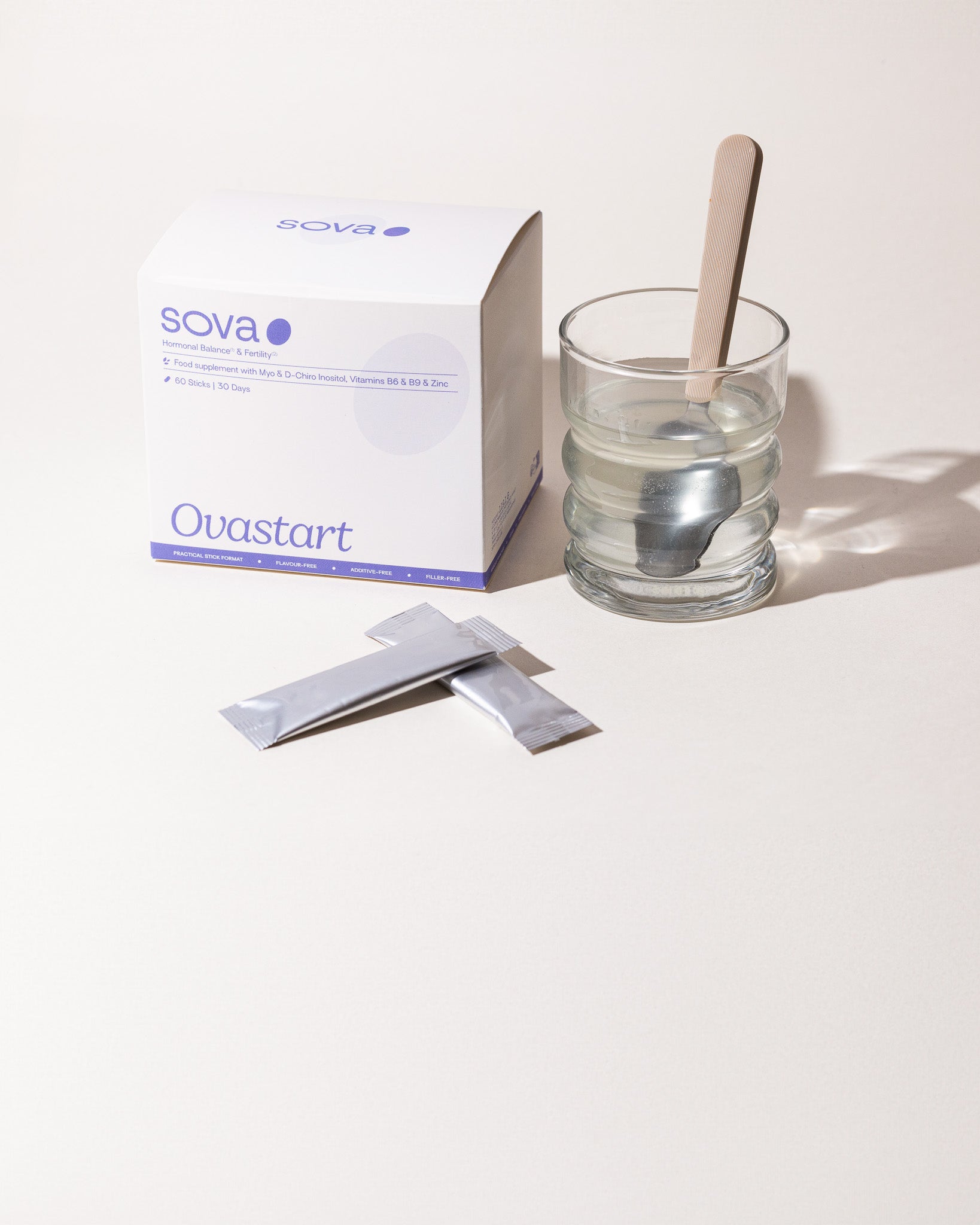
Berberine Supplement UK - Blood Sugar, Insulin & Metabolic Support for Women with PCOS
From £26
Table of contents
- 01. The Rotterdam Criteria: How You Can Have Polycystic Ovaries with Regular Cycles
- 02. Polycystic Ovaries (PCO) vs. Polycystic Ovary Syndrome (PCOS): What's the Difference?
- 03. Silent Anovulation: Why a Regular Period Doesn't Always Mean You Ovulated
- 04. How to Diagnose PCOS When Your Menstrual Cycle Is Normal
- 05. Managing "Ovulatory" or Mild PCOS Symptoms Effectively
📌 In short: Yes - you can have polycystic ovaries, or even a full PCOS diagnosis, while your periods arrive right on time every month. Under the official Rotterdam criteria, you only need 2 out of 3 markers to qualify: polycystic ovaries on ultrasound, signs of excess androgens, or irregular cycles. If the first two are present, a regular cycle does not rule anything out. On top of that, a "regular" bleed does not always mean you ovulated - a pattern called silent or hidden anovulation. Diagnosis in this situation relies less on your calendar and more on hormone testing, ovulation tracking, and looking at the bigger metabolic picture.
Can You Have Polycystic Ovaries with Regular Periods? Diagnostic Criteria & Hidden Symptoms
Having a regular cycle often creates the expectation that your hormones are completely in balance. So when an ultrasound mentions "polycystic ovaries," or a blood test comes back with elevated androgens, and someone uses the word PCOS, feeling confused is completely natural. How can you have a hormonal condition known for irregular or missing periods, when yours has never missed a beat? Let's explore how these two experiences can co-exist.
Here is the truth doctors don't always take the time to explain: a predictable, regular cycle does not rule out polycystic ovaries or PCOS. It sounds contradictory, but it is medically accurate, and it is far more common than most women realize. The World Health Organization estimates that up to 70% of women living with PCOS remain undiagnosed worldwide, and confusion around "but my period is normal" is one of the main reasons why (1).
In this article, we'll walk you through why this happens, how the official diagnostic criteria actually work, and what "silent" ovulation problems look like - so you can make sense of your results and have a more productive conversation at your next appointment. If you'd like the full picture on this topic first, you can also read our companion article on regular periods and PCOS.
★ Key Takeaways
Fact check: a predictable cycle (say, 28 days) does not rule out polycystic ovaries or PCOS.
The diagnostic criteria: under the Rotterdam criteria, you only need 2 out of 3 markers to be diagnosed. You do not need irregular periods if you already have polycystic ovaries and elevated androgens.
Hidden anovulation: bleeding on schedule can still happen without a true ovulation - this is called anovulatory bleeding.
Management focus: care centres on androgen balance, insulin sensitivity, and metabolic health - not on "fixing" a cycle that already looks regular.
The Rotterdam Criteria: How You Can Have Polycystic Ovaries with Regular Cycles
PCOS is diagnosed using a framework called the Rotterdam criteria, most recently updated in the 2023 international evidence-based guideline. To receive a diagnosis, a woman needs to meet at least 2 of the following 3 criteria, once other conditions (like thyroid disorders) have been ruled out (2):
- Polycystic ovarian morphology on ultrasound - a higher-than-average number of small follicles. The 2023 guideline updated this threshold to 20 or more follicles in at least one ovary when modern high-frequency ultrasound is used (up from the older 12-follicle cutoff from the original 2003 Rotterdam criteria), or an ovarian volume of 10 mL or more if image quality doesn't allow an accurate follicle count. In adults, an elevated Anti-Müllerian Hormone (AMH) level can also be used instead of imaging - though AMH testing is not recommended for diagnosis in adolescents, since follicle counts (and AMH) are naturally higher during puberty and can be mistaken for polycystic ovarian morphology.
- Clinical or biochemical hyperandrogenism - excess male hormones such as testosterone or DHEAS, showing up as acne, hirsutism (excess facial or body hair), or hair thinning.
- Ovulatory dysfunction - irregular, delayed, or absent periods.
Look closely at that list again. Only one of the three criteria is about your cycle. This means that if you have polycystic ovaries on ultrasound (criterion 1) and clear signs of excess androgens (criterion 2), you meet the official diagnostic criteria for PCOS - even if criterion 3 doesn't apply to you at all, and your cycle is textbook-perfect. In clinical literature, this specific presentation - polycystic ovaries and hyperandrogenism with regular, ovulatory cycles - has its own name: Phenotype C, or "ovulatory PCOS." It's worth remembering that term; having the precise medical vocabulary can help you be taken seriously and guide the conversation when you next see your doctor.
👉 To understand how this connects to your metabolism, you can read more about insulin resistance and PCOS.
Polycystic Ovaries (PCO) vs. Polycystic Ovary Syndrome (PCOS): What's the Difference?
One of the biggest sources of confusion is that "polycystic ovaries" and "PCOS" are often used as if they mean the same thing. They don't.
Polycystic ovaries (PCO) simply describes what an ultrasound shows: ovaries containing a higher number of small, immature follicles (not actual cysts, despite the name). This appearance on its own is remarkably common - one frequently cited study found that ovaries meeting these ultrasound criteria can be seen in as many as 62% of women with completely normal ovulation and no symptoms at all (3). In other words, having "polycystic-looking" ovaries is, by itself, closer to a normal anatomical variation than a diagnosis.
Polycystic Ovary Syndrome (PCOS), on the other hand, is a broader hormonal and metabolic condition. It only becomes "syndrome" when the ovarian appearance is paired with at least one other criterion - excess androgens or ovulatory dysfunction - along with the wider metabolic picture that often comes with it (insulin resistance, weight changes, cardiovascular risk).
| Feature / Criteria | Normal Variation | Polycystic Ovaries (PCO) | Polycystic Ovary Syndrome (PCOS) |
|---|---|---|---|
| Ultrasound findings | Normal follicle count | High follicle count (20 or more per ovary on modern ultrasound, or ovarian volume ≥10 mL) | High follicle count (20 or more per ovary on modern ultrasound, or ovarian volume ≥10 mL) |
| Menstrual cycle | Regular (21-35 days) | Regular | Often irregular - though regular in a meaningful minority of cases |
| Androgen levels | Normal | Normal | Elevated (acne, hirsutism, hair shedding) |
| Metabolic impact | None | None | Common (insulin resistance, cravings, weight changes) |
| Medical status | Normal physiology | Harmless anatomical variant | Chronic endocrine & metabolic condition |
👉 If you'd like to understand the full range of symptoms linked to the syndrome, we cover this in detail in our guide to PCOS symptoms.
Silent Anovulation: Why a Regular Period Doesn't Always Mean You Ovulated
This is probably the single most misunderstood part of the whole picture: bleeding is not proof of ovulation.
A "true" period happens after ovulation, once the corpus luteum (the structure left behind after an egg is released) breaks down and progesterone drops, triggering the uterine lining to shed. But when ovulation doesn't happen, the ovary keeps producing estrogen without the progesterone that normally follows. Left unopposed, estrogen keeps building up the uterine lining until it becomes unstable and sheds anyway - on a schedule that can look perfectly regular from the outside (4). This pattern is often called anovulatory bleeding, and clinicians have specifically noted that women with the condition can have a documented history of "regular" periods despite not ovulating consistently (5).
So how do you actually know if you're ovulating? A few accessible options:
- Basal Body Temperature (BBT) charting - your temperature rises slightly (around 0.3-0.5°C) after ovulation and stays elevated until your next period.
- LH surge tracking - ovulation predictor strips detect the hormone surge that happens 24-36 hours before an egg is released.
- Day 21 serum progesterone test - a blood test (typically done around day 21 of a 28-day cycle, or 7 days before your expected period in longer cycles) that confirms whether ovulation actually took place.
👉 We go into more detail on this in how to monitor your cycle with PCOS and how to tell if you're ovulating using cervical mucus.
How to Diagnose PCOS When Your Menstrual Cycle Is Normal
If your cycle is regular but something still feels off - unexplained acne, stubborn hair growth, energy crashes, or a diagnosis that doesn't match what you were told to expect - here is a practical checklist to bring to your next appointment.
📋 Doctor Appointment Checklist: Tracking "Hidden" PCOS Symptoms
☐ Cycle & ovulation verification - track BBT or LH surge strips to confirm whether your regular bleeding actually aligns with true ovulation.
☐ Hyperandrogenism symptoms - note persistent cystic acne (jawline or chin), hirsutism (excess facial or body hair), or diffuse scalp hair thinning.
☐ Metabolic & insulin markers - log intense sugar or carb cravings after meals, mid-afternoon energy crashes, or dark, velvety skin patches (acanthosis nigricans).
☐ Targeted lab tests to request - ask for free and total testosterone, DHEAS, fasting insulin, and a Day 21 serum progesterone test.
Arriving at your appointment with a few weeks of tracked observations - symptoms, temperature, or ovulation tracking - rather than just "my cycle is fine but something feels wrong," is a wonderful way to reclaim ownership of your care and guide your doctor toward a more thorough, personalised evaluation.
Managing "Ovulatory" or Mild PCOS Symptoms Effectively
When your cycle is already regular, treatment doesn't need to focus on "fixing" it. Instead, the goal is to address what's actually driving your symptoms: excess androgens, insulin resistance, or an overactive stress response. Here are the three areas worth prioritising.
1. Balancing Androgens
Since this profile is often driven by excess androgens rather than irregular cycles, managing testosterone and DHEAS levels is usually the priority. Some women find that spearmint tea or saw palmetto, taken consistently over a few months, can support a gentler hormonal balance, and in more pronounced cases a doctor may discuss anti-androgen medical therapies. Chronic low-grade inflammation is also known to aggravate androgen-driven symptoms like acne and hirsutism, which is why supporting your inflammatory response matters here too. According to Inserm, excess hair growth (hirsutism) affects around 70% of women living with the condition (6) - so if hair is part of your experience, you are far from alone.

If hair thinning or hair loss is one of your main concerns, it's also worth supporting your scalp directly alongside your internal hormone work.

👉 Read more in excessive hair growth and PCOS: what are the solutions and hormonal acne: causes and solutions.
2. Supporting Insulin Sensitivity
Insulin resistance doesn't only show up as irregular cycles - it can quietly drive androgen excess even when ovulation is otherwise unaffected. Prioritise balanced meals built around protein and fibre, and consider adding regular strength training, which is one of the most effective ways to improve how your muscles use glucose. Inositol is one of the most studied nutrients in this space: a meta-analysis of randomised controlled trials found that myo-inositol supplementation improves both insulin sensitivity and markers of ovarian function in women with the condition (7). Research increasingly points to the combination of myo-inositol and D-chiro-inositol, taken together in their natural physiological balance, as particularly effective for supporting insulin signalling and ovarian health.

Stabilising blood sugar swings throughout the day - rather than only at mealtimes - also helps take pressure off your insulin response.

👉 For more on this connection, read insulin resistance and PCOS: what's the link.
3. Calming the Stress Response (Adrenal Health)
Chronic stress deserves its own mention here, because the "adrenal" profile of PCOS - driven by cortisol and DHEA from the adrenal glands rather than the ovaries - frequently presents with completely normal cycles. Cortisol and insulin influence each other closely, so ongoing stress can quietly worsen androgen symptoms even when your period is unaffected. Aim for 7 to 8 hours of sleep in a genuinely dark room, build in gentle regular movement (walking, yoga, swimming), limit caffeine after early afternoon, and get natural daylight exposure in the morning to help regulate your cortisol rhythm.

👉 Read more in adrenal PCOS: is stress driving your hormone imbalance and managing PCOS-related stress naturally.
We hope this article helped you make sense of a diagnosis that didn't quite match what you expected. Whatever your cycle looks like, we're convinced of one thing at SOVA: you are not alone, and you deserve care that matches the real complexity of your condition 💜
- PCOS (Polycystic Ovary Syndrome): a hormonal and metabolic condition diagnosed when at least 2 of 3 Rotterdam criteria are met. = PCOS (Polycystic Ovary Syndrome): a hormonal and metabolic condition diagnosed when at least 2 of 3 Rotterdam criteria are met.
- PCO (Polycystic Ovaries): an ultrasound finding of a high follicle count, which can occur in healthy women with no hormonal disorder. = PCO (Polycystic Ovaries): an ultrasound finding of a high follicle count, which can occur in healthy women with no hormonal disorder.
- Rotterdam criteria: the internationally recognised set of 3 diagnostic markers used to identify PCOS - polycystic ovaries, hyperandrogenism, and ovulatory dysfunction. = Rotterdam criteria: the internationally recognised set of 3 diagnostic markers used to identify PCOS - polycystic ovaries, hyperandrogenism, and ovulatory dysfunction.
- Hyperandrogenism: excess male hormones (like testosterone or DHEAS) in the blood, causing acne, hirsutism, or hair thinning. = Hyperandrogenism: excess male hormones (like testosterone or DHEAS) in the blood, causing acne, hirsutism, or hair thinning.
- Anovulation: the absence of ovulation during a menstrual cycle - the egg is not released, even though bleeding may still occur. = Anovulation: the absence of ovulation during a menstrual cycle - the egg is not released, even though bleeding may still occur.
- Anovulatory bleeding: uterine bleeding that occurs without ovulation having taken place, caused by unopposed estrogen build-up in the uterine lining. = Anovulatory bleeding: uterine bleeding that occurs without ovulation having taken place, caused by unopposed estrogen build-up in the uterine lining.
- Corpus luteum: the temporary hormone-producing structure that forms after an egg is released, responsible for producing progesterone. = Corpus luteum: the temporary hormone-producing structure that forms after an egg is released, responsible for producing progesterone.
- Basal Body Temperature (BBT): your body's lowest resting temperature, which rises slightly after ovulation - used to confirm whether ovulation occurred. = Basal Body Temperature (BBT): your body's lowest resting temperature, which rises slightly after ovulation - used to confirm whether ovulation occurred.
- AMH (Anti-Müllerian Hormone): a hormone produced by ovarian follicles, often elevated in PCOS and sometimes used instead of ultrasound for diagnosis. = AMH (Anti-Müllerian Hormone): a hormone produced by ovarian follicles, often elevated in PCOS and sometimes used instead of ultrasound for diagnosis.
- Acanthosis nigricans: dark, velvety patches of skin (often on the neck or underarms) that are a common sign of insulin resistance. = Acanthosis nigricans: dark, velvety patches of skin (often on the neck or underarms) that are a common sign of insulin resistance.
- Insulin resistance: a state in which cells respond poorly to insulin, prompting the pancreas to produce more - closely linked to androgen excess in PCOS. = Insulin resistance: a state in which cells respond poorly to insulin, prompting the pancreas to produce more - closely linked to androgen excess in PCOS.
- Inositol: a naturally occurring nutrient shown to support insulin sensitivity and ovarian function in women with PCOS. = Inositol: a naturally occurring nutrient shown to support insulin sensitivity and ovarian function in women with PCOS.
Scientific References
Over 50,000 women have already adopted our routines, rating us an excellent 4.7/5 average (from 3,300+ reviews). Our supplements are formulated in French laboratories using clean, carefully sourced ingredients, with a maximum of patented active ingredients proven for their effectiveness.
- Founded by women with PCOS, we understand the reality of hormonal disorders.
- Clinically studied: High-quality ingredients, including patented forms like Quatrefolic® and an optimal Myo-/D-Chiro Inositol ratio.
- Holistic support: Formulated for hormonal balance, metabolic health, inflammation, mood, and cycle regulation.
- Science-led formulas: Transparent ingredients with absolutely no unnecessary additives.
The Hormone Balance Supplements Built for PCOS - Two Products, One Complete System

Berberine Supplement UK - Blood Sugar, Insulin & Metabolic Support for Women with PCOS