Endometriosis affects roughly 1 in 10 women who menstruate and remains one of the most underdiagnosed conditions in women's health (1). It's a chronic, inflammatory, oestrogen-dependent condition - and those three words matter, because they point directly to where nutritional support can make a real difference. Supplements won't cure endometriosis. But targeted, evidence-informed nutrition can reduce the inflammatory load, lower oxidative stress, and support the hormonal environment in ways that meaningfully improve daily life alongside medical treatment.
Understanding What's Actually Happening in the Body
To understand why certain supplements work, it helps to understand the underlying mechanisms at play in endometriosis.
The first is chronic inflammation. Endometriosis lesions trigger a persistent inflammatory response - not just around the time of the period, but throughout the cycle. This inflammation drives pain, promotes the growth and survival of lesions, and contributes to the fatigue and systemic symptoms that many women with endometriosis experience beyond the pelvis (2).
The second is oxidative stress. The pelvic environment in endometriosis is characterised by elevated oxidative stress - an imbalance between the production of reactive oxygen species and the body's ability to neutralise them. This oxidative environment promotes lesion survival and growth, and amplifies the inflammatory cycle (3).
The third is oestrogen dependence. Endometriosis lesions are stimulated by oestrogen, which is why the condition typically improves at menopause and why hormonal treatments that suppress oestrogen are often used medically. Nutritionally, supporting efficient oestrogen metabolism and clearance - through fibre, gut health, and liver support - is a meaningful part of managing the hormonal terrain.
All three mechanisms are targets for nutritional intervention.
The Supplements With the Strongest Evidence
Omega-3 Fatty Acids - Rebalancing the Inflammatory Environment
Omega-3s (EPA and DHA) are the most widely studied nutritional intervention for inflammatory pelvic pain. They work by competing with omega-6 fatty acids in the production of prostaglandins - shifting the balance away from the pro-inflammatory PGF2α that drives uterine contractions and towards less inflammatory mediators. Research has shown that omega-3 supplementation can significantly reduce menstrual pain intensity, and there is growing evidence for a direct benefit on endometriosis-associated inflammation (4). In modern diets, the omega-6 to omega-3 ratio is typically highly unfavourable - correcting this through consistent supplementation is one of the most practical and evidence-supported steps women with endometriosis can take. Discover SOVA's Omega-3.
Magnesium - Muscle Relaxation and Pain Relief
Magnesium acts directly on the smooth muscle of the uterus, reducing the intensity of the contractions that cause cramping. It also supports the nervous system's response to pain and helps regulate cortisol - which matters because chronic stress both amplifies inflammation and disrupts the hormonal balance that endometriosis is already disturbing. Research associates magnesium supplementation with meaningful reductions in menstrual pain, particularly when supplementation is started a few days before the period begins (5). Magnesium bisglycinate is the most bioavailable and digestively well-tolerated form, making it a practical choice for regular use. Discover SOVA's Magnesium Bisglycinate.
NAC (N-Acetylcysteine) - Targeting Oxidative Stress
NAC is a precursor to glutathione - the body's primary antioxidant. In the context of endometriosis, where oxidative stress is chronically elevated, NAC's role in replenishing antioxidant defences is particularly relevant. Clinical work has shown promising results: one observational study found that NAC supplementation was associated with a reduction in ovarian endometrioma size and a decrease in associated pelvic pain over a three-month period (6). While the evidence base is still developing, NAC is increasingly integrated into nutritional approaches to endometriosis for precisely this antioxidant and anti-inflammatory action.
Curcumin - Anti-Inflammatory and Anti-Proliferative
Curcumin, the active compound in turmeric, has well-established anti-inflammatory properties and is increasingly studied for its potential role in endometriosis specifically. Research suggests it may inhibit the growth and survival of endometriotic cells through its action on inflammatory signalling pathways, and animal studies have shown reductions in lesion size with curcumin supplementation (7). Human clinical data remains limited, but the mechanism is sound and the safety profile is good. Bioavailability is the key challenge with curcumin - it's poorly absorbed on its own, so formulas that combine it with phospholipids or piperine are preferable.
Vitamin D - Immune Regulation and Inflammation Control
Vitamin D deficiency is significantly more common in women with endometriosis than in those without it, and emerging research suggests this isn't coincidental. Vitamin D plays a direct role in modulating the immune response and in regulating the inflammatory and proliferative pathways that are dysregulated in endometriosis (8). It may also influence the body's ability to clear endometriotic tissue. In the UK, where deficiency is widespread for much of the year, testing vitamin D levels and supplementing where needed is a low-effort, high-value step.
Diet, Lifestyle, and the Inflammatory Load
Supplements work best as part of a broader anti-inflammatory approach. Diet has a direct and meaningful impact on the systemic inflammation that drives endometriosis symptoms.
An anti-inflammatory diet - centred on vegetables, oily fish, legumes, whole grains, and healthy fats, and lower in refined carbohydrates, red meat, and ultra-processed foods - directly reduces the inflammatory substrate that endometriosis feeds on. Increasing dietary fibre supports gut health and oestrogen clearance: fibre binds to oestrogen metabolites in the gut and promotes their excretion, which matters because endometriosis is oestrogen-dependent. A healthy, diverse microbiome supports this process further.
Stress management deserves particular emphasis in endometriosis. Chronic cortisol elevation amplifies inflammatory signalling, disrupts progesterone production, and worsens the hormonal environment that endometriosis is already disturbing. Prioritising sleep, reducing sustained stress, and building in deliberate recovery are not optional lifestyle suggestions - they're biologically relevant interventions.
A Note on Medical Treatment
Supplements are a complement to medical care - not a replacement for it. For moderate to severe endometriosis, medical and surgical options remain the primary treatment, and a specialist gynaecologist is the right person to guide that care. What nutrition and targeted supplementation can do is support the body between and alongside those treatments - reducing inflammation, supporting hormonal balance, and improving the resilience of the system as a whole.
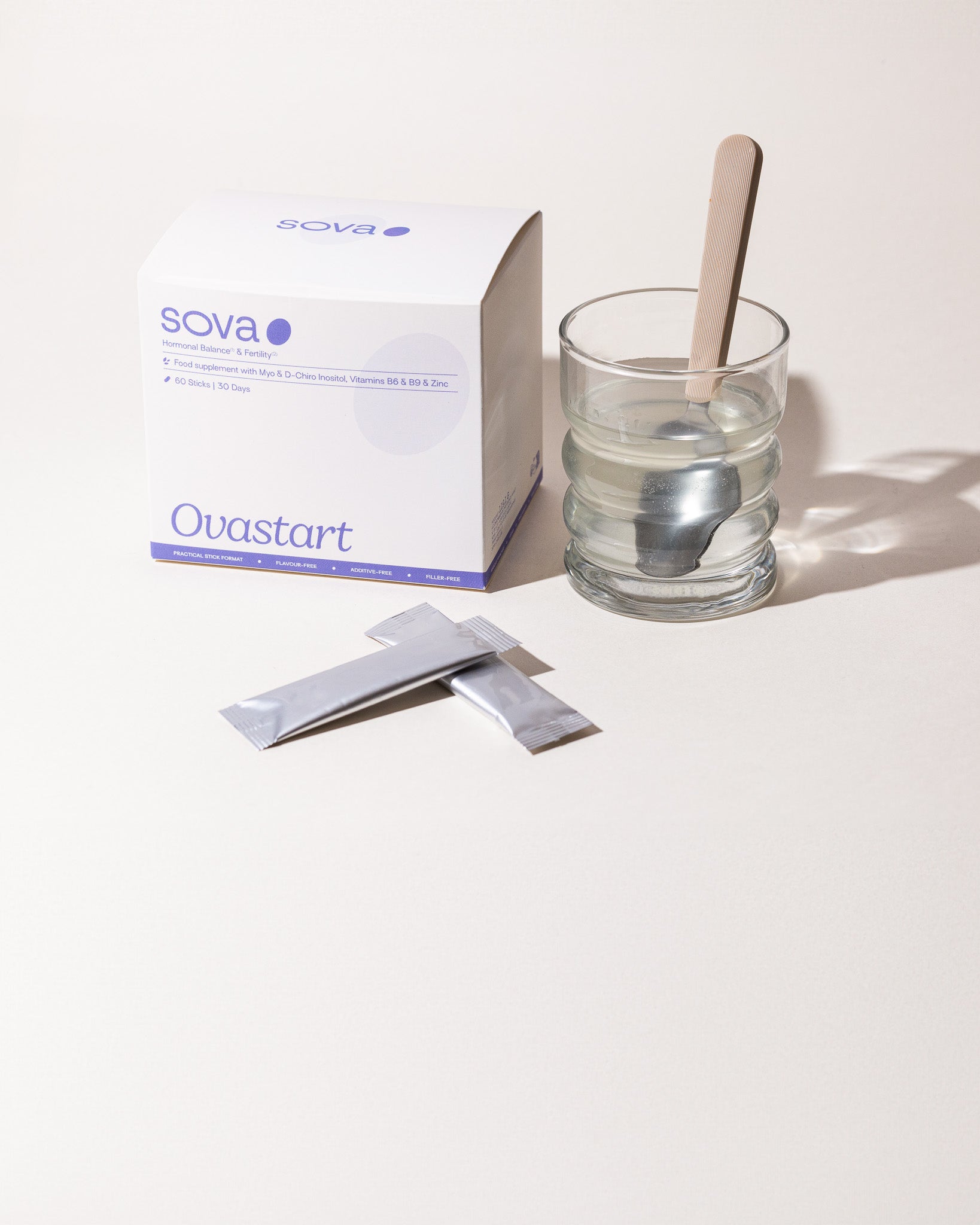
If you're not sure where to start, SOVA's free diagnostic quiz can help you identify the most relevant supplements for your specific pattern of symptoms.
Sources
- World Health Organization (2023). Endometriosis - key facts. Available at: https://www.who.int/news-room/fact-sheets/detail/endometriosis
- Donnez J et al. (2016). Oxidative stress in the pelvic cavity and its role in the pathogenesis of endometriosis. Fertility and Sterility, 106(5), 1011-1017. DOI: 10.1016/j.fertnstert.2016.07.1075
- Donnez J et al. (2016). As above.
- Rahbar N et al. (2012). Effect of omega-3 fatty acids on intensity of primary dysmenorrhea. International Journal of Gynecology & Obstetrics, 117(1), 45-47. DOI: 10.1016/j.ijgo.2011.11.019
- Parazzini F et al. (2017). Magnesium in the gynaecological practice: a literature review. Magnesium Research, 30(1), 1-7. DOI: 10.1684/mrh.2017.0419
- Porpora MG et al. (2013). A promise in the treatment of endometriosis: an observational cohort study on ovarian endometrioma reduction by N-acetylcysteine. Evidence-Based Complementary and Alternative Medicine, 2013, 240702. DOI: 10.1155/2013/240702
- Vallée A, Lecarpentier Y (2020). Curcumin and endometriosis. International Journal of Molecular Sciences, 21(7), 2440. DOI: 10.3390/ijms21072440
- Vigano P et al. (2017). Vitamin D in endometriosis: a causative factor or a consequence? Biochimica et Biophysica Acta, 1863(6), 1532-1541. DOI: 10.1016/j.bbadis.2016.10.016