


Sugar Balance
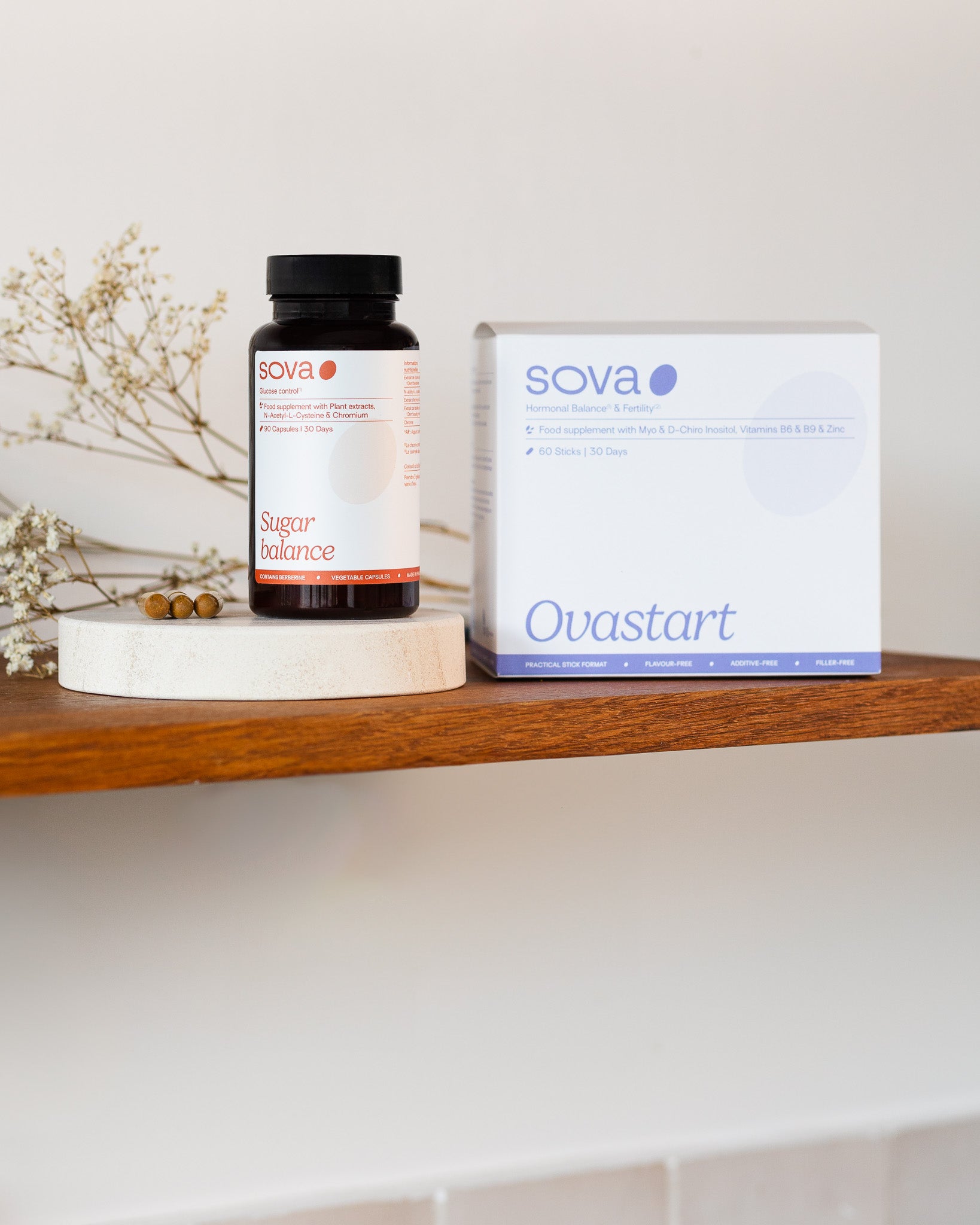
Berberine Supplement UK - Blood Sugar, Insulin & Metabolic Support for Women with PCOS
From £26

The Balance Bundle
The Hormone Balance Supplements Built for PCOS - Two Products, One Complete System
From £53
Table of contents
- 01. Is Your Facial Hair PCOS? Understanding Hirsutism vs. Regular Growth
- 02. The Science of "The Shift": Why PCOS Triggers Facial Hair
- 03. Medical Interventions: Regulating Growth at the Hormonal Level
- 04. Natural Anti-Androgen Protocols: The Lifestyle Layer
- 05. Permanent Removal vs. Temporary Management
- 06. Why Your Hair Is Not Stopping Yet: Common Pitfalls and a Realistic Timeline
- 07. The Emotional Toll: Reclaiming Your Sense of Self
- 08. Frequently Asked Questions
You notice a coarse hair on your chin. Then another on your upper lip. You reach for the tweezers, tell yourself it's nothing - and a week later, it's back. If this sounds familiar, please know that you are not alone, and you are not at fault.
Excess facial hair linked to PCOS - known medically as hirsutism - affects an enormous number of women worldwide. According to the World Health Organisation, PCOS affects an estimated 10 to 13% of all women of reproductive age[1]. Of those, research suggests that between 65 and 75% will experience hirsutism as a direct consequence of hormonal imbalance[2]. That is millions of women navigating something that is rarely spoken about openly enough.
This guide is for all of them. Whether you were recently diagnosed or have been managing PCOS for years, whether your growth is subtle or more significant - this article explains what is really happening in your body, and sets out the most effective tools, both natural and medical, to address it at the root.
"The hair is a symptom. The hormones are the cause. Addressing only what you can see will never be enough."
|
Support your hormones with the right products SOVA is here to support you through your hormonal journey with natural, tailored solutions designed for women managing PCOS. |
Is Your Facial Hair PCOS? Understanding Hirsutism vs. Regular Growth
Not every unwanted hair is a sign of PCOS - but certain patterns are very telling. The distinction matters because hirsutism linked to PCOS is driven by hormones, which calls for a very different approach than standard grooming.
Regular body hair in women tends to be fine, light, and soft - often called 'peach fuzz'. Hirsutism is different. It refers to the growth of coarse, dark, terminal hairs in areas typically associated with male patterns: the chin, neck, upper lip, chest, lower abdomen, and lower back. When this type of hair appears in a woman, it usually signals that androgens - hormones such as testosterone - are elevated or that the skin is responding to them more strongly than usual.
PCOS is by far the most common underlying cause of hirsutism in women. Use this checklist as a guide - it is not a diagnosis, but it can help you start a more informed conversation with your doctor.
|
The "Is it PCOS?" Diagnostic Checklist ☐ Hair appearing in male-pattern areas: chin, neck, chest, lower back or abdomen ☐ Texture is coarse, dark, and thick - terminal hair, not soft peach fuzz ☐ Growth is accompanied by irregular or absent periods ☐ You also experience adult acne, particularly on the jawline or chin ☐ You have noticed increased hair shedding from your scalp ☐ Standard grooming - waxing or threading - seems to trigger faster regrowth over time ☐ You have been told your testosterone or androgen levels are elevated |
If several of these apply to you, requesting a hormonal blood panel from your GP or gynaecologist is a worthwhile first step. Ask specifically for total and free testosterone, DHEAS, SHBG, and fasting insulin levels.
It is also worth noting that hirsutism severity can vary significantly between women and across different ethnic backgrounds - what is considered clinically significant in one population may present differently in another[2]. The most important thing is how you feel about it and whether it is accompanied by other signs of hormonal imbalance.
|
→ Read more on the SOVA blog PCOS Diagnosis: recognising the symptoms and confirming the diagnosis |
The Science of "The Shift": Why PCOS Triggers Facial Hair
To understand why PCOS causes facial hair growth, we need to look briefly at the chain of events happening inside your body. It is not as complicated as it sounds - and once you understand it, the treatment strategies will make much more sense.
The insulin-androgen connection
In many women with PCOS, one of the most common underlying mechanisms is insulin resistance. This means the body's cells do not respond efficiently to insulin, the hormone that regulates blood sugar. To compensate, the pancreas produces more and more insulin. But here is the key part: those high insulin levels send a direct signal to the ovaries, stimulating them to overproduce androgens - particularly testosterone[3].

Once testosterone is circulating in excess, an enzyme called 5-alpha reductase converts part of it into a more potent form known as DHT - dihydrotestosterone. It is DHT that acts as the 'hair growth switch' in the skin. It binds to receptors in hair follicles on the face and body, causing them to produce thicker, darker, coarser hair over time.
At the same time, high androgen levels reduce a protein called SHBG (sex hormone-binding globulin) in the blood. SHBG keeps testosterone inactive. When SHBG falls, more free testosterone becomes available - amplifying the entire process.
|
→ Read more on the SOVA blog |
The adrenal aspect: when stress is also part of the picture
The insulin-androgen loop explains a large proportion of PCOS-related hirsutism - but not all of it. Research consistently shows that between 20 and 30% of women with PCOS have a meaningful component of adrenal androgen excess, detectable through elevated DHEAS levels[8]. This is sometimes referred to as adrenal PCOS.
The adrenal glands sit just above the kidneys and are responsible - among other things - for producing cortisol, the stress hormone. Chronic or sustained stress activates the adrenal glands, raising cortisol and also increasing the production of adrenal androgens like DHEA and DHEAS. These androgens drive the same follicle-activating process as ovarian testosterone.
This matters in a practical sense: some women navigating PCOS experience significant hirsutism even when their blood sugar levels are normal and insulin resistance is not their primary issue. For these women, the root cause is not purely metabolic - it is also related to how the body processes stress. Addressing sleep quality, reducing cortisol load, and supporting adrenal function through targeted nutrition can be just as important as managing insulin in these cases.
If you suspect an adrenal component, asking for a DHEAS measurement alongside your standard testosterone and insulin panel is worthwhile.
|
→ Read more on the SOVA blog |
|
The Hormone-to-Hair Cheat Sheet 💜 • The trigger - Insulin resistance or chronic stress causes the body to overproduce androgens - from the ovaries or the adrenal glands. • The chain reaction - High insulin stimulates the ovaries to overproduce testosterone. Chronic stress stimulates the adrenal glands to overproduce DHEAS. • The conversion - Testosterone converts to DHT via 5-alpha reductase - the direct driver of follicle activation. • The amplifier - High androgens reduce SHBG, leaving more free testosterone available in the bloodstream. • The strategy - Regulating insulin, moderating the stress response, and supporting hormonal balance stops new follicles from being activated. |
Medical Interventions: Regulating Growth at the Hormonal Level
For some women, lifestyle and supplement changes alone are sufficient to see meaningful improvement. For others - particularly those with significantly elevated androgens - medical options play an important role. All of the following treatments work preventively: they slow or stop new hair growth, but they do not remove existing hairs. For that, removal methods are needed.
Always discuss these options with a doctor or specialist who can assess your individual profile before recommending anything.
An important note on timelines: medical treatments such as spironolactone - and inositol supplementation - typically require a minimum of 6 months of consistent use before visible changes in hair growth become apparent. This is because the hair follicle cycle is slow - hormones must shift, then new follicles must complete a full growth cycle under those new conditions before any reduction in density or coarseness becomes noticeable. This is not a reason to stop; it is simply the nature of the biology involved.
Spironolactone
Spironolactone is an anti-androgen medication that blocks androgen receptors in the skin, preventing DHT from activating hair follicles. It is one of the most commonly prescribed treatments for hirsutism in PCOS and can be very effective at slowing new hair growth when used consistently. It is not a contraceptive and should not be taken during pregnancy.
Combined oral contraceptives
Certain combined contraceptive pills reduce hirsutism through two mechanisms: they reduce androgen production from the ovaries, and they raise SHBG levels - which in turn binds more free testosterone and reduces its activity. Not all pills have the same effect; the choice of progestogen matters.
|
→ Read more on the SOVA blog Birth control and PCOS: what you need to know before choosing a pill |
Metformin
Metformin is an insulin-sensitising medication that, by improving the body's response to insulin, helps lower the circulating insulin levels that drive excess androgen production. It is particularly useful for women with PCOS who have confirmed insulin resistance and tends to work more gradually alongside other interventions.
Eflornithine cream (Vaniqa)
This topical prescription cream does not remove hair but slows its regrowth by inhibiting an enzyme involved in follicle activity. It is designed for use on the face and is often combined with other treatments. Results are visible within four to eight weeks of consistent use, and the effect reverses when the cream is discontinued.
Natural Anti-Androgen Protocols: The Lifestyle Layer
Lifestyle changes and targeted supplementation form a powerful foundation - both as a standalone approach and in combination with medical treatment. The strategies below are supported by scientific research and work by addressing the insulin-androgen connection at its core.
Spearmint tea: a simple but meaningful habit
This is one of the most discussed natural approaches - and the science behind it is genuinely encouraging. In a randomised controlled trial, 42 women with PCOS were asked to drink two cups of spearmint herbal tea daily for 30 days. At the end of the study period, the spearmint group showed a clear and significant reduction in free and total testosterone levels compared to the control group. Women in the spearmint group also self-reported a meaningful improvement in the degree of their hirsutism[4].
The researchers noted that the 30-day study duration was likely not long enough to see a full clinical reduction in visible hair, since the hair follicle cycle takes considerably longer to respond. Their conclusion was that spearmint holds real potential as a natural anti-androgen support for women managing PCOS-related hirsutism, with two cups a day over several months being the approach most likely to yield visible results.
If you are looking for a practical and enjoyable way to build this habit, SOVA's Infusion Super Glow is formulated with high-quality organic spearmint (Mentha spicata) alongside burdock root - a traditional plant known for its skin-purifying properties and support for sebum regulation. It is specifically designed for women managing hormonal skin and hair symptoms associated with PCOS.
A low-GI diet: regulating the insulin-androgen loop
Since insulin resistance is so central to androgen excess in PCOS, eating in a way that moderates blood sugar spikes is one of the most directly impactful changes you can make. A low-GI diet prioritises foods that release glucose slowly - wholegrains, legumes, most vegetables, and fibre-rich foods.
A clinical study in women with PCOS found that following a low-GI diet led to a significant reduction in total testosterone, a notable increase in SHBG, and a meaningful decrease in the free androgen index. Menstrual regularity also improved in 80% of participants[5]. You can find more detail on the best and worst foods for PCOS in our dedicated diet guide.
|
→ Read more on the SOVA blog PCOS and diet: which foods worsen symptoms, and what to eat instead |
Inositol: supporting insulin signalling from within
Myo-inositol (MI) and D-chiro-inositol (DCI) are naturally occurring compounds that play a direct role in insulin signalling. Research has consistently shown that supplementing with inositol in women with PCOS improves the body's response to insulin and, as a result, helps bring down excess androgens including testosterone.
A prospective clinical study specifically examining hirsutism found that six months of myo-inositol supplementation produced meaningful reductions in hirsutism scores alongside significant improvements in insulin sensitivity and androgen levels[6]. The study also noted favourable changes in lipid profile, suggesting broader metabolic benefits alongside the hormonal ones.
|
→ Read more on the SOVA blog Myo-inositol and D-chiro-inositol for PCOS: benefits and uses |

For women managing androgenic symptoms including facial hair and acne, Ovastart combines myo-inositol and D-chiro-inositol with active B-vitamins, Quatrefolic B9, and zinc bisglycinate - formulated to support hormonal balance and insulin sensitivity from within, addressing the root mechanism rather than the surface symptom.
Permanent Removal vs. Temporary Management
Even once you are actively working on your hormones, existing terminal hairs need to be managed separately. Here is a clear overview of the main options.
|
Method |
How it works |
Permanence |
Key consideration |
|
Electrolysis |
A fine probe delivers an electrical current to destroy each follicle individually |
Permanent - the only truly permanent method |
Works on all hair colours and skin tones; time-intensive for larger areas |
|
Laser hair removal |
Pulses of light target pigment in the follicle to damage regrowth |
Long-lasting but typically requires maintenance |
Most effective on dark hair and lighter skin; see warning below |
|
Waxing / threading |
Removes hair at the root temporarily |
Temporary - typically 2 to 6 weeks |
Does not cause permanent regrowth but needs regular repetition |
|
Shaving |
Removes hair at the skin surface |
Days only |
Does not make hair grow back thicker - this is a myth - but regrowth feels blunt |
For best results, it is strongly advisable to begin hormonal management before or alongside laser treatment. If androgens remain elevated, new follicles can continue to be activated even after existing hairs have been treated.
|
⚠ Important: Paradoxical Hypertrichosis Laser hair removal performed in hormonally active areas - particularly the chin, upper lip, and jawline - carries a risk of paradoxical hypertrichosis: a counterintuitive increase in hair growth triggered by the laser energy when underlying androgens are elevated. This is not common, but it does occur and is more likely when hormonal imbalances have not been addressed first. This is a key reason why regulating your hormones before or alongside laser treatment is strongly recommended for PCOS-related facial hair. Discuss this risk openly with your laser practitioner before beginning a course of sessions. |
Electrolysis is worth considering for the chin and upper lip in particular, because it works on individual follicles regardless of hair colour - making it suitable for a wider range of women, including those with darker skin tones where laser can be less predictable.
Why Your Hair Is Not Stopping Yet: Common Pitfalls and a Realistic Timeline

One of the most discouraging things about managing PCOS-related hirsutism is that it takes time. The hormonal system does not reset in a week, and the hair growth cycle itself means visible changes are slow to appear. This is completely normal - but it is rarely explained clearly enough, which leads many women to abandon approaches that are actually working.
The most common mistake is expecting results too soon and stopping before the 'magic window' that most women report around the six-month mark. Medical treatments like spironolactone or inositol work on a slow biological timeline: expect a minimum of 6 months before visible hair changes reflect the hormonal shift building beneath the surface.
Here is a realistic timeline to help you stay the course:
|
Month 1 |
Starting the internal work Diet changes, spearmint tea, and inositol supplementation begin. No visible change in hair is expected yet - the hormonal environment is only just starting to shift. This is not failure; this is foundation-building. |
|
Months 2-3 |
Early signals Some women notice hair feels slightly softer or that regrowth after waxing seems a little slower. Androgens may be measurably lower at this point if you recheck blood work. Still too early for significant visible change. |
|
Months 4-5 |
Consistency pays Hair growth cycles are beginning to reflect the hormonal shift. New hairs activating during this period are doing so in a lower-androgen environment - meaning fewer thick, coarse hairs should be appearing for the first time. |
|
Month 6 |
The magic window 💜 This is when most women report visible reduction in hair density and coarseness. Not full disappearance - but a meaningful, noticeable change. The result of consistent work over multiple months, not a sudden breakthrough. |
Common reasons progress stalls: inconsistency with supplements or diet, unmanaged blood sugar spikes, significant ongoing stress (which raises adrenal androgens), or untreated insulin resistance that would benefit from medical support. If you have been consistent for six months without any change, returning to your doctor for updated blood work is a sensible next step.
The Emotional Toll: Reclaiming Your Sense of Self
It would be incomplete to talk about PCOS facial hair without acknowledging what it actually feels like to live with it. Many women navigating PCOS describe the daily ritual of managing unwanted hair as exhausting - not just physically, but emotionally. It can affect self-confidence, relationships, and how you feel in your own skin. That is a real and valid experience, and it deserves to be named.
If this resonates, please know that this is not a reflection of your femininity, your identity, or your worth. PCOS is a medical condition. The hair is a symptom. And symptoms can be addressed.
Here are the blood tests most worth requesting when investigating PCOS-related hirsutism:
|
Test |
What it measures |
Why it matters for hirsutism |
|
Total testosterone |
Overall testosterone in the blood |
Elevated levels indicate hyperandrogenism |
|
Free testosterone |
Unbound, active testosterone |
More directly correlated with androgenic symptoms |
|
SHBG |
Sex hormone-binding globulin |
Low SHBG means more free testosterone is available |
|
DHEAS |
An androgen produced by the adrenal glands |
Key marker for adrenal androgen excess - elevated in 20-30% of PCOS cases[7] |
|
Fasting insulin |
Insulin levels after overnight fast |
Primary marker of insulin resistance - the driver of ovarian androgen excess |
|
Fasting glucose / HOMA-IR |
Blood sugar and insulin resistance index |
Confirms degree of metabolic imbalance |
Frequently Asked Questions
|
How can I reduce PCOS facial hair naturally? |
|
The most evidence-backed natural approaches address the insulin-androgen connection. Drinking two cups of spearmint tea daily has been shown in clinical research to meaningfully reduce free and total testosterone in women with PCOS[4]. Switching to a low-GI diet helps lower the insulin levels that drive androgen overproduction[5]. For those with an adrenal component, managing chronic stress and supporting adrenal function through sleep and targeted nutrition is equally important. Consistency over at least three to six months is key. |
|
How do I stop growing a beard with PCOS? |
|
Reducing coarse hair growth on the chin and jawline requires both a hormonal strategy and a removal approach for existing hairs. Medically, anti-androgen medications such as spironolactone, or combined oral contraceptives with anti-androgenic progestogens, can block the effects of DHT on follicles and prevent new growth. For existing terminal hairs on the face, electrolysis is the only method considered truly permanent and works regardless of hair colour - making it particularly useful for darker skin tones. Combining hormonal management with electrolysis addresses both the cause and the visible symptom at the same time. |
|
What is the fastest way to address hirsutism in PCOS? |
|
For the quickest visible impact, a dual approach is most effective. Eflornithine cream (Vaniqa) can slow facial hair regrowth within four to eight weeks when applied consistently. Pairing this with an anti-androgen medication prescribed by your doctor addresses the hormonal side. Professional hair removal - laser or electrolysis - manages existing hairs. Be aware that laser in hormonally active facial areas carries a risk of paradoxical hypertrichosis if androgens are not managed first. Sustainable results still take weeks to months; consistency combined with the right approach produces more durable outcomes than any single quick fix. |
|
Does PCOS facial hair ever stop on its own? |
|
In most cases, no - not without intervention. PCOS-related hirsutism is driven by an ongoing hormonal imbalance. Without addressing that imbalance, the androgenic signal to hair follicles continues. In some women androgens naturally moderate slightly with age, and after menopause hormonal patterns shift significantly. But during reproductive years, actively managing the root cause - through lifestyle, supplements, and if needed medication - is the most reliable path to reducing progression and improving symptoms over time. |
|
Can I do laser hair removal if I have PCOS? |
|
Yes, and it can be very effective - but results are most durable when hormones are being managed at the same time. There is also a documented risk of paradoxical hypertrichosis (increased hair growth) when laser is used on hormonal facial areas without prior hormonal management. Many practitioners advise stabilising hormones before or alongside a course of laser sessions. Electrolysis is a useful complement or alternative - particularly for the chin and upper lip - as it works on individual follicles regardless of hair colour. |
|
Your Next Steps: A Simple Action Plan 💜 1. Request a full hormonal blood panel from your GP - including total and free testosterone, SHBG, DHEAS, and fasting insulin. 2. Introduce two cups of spearmint herbal tea daily - simple, accessible, and backed by clinical evidence. 3. Audit your daily diet for high-GI foods and swap where you can for lower-GI alternatives. 4. Consider an inositol supplement combining both myo-inositol and D-chiro-inositol to support insulin sensitivity from within over the medium term. 5. If you experience chronic stress or have elevated DHEAS, explore adrenal support strategies: sleep quality, stress regulation, and targeted nutrition. 6. Consult an electrologist or laser specialist to discuss existing terminal hairs - and share your full hormonal context before beginning laser treatment. 7. If lifestyle changes are not sufficient after 3 to 6 months, book with a gynaecologist or endocrinologist to discuss medical options. |
|
A Final Word 💜 PCOS facial hair is one of the symptoms that women tend to manage quietly, privately, and often with a great deal of frustration. It is deeply personal - and it is also genuinely manageable when approached with the right information and the right support. There is no single solution that works for everyone. The most sustainable results come from combining hormonal management with targeted lifestyle changes, appropriate supplementation, and - where needed - medical support. Progress is slow by nature, but it is real. Whatever stage you are at in your PCOS journey, the goal is not perfection. It is finding what works for your body, your hormones, and your life - and feeling a little more at ease in your own skin every day. |
|
Key Terms Hirsutism The growth of coarse, dark, terminal hair in women following a male pattern. In PCOS, it is caused by elevated androgens acting on susceptible hair follicles. Androgens A group of hormones including testosterone and DHEAS. In women, they are produced in the ovaries and adrenal glands. Excess androgens drive many PCOS symptoms including hirsutism. DHT (Dihydrotestosterone) A potent androgen converted from testosterone via the enzyme 5-alpha reductase. It is the direct driver of follicle activation in hirsutism. Insulin resistance A condition in which cells do not respond properly to insulin, causing the pancreas to produce more. In PCOS, elevated insulin levels directly stimulate the ovaries to produce excess androgens. DHEAS A hormone produced by the adrenal glands. Elevated DHEAS is found in 20-30% of women with PCOS and indicates an adrenal component in their androgenic symptoms. SHBG Sex hormone-binding globulin - a protein that binds testosterone in the blood and renders it inactive. Low SHBG is common in PCOS and amplifies androgenic symptoms. Paradoxical hypertrichosis An uncommon but documented reaction to laser hair removal in which hair growth increases rather than decreases, most likely to occur in hormonal facial areas when underlying androgens are not managed first. Myo-inositol / D-chiro-inositol Naturally occurring compounds that play a direct role in insulin signalling. When combined, myo-inositol and D-chiro-inositol work together to support insulin sensitivity and help reduce androgen levels in women with PCOS. |
Scientific references
SOVA was created by two sisters with PCOS who wanted products that truly worked. Our formulas are developed in-house with women’s health and micronutrition experts, using ingredients backed by clinical studies and compliant with European regulations.
- Built by women with PCOS, we know the reality of the symptoms.
- Clinically studied, high-quality ingredients, including patented forms like Quatrefolic® and an optimal Myo-/D-Chiro Inositol ratio.
- Holistic support for hormonal balance, metabolic health, inflammation, mood and cycle regulation.
- Transparent, science-led formulas with no unnecessary additives.

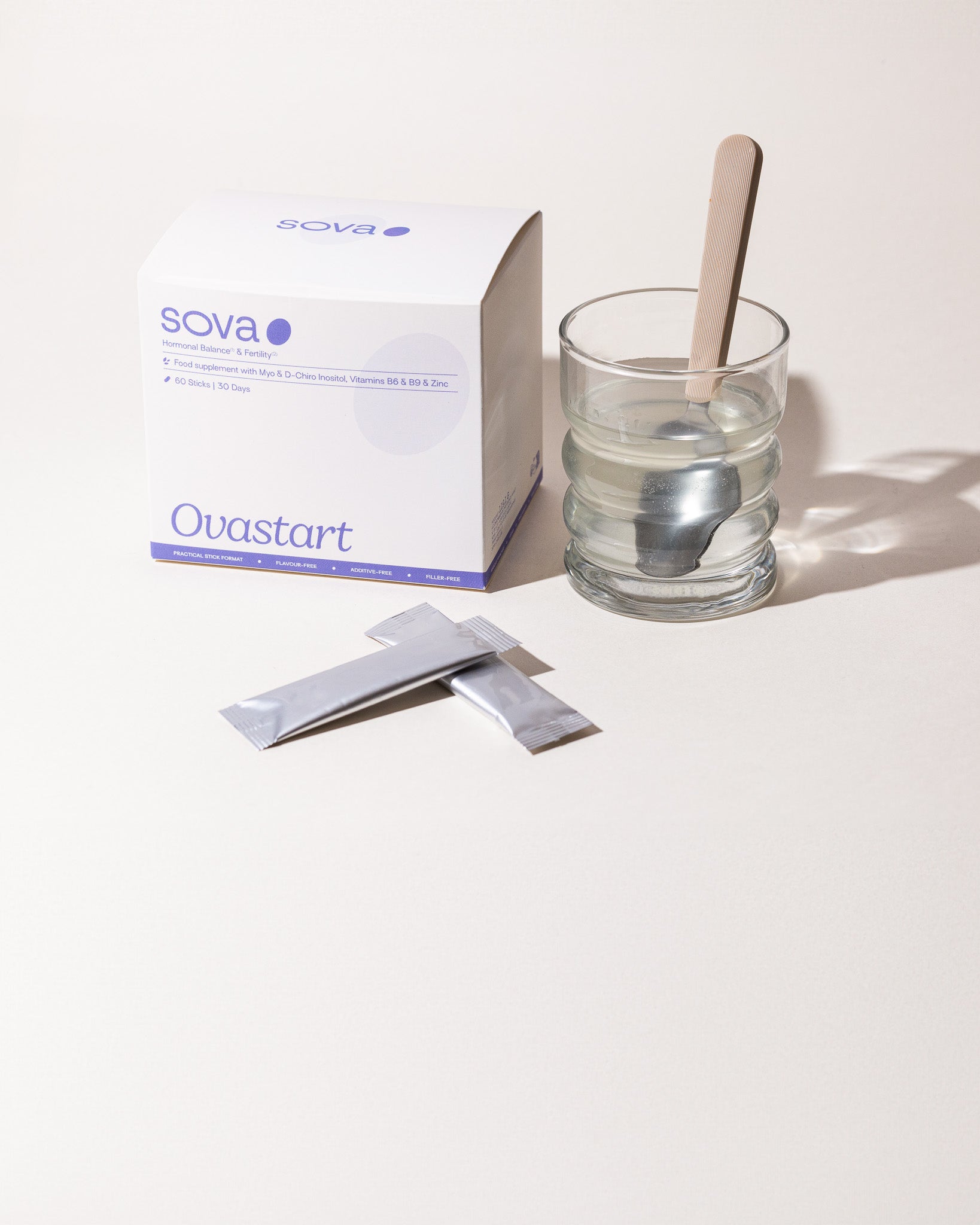
Inositol Powder Supplement for PCOS
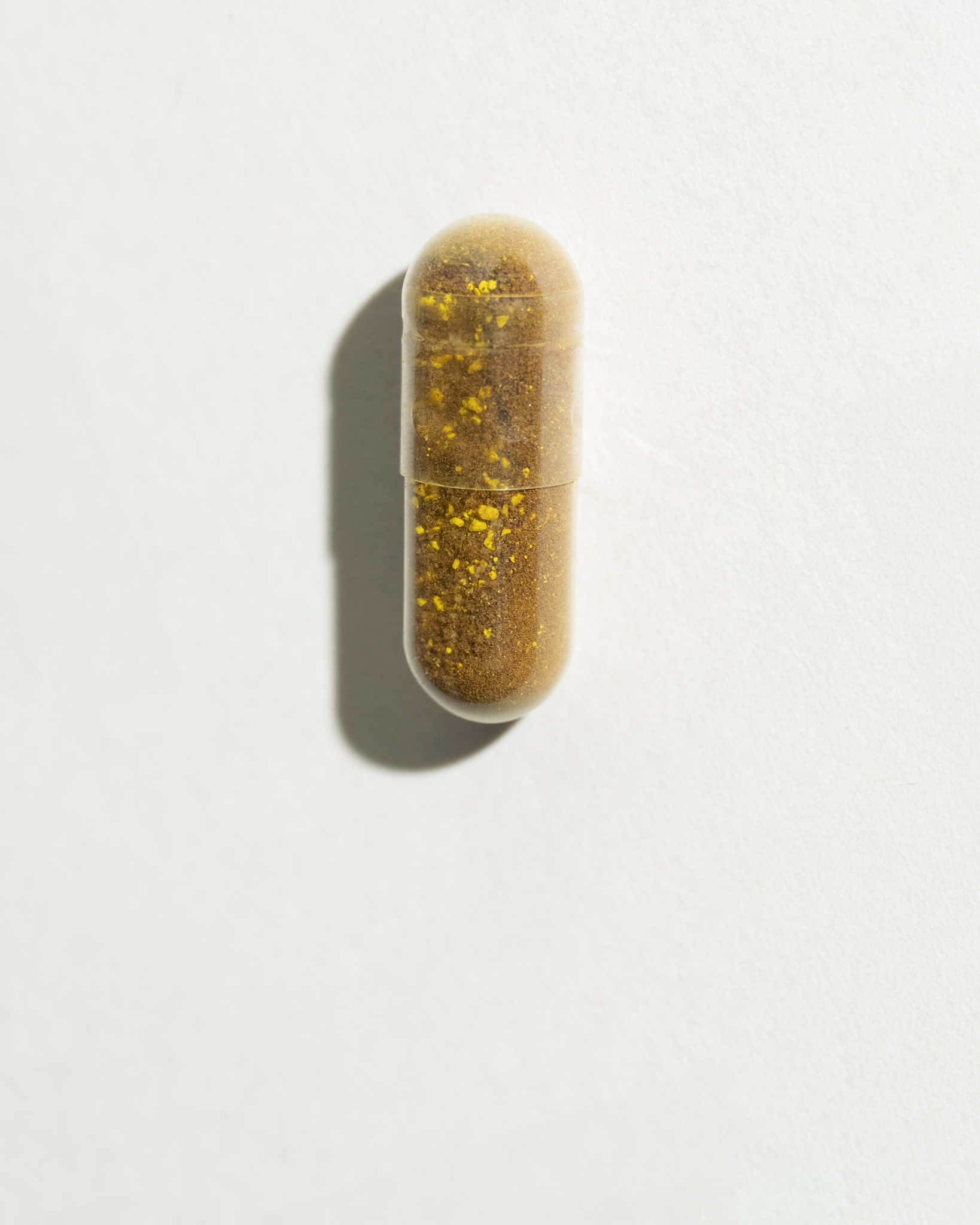
Berberine Supplement UK - Blood Sugar, Insulin & Metabolic Support for Women with PCOS
The Hormone Balance Supplements Built for PCOS - Two Products, One Complete System