



Sugar Balance
Berberine Supplement UK - Blood Sugar, Insulin & Metabolic Support for Women with PCOS
From £26
Table of contents
Do you feel bloated on more days than you don't? Does your stomach feel tight, round or uncomfortable - even when you haven't eaten much? If you have PCOS, you are far from alone. Bloating is one of the most common and frustrating symptoms that women with PCOS experience, and it is one that rarely gets talked about enough.
The good news is that your body is not behaving randomly. PCOS bloating has real, documented biological causes - and understanding them is the first step towards doing something about it. This article explains exactly what is happening inside your body, how to tell the difference between PCOS bloating and a 'PCOS belly', and what you might do to genuinely feel better.
If you are still in the process of understanding your symptoms, you may also find it helpful to read about how PCOS is diagnosed.
|
Key Takeaways The answer: Yes - PCOS does cause bloating, and it is rooted in real biological mechanisms. The main culprits: Insulin resistance (water and sodium retention), disrupted hormonal cycling (gut instability), gut dysbiosis, systemic inflammation, and elevated cortisol. The fix: Blood sugar stabilisation, anti-inflammatory habits, hydration, gentle movement, stress support, and targeted supplementation. |
Yes, PCOS Does Cause Bloating - Here Is Why
PCOS is not just a condition that affects your periods or fertility. It is a systemic hormonal disorder that has a direct impact on your digestive system, your fluid balance, and the state of your gut. There are five key biological mechanisms involved.
1. Insulin Resistance and Water Retention
Up to 70-80% of women with PCOS have some degree of insulin resistance[5]. This means the body has to produce more insulin than usual to keep blood sugar levels stable. But insulin does more than regulate blood sugar - it also signals the kidneys on how much sodium and water to hold onto.
When insulin levels are persistently elevated, the kidneys retain more sodium than they should. Where sodium goes, water follows - and the result is fluid retention that can leave you feeling swollen, heavy and bloated, particularly around the abdomen. Research confirms that elevated insulin levels are directly linked to increased sodium and water retention via the kidneys[1].
This is why PCOS bloating often feels different from ordinary indigestion. It is not always about gas - it can be a genuine build-up of fluid driven by your hormones.

2. Disrupted Hormonal Cycling and Gut Instability
In a healthy menstrual cycle, oestrogen and progesterone rise and fall in a predictable rhythm each month. The gut lining has receptors for both of these hormones, which means normal hormonal cycling helps to regulate how the digestive system functions from one week to the next.
In women with PCOS, ovulation is often irregular or absent. This means the normal monthly progesterone rise never happens - and the gut never receives the hormonal signals it relies on to function in its usual rhythm. A comprehensive review in the journal Climacteric confirmed that progesterone plays a direct role in regulating gastrointestinal motility, and that disruptions to normal hormonal patterns can contribute to digestive symptoms including bloating and constipation[2].
The relative oestrogen dominance that often accompanies PCOS (where oestrogen is higher relative to progesterone) can further destabilise gut function and increase inflammation in the gut lining.
3. Gut Dysbiosis - When Your Gut Bacteria Are Out of Balance
Over the last decade, researchers have increasingly recognised that PCOS is not just a condition of the ovaries - it involves the gut microbiome too. The gut microbiome is the community of bacteria and microorganisms that live in your digestive system, and it plays a role in immunity, metabolism, inflammation and hormone regulation.
Studies have found that women with PCOS tend to have a different gut microbiome composition compared to women without PCOS - with less diversity and a higher proportion of bacteria associated with inflammation. This dysbiosis can directly contribute to bloating, digestive discomfort, and worsening insulin resistance[3]. A further study found that gut microbiome diversity in women with PCOS was significantly associated with hyperandrogenism - excess androgen levels - creating a two-way relationship between gut health and hormonal imbalance[4].
A clinical study by Lingaiah et al. (2021) took this a step further, measuring markers of gut permeability and dysbiosis directly in premenopausal women with PCOS - providing clinical evidence that gut barrier dysfunction is part of the PCOS picture[6]. In practical terms, this means your bloating may be partly driven by an imbalanced gut, not just by what you ate for lunch.
4. Chronic Low-Grade Inflammation
PCOS is widely recognised as an inflammatory condition. Women with PCOS often carry a background level of chronic, low-grade inflammation - meaning the immune system is in a state of mild but constant activation. This inflammation affects the gut lining, can impair digestion, and contributes to the swelling and discomfort associated with bloating. It also worsens insulin resistance, creating a cycle that perpetuates many PCOS symptoms simultaneously.
Interestingly, the same inflammatory pathways that cause skin symptoms in PCOS - such as hormonal acne - also affect the gut lining. You can read more about this overlap in our article on hormonal acne and PCOS.

5. Stress, Cortisol and Gut Permeability
Stress is a frequently overlooked driver of digestive symptoms in PCOS - and the science is clear on why. Women with PCOS have clinically elevated cortisol levels compared to healthy controls, partly because the chronic nature of the condition creates a sustained stress response.
Cortisol does not just affect your mood - it directly impacts the integrity of the gut lining. A clinical study published in the journal Gut found that acute psychological stress increases intestinal permeability in humans via cortisol and corticotropin-releasing hormone, essentially creating tiny gaps in the gut wall that allow undigested particles to pass through[7]. This phenomenon - sometimes called 'leaky gut' - contributes to bloating, gas, and systemic inflammation.
For women with PCOS, where cortisol is already elevated and the gut microbiome is already compromised, this stress-gut connection creates a reinforcing cycle. This is why managing stress is not just a lifestyle suggestion but a genuinely physiological intervention for PCOS-related bloating.
PCOS Bloat vs. PCOS Belly: What Is the Difference?
Many women use these two terms interchangeably, but they describe two different things. Understanding the distinction can help you make sense of what your body is experiencing and guide the right approach.
|
Feature |
PCOS Bloat (Gas / Fluid) |
PCOS Belly (Visceral Fat) |
|
Onset |
Rapid - fluctuates daily |
Gradual and constant |
|
Texture |
Tight, hard, distended |
Soft, localised tissue |
|
Root Cause |
Digestion and sodium retention |
Insulin resistance and androgens |
|
Duration |
Hours to a day or two |
Persistent over weeks or months |
PCOS bloating (gas and fluid retention) tends to come and go. You might wake up with a flat stomach and feel visibly distended by the evening. It fluctuates with your cycle, food choices, stress levels, and hydration.
PCOS belly (visceral fat around the abdomen) is different. It accumulates gradually and is primarily driven by prolonged insulin resistance and high androgen levels, which signal the body to store fat around the midsection. It does not fluctuate on a day-to-day basis.
It is entirely possible to experience both at the same time. The same root causes - insulin resistance and inflammation - contribute to both. This is why addressing the underlying hormonal imbalance tends to give the most meaningful long-term results.
What Does PCOS Bloating Actually Feel Like?
PCOS bloating is often described as:
• A firm, distended feeling in the lower abdomen, as though the stomach is stretched or inflated
• Tightness in the midsection, particularly in the afternoon or evening
• A 'rounded' lower belly that is not present first thing in the morning
• Discomfort after eating, even after a relatively small or balanced meal
• A feeling of heaviness or fullness that is not related to hunger
• Fluctuating symptoms throughout the menstrual cycle, often worsening in the weeks with less ovarian activity
If you recognise several of these, there is a strong chance that hormones are at the root of what you are experiencing - not just 'bad digestion' or the wrong foods.
5 Evidence-Based Ways to Reduce PCOS Bloating
|
The PCOS Bloat Rescue Checklist ✅ Immediate: A slow 10-minute walk after meals to stimulate gut movement. Daily: Aim for 2 litres of water - staying hydrated helps flush excess sodium from your system. At meals: Low-glycaemic foods (oats, lentils, sweet potato) help avoid insulin spikes that drive fluid retention. Supplement: Myo-inositol can support insulin sensitivity, one of the key drivers of PCOS bloating. Avoid: Carbonated drinks, artificial sweeteners, and ultra-processed foods - all of which can worsen gut symptoms. Stress support: Elevated cortisol worsens gut permeability - gentle yoga, breathing exercises, or restful time outdoors can make a real difference. |
1. Stabilise Your Blood Sugar
Because insulin resistance is one of the primary drivers of PCOS bloating, keeping blood sugar stable is one of the most impactful places to start. Balanced meals that combine protein, healthy fats and complex carbohydrates help to prevent the sharp insulin rises that contribute to water retention and bloating.
This does not mean cutting out carbohydrates entirely. Foods like oats, sweet potatoes, lentils, chickpeas and whole grains release energy slowly, supporting steadier blood sugar throughout the day. For inspiration on what this can look like on a plate, you might enjoy our PCOS-friendly recipe guide or our PCOS lunch recipe ideas.
2. Move Gently After Meals
A gentle 10-minute walk after eating can make a real difference. Movement stimulates gut contractions, helps to disperse gas, and supports insulin sensitivity by encouraging muscles to absorb glucose more efficiently. It does not need to be intense - gentle is genuinely better here.
Gentler exercise tends to be more supportive for many women with PCOS. If you would like to explore which types of movement work best for your body, our dedicated article on PCOS and exercise offers a helpful overview.
3. Hydrate Well
It might feel counterintuitive to drink more water when you are retaining fluid, but hydration is key to flushing excess sodium from your system. When the body is dehydrated, it holds onto sodium even more tightly. Around 2 litres of water a day is a gentle target - more if you are physically active.
Herbal teas such as peppermint, fennel or ginger can also offer support for gut comfort and help ease gas and digestive discomfort.
4. Support Your Gut Microbiome
Since gut dysbiosis is directly linked to PCOS, supporting your gut bacteria can have real benefits. Fibre-rich foods (vegetables, legumes, whole grains) and fermented foods such as natural yoghurt, kefir, sauerkraut or kimchi all help to nourish beneficial gut bacteria.
Reducing ultra-processed foods, artificial sweeteners and alcohol also supports the microbiome. If you experience significant digestive symptoms alongside your PCOS, discussing this with your GP or a registered dietitian is always a helpful step.
5. Consider Targeted Supplementation
For women with PCOS, supplementation can address some of the root causes of bloating at a hormonal level.
Myo-inositol is one of the most extensively studied supplements for PCOS. A systematic review of randomised controlled trials found it capable of improving ovarian function, reducing hyperinsulinaemia, and supporting hormonal and metabolic parameters in women with PCOS[5]. By improving insulin sensitivity, it helps to lower circulating insulin levels and reduce the sodium and fluid retention that drives bloating. It also supports more regular ovulation, which helps to restore the normal hormonal rhythm that regulates gut function.

Omega-3 fatty acids help to reduce systemic inflammation, which plays a role in both gut health and the chronic low-grade inflammation associated with PCOS.
Together, myo-inositol, D-chiro-inositol and omega-3s can address several of the mechanisms behind PCOS bloating simultaneously. This is why our Ovastart & Omega 3 bundle, designed to support hormonal balance and inflammation, may be a helpful option for women experiencing PCOS-related bloating and digestive discomfort.
You can read more about the science behind inositol in our in-depth article: Myo and D-Chiro Inositol: A Complete Guide, or explore the wider range of evidence-based options in our PCOS supplements guide.
Frequently Asked Questions
What does PCOS bloating look like?
PCOS bloating typically presents as a firm, distended midsection that feels tight to the touch. Unlike standard bloating from indigestion, it can create a noticeably rounded appearance in the lower abdomen, and is often accompanied by water retention and a feeling of heaviness. It may fluctuate throughout the day and throughout your cycle.
Does PCOS cause a large belly?
PCOS can contribute to a larger midsection in two distinct ways: through bloating (gas and fluid retention driven by insulin resistance and hormonal disruption) and through the gradual accumulation of visceral fat, linked to prolonged insulin resistance and elevated androgens. Both are common in PCOS, and neither is a reflection of willpower or discipline - they are metabolic and hormonal in origin.
How do you reduce PCOS bloating?
Some of the most helpful approaches include a gentle walk after eating, drinking plenty of water to flush sodium, and avoiding carbonated drinks and artificial sweeteners. For longer-term relief, stabilising blood sugar through diet and supporting insulin sensitivity with myo-inositol tend to give the most meaningful results. Managing stress - which directly impacts gut permeability - is also genuinely important.
Is PCOS bloating the same as IBS?
They can overlap and produce similar symptoms, but they are not the same thing. IBS (irritable bowel syndrome) is a functional gut disorder with its own diagnostic criteria, whereas PCOS bloating is driven by hormonal and metabolic imbalances. Some women with PCOS do also have IBS, and the two can worsen each other. If your symptoms are severe or significantly affecting your quality of life, speaking to a healthcare professional is always the right step.
Can PCOS affect your period as well as your digestion?
Absolutely - and the same hormonal imbalances are often at the root of both. To understand more about how PCOS affects your menstrual cycle, you may find our article helpful: PCOS & No Period: Why It Happens & How to Get Your Period Back.
|
Not yet diagnosed with PCOS? If you found this article while trying to understand your symptoms and are not yet sure whether you have PCOS, you might find it useful to read about how PCOS is diagnosed. Getting clarity on your diagnosis is the most important first step. |
A Final Word
Bloating with PCOS is not in your head, and it is not something you simply have to put up with. It is a real, documentable symptom with real, addressable causes. Understanding the hormonal mechanisms behind it - insulin resistance, disrupted hormonal cycling, gut dysbiosis, inflammation, and cortisol - is what allows you to take steps that actually work.
As with all aspects of PCOS management, a holistic approach tends to work best. Diet, movement, stress support and targeted supplementation can all make a meaningful difference - and they work even better when combined. Be patient with your body. PCOS is complex, and finding what works for you may take some time.
If you are unsure where to begin, a healthcare professional can help you understand your specific picture and guide the right support for you. You do not have to navigate this alone.
Scientific references
SOVA was created by two sisters with PCOS who wanted products that truly worked. Our formulas are developed in-house with women’s health and micronutrition experts, using ingredients backed by clinical studies and compliant with European regulations.
- Built by women with PCOS, we know the reality of the symptoms.
- Clinically studied, high-quality ingredients, including patented forms like Quatrefolic® and an optimal Myo-/D-Chiro Inositol ratio.
- Holistic support for hormonal balance, metabolic health, inflammation, mood and cycle regulation.
- Transparent, science-led formulas with no unnecessary additives.

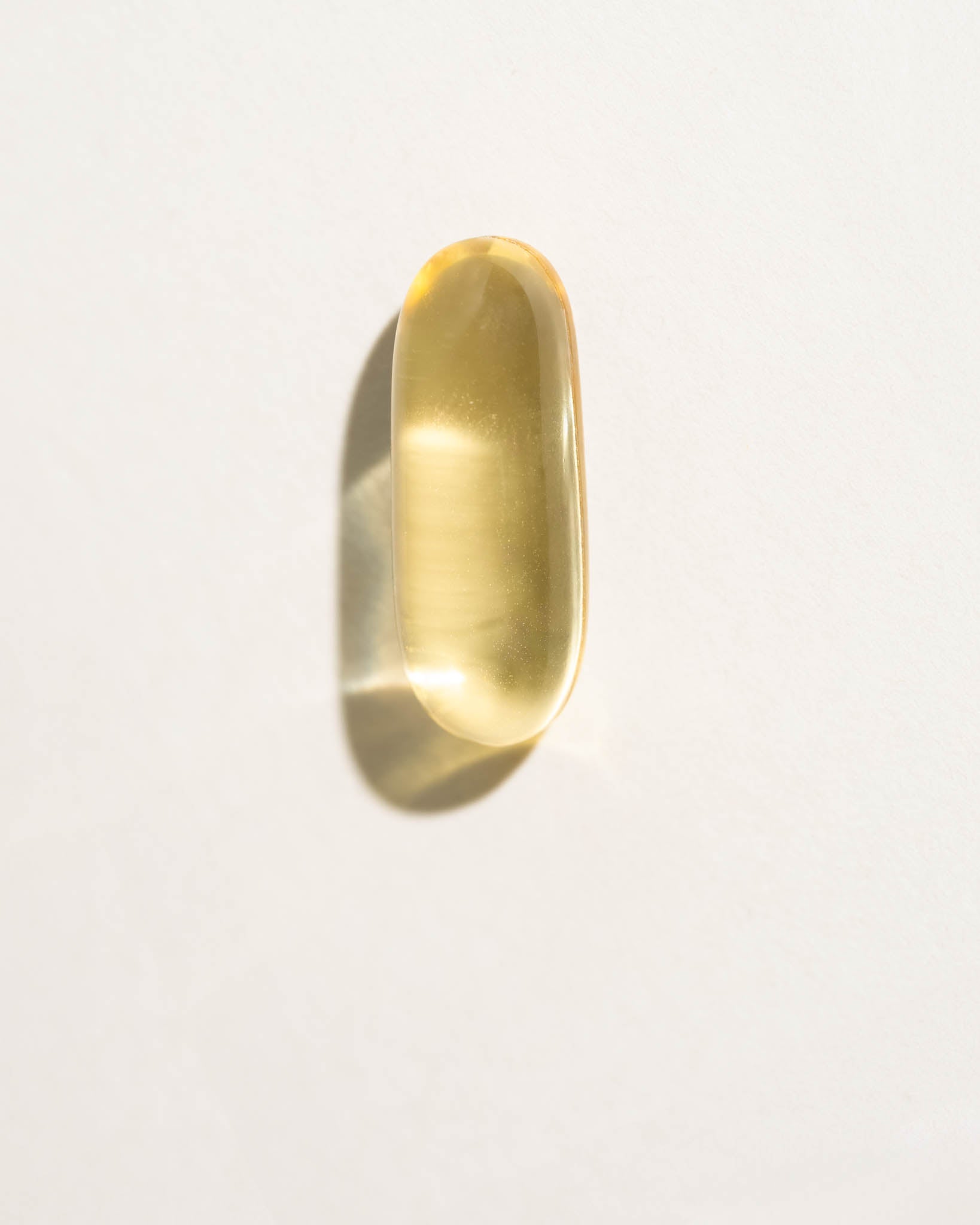
High-purity DHA & EPA for real hormonal support


Hormone balance + essential fatty acids

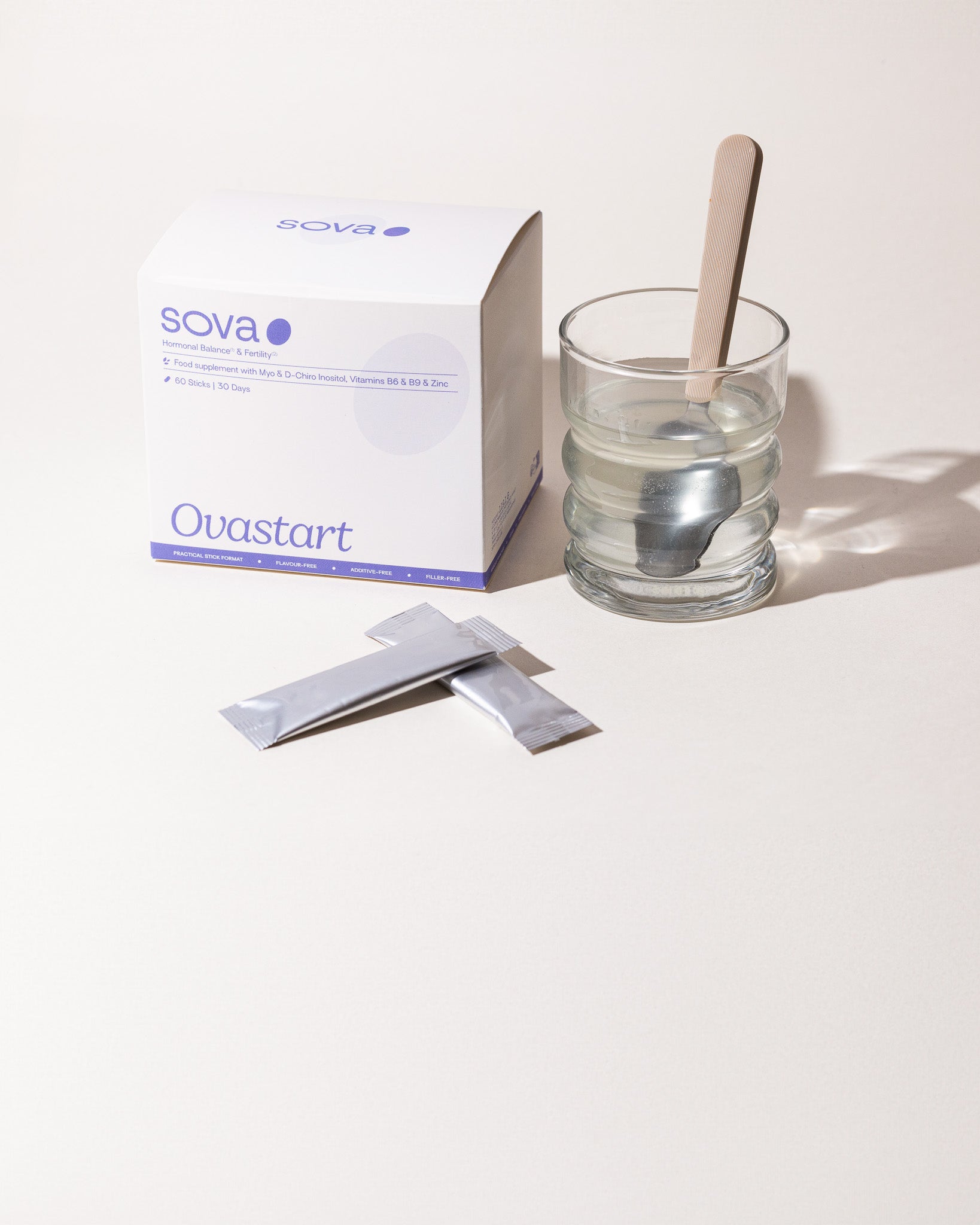
Inositol Powder Supplement for PCOS
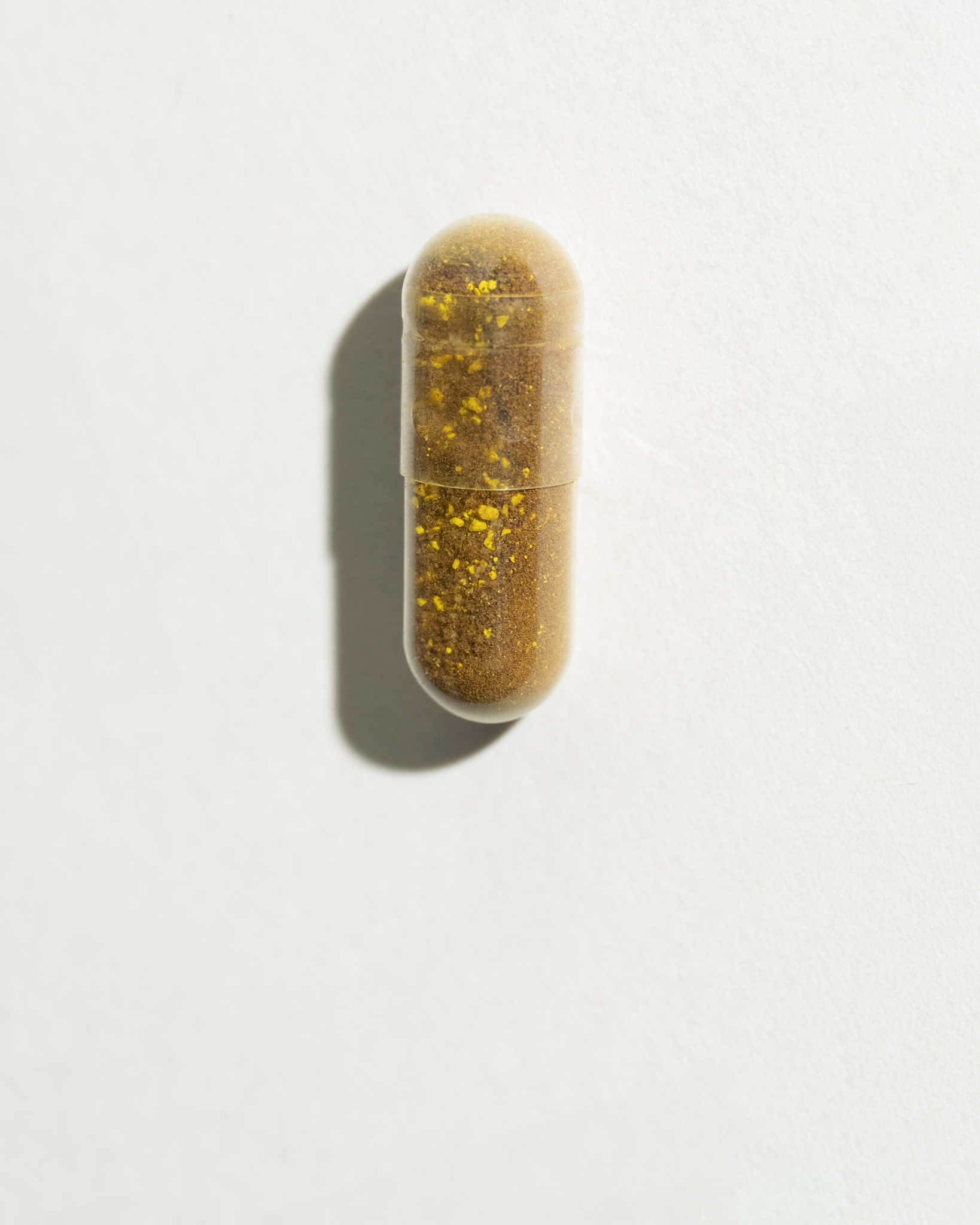
Berberine Supplement UK - Blood Sugar, Insulin & Metabolic Support for Women with PCOS