



The Balance Bundle
The Hormone Balance Supplements Built for PCOS - Two Products, One Complete System
From £53
Table of contents
- 01. Understanding the Science: Why Does PMDD Happen?
- 02. Understanding the Treatment Ladder: Where Do You Start?
- 03. Tier 1 Lifestyle Foundations & "Quick Wins"
- 04. Tier 2 Non-Hormonal Clinical Interventions
- 05. Tier 3 Hormonal Management & Blood Sugar Balance
- 06. Managing Physical Symptoms: Hair, Skin & Inflammation
- 07. Tier 4 Surgical Solutions - A Last Resort
- 08. Inclusive Care: PMDD in Neurodivergent Women
- 09. The Patient Toolkit: Preparing for Your Appointment
- 10. A Final Word 💜
- 11. Key Terms
Whether you feel overwhelmed in the days before your period, or your symptoms are severe enough to affect your relationships and your work, you deserve clear answers - not just "it's hormones." This guide walks you through every level of support available, from daily habits to clinical options, so you can find what works for your body.
✦ Key Takeaways
- PMS and PMDD are recognised medical conditions - not "just hormones." PMDD is listed in the DSM-5 as a distinct depressive disorder.[1]
- PMDD is caused by an abnormal brain sensitivity to normal hormonal fluctuations - not by hormone levels being too high or too low. This is a neurobiological condition.[2]
- Treatment works best as a "ladder": begin with lifestyle and supplements, and move up only if needed.
- SSRIs (such as sertraline and fluoxetine) are the gold-standard clinical treatment for PMDD - and can be taken for just half the month.[3]
- Magnesium combined with vitamin B6, calcium, omega-3, saffron, and Vitex agnus-castus all have clinical evidence behind them for PMS symptom relief.[4,5,6,7,8]
- PMDD is more common in women with ADHD and autism. Being aware of this overlap can support better, more personalised care.[9]
Understanding the Science: Why Does PMDD Happen?
One of the most frustrating things many women hear is: "your hormones are normal, so there's nothing wrong." If you have PMDD, your hormones probably are normal - and that is precisely the point. PMDD is not caused by having too much or too little progesterone or oestrogen. It is caused by an abnormal neurological sensitivity to the fluctuations of those hormones.
During the luteal phase, progesterone rises and then falls. As it does, the body converts some of it into a substance called allopregnanolone - a neurosteroid that normally has a calming effect on the brain by activating GABA-A receptors (the same receptors targeted by alcohol and benzodiazepines). In women with PMDD, research consistently shows that the brain responds abnormally to this rise and fall: rather than producing calm, it triggers anxiety, irritability, and mood disruption. The hormones are doing what they should - but the brain's response to them is dysregulated.[2]
This mechanism also explains why SSRIs work so rapidly for PMDD - sometimes within days - when they take 4-6 weeks to work for depression. In depression, SSRIs act by gradually increasing serotonin availability. In PMDD, research suggests they work via a different pathway: by increasing allopregnanolone levels in brain tissue, rapidly normalising the sensitivity of GABA-A receptors.[2,3]
This is important not just scientifically, but for you personally. It means PMDD is a neurobiological condition with a clear, studied mechanism. It is not a personality trait, not a weakness, and not something you are imagining.
Understanding the Treatment Ladder: Where Do You Start?
There is no single right approach to treating PMS or PMDD - what works best depends on the severity of your symptoms, your overall health, and your personal priorities. Specialists think about treatment as a ladder: starting with the gentlest, most accessible options and stepping upwards only if more support is needed. Most women find meaningful relief well before the higher rungs.
Can you have both PMS and PMDD?
Yes - PMDD is a severe form of PMS. Both occur exclusively in the luteal phase (the two weeks before your period), but PMDD causes significantly more intense emotional symptoms that meaningfully disrupt daily life, relationships, and work.[1]
PMS affects an estimated 20-40% of women of reproductive age in its mild-to-moderate form, while PMDD - as defined by strict DSM-5 criteria - affects approximately 1.8-5.8%, with broader epidemiological estimates often citing 3-8%.[1] Many cases of PMDD remain undiagnosed for years, as symptoms can be misattributed to anxiety, depression, or "just personality."
The key difference is not just the number of symptoms, but their depth and impact. With PMDD, you may feel as though you become a different person in the week before your period - experiencing intense despair, rage, or anxiety that lifts almost as soon as bleeding begins. This predictable, cyclical pattern is the clearest clinical signal.
To understand how to track these patterns accurately, our article on monitoring your cycle and hormonal changes is a useful starting point.
| Category | PMS | PMDD |
|---|---|---|
| Emotional Intensity | Mild to moderate - irritability, mood dips, tearfulness | Severe - intense despair, rage, panic or profound loss of control |
| Physical Symptoms | Bloating, breast tenderness, headaches, fatigue | Same physical symptoms, often amplified; sometimes debilitating fatigue |
| Daily Functioning | Manageable - life continues, though less comfortably | Significantly impaired - work, relationships and social life are disrupted |
| Timing | Luteal phase (approx. days 14-28), relieves with period | Luteal phase (approx. days 14-28), relieves within 1-2 days of bleeding starting |
| Prevalence | ~20-40% of reproductive-age women (clinically significant form) | ~1.8-5.8% per DSM-5; broader estimates 3-8% |
Tier 1 Lifestyle Foundations & "Quick Wins"
Lifestyle changes are not a consolation prize - for mild to moderate PMS, they can genuinely be enough. And for PMDD, they form the foundation that makes every other treatment more effective. The goal is not perfection; it is understanding which daily habits have the greatest impact on how your luteal phase feels.
The Anti-Inflammatory Cycle Diet
What you eat in the second half of your cycle has a direct effect on how your nervous system handles hormonal fluctuations. Blood sugar instability is one of the most overlooked drivers of luteal phase symptoms: progesterone has mild insulin-antagonising effects, meaning your cells are slightly less responsive to insulin during the luteal phase. When this combines with high-sugar or refined foods, the resulting blood sugar swings can sharpen irritability, fatigue, and anxiety considerably.
Focusing on complex carbohydrates - oats, sweet potato, lentils, brown rice - helps keep blood glucose stable and supports serotonin synthesis. Reducing salt, caffeine, and alcohol in the week before your period can meaningfully reduce bloating, breast tenderness, and sleep disruption. Research consistently shows that a diet rich in B vitamins, calcium, and anti-inflammatory fats is associated with fewer and less severe PMS symptoms.[10]
For practical ideas on building cycle-friendly meals, our guide to hormone-friendly recipes and our deeper article on nutrition and hormonal health both offer evidence-based starting points.
Movement for Hormonal Regulation
Regular aerobic exercise across the full cycle has been shown to reduce PMS symptom severity over time.[11] During the luteal phase itself, however, high-intensity training can sometimes worsen symptoms in women with PMDD, as it elevates cortisol at a time when the nervous system is already under hormonal strain. Restorative movement tends to work best in these days: yoga, walking, swimming, or gentle cycling. These support circulation, reduce inflammation, and encourage endorphin release without adding stress to an already-taxed system.
Sleep & Stress Management
Sleep disruption and chronic stress are two of the most significant amplifiers of PMDD symptoms, and they are closely linked. During the luteal phase, elevated progesterone can affect sleep architecture - making it lighter and more fragmented for some women. Poor sleep then elevates cortisol, which further disrupts the serotonin and GABA systems that are already dysregulated in PMDD.
Supporting good sleep hygiene - consistent sleep and wake times, reducing screen light in the evening, and creating a calm pre-sleep routine - is a genuinely therapeutic act in this context. On the stress side, practices such as breathwork, mindfulness, or even simply reducing non-essential commitments in the luteal phase can reduce the cortisol load on an already-sensitive nervous system.
The cortisol-hormone connection runs deeper than many people realise - our article on stress, cortisol, and hormonal imbalance explores this in more detail.
Targeted Supplementation
Several nutrients play a direct role in the hormonal and neurological pathways involved in PMS and PMDD. The following all have meaningful clinical evidence behind them.
Magnesium + Vitamin B6
Magnesium levels are lower in women with PMS and deplete more rapidly in the luteal phase. A randomised trial found that combining magnesium with B6 significantly reduced PMS symptom scores compared to placebo - more effectively than either alone.[4] B6 supports serotonin and dopamine synthesis. The RCOG recognises B6 as a first-line option for mild PMS.
Mg: 200-400 mg/day | B6: max 50 mg/dayCalcium
A randomised controlled trial found calcium supplementation (1,200 mg/day) significantly reduced both physical and psychological PMS symptoms, including mood disturbances and pain.[5] Some researchers have proposed that PMS may partly reflect a calcium-deficiency state that is exposed by luteal hormonal changes. The ACOG recommends 1,200 mg/day.
1,000-1,200 mg/dayOmega-3 Fatty Acids
A 2022 systematic review and meta-analysis of randomised trials confirmed that omega-3 supplementation significantly reduced overall PMS severity (SMD = -0.968).[6] Their anti-inflammatory action and role in supporting serotonin and dopamine pathways make them particularly relevant for mood-related symptoms. To read more about omega-3 and hormonal health, see our science-backed supplement guide.
1-2 g EPA/DHA per daySaffron (Crocus sativus)
Saffron has a growing body of clinical evidence for PMS. Multiple RCTs have found saffron supplementation significantly reduces mood-related symptoms - including depression, anxiety, and irritability - as well as physical symptoms like pain and bloating, through its action on serotonin metabolism and its anti-inflammatory properties.[7] To explore the research, see our dedicated article on saffron's benefits for cycle symptoms.
28-30 mg/day of extractVitex Agnus-Castus (Chasteberry)
Vitex is the most studied herbal option for PMS. A 2017 systematic review and meta-analysis in the American Journal of Obstetrics and Gynecology found significant symptom reduction across multiple randomised trials, with positive effects on mood, breast pain, and bloating.[8] Its mechanism involves dopaminergic activity that reduces prolactin secretion and supports luteal phase hormone balance.
20-40 mg standardised extract/dayMyo-Inositol & D-Chiro-Inositol
The combination of myo-inositol and D-chiro-inositol supports insulin sensitivity and hormonal signalling. For women whose PMS overlaps with signs of hormonal imbalance - irregular cycles, sugar cravings, persistent fatigue - inositol may address an underlying metabolic driver of symptoms. Read more about myo-inositol and D-chiro-inositol.
4 g myo-inositol / 400 mg D-chiro
Tier 2 Non-Hormonal Clinical Interventions
When lifestyle changes and supplementation are not providing enough relief - particularly for moderate to severe PMDD - effective non-hormonal clinical options exist. This is where many women find the most significant and durable improvement.
What is the best treatment for PMDD?
SSRIs (selective serotonin reuptake inhibitors), particularly sertraline and fluoxetine, are considered the first-line clinical treatment for PMDD. They are supported by the strongest body of evidence - including multiple Cochrane reviews - and are recommended by the RCOG and ACOG.[3]
Unlike their use in depression, where SSRIs take 4-6 weeks to have an effect, in PMDD they can work within days. As explained in the science section above, this is because they act primarily by normalising allopregnanolone sensitivity at GABA-A receptors - a rapid neurosteroid mechanism, rather than the gradual monoamine pathway involved in depression.[2,3]
This rapid action makes an important clinical option possible: luteal phase dosing. Instead of taking the medication every single day, it is taken only during the second half of the cycle - from ovulation to the start of the period, roughly 14 days a month. A landmark randomised trial found that sertraline taken only during the luteal phase was as effective as continuous dosing, with no significant withdrawal effects between cycles.[12] A 2023 systematic review and meta-analysis confirmed that intermittent SSRI dosing is equally effective to continuous dosing for PMDD.[13]
Common SSRIs used for PMS and PMDD:
- Sertraline - 50-150 mg/day, most widely used in the UK for luteal phase dosing[12]
- Fluoxetine - 20 mg/day; an enteric-coated 90 mg weekly formulation is available for intermittent use[14]
- Escitalopram - 10-20 mg/day; studied in both luteal and symptom-onset dosing protocols[15]
These medications require a prescription and a conversation with a GP or gynaecologist. It is worth exploring luteal phase dosing with your doctor if long-term daily medication feels like a concern - the evidence firmly supports it as an equally effective alternative.
Cognitive Behavioural Therapy (CBT)
CBT does not change your hormones, but it has been shown in randomised controlled trials to significantly reduce PMDD severity and improve daily functioning.[16] It works by helping you develop practical tools for managing the emotional dysregulation that PMDD brings - challenging unhelpful thought patterns, reducing anticipatory anxiety about the next cycle, and supporting relationship communication during vulnerable phases.
CBT is particularly valuable either alongside medical treatment, or as a standalone approach for women who prefer not to use medication. It also addresses the often-invisible burden that accumulates over years of living with PMDD: the guilt, the shame, and the fear of the next cycle.

Tier 3 Hormonal Management & Blood Sugar Balance
For women who do not find sufficient relief from SSRIs or who prefer a hormonal route, the next step involves suppressing ovulation - which removes the hormonal fluctuations that trigger PMDD in the first place. Because PMDD requires the rise and fall of progesterone to occur, preventing ovulation can eliminate the trigger entirely.
Combined Oral Contraceptives (COCs)
Not all contraceptive pills are equally helpful for PMDD. Standard combined pills can sometimes worsen mood symptoms, depending on the progestin they contain. The most evidence-supported option for PMDD is a pill containing drospirenone - a progestin with anti-mineralocorticoid properties that reduces water retention and tends to have better mood outcomes than older progestins. A Cochrane systematic review confirmed its superiority over placebo for PMDD symptom reduction.[17] In the UK, drospirenone-containing pills include Eloine and Gedarel 20/150.
A continuous or "tricycle" regimen - taking three packs back to back before taking a break - is often more effective than standard monthly cycling, as it further reduces hormonal variation. This approach is increasingly recommended by PMDD specialists.
For more on how the pill affects hormonal health, our article on combined oral contraceptives and hormonal balance covers the key considerations.
The Blood Sugar Connection in the Luteal Phase
One often-overlooked dimension of hormonal management is blood sugar regulation. As noted above, progesterone has mild insulin-antagonising effects - meaning that during the luteal phase, blood glucose stability becomes more fragile. For some women, this contributes directly to the intensity of PMDD symptoms: the sudden drops in blood sugar can trigger or worsen mood swings, intense cravings, fatigue, and the kind of dysregulation that feels both hormonal and almost physical in its urgency.
Supporting blood sugar balance through diet, reducing refined sugars in the luteal phase, and targeted metabolic supplementation can meaningfully buffer this effect.

GnRH Analogue Injections
For more severe cases, GnRH analogues (such as goserelin, known as Zoladex in the UK) create a temporary "chemical menopause" by suppressing all ovarian hormone production. Because PMDD requires hormonal fluctuation to be triggered, a complete response to GnRH analogues - if it resolves symptoms entirely - simultaneously serves as a diagnostic confirmation.
GnRH analogues are typically used as a 3-6 month trial before any surgical decision. Because they also suppress oestrogen (which can cause bone loss and menopausal symptoms), they are always combined with low-dose HRT - "add-back therapy" - which protects bone density and manages side effects without triggering PMDD symptoms.
Managing Physical Symptoms: Hair, Skin & Inflammation
The effects of luteal phase hormonal fluctuations extend well beyond mood. Many women notice physical changes in the weeks before their period: increased hair shedding, scalp tenderness, skin breakouts, and a general sense of heightened inflammation. These are part of the same hormonal landscape.
In the luteal phase, the interaction between progesterone, inflammatory mediators, and - particularly in women with underlying hormonal imbalance - androgen activity, can increase sebum production, trigger scalp inflammation, and accelerate the hair cycle. For women with PCOS or other hormonal conditions, these effects can be more pronounced. Our article on hormonal acne and its root causes explores the skin-hormone connection in depth.

Tier 4 Surgical Solutions - A Last Resort
For a small number of women with severe, treatment-resistant PMDD who have exhausted all other options, surgery may be considered. This is included here because some women at this stage of their journey need clear, honest information - not because it is a common or recommended first response.
Total Hysterectomy with Bilateral Salpingo-Oophorectomy (BSO)
This surgery removes the uterus and both ovaries. By removing the ovaries, it permanently eliminates ovarian hormone fluctuations - and with them, the trigger for PMDD. A positive response to a GnRH analogue trial is required before surgery is considered, as clinical confirmation of the diagnosis.
This surgery is irreversible and results in immediate surgical menopause. Women who have a BSO require long-term HRT to protect bone density, cardiovascular health, and cognitive function. The decision is significant and deeply personal - and is typically only offered to women who have completed their families, after extensive specialist review.
If a specialist has mentioned this option to you, please ensure you are seen at a dedicated PMDD or endocrine gynaecology clinic. The IAPMD (International Association for Premenstrual Disorders) maintains a directory of knowledgeable practitioners at iapmd.org.
Inclusive Care: PMDD in Neurodivergent Women
Emerging research points to a meaningful overlap between PMDD and neurodivergence - something that deserves far more attention in clinical settings than it currently receives.
For women with ADHD, the connection is neurochemical: ADHD involves reduced baseline dopamine activity, and the hormonal fluctuations of the luteal phase can push dopamine and serotonin to critically low levels - intensifying emotional dysregulation, impulsivity, and inattention at an already vulnerable time. Research suggests that women with ADHD experience PMDD at substantially higher rates than the general population, with some studies indicating prevalence of around 45%.[9]
For autistic women, the interplay between sensory sensitivities, emotional regulation challenges, and hormonal shifts can make the luteal phase particularly overwhelming. Research in this area is growing, though estimates vary across studies - and more high-quality prospective research is still needed to fully understand the relationship.[9] What is clear is that many autistic women describe significant premenstrual exacerbation of their baseline experience.
This pattern - where an existing condition such as ADHD, anxiety, or depression becomes markedly worse in the luteal phase - is called Premenstrual Exacerbation (PME). It is distinct from PMDD, but often occurs alongside it, and requires a nuanced treatment approach that addresses both conditions.
If you are neurodivergent, it may be worth discussing the cyclical pattern of your symptoms with your healthcare provider - and exploring whether adjustments to existing treatment (for example, stimulant dosage in ADHD) during the luteal phase might help.
The Patient Toolkit: Preparing for Your Appointment
One of the most common experiences women share about PMDD is being dismissed or not taken seriously by healthcare providers. Going to an appointment well-prepared can make a real difference - both in how quickly you receive support and in the quality of the care you receive.
How to get through a PMDD episode?
During a PMDD episode, the most helpful immediate steps are: reduce salt and caffeine, move gently (even a short walk), use sensory comfort, set a soft boundary with your commitments, and reach out to a trusted person. It can help to remember that these feelings are time-limited and will lift when your period begins - even when that is hard to believe in the moment.
💜 PMDD Quick-Relief Toolkit - During an Episode
- Reduce salt to ease bloating and water retention
- Step back from caffeine and alcohol for the remaining luteal days
- Eat small, regular meals with complex carbohydrates to stabilise blood sugar
- Go for a gentle walk - even 15 minutes can shift your nervous system state
- Use sensory comfort: a warm bath, dim lighting, soft clothing, quiet space
- Give yourself permission to reduce non-essential commitments
- Let a trusted person know where you are in your cycle
- Take your magnesium and B6 if you have not already today
- Remind yourself: this is neurobiological, it is not a reflection of who you are, and it will pass
📋 Pre-Appointment Checklist - What to Bring to Your GP
- At least 2 months of daily symptom tracking (the DSM-5 diagnostic process requires prospective daily rating over at least two cycles)
- A clear impact statement: "In the 10-14 days before my period, I am unable to work / maintain my relationships / function normally"
- A list of treatments you have already tried and their effects
- The clear pattern: when symptoms start, when they lift, and that they lift with your period
- The question: "Could this be PMDD, and could I be referred to a specialist?"
- If relevant: information about luteal phase SSRI dosing as an option to discuss
For help with cycle tracking, our article on monitoring your cycle is a practical starting point.
A Final Word 💜
Living with PMS or PMDD can feel isolating, exhausting, and deeply unfair. These are real conditions with clear neurobiological roots - not personality flaws, not weakness, and not something you simply have to endure.
Relief is possible. For some women it comes from better nutrition and targeted supplements; for others, it comes from a short course of medication each month; for others still, it requires more specialist support. Whatever that looks like for you, you deserve to feel heard and genuinely better.
If you are not sure where to begin, our free guide to hormonal health is a gentle first step - and our product quiz can help you identify where targeted support might make the most difference.
Key Terms
Luteal Phase - The second half of the menstrual cycle, from ovulation to the start of the next period (roughly days 14-28). Both PMS and PMDD symptoms occur exclusively during this phase.
PMDD (Premenstrual Dysphoric Disorder) - A severe form of PMS listed in the DSM-5 as a distinct depressive disorder, characterised by intense mood and functional impairment in the luteal phase that resolves with menstruation.
Allopregnanolone - A neurosteroid derived from progesterone that normally has a calming effect on the brain via GABA-A receptors. In PMDD, the brain responds abnormally to its fluctuations - the core mechanism of the disorder.
SSRIs (Selective Serotonin Reuptake Inhibitors) - The first-line clinical treatment for PMDD. In PMDD (unlike in depression), they work within days by modulating allopregnanolone sensitivity, and can be used for just 14 days per cycle.
Luteal Phase Dosing - Taking SSRI medication only during the second half of the menstrual cycle, rather than daily. Clinically proven to be as effective as continuous dosing for PMDD, with fewer side effects.
GnRH Analogue - A medication that temporarily suppresses ovarian hormone production, creating a reversible "chemical menopause." Used both as a diagnostic test and a treatment bridge for severe PMDD.
Drospirenone - A type of progestin in certain combined contraceptive pills (e.g. Eloine in the UK) with anti-mineralocorticoid properties, associated with better mood outcomes and reduced water retention in women with PMDD.
Premenstrual Exacerbation (PME) - When an existing condition (such as ADHD, depression, or anxiety) is significantly worsened in the luteal phase. Distinct from PMDD but often occurring alongside it.
Vitex Agnus-Castus - A plant extract (chasteberry) with the strongest clinical evidence of any herbal treatment for PMS, supported by multiple randomised controlled trials and a 2017 systematic review.
Scientific references
SOVA was created by two sisters with PCOS who wanted products that truly worked. Our formulas are developed in-house with women’s health and micronutrition experts, using ingredients backed by clinical studies and compliant with European regulations.
- Built by women with PCOS, we know the reality of the symptoms.
- Clinically studied, high-quality ingredients, including patented forms like Quatrefolic® and an optimal Myo-/D-Chiro Inositol ratio.
- Holistic support for hormonal balance, metabolic health, inflammation, mood and cycle regulation.
- Transparent, science-led formulas with no unnecessary additives.


Hormone balance + essential fatty acids

High-purity DHA & EPA for real hormonal support

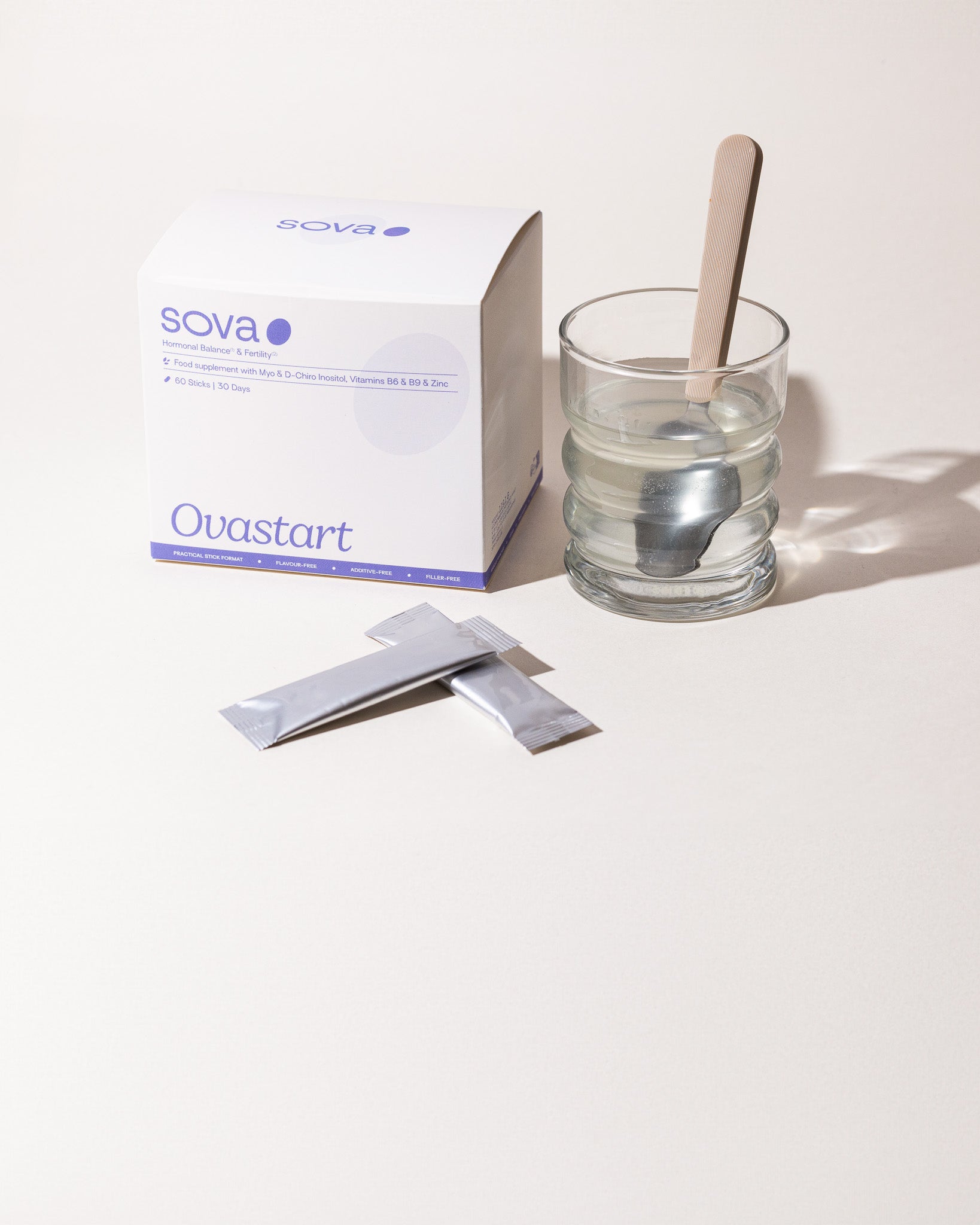
Inositol Powder Supplement for PCOS
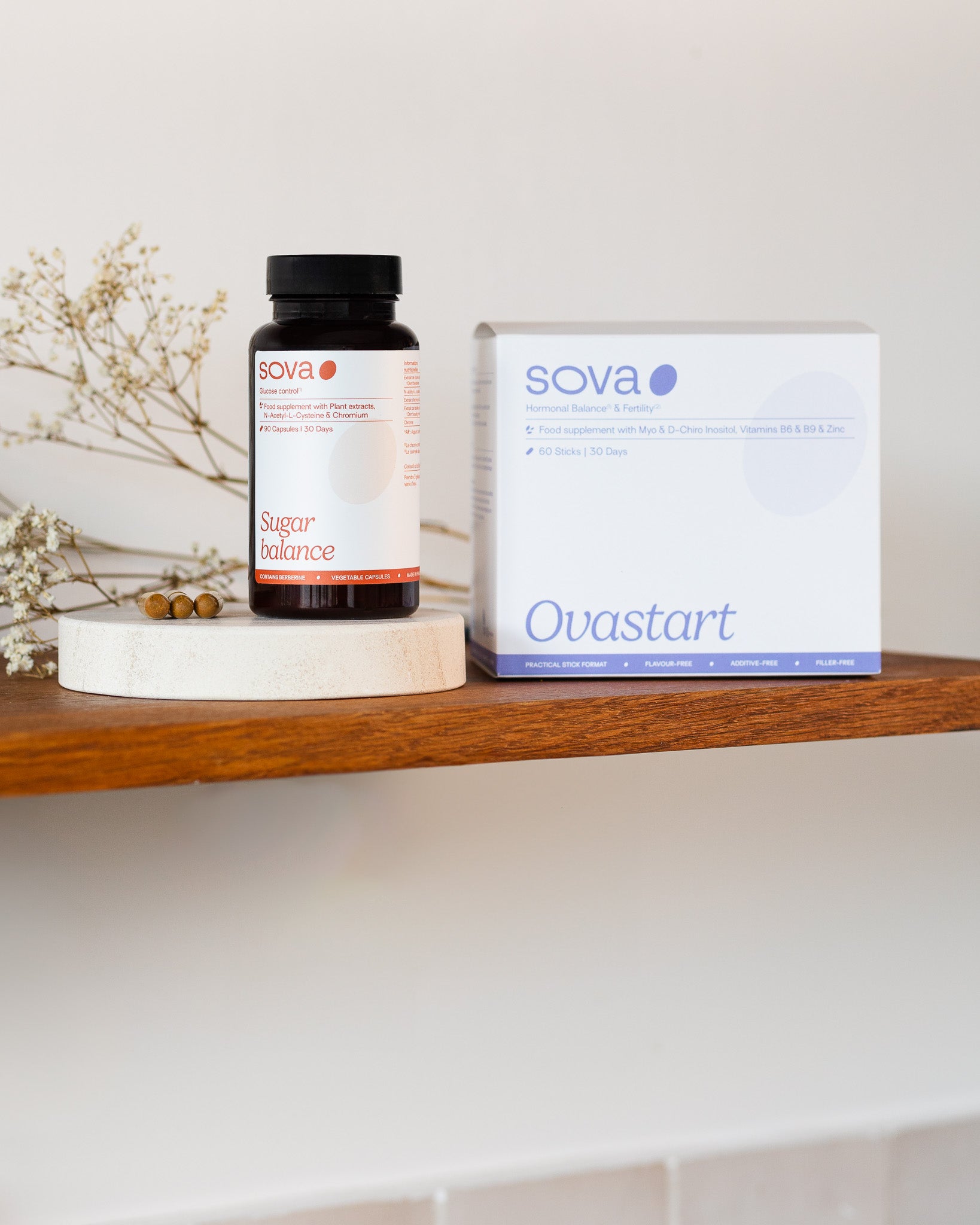
The Hormone Balance Supplements Built for PCOS - Two Products, One Complete System